Nanning
Nanning
Capital of Guangxi and gateway to Vietnam, Nanning charms visitors with its subtropical parks, night markets and multicultural cuisine.
Name: Nanning
Chinese name: 南宁
Province: Guangxi
Status: Prefectural city
Population: 6,978,957
Area: 22,189 km²
Capital of the Guangxi province, Nanning is the political, economic and cultural hub of the autonomous region. Although its economy is the most prosperous in southwestern Chine, supplying an abundance of agricultural products across Guangxi, Nanning has relatively little to offer visitors beyond a remarkably warm welcome from its residents.
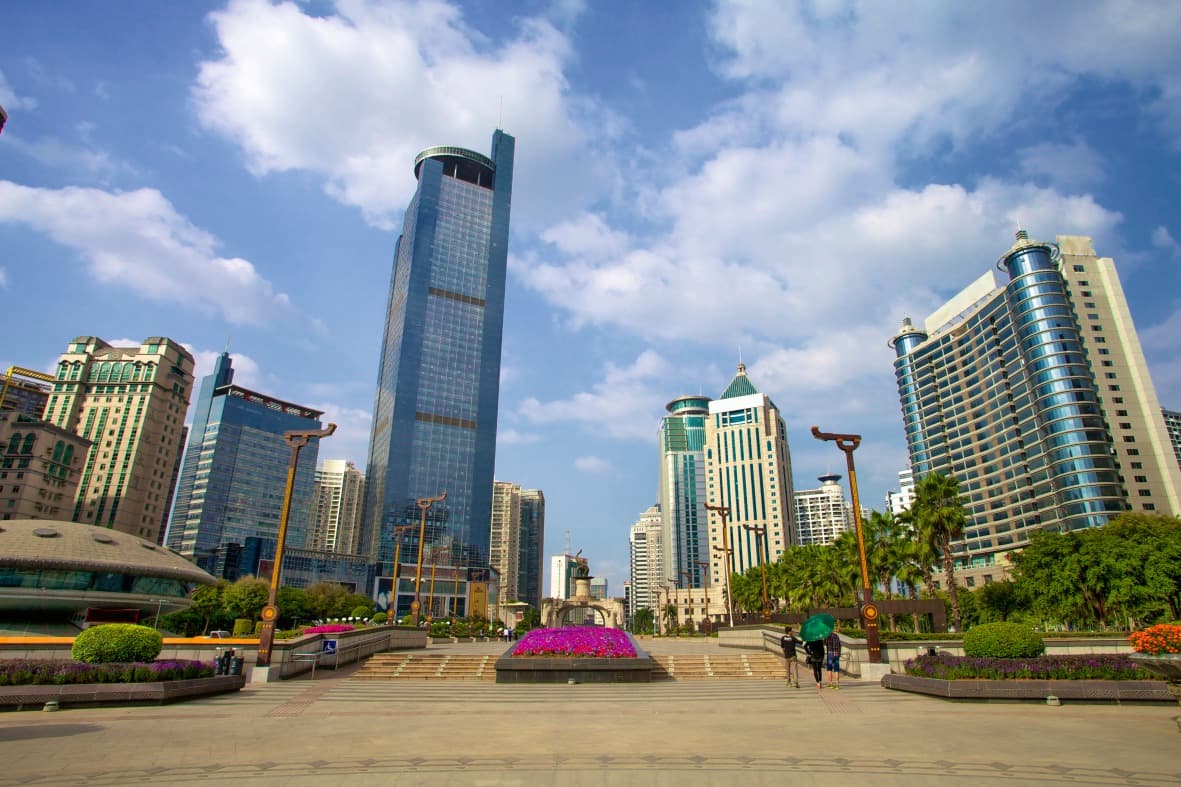
Unlike Guilin or Yangshuo, Nanning is a sprawling metropolis with wide avenues, towering office buildings and expansive green spaces bordering the frontier with Vietnam. Its abundant vegetation has earned it the nickname of "the green city".
History
The city's history stretches back to 318 AD during the Jin Dynasty. Nanning was then the capital of the Jinxing prefecture and was known as Jinxing Xian.
Its geographical position near the Vietnamese frontier and proximity to Guangdong opened the doors to commerce. During the Song Dynasty, permanent business offices from other regions established themselves in the city.
During the Sui Dynasty, Nanning was called Yongzhou. In 1324 during the Yuan Dynasty, it inherited the name Nanning.
It was only in 1914 that the city assumed the role of capital of the Guangxi autonomous region from Guilin.
Today
Reflecting the economic power and rapid development of Chine, Nanning has nonetheless managed to preserve extensive green spaces amid its wide avenues. This green city blends the beauty of lush vegetation, the diversity of a minority ethnic population and modernity to form an original destination representing all the facets of Guangxi.
In constant evolution, Nanning is becoming an important commercial hub in southern Chine. The government has launched a beautification initiative aimed at cleaning up and enhancing the city's image. Today, Nanning is a lively city and relatively clean, making it pleasant as a stopover before heading toward the stunning landscapes of Guilin.
While the city lacks numerous major attractions, its expansive green spaces offer pleasant strolls. Its many parks contain more than 3,000 species of tropical plants and numerous animal species.
Its wide avenues house shops of all kinds that will delight shopping enthusiasts. As night falls, the city lights up and comes alive from all corners. You can sample local specialties at any of the street food stalls you encounter.
The surrounding areas, formed by mountains, waterfalls and caves, hold scenic landscapes and sites worth discovering.
Qingxiu Mountain with its lakes, waterfalls and lush forest will surely captivate you during an outdoor hike. The Daming Mountains reveal a protected area with one of its peaks reaching 1,760 meters elevation. Its winding trails immerse you in pristine nature home to over 1,700 plant species.
The Yiling Caves, located just 25 km from the provincial capital, have been developed for tourism yet showcase beautiful limestone formations highlighted by creative lighting. The surrounding landscapes naturally invite exploration on foot.
Climate
Nanning enjoys a humid subtropical climate influenced by monsoon winds. Its average annual temperature exceeds 20°C, with July averaging 28.4°C and winter averaging 12.9°C.
Summers are often very hot, with peaks exceeding 30°C. Humidity levels are high at approximately 80%, and rainfall is frequent. Winters are mild and dry.
The city can be visited year-round. Pack rain gear for summer months and always bring sunscreen and sunglasses.
Air
Nanning's Wuxu International Airport, located approximately 30 kilometers from the city center, offers domestic flights connecting Nanning with Beijing, Shanghai, Guangzhou, Kunming, Guiyang, Haikou and other major cities across Chine.
It is also served by international flights from Singapore, Hong Kong, Hanoi, Kuala Lumpur, Bangkok, Jakarta, Ho Chi Minh City, Phnom Penh, Yangon, Vientiane, Seoul, Phuket and Jeju.
Train
Nanning is served by two railway stations.
The Main Station is connected to most major Chinese cities including Guangzhou, Chengdu, Beijing, Shanghai, Xi'an and Kunming.
The East Station is the largest and most important railway station in Guangxi. It sits on the major Nanning–Guangzhou railway line.
Bus
Nanning's bus stations serve numerous buses from cities across the region and neighboring provinces.
Daily buses cross the Vietnamese border to reach Hanoi.
The city abounds with local buses, taxis and motorbike taxis to transport residents and visitors to their destinations.
What to Do in Nanning
- Stroll down the wide avenues for shopping and window-browsing.
- Take a peaceful walk through one of the city's parks, including the medicinal plant garden.
- Explore the history of Guangxi at the Guangxi Province Museum.
- Wander through lush scenery featuring lakes, springs and gardens at Qingxiu Shan.
- Venture slightly outside the city for an excursion to the Daming Mountains.
- Descend underground into the Yiling Caves.
Want to discover this destination?
Our local advisors design your tailor-made trip.