Badachu Park
Badachu Park
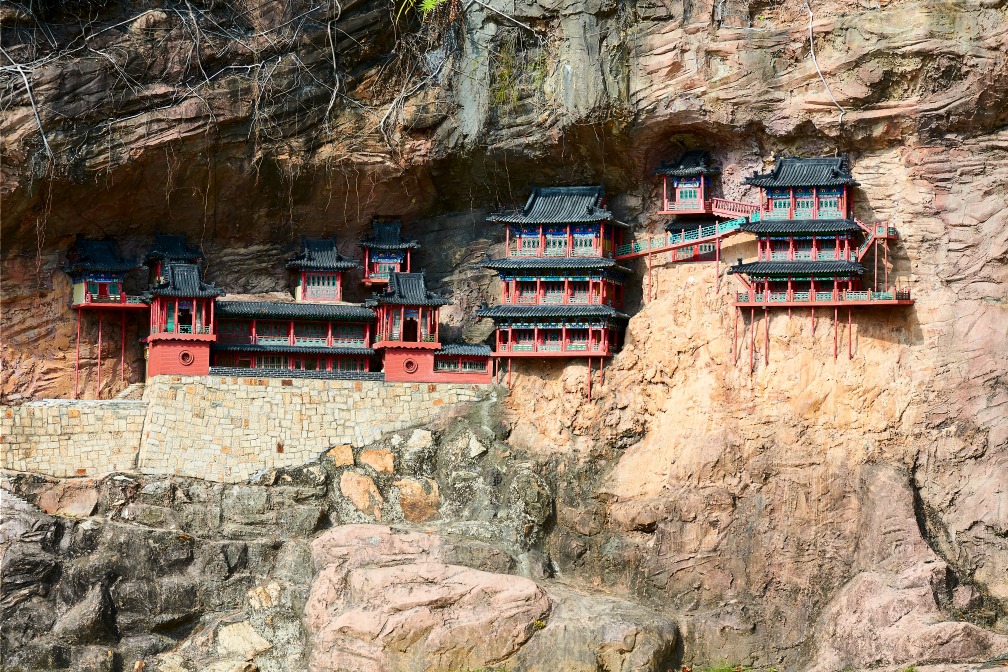
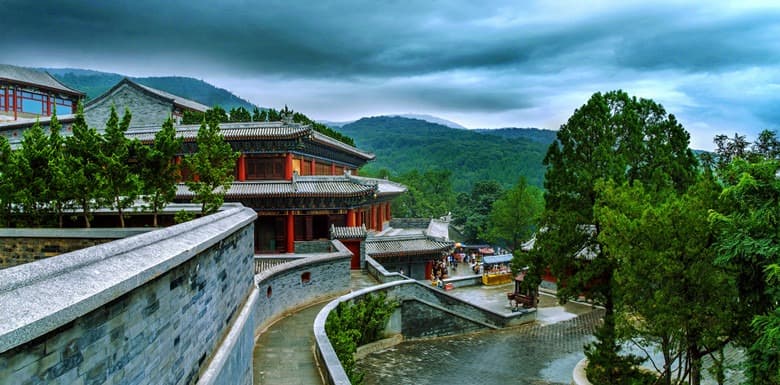
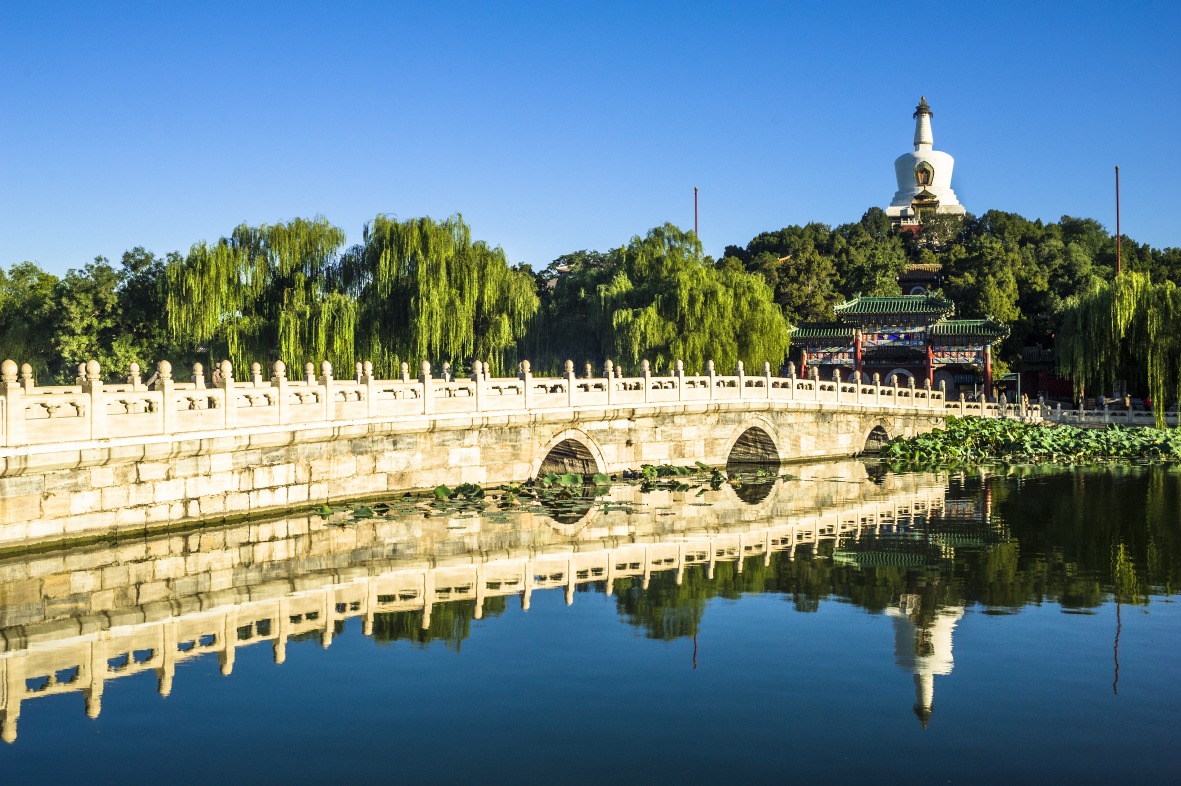
Located 20 km from Beijing, Badachu Park assembles eight Buddhist temples scattered across the wooded slopes of Xishan Mountain.
Badachu Park, whose name means "park of the eight great places," stretches across the southern foothills of Xishan Mountain, approximately 20 km from central Beijing. Spanning 250 hectares, it houses eight Buddhist temples terraced along the mountainside, forested trails, and several historical sites linked to imperial meditation practice.
Why visit Badachu Park
Three elements set Badachu apart from other Buddhist sites around Beijing. First, the concentration of eight temples on a single slope, spread across time from the Sui dynasty to the Qing dynasty, allowing you to read more than a millennium of religious architecture in a single journey. Second, the forested setting of Xishan Mountain, densely wooded, which provides a calmer atmosphere than the grand monuments of downtown. Finally, rare features such as a pistachio tree over 600 years old and an erratic boulder of glacial origin visible at Zhengguo Temple.
History of the Park
The site was conceived toward the end of the Sui dynasty and the beginning of the Tang dynasty. For a long time it served as a residence and meditation center for Chinese emperors. The eight Buddhist temples that gave it their name were built in stages, from the Sui dynasty through the Qing dynasty.
Heavily damaged during the twentieth century, the complex was gradually reconstructed from 1980 onward. The park was officially developed as a tourist site in 2000.
What to See in the Park
The park features 12 scenic sites distributed along the trail leading toward the summit. The eight main temples can be visited in order, from bottom to top, following the classic pilgrimage route.
Temples Dedicated to Buddhist Worship
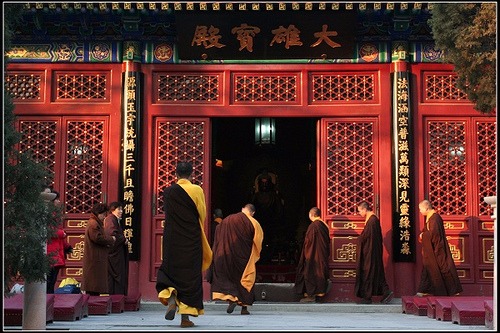
The temples of Sanshan, Dabei, and Lingguan house the park's most venerated pieces: copper statues of Sakyamuni, the 18 statues of the Arhats, and the Foya stupa. These are the site's primary pilgrimage destinations.
Baozhu, Chang'an, and Longquan
Baozhu Temple takes its name from "precious pearls" and offers, from its pagodas, an unobstructed view of Beijing on clear days. Chang'an Temple is nicknamed the Temple of Eternal Peace. Longquan Temple, the largest in the complex, is organized into five courtyards, each divided into three distinct spaces.
Zhengguo Temple
This is the oldest structure in the park. Here you'll find a pistachio tree over 600 years old, classified among the region's remarkable trees, as well as an erratic boulder of glacial origin, geological evidence of the ancient glaciations that shaped Xishan's terrain.
Xishan Forest
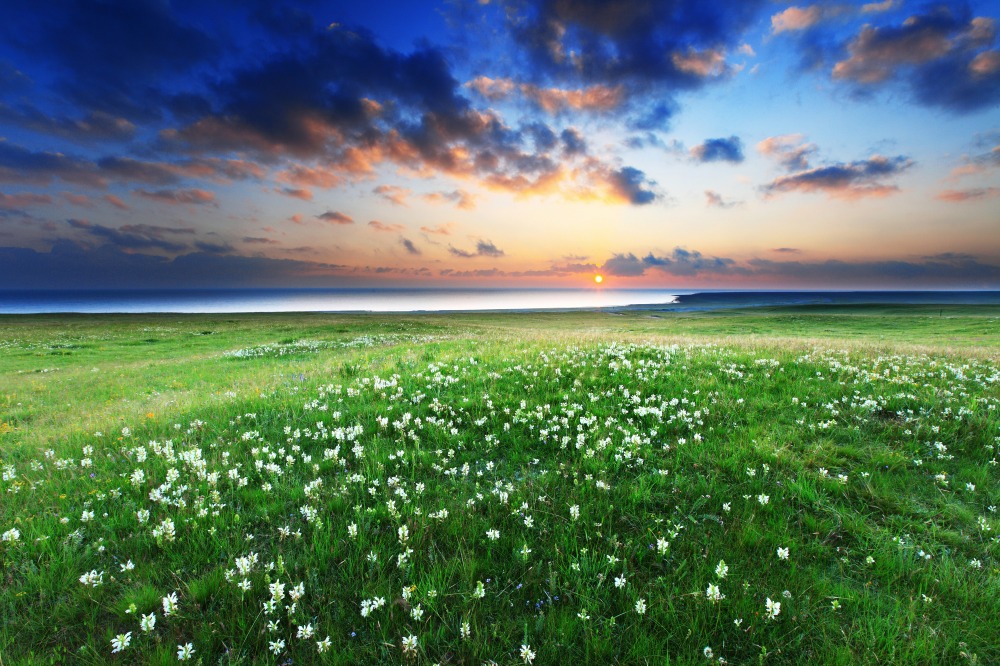
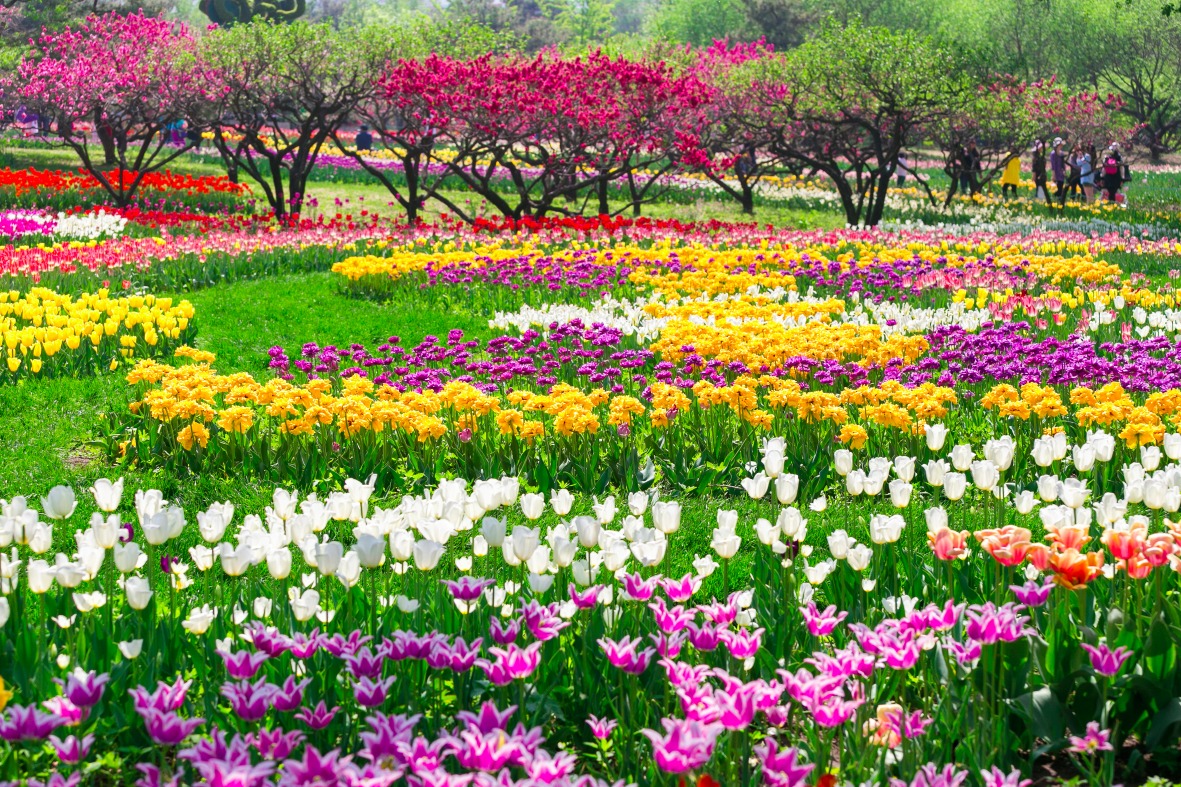
The mountain overlooking the park is extensively forested. It is home to tens of thousands of trees and shrubs, including apricot trees, peach trees, and jasmines, which mark the site's appearance throughout the seasons.
When to Visit
- Spring (April–May): Blooming apricot and peach trees; the most photogenic season.
- Summer (June–August): Dense vegetation and relative coolness at altitude, but stronger local crowds on weekends.
- Autumn (October–November): Brilliant fall foliage on Xishan's slopes, crisp light, ideal conditions for hiking.
- Winter: Possible snow-covered landscapes, light visitor traffic, quieter temples.
Practical Information
- Duration of visit: Allow half a day to walk through the eight temples; longer if you wish to reach higher viewpoints.
- Admission: Moderate entry fee, payable on-site.
- Hours: Open during daytime hours, closing in early evening. Check seasonal hours before your visit.
- Tip: Wear good hiking shoes; the trail is continuously steep.
How to Get There
Several public transportation options serve the park entrance:
- By bus: Lines 347, 389, 489, 598, 972, or 958, with stops or terminus near the entrance.
- By metro: Line 1 to Yuquanlu station, then transfer to bus 389 to the park.
- By taxi or ride-sharing: Approximately 30 to 45 minutes from central Beijing depending on traffic.
Nearby Attractions
Badachu combines well with other sites on Beijing's outskirts during your stay in the capital. To extend your experience, consult our guide to Beijing and visit the Great Wall at Juyongguan, accessible the same day from the western part of the city.
Frequently Asked Questions
Frequently asked questions
Half a day is sufficient to walk through the main temples. Plan a full day if you wish to reach the viewpoints and take time to observe the architectural details.
Yes, the main trail is well-maintained. However, the path is continuously steep, which may be tiring for young children or people with reduced mobility.
Spring, for the blooming apricot and peach trees, and autumn, for the colors of Xishan Forest, are the two most popular seasons.
Badachu means "park of the eight great places," referring to the eight Buddhist temples that dot the site, built between the Sui and Qing dynasties.
Include Badachu in Your Journey
Badachu Park integrates easily into a Beijing stay, complementing major downtown monuments and a Great Wall excursion. To build a custom itinerary incorporating this site, explore our China travel packages.
Nearby
Interested in this visit?
We can include it in your personalised itinerary.