Huitengxile Grasslands
Huitengxile Grasslands
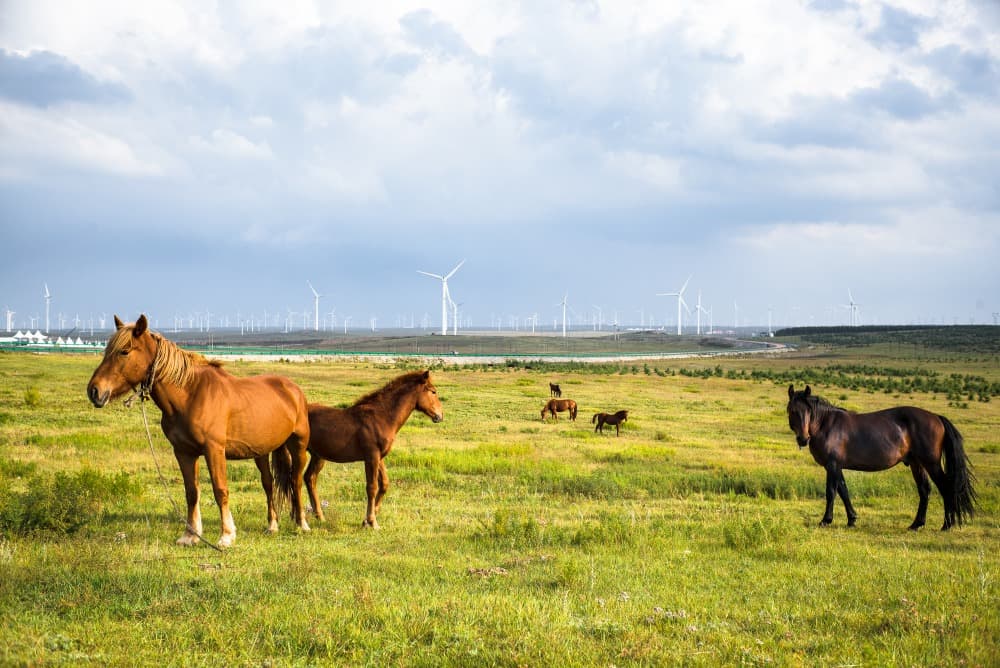
At 1,800 m altitude in Inner Mongolia, Huitengxile Grasslands stretch across blooming steppes, 99 lakes and yurt camps, 130 km from Hohhot.
The Huitengxile Grasslands extend across the central and southern portions of the Chahar region in Inner Mongolia, more than 130 km east of Hohhot and 80 km from Jining (Ulanqab region). At 1,800 metres altitude, this vast grassy plateau scattered with nearly a hundred small lakes offers an authentic glimpse of the Mongolian steppe and the pastoral culture that endures within it.
Why visit Huitengxile
In the Mongolian dialect, Huitengxile means "cold prairie": even in summer, the air remains crisp and nights cool. The site distinguishes itself through three key features:
- A high-altitude steppe landscape dotted with 99 glacial lakes, ideal for long walks and horseback trekking.
- A living nomadic culture, with yurt accommodation, pastoral cuisine and traditional sports demonstrations.
- Spectacular flowering from May through September, when grasses and wildflowers blanket the plateau.
Unlike the more touristy grasslands near Hohhot, Huitengxile remains frequented by herding families who continue extensive livestock farming of sheep, goats and horses.
History and cultural heritage
During the Tang Dynasty (618-907), the area was reportedly visited by Buddhist monks and Taoist priests seeking retreat. According to local tradition, Buddhist sutras and monastic robes were said to have been discovered in a cave in the region — a tale rooted more in oral memory than archaeological documentation, yet testament to the ancient human presence on these heights.
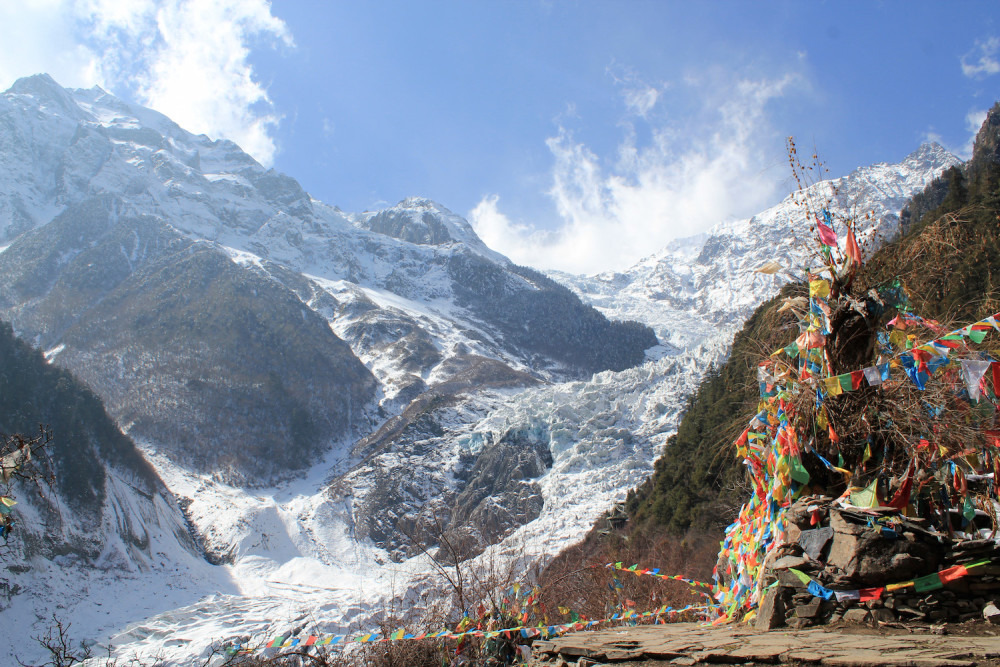
The Aobao Mountain, which overlooks the grassland, preserves a ceremonial cairn typical of Mongolian shamanic and Buddhist rituals: these ovoo (stone mounds topped with prayer flags) are places of worship where offerings are left to seek protection from the spirits of the land.
What to see and do
The 99 lakes and pastures
The plateau is scattered with small lakes and ponds fed by summer rains and snowmelt. Plan several hours of walking to connect a few of them on foot or horseback, following trails worn by grazing herds.
Equestrian and sporting activities
- Horseback riding with local guides, by the hour or half-day.
- Mongolian wrestling (bökh), one of the three traditional martial sports, presented in demonstrations or during local festivities.
- Archery, another historic discipline of steppe horsemen.
- Ascent of Aobao Mountain for sweeping views across the plateau.
Evening in a yurt and campfire
Camps offer dinners featuring pastoral dishes (boiled mutton, fermented dairy products, salted milk tea) followed by a campfire. The welcome ceremony with khadak (silk scarf) and milk is often staged for groups; it nonetheless remains an engaging introduction to Mongolian hospitality customs.
When to visit
The prime season runs from late May through mid-September. Peak verdure and blooms occur in July-August, the most sought-after but also busiest period. June and September offer still-green grasslands with fewer visitors. Outside this window, many yurt camps close, temperatures can plummet well below freezing and access becomes difficult. Even in summer, pack warm clothing for evenings: at 1,800 m, day-night temperature swings often exceed 15 °C.
Practical information
- Duration of visit: 1 to 2 days, ideally with a night in a yurt to savour the sunset and sunrise over the steppe.
- Rates: modest site entrance fee; budget additionally for yurt accommodation (mid-range) and equestrian activities charged hourly.
- Accommodation: tourist yurt camps, more comfortable than herders' yurts (beds, sometimes shared facilities). Booking advised during peak season.
- To bring: warm layers, windproof jacket, sunscreen and hat (altitude increases sun exposure), hiking shoes, headlamp.
How to get there
Huitengxile is not served by direct public transport. Two approaches are viable:
- From Hohhot (approximately 130 km): drive by private vehicle or day taxi, expect 2.5 to 3 hours depending on road conditions.
- From Datong (Shanxi): train to Jining (Ulanqab), then taxi or chauffeured car for the remaining 80 km.
The most practical option remains renting a vehicle with driver for your stay, which also allows you to move between the various lakes and viewpoints once on-site.
Combining nearby attractions
Several Inner Mongolia and northern Chine sites lend themselves to a broader itinerary:
- Hohhot, the regional capital, a logical departure point with its museums dedicated to Mongolian culture.
- The Hexigten Geopark, another expanse of steppe and volcanic formations to the northeast.
- The Great Wall at Juyongguan, accessible from Beijing to extend your journey southward.
Planning your trip
To incorporate Huitengxile into a circuit across Inner Mongolia or northern Chine, explore our itinerary suggestions on the Chine travel page.
Interested in this visit?
We can include it in your personalised itinerary.