Zhoukoudian Site (Peking Man)
Zhoukoudian Site (Peking Man)
About 50 km southwest of Beijing, Zhoukoudian harbors the caves where remains of Homo erectus pekinensis were discovered. UNESCO site, renovated museum and 500,000 years of human history in half a day.
Roughly fifty kilometers southwest of Beijing, in Fangshan District, the Zhoukoudian site houses the caves where remains of Homo erectus pekinensis — Peking Man — were discovered. Listed as a UNESCO World Heritage Site since 1987, this complex of caverns and excavations constitutes one of the world's most significant Paleolithic deposits, spanning over 500,000 years of human occupation.
Practical information at a glance
- Admission: fee required (discounted rates for students and seniors)
- Recommended duration: 2 to 3 hours for the site and museum
- Access: bus from Tianqiao bus station (Beijing) or car/taxi from downtown
- Attire: comfortable shoes recommended; some paths are sloped
- Accessibility: museum is accessible; outdoor trails have elevation changes
What you'll see
The site comprises several numbered excavation zones. Locality 1 is the most famous: this is where skulls, teeth and bones attributed to Homo erectus pekinensis, dated between 700,000 and 200,000 years ago, were unearthed between 1921 and 1937. The Upper Cave yielded remains of archaic Homo sapiens and perforated bone ornaments.
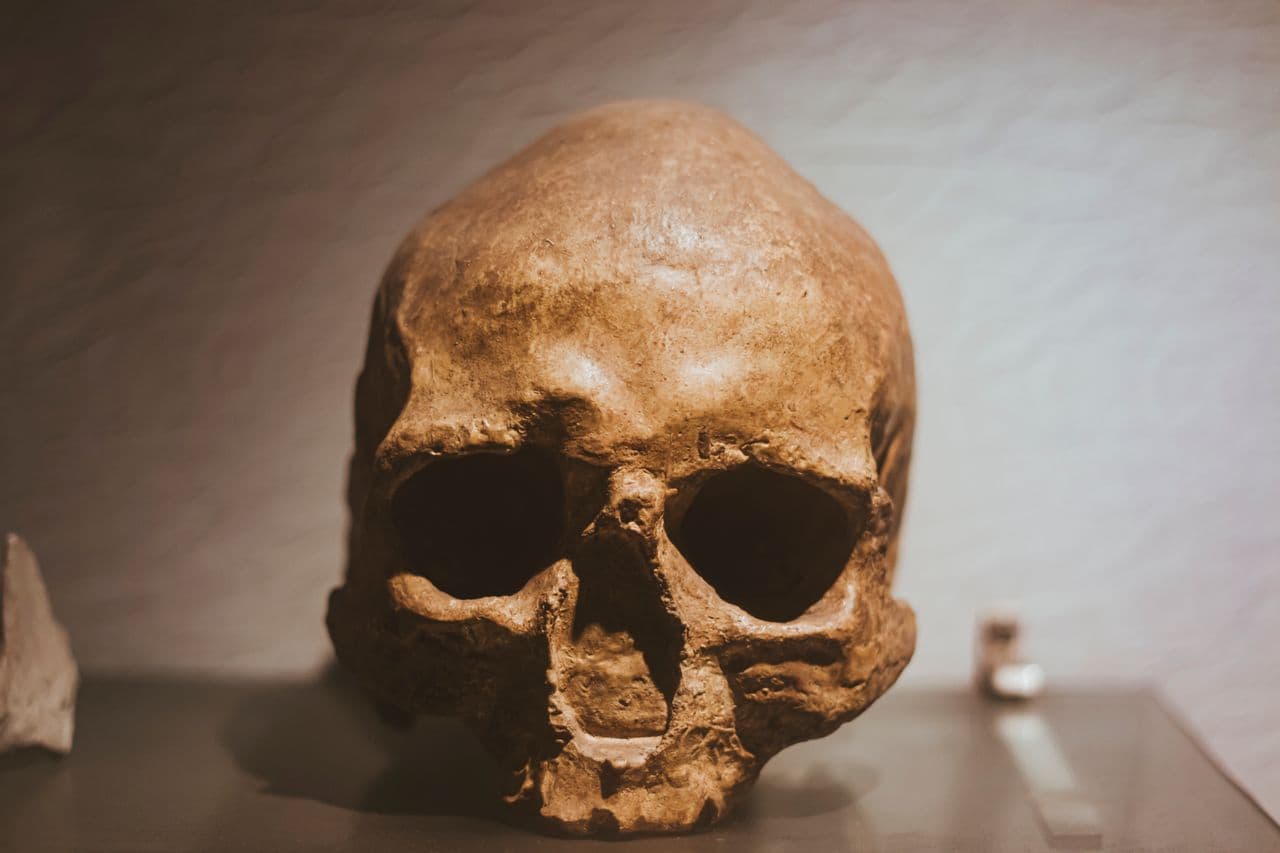
The Zhoukoudian Site Museum, recently renovated, displays skull casts, chipped stone tools, fossilized animal bones and reconstructions of daily life among the earliest inhabitants. Panels are in Chinese and English.
History and context
Systematic excavations began in 1921 under Johan Gunnar Andersson's direction. In 1929, paleontologist Pei Wenzhong unearthed the first complete skull, initially called "Sinanthropus" and later renamed Homo erectus pekinensis. The original fossils mysteriously disappeared in 1941 during their transfer to the United States amid World War II. Only casts and photographs survive. Excavations resumed after 1949 and continue to this day.
UNESCO inscription in 1987 recognized the site's exceptional importance for understanding human evolution in East Asia.
Highlights of your visit
Locality 1
The large open-air excavation impresses with its scale. Panels explain stratigraphic layers and excavation methods. A boardwalk allows you to observe the geological profile without damaging the remains.
The Upper Cave
Accessible on foot from Locality 1, this cavern has yielded burials and ornamental objects dating to roughly 30,000 years ago, testifying to early symbolic behavior.
The renovated museum
Modern museography recreates Pleistocene environments: extinct fauna (cave hyenas, giant deer), flora and landscapes. Skull casts allow you to visualize morphological evolution across several hundred millennia.
Photography tips
Natural light is optimal in the morning on Locality 1, where ochre walls stand out beautifully in raking light. Inside the museum, photography is generally permitted without flash. Overhead views from the Locality 1 boardwalk provide good perspective of the excavation scale.
Location and access
Zhoukoudian is located in Fangshan District, approximately 50 km southwest of Beijing's city center. Public transport access requires a bus from Tianqiao terminus; the journey takes about 1 hour 30 minutes. By car or taxi, allow 1 hour from downtown depending on traffic. The site can be combined with a visit to the Yunju Temple in the same district.
Nearby attractions
- Yunju Temple — Buddhist monastery in Fangshan District, renowned for its steles inscribed with sutras.
- Juyongguan Great Wall — restored section of the wall, accessible from Beijing in a day trip.
- Summer Palace — imperial ensemble of gardens and lakes west of Beijing, on your return route.

Interested in this visit?
We can include it in your personalised itinerary.