Chongqing
Chongqing
A vertical megapolis at the confluence of the Yangtze and Jialing rivers, Chongqing blends futuristic skyscrapers, ancient stilt houses, and Buddhist treasures. Gateway to the Three Gorges.
Name: Chongqing
Chinese name: 山城 (Shānchéng)
Status: Autonomous Municipality
Population: 32,800,000 (2010) – City + metropolitan area
Area: 82,401 km²
Chongqing is China's largest municipality in the southwest. A modern port city, it shares borders with Hubei, Hunan, Guizhou, Sichuan, and Shaanxi. Like other municipalities, Chongqing has maintained rapid economic development while preserving magnificent natural environments. Chongqing sits on undulating terrain encompassing countless water reserves, mineral resources, dense forests, and abundant wildlife. The city attracts an increasing number of Chinese and international visitors, particularly via the Yangtze River cruise, where travelers can experience downstream the breathtaking Three Gorges.
History
In 1996, stone tools unearthed in the Yangtze River valleys (Yangzi Jiang) proved the region was inhabited two million years ago—one million years earlier than previously believed. The city was originally called Gengzhou, until Emperor Zhaodun of the Song Dynasty renamed it Chongqing, meaning "double joy" or "double fortune". Chongqing became an open port to foreigners in 1890. Few ventured upriver to this remote outpost, and those who did played minimal roles. An industrialization program was launched in 1928, but Chongqing became truly important only after the Japanese invasion, when the Guomindang made it their wartime capital. From 1938 to 1945, refugees poured in from across the country, swelling the population to over two million. Most of Chongqing's notable sites date from this era. It was in Chongqing that, under Guomindang military leadership, representatives of the Chinese Communist Party served as intermediaries between the Guomindang and the Communist headquarters in Yan'an in Shaanxi province. Repeated efforts to unite the two parties into a single front against the Japanese failed, chiefly due to mutual mistrust and Chiang Kai-shek's obsession with eliminating the Communists. Chongqing long claimed special status comparable to that of Shanghai. In 1997, it didn't quite achieve this, but three urban counties separated from Sichuan to become a special municipality, placed under direct central government administration. It has invested billions of Yuan in its development and today experiences an unprecedented construction boom. You'll discover buildings with futuristic architecture like the celebrated Grand Theatre of Chongqing and the massive library in the Shapingba district.
Today
After spending years in the shadow of Sichuan, the municipality of Chongqing is now in the spotlight. Largely overlooked since its glory days as wartime capital, Chongqing is experiencing a renaissance that Beijing hopes to replicate to bring inland provinces to the economic success of the eastern coast. Chongqing stands with the hope that its economic boom will lift the dozens of small towns and hundreds of villages that comprise this city-province out of poverty. In Chongqing, ancient stilt houses clinging to hillsides coexist with towering skyscrapers and massive architectural projects. This blend of old and new is fascinating to witness and constitutes the city's cultural richness. For travelers, Chongqing now represents far more than a place to wait a few days before a Three Gorges cruise. As a destination for historical and cultural discovery, Chongqing and its surroundings hold treasures yet to be fully explored, such as the paintings and sculptures in the renowned Dazu Grottoes. Perched on steep hills at the confluence of the Yangtze and Jialing rivers, the city spends most of the year shrouded in a thick fog. Nevertheless, it's pleasant to enjoy the city views after a cable car ride. At night, the haze gives way to the city lights, creating a more festive atmosphere. Thanks to a municipal ordinance banning car horns, the ambiance is calmer than in other Chinese cities. Yet the rough terrain doesn't permit bicycles, so motorcycles and cars compete for space on crowded streets. Venturing beyond the city reveals unmissable treasures like the spectacular Furong Grotto, considered one of the world's three largest caves.
Climate
In Chine, Chongqing is renowned for two things: its scorching summers and rain the rest of the year. Bring an umbrella and prepare yourself for heat and humidity from July onward. Temperatures can exceed 40°C, and the city ranks among China's "three furnaces" alongside Wuhan and Nanjing.
Flight
Chongqing Jiangbei Airport, located 25 km north of the city center, is served by nearly all major Chinese cities. Daily flights operate from Chengdu, Kunming, Guangzhou, Wuhan, Beijing, and even Hong Kong.
Boat
Chongqing is one of the country's most important inland ports. Its harbor is the final destination for many cruise ships that have sailed along the Yangtze River.
Train
Chongqing boasts one of China's largest railway networks, with a dozen main lines connecting most major cities. Trains arrive at the massive railway station in the southwest of the city.
Bus
A large bus station near the railway station is served by regular long-distance buses from Beijing and neighboring provinces including Sichuan.
Chongqing benefits from a very extensive bus network, well-developed for exploring the city in all directions. Certain lines are understandably more crowded than others, but it's fairly easy to navigate the buses. Chongqing is equipped with modern metro lines, some elevated, offering unique perspectives of the city. The metro features signs in both Chinese and English.
Languages
In Chongqing you'll hear the Standard Mandarin of Sichuan, a variant of Mandarin. Different from Sichuanese, Standard Mandarin of Sichuan emerged from the Chinese Government's policy promoting Mandarin standardization.
What to Do in Chongqing?
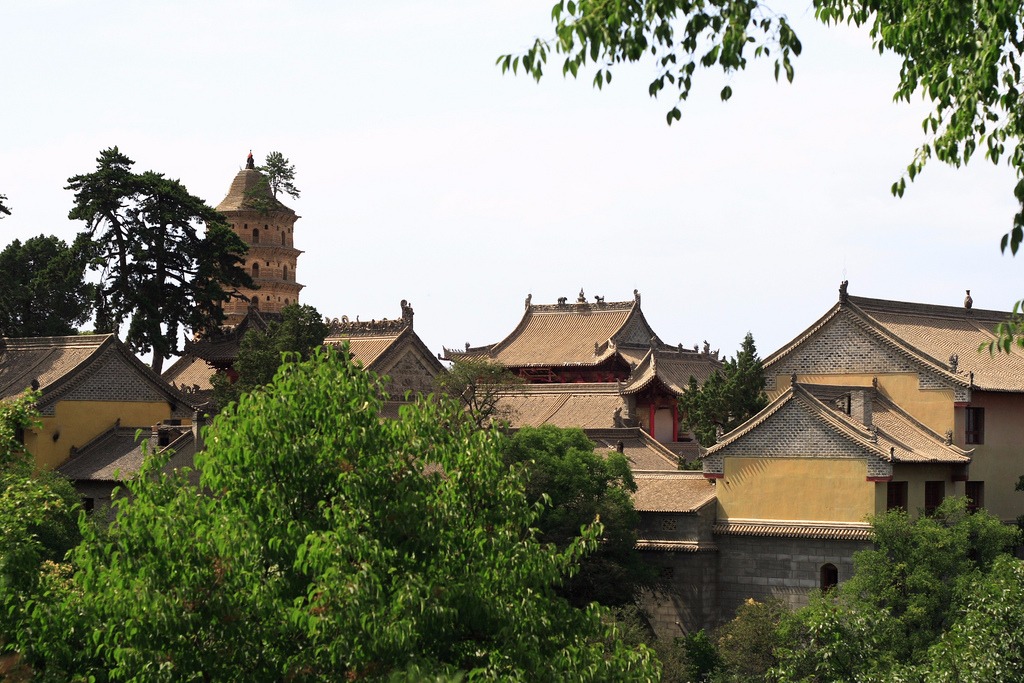
- Enjoy the serenity of the Arhats Temple or Luohan Si in Chinese, and observe devotees prostrating themselves and presenting offerings before the Buddhist statues.
- Take the cable car south of the city across the Yangtze to the English Promenade and discover panoramic views of the city's skyline.
- Visit the Dazu Grottoes to discover Buddhist sculptures listed as UNESCO World Heritage since 1999.
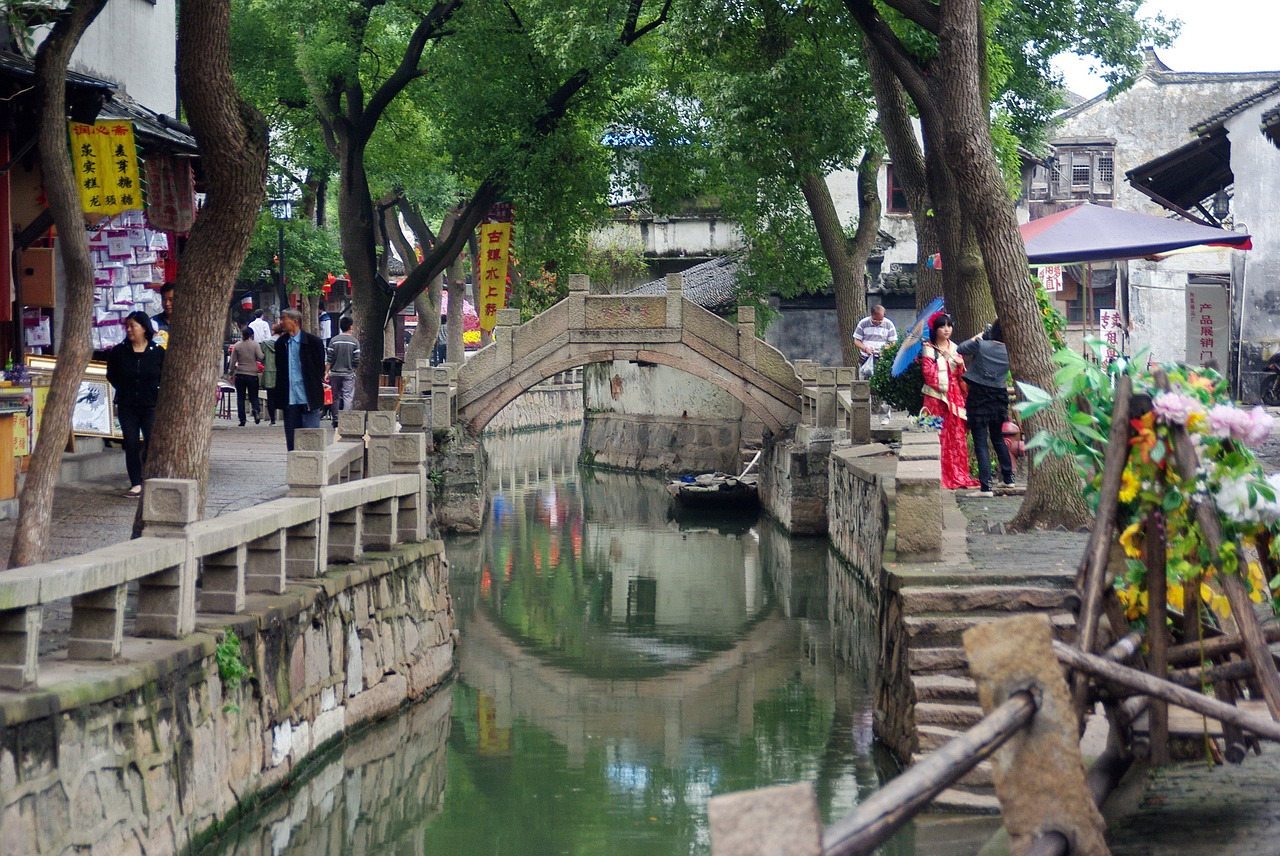
- Explore the ancient town of Ciqikou with its characteristic lanes and Buddhist temples.
- Delve into history at the Martyrs' Memorial on Gele Mountain and discover the former prisons Zhazi Dong and Baigongguan.
- Marvel at the magnificent Furong Grottoes near the Yangtze River, 190km from Chongqing.
- Embark on a Yangtze River cruise lasting three days and experience the splendor of the Three Gorges.
Discover all things to do in Chongqing: Chongqing attractions
Attractions in Chongqing
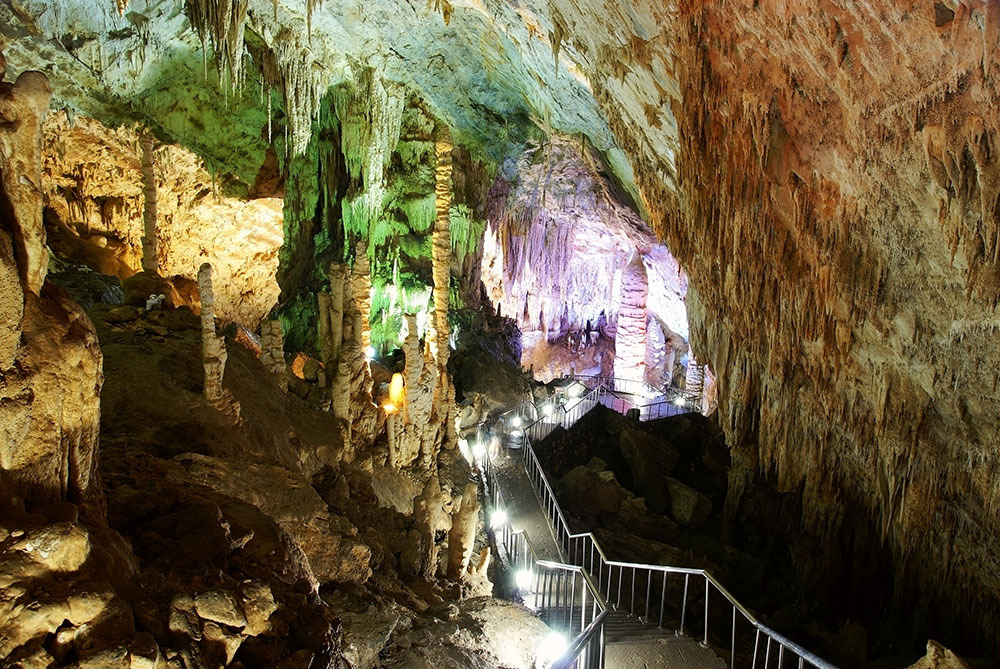
Grotte de Furong
Cavité karstique majeure du sud de la Chine, près de Wulong, classée UNESCO depuis 2007 : formations cambriennes, cascades de pierre et puits Qikeng.
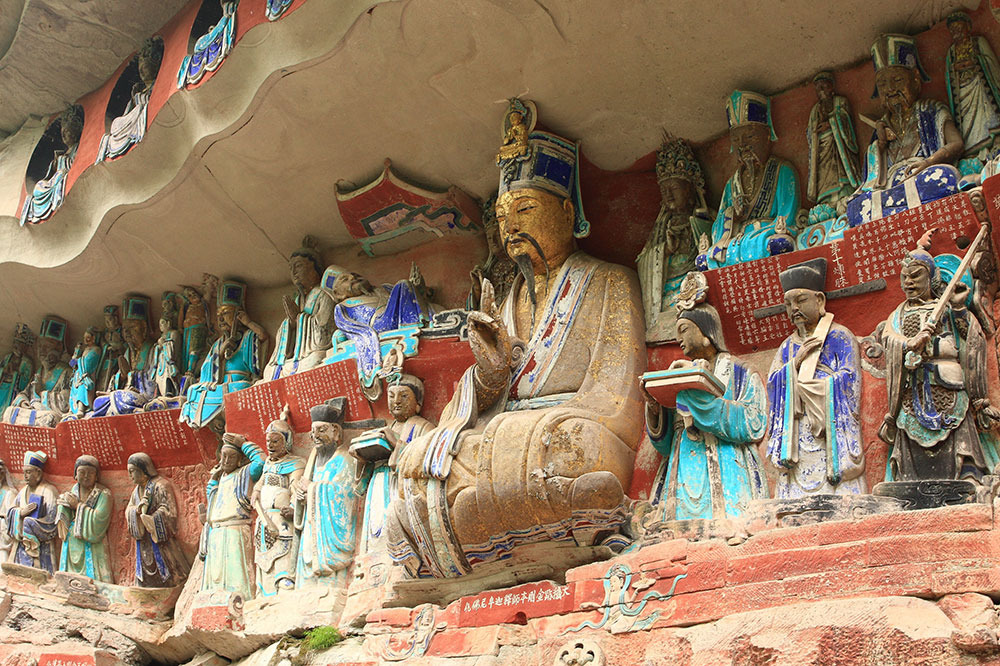
Grottes et sculptures rupestres de Dazu
Classées UNESCO depuis 1999, les grottes de Dazu rassemblent plus de 50 000 sculptures bouddhiques taillées entre le 7e et le 13e siècle, à 100 km de Chongqing.
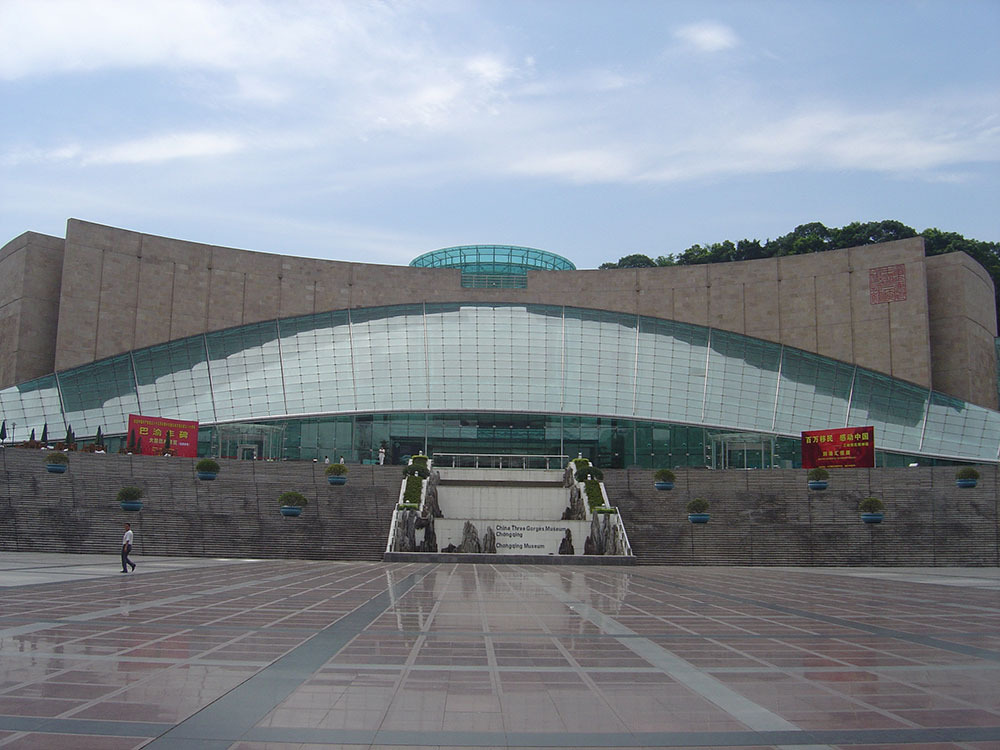
Musée des Trois gorges
Face à l'Assemblée populaire de Chongqing, le musée des Trois Gorges retrace 3 000 ans d'histoire locale, de la civilisation Ba Shu aux paysages du Yangzi.
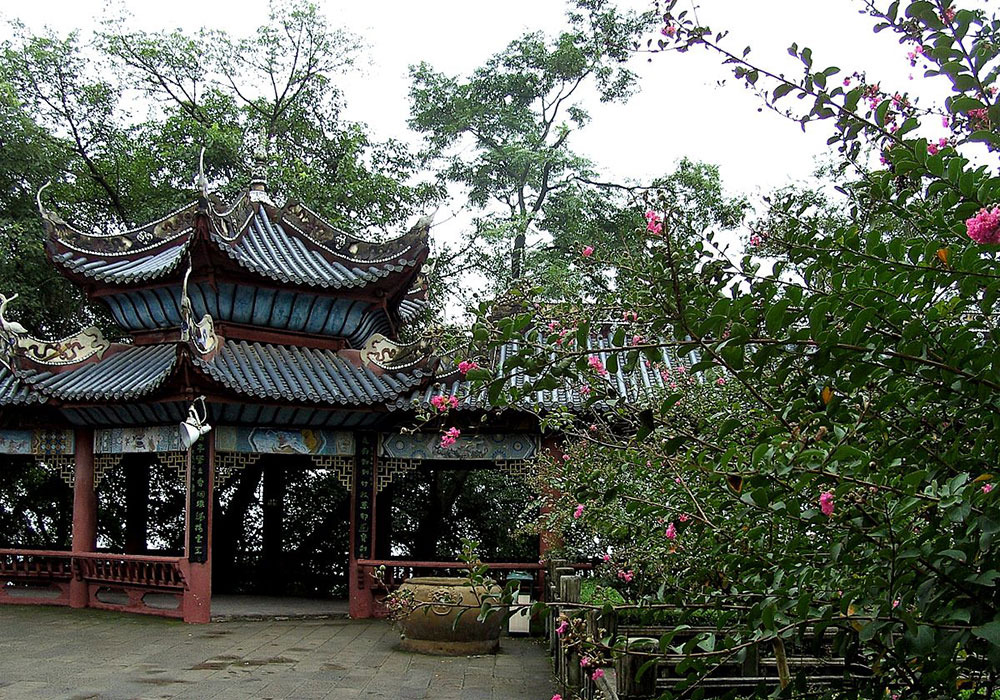
Ville fantôme de Fengdu
À 170 km de Chongqing, sur la colline Mingshan, la ville fantôme de Fengdu met en scène depuis 2 000 ans le voyage des âmes dans l'au-delà chinois.
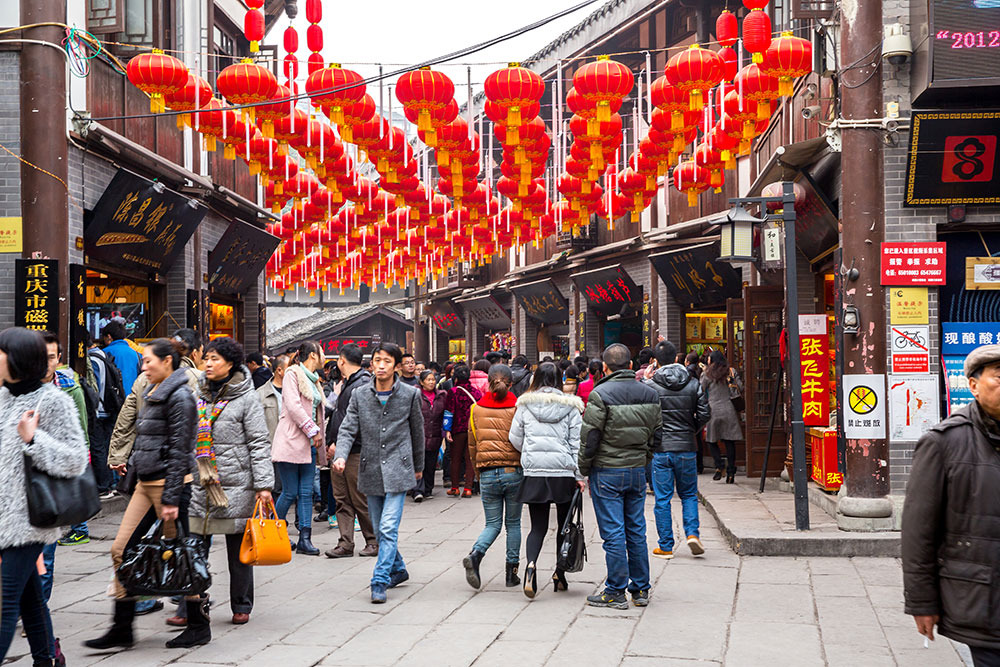
Vieille ville de Ciqikou
Ancien port commercial sur la rivière Jialing, Ciqikou conserve à Chongqing un bourg Qing aux ruelles pavées, temple bouddhique et artisanat de poterie.
Want to discover this destination?
Our local advisors design your tailor-made trip.