Beihai Park
Beihai Park
A former imperial garden in Beijing, Beihai Park unfolds across 68 hectares of lake, temples and pavilions inherited from five dynasties, just steps from the Forbidden City.
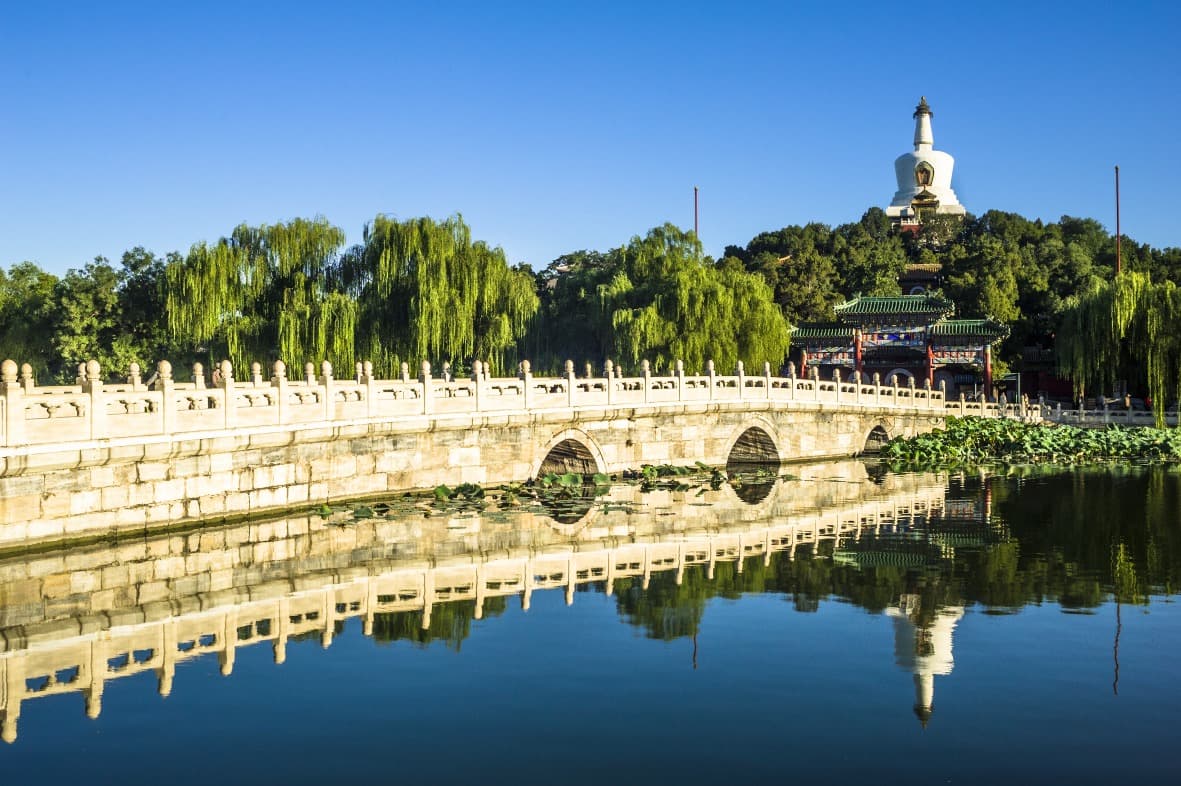
Beihai Park is one of the oldest imperial gardens in Beijing, and among the best preserved. Open to the public, it stretches across more than 68 hectares, of which 39 are covered by the waters of the lake that gives it its name ("Lake of the North").
Why visit Beihai Park
The park brings together in one location rare architectural heritage (white Dagoba, Nine Dragon Wall, Buddhist temples) and vibrant daily life: Tai-chi practitioners, calligraphers tracing characters in water on stone tiles, families boating on the lake. Its immediate proximity to the Forbidden City makes it a natural complement to a day visiting Beijing's historic centre.
A history spanning five dynasties
The park's history extends over more than a millennium and covers the Liao, Jin, Yuan, Ming and Qing dynasties. Its foundation, under the Liao, was inspired by an ancient legend: three sacred mountains — Penglai, Yingzhou and Fangzhang — were said to harbour immortals holding the secret of eternal life. Unable to locate these mountains, emperors reproduced their layout in their gardens, systematically combining hills with water features.
Each successive dynasty enriched the site. The majority of structures visible today date from the reign of Emperor Qianlong, under the Qing (18th century). At the end of that same dynasty, in 1912, the park was closed and attached to the Forbidden City. It reopened to the public in 1925.
What to see in the park
Four gates provide access to the park, each opening onto a different area.
Qionghua Island and the white Dagoba
In the centre of Beihai Lake rises Qionghua Island, also known as "Jade Island". It is dominated by the white Dagoba, a Tibetan-style stupa 36 metres high built in 1651 on the occasion of the Dalai Lama's visit to Beijing. It is accessed via the Yong'an Temple, whose tiered pavilions cascading down the hillside trace the site's history.
The round fortress and the great jade vessel
Near the South entrance, the Khan's Court houses a large green jade vessel, carved from a single piece, said to have belonged to Emperor Kublai Khan. It is among the oldest pieces on the site.
The Nine Dragon Wall
To the north of the park, this spirit wall in ceramic measures 27 metres long and 5 metres high. Its nine polychrome dragons in high relief are among the three walls of this type still visible in Chine.
Xitian Fanjing Temple
Also on the northern shore, this Buddhist temple serves as a gathering point for Tai-chi practice groups, particularly active in the morning.
Activities on site
- Boating on the lake (boat rentals available in season)
- Walking or cycling along the waterfront
- Watching calligraphers trace characters in water on stone tiles
- Refreshment at tea houses and snack stalls
When to visit
The park can be visited year-round, but spring (April-May) and autumn (September-October) offer the most pleasant conditions: mild temperatures, peonies and lotus blossoms in season, generally clear skies. Beijing summers are hot and humid; in winter, the lake may freeze partially, opening opportunities for skating in designated areas. Early morning remains the best time to observe Tai-chi practice and avoid tour group crowds.
Practical information
- Visit duration: allow 2 to 3 hours for a complete circuit, longer if including paid areas.
- Admission: modest entrance fee, with additional charges for access to Qionghua Island and the round fortress. A combined ticket is available.
- Hours: daily opening from early morning until evening, with slightly reduced hours in winter.
- What to bring: water, hat in summer, comfortable shoes (the park is extensive and hilly on the island).
How to get there
By metro
Line 6 serves Beihai North station (Beihai Beimen), in immediate proximity to the North gate. Line 4, Ping'anli station, also allows access within a few minutes' walk along Di'anmen Xi Dajie.
By bus and on foot
Several bus lines serve the Beihai and Beihai Beimen stops. From the Forbidden City, allow about 15 minutes' walk via the North gate (Shenwumen) heading west.
Nearby attractions
Beihai Park is part of a collection of historic sites within walking distance:
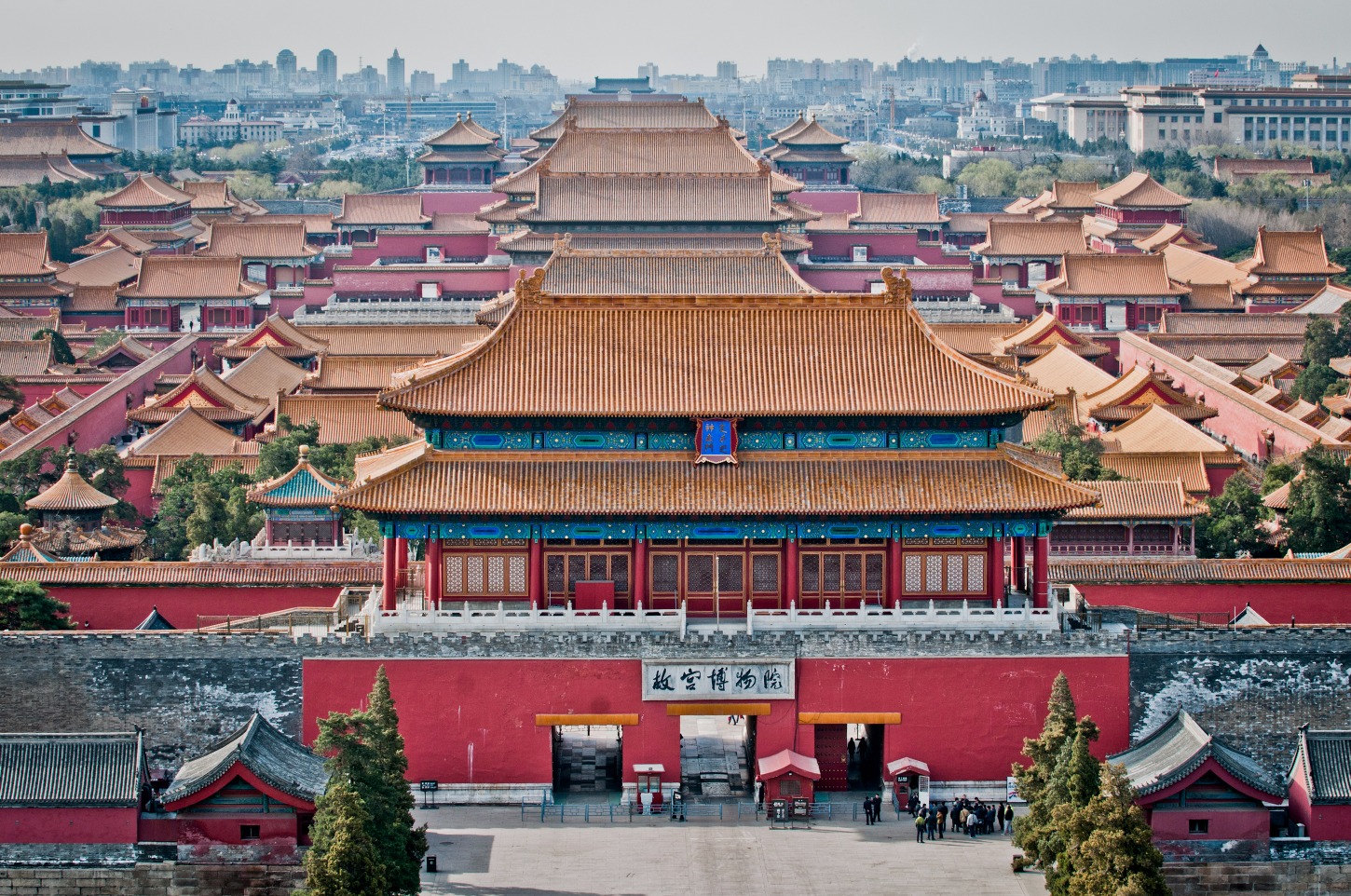
- The Forbidden City, immediately to the south-east
- Jingshan Park, a former imperial garden offering panoramic views of the Forbidden City
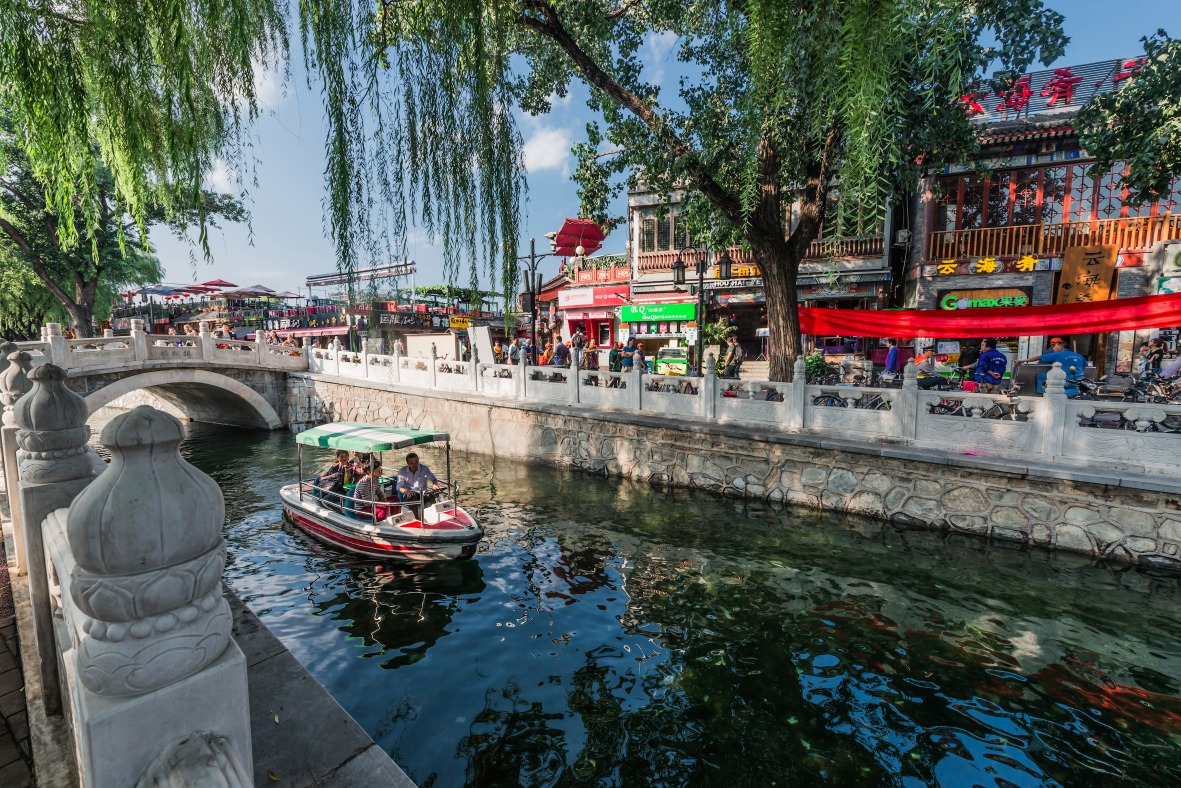
- The hutongs of Shichahai, around Houhai and Qianhai lakes, a natural extension of the park to the north
- The Drum Tower and the Bell Tower
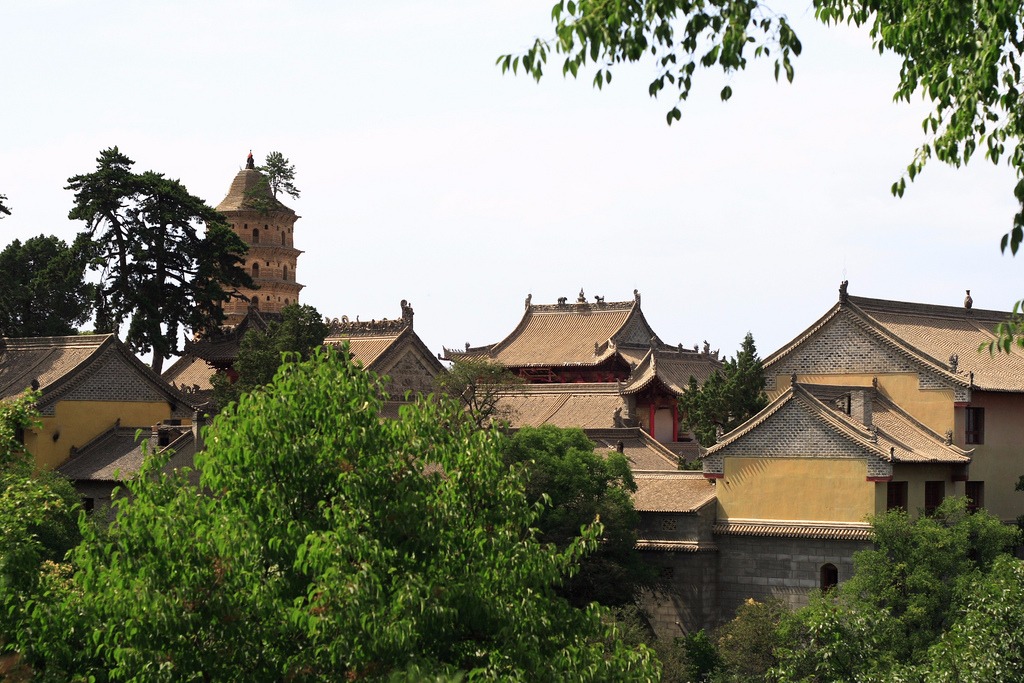
To extend your journey beyond the capital, you might compare these imperial gardens with other historic Chinese sites such as the Yungang Caves or Wudangzhao Lamasery.
Frequently asked questions
Frequently asked questions
Allow 2 to 3 hours for a walk around the lake, climbing to Qionghua Island and visiting the Nine Dragon Wall. A half-day is recommended if you wish to boat or take time to observe local life.
Yes. The two sites are adjacent and many visitors spend the morning at the Forbidden City, then move to Beihai, exiting via the North gate to finish the afternoon at a leisurely pace.
Yes. The paths are wide, boating appeals to children and the extended hours allow you to visit in late afternoon, away from the heat or bustle of the city centre.
Spring and autumn offer ideal conditions. Summer highlights the lotus flowers on the lake; winter sometimes opens the frozen lake for ice activities.
Park entry is separate from access to Qionghua Island and the round fortress, which require additional fees. A combined ticket allows you to visit everything.
Include Beihai in your trip
Beihai Park fits naturally into a stay in Beijing, as a complement to the Forbidden City and the hutongs quarter. To build a customized itinerary, explore our Chine travel suggestions.

Nearby

Interested in this visit?
We can include it in your personalised itinerary.