Hongkeng Tulou Cluster
Hongkeng Tulou Cluster
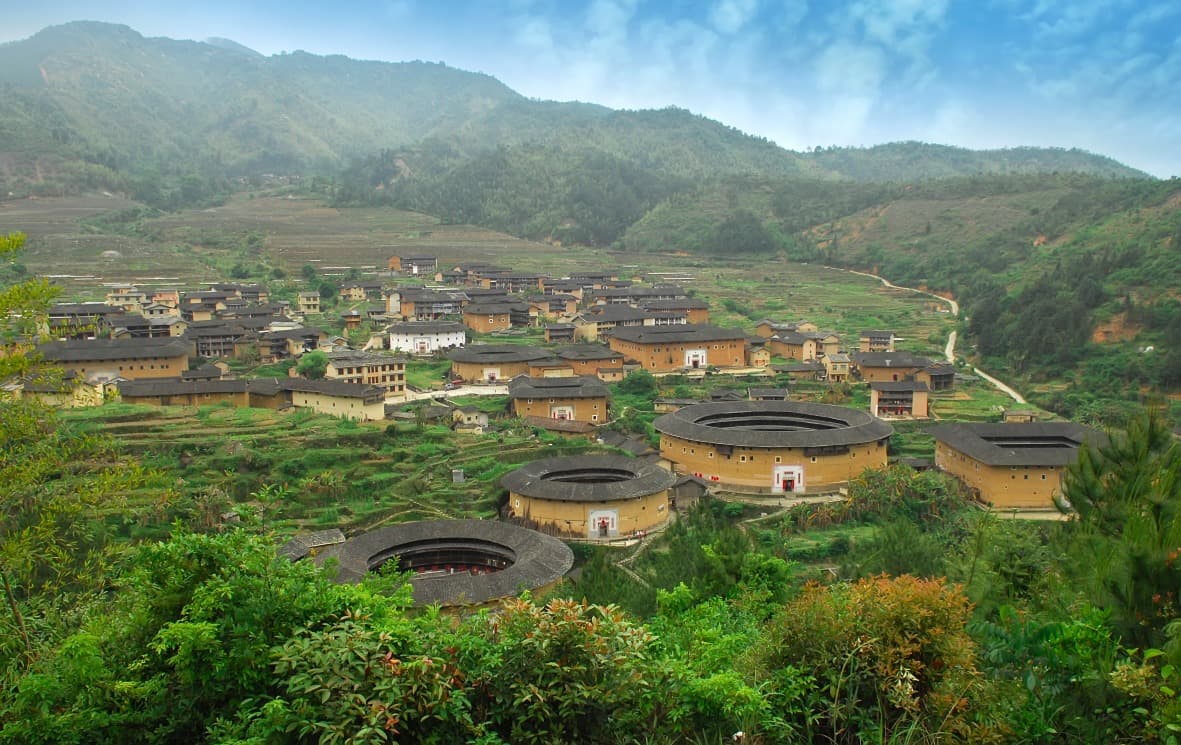
In Yongding, Fujian, the village of Hongkeng brings together around forty Hakka tulou buildings, UNESCO-listed since 2008. These circular rammed-earth fortresses, shared courtyards alive with activity, and residents still living on-site make this as much a living community as a historical monument.
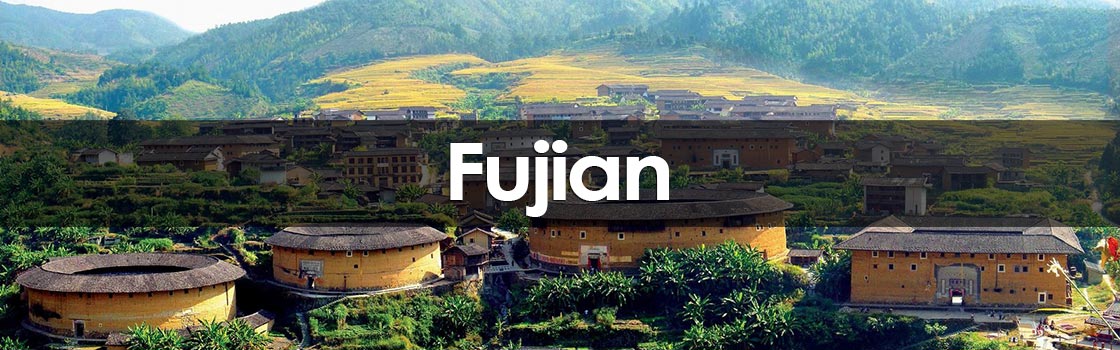
In the heart of Yongding District, within Fujian Province, the village of Hongkeng hosts one of the largest concentrations of tulou — those distinctive circular or rectangular fortresses of rammed earth built by the Hakka people. Inscribed as a UNESCO World Heritage Site since 2008, the cluster comprises around forty structures, many dating back several centuries. Here, Hakka communal life is still legible in stone and dried earth.
Essential Information at a Glance
- Admission: Paid entry (combined ticket for the Hongkeng cluster)
- Suggested duration: 2 to 3 hours to explore the main tulou
- Access: From Yongding or Longyan by bus or taxi; tourist shuttles serve the site
- Dress code: No particular restrictions
- Wheelchair accessibility: Limited — interior courtyards are often paved with high thresholds
What to See
Hongkeng displays tulou of varying forms and sizes. The Zhencheng Lou, nicknamed "the prince of tulou," is a circular double-ringed structure built in 1912, with an interior courtyard adorned with Art Deco details blended into traditional architecture. The Fuyu Lou, rectangular in form, illustrates another common typology. Each building housed or still houses dozens of families sharing kitchens, wells, and communal spaces.
History and Context
The Hakka, an ethnic group that migrated from northern Chine, began constructing these collective fortresses around the 12th century. The rammed earth, mixed with sand, lime, and sometimes sticky rice, forms walls that can reach several metres thick. The defensive design — few ground-floor openings, a single main gate — responded to raids and conflicts of the era. UNESCO inscribed 46 tulou in Fujian in 2008, including those at Hongkeng.
Highlights of Your Visit
Zhencheng Lou
The most visited building in the cluster. Its two concentric rings, wooden balconies, and central ancestral hall make it a particularly complete example. Residents still live here, giving the visit a vibrant, lived-in dimension.
Kuiju Lou
This ensemble of five interconnected tulou forms a rare complex. The arrangement in a "castle within a castle" illustrates how extended families organized collective space.
Daily Life
Tobacco drying, tofu-making, stalls of local products: Hongkeng remains an inhabited village. Observing residents going about their routines is as instructive as the buildings themselves.
Photography Tips
Morning light, before tour groups arrive, is ideal for capturing the ochre-toned earthen facades. From upper floors of the tulou open to visitors, looking down reveals the concentric geometry of the courtyards. Avoid using flash in ancestral halls out of respect for residents. The narrow lanes between buildings offer unexpected framings with grey-tiled roofs as backdrop.
Location and Access
Hongkeng lies in Yongding District, roughly an hour's drive from the city of Longyan, accessible by train from Xiamen or Fuzhou. Local buses and shared taxis connect Yongding to Hongkeng. The site is also included in organized tours departing from Xiamen. The tulou of Tianluokeng, another major cluster in Fujian, can be combined with Hongkeng over two days.
Nearby
- Tulou of Tianluokeng — the "five elements" cluster (four circular, one elliptical) is the most photographed in Fujian.
- Tulou of Hekeng — a more isolated cluster, less crowded, ideal for a quieter experience.
- Longyan — convenient departure city with rail connections to Xiamen and Fuzhou.
Frequently asked questions
Spring (March–May) and autumn (September–November) offer pleasant weather. Summer is hot and humid; winter remains mild in Fujian but can be misty, creating a particular atmosphere around the tulou.
Yes, several families offer guestrooms inside inhabited tulou. It's the best way to experience the atmosphere of the site outside regular tourist hours.
Allow 2 to 3 hours for the main tulou. Including a meal on-site and a village walk, a half-day is comfortable.
Yes. Tianluokeng and Hekeng are the closest. A two-day circuit from Longyan allows you to visit several clusters without rushing.
Photography is generally allowed in communal spaces and courtyards. In private apartments or ancestral halls, always ask residents before photographing.
Access is difficult: high thresholds, uneven paving, and narrow wooden stairs characterize most tulou. Interior courtyards are partially accessible, but upper floors generally are not.
Photos
Interested in this visit?
We can include it in your personalised itinerary.