Palcho Monastery
Palcho Monastery
In Gyantse, Palcho Monastery and its Kumbum stupa bring together 14th-century frescoes, a three-dimensional mandala, and 77 chapels beneath a golden dome.
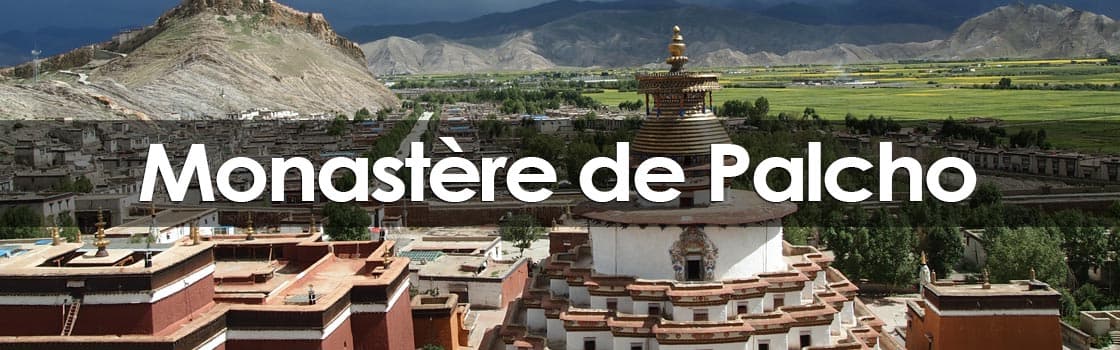
Palcho Monastery, also known as Pelkor Chode Monastery, stands northeast of Gyantse, in the Nyang Chu valley. About 100 km from Shigatse and 230 km from Lhassa, it ranks among the great monastic complexes of Tibet and houses the Kumbum, a stupa-mandala unique in its kind across the Himalayas.
Why visit Palcho Monastery
Palcho presents a rare characteristic in Tibet: for a long time, it brought together under one roof monks from three different Buddhist schools (Sakya, Kadam, and Gelug). This coexistence is still visible in the iconography of the chapels and the diversity of the frescoes.
The other reason to stop here lies in the Kumbum, a tiered stupa that can be traversed from within. Its successive chapels form an initiatory journey carved into the architecture, punctuated by 15th-century wall paintings considered among the best preserved in central Tibet.
History of the monastery
The monastery was founded in 1418 by Prince Rabten Kunsang of Gyantse, at a time when the city rivaled Lhassa and Shigatse in influence. The Kumbum, its emblematic stupa whose name means "the hundred thousand holy images," was erected in 1427, the year of the fire sheep according to the Tibetan calendar.
Palcho's history is marked by several destructive episodes. In 1904, during the Younghusband Expedition, British troops attacked Gyantse and damaged the monastery. Part of the buildings suffered again during the 1959 uprising against Chinese rule, then during the Cultural Revolution, a period when the site was pillaged and devastated. Restoration efforts in the following decades made it possible to rebuild some of the chapels and replace destroyed statues with clay replicas.
What to see on site
The main building
Organized over three floors, the main building houses a central chapel, an east chapel, a west chapel, and a convent. The main chapel is dominated by a bronze statue of Sakyamuni approximately 8 meters high, weighing nearly 14,000 kg.
The second floor gathers writings and representations dedicated to Manjusri Bodhisattva, White Tara, and the Arhats. The third floor is dedicated to Buddha Amitabha, accompanied by Dakinis and a collection of wall paintings.
The Kumbum stupa
Standing 35 meters tall, the Kumbum is the most impressive element of the complex and one of Tibet's most important stupas. Its structure is that of a three-dimensional mandala: nine visitor-accessible levels, which correspond to a symbolic progression toward enlightenment, and a golden dome at the summit containing 77 chapels.
Each chapel houses a statue of a deity from the Buddhist pantheon. The current statues, made of clay, replaced the originals destroyed during the Cultural Revolution. However, a large portion of the wall paintings, dating from the 14th century for the oldest, survived: nearly 10,000 are counted, blending Nepalese and Chinese influences.
Other remarkable features
- A three-dimensional mandala representing the Buddhist cosmos.
- A great hall with two thrones, one for the Dalai Lama, the other for the Sakya Lama.
- A chapel with an ornate wooden ceiling housing a statue of Sakyamuni.
- The Shalyektang chapel, located at the top of the monastery, where other mandalas are found.
Practical information
- Duration of visit: allow 1h30 to 2h30 to explore the monastery and the nine levels of the Kumbum.
- Fees: paid entry, with reduced rates in low season (November to April). A supplement is charged for photography inside the chapels.
- Dress code: shoulders and legs covered, remove hats inside chapels.
- Photography: permitted for a fee, but often prohibited in front of certain statues.
When to visit
Gyantse sits at approximately 4,000 meters altitude. The best period runs from May to October, when temperatures are milder and central Tibet roads are passable. June through September see the most visitors; May and October offer a balance between stable weather and reasonable crowds. In winter, the site remains accessible but temperatures drop sharply and some chapels can be freezing.
Plan a few days of acclimatization in Lhassa before heading to Gyantse to minimize altitude sickness effects.
How to get there
The monastery stands at the northern edge of old Gyantse, below the Dzong. From the center, it can be reached on foot in about ten minutes.
To reach Gyantse, two main options:
- From Shigatse (approximately 100 km): regular minibuses from the bus station, or private vehicle with driver.
- From Lhassa (approximately 230 km): the route passes over the Karo La pass and Yamdrok Lake, making it a journey in itself, typically organized over 1 to 2 days.
Reminder: visiting Tibet as a foreign traveler requires a specific permit (Tibet Travel Permit) and accompaniment by an authorized guide.
What to see nearby
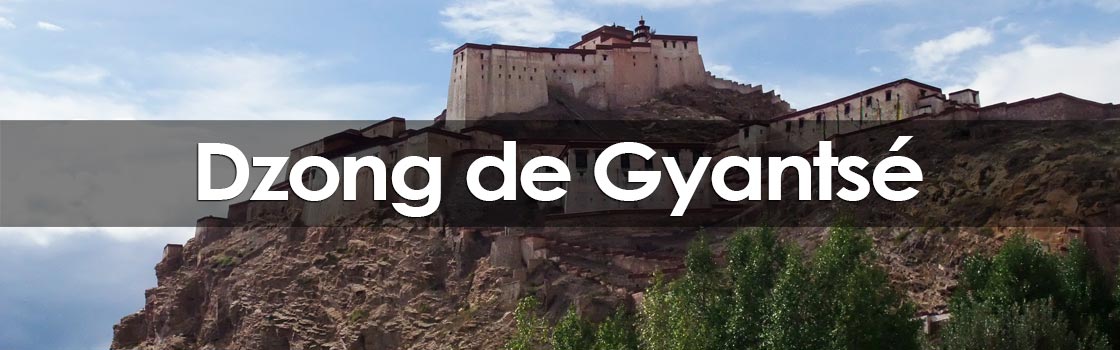
- Gyantse Dzong: the ancient fortress perched above the city, scene of the 1904 battles.
- Shigatse: Tibet's second city, home to Tashilhunpo Monastery, seat of the Panchen Lamas.
- Yamdrok Lake: on the route between Lhassa and Gyantse, one of Tibet's sacred lakes.
If you explore other Buddhist sites across Chine, the Great Wild Goose Pagoda in Xi'an and the Bezeklik Thousand Buddha Caves in Xinjiang provide useful complements.
Frequently asked questions
Allow between 1h30 and 2h30 to explore the main building and nine levels of the Kumbum without rushing.
Photography inside the chapels is generally permitted for a fee, but may be prohibited in front of certain statues. Check at the entrance of each chapel.
The Kumbum is the great stupa-mandala located within the Palcho Monastery grounds. The two buildings form a single complex, but the Kumbum is a distinct structure from the main monastery.
Yes. All foreign travelers must have the Tibet Travel Permit and be accompanied by an authorized guide to travel in Tibet, including to visit Gyantse and Palcho.
Gyantse sits at approximately 4,000 m. A prior acclimatization period of 2 to 3 days in Lhassa (3,650 m) is recommended before ascending, and physical exertion should be limited on the first day.
Including Palcho in your journey
Palcho Monastery fits naturally into an itinerary connecting Lhassa, Gyantse, and Shigatse, along the "Friendship Highway." To build a custom trip to Tibet and Chine, consult our circuits in Chine and connect with our destination specialists.
Interested in this visit?
We can include it in your personalised itinerary.