Pudong District
Pudong District
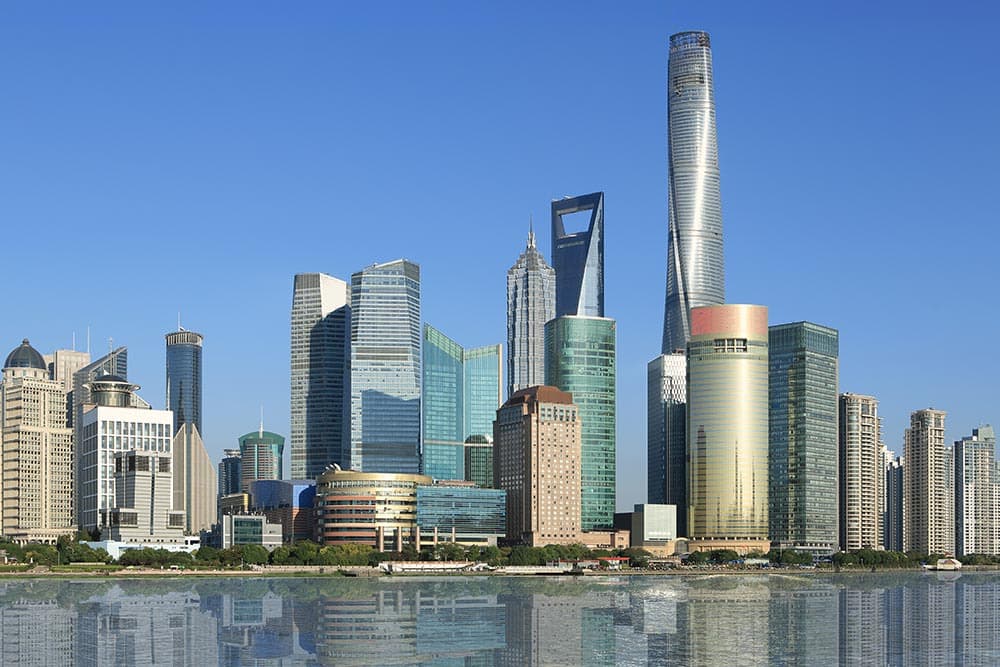
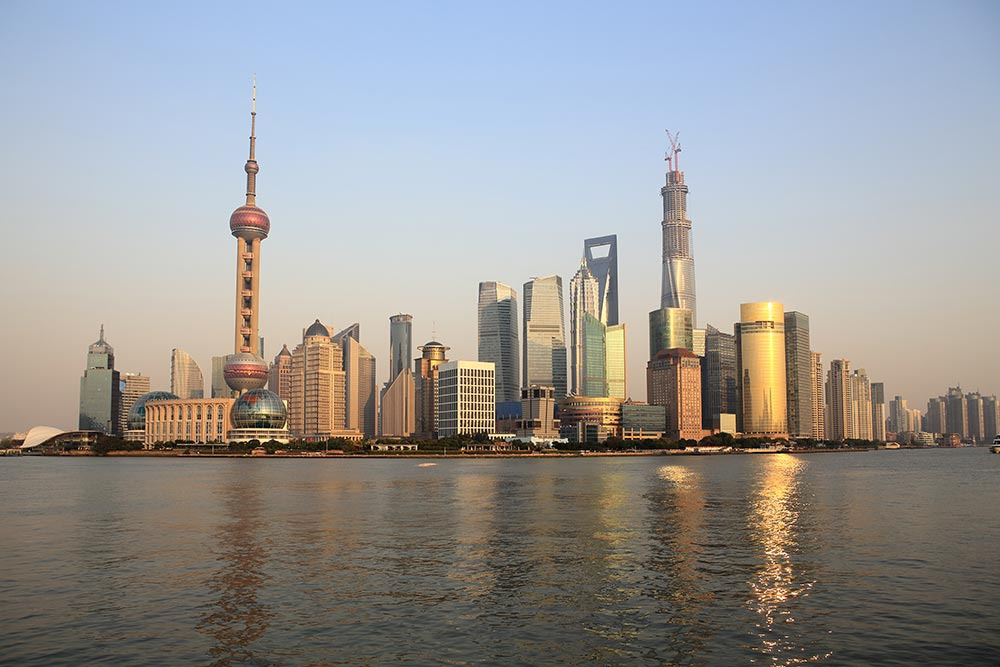
Shanghai's financial district on the east bank of the Huangpu River, Pudong brings together the Oriental Pearl Tower, Jinmao Tower and China's most iconic skyline.
The Pudong district occupies the eastern bank of the Huangpu River, facing the Bund. In three decades, this Shanghai district has transformed from marshy agricultural land into one of Asia's major financial hubs. Its skyline, dominated by the Oriental Pearl Tower and the Shanghai World Financial Center, embodies the contemporary face of China's metropolis.
Why Visit Pudong
Pudong concentrates the most spectacular vertical architecture on mainland China. A stroll along Lujiazui, facing the Bund, offers in a single perspective the contrast between 19th-century colonial Shanghai and the 21st-century financial megacity. The district also hosts cultural facilities (aquarium, science museums) and expansive green spaces such as Century Park, which balance the tower-filled environment.
The appeal goes beyond a simple skyline photograph: it's a vantage point for observing post-1990 Chinese urbanism, from international bank headquarters to the circular pedestrian bridges connecting skyscrapers.
From Rice Fields to Financial Center
Before 1990, Pudong was a marshy zone dedicated to agriculture, supplying Shanghai's residents from across the Huangpu River. The area had few infrastructure and remained largely separate from urban development concentrated on Puxi.
The transformation began in the early 1990s when the Chinese government designated Pudong as a special economic zone to drive Shanghai's modernization. Within years, bridges, tunnels, metro lines and towers emerged from the ground. The district now spans 523 km² and is home to around 5 million people, structured into four economic zones:
- Lujiazui: finance and commerce hub, where iconic skyscrapers cluster
- Jinqiao: export processing zone
- Waigaoqiao: free trade port zone
- Zhangjiang: high-tech park
What to See in Pudong
The Oriental Pearl Tower
A television tower standing 468 meters high, completed in 1994, the Oriental Pearl remains one of Shanghai's visual symbols with its stacked pink spheres. Observation decks offer panoramic views over the Huangpu and Puxi, and the base houses an urban history museum.
Jinmao Tower and Shanghai World Financial Center
Jinmao Tower (420 m), inspired by Chinese pagodas, and the Shanghai World Financial Center, recognizable by its rectangular top opening, are among the district's most photographed skyscrapers. Both have public observation platforms.
Shanghai Grand Aquarium
The Shanghai Grand Aquarium, located near the Oriental Pearl Tower, features Asian and marine ecosystems, with an extensive underwater tunnel. A family-friendly visit, plan for 2 to 3 hours.
Century Park
Century Park, a vast green space of over 140 hectares east of Lujiazui, offers lakes, cycling paths and themed gardens. A refreshing break during a half-day visit.
Practical Information
- Visit duration: allow half a day for Lujiazui, a full day if you ascend a tower and visit the aquarium
- Fees: free access to the district; paid entry for observation decks and aquarium (moderate to high fees depending on the tower)
- Tip: combine a daytime visit for architecture and an evening return for illuminations
- Accessibility: circular pedestrian bridges connecting the main towers, practical in all weather
When to Visit
The district is worth visiting year-round. The most pleasant periods are spring (April-May) and autumn (September-November), when Shanghai's humid summer heat and winter haze give way to clearer skies — a key factor for photography from observation decks.
The nighttime view, when tower facades light up, is a highlight of the visit. Plan to arrive an hour before sunset to enjoy the day-to-night transition from Lujiazui's promenade or from the Bund on the opposite bank.
How to Get There
- Metro: Line 2, Lujiazui station at the heart of the financial district, immediately near the Oriental Pearl Tower; Century Avenue station (Lines 2, 4 and 9) for eastern Pudong
- Ferry: crossing from the Bund to Yan'an Donglu for a few yuan, a picturesque option worth taking at least one way
- Taxi: convenient in the evening, but frequent congestion at rush hours on the Huangpu bridges and tunnels
Nearby
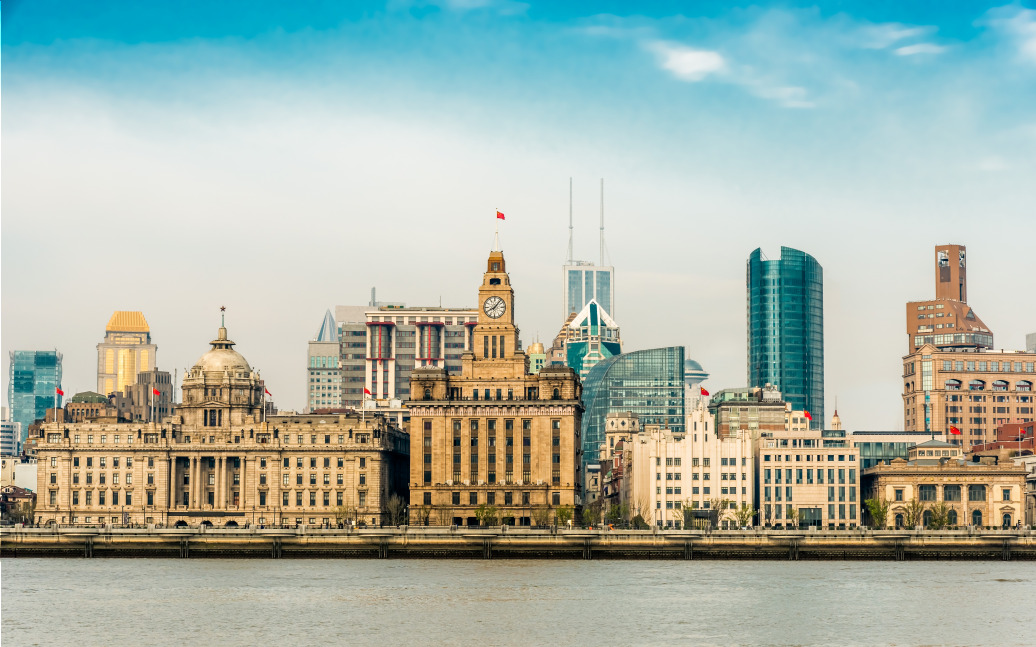
On the opposite bank of the Huangpu, the Bund offers an inverted perspective of Pudong's skyline and an architectural walk through colonial buildings. The French Concession and Old City quarters complement a Shanghai visit. To extend your China journey, check our Shanghai guide and other attractions such as the Great Wall at Juyongguan or the Great Pagoda of the Wild Goose in Xi'an.
Frequently Asked Questions
Frequently asked questions
Half a day is enough to walk through Lujiazui and admire the skyline. Allow a full day if you ascend an observation tower and visit the aquarium or Century Park.
Ideally both. Daytime allows you to appreciate the architecture and panoramic views; nighttime highlights the tower illuminations, particularly spectacular from the Bund.
The Oriental Pearl Tower for its history and silhouette, Jinmao Tower for its interior atrium, Shanghai World Financial Center for the glass skybridge at the top, and Shanghai Tower for the highest platform. Choice depends on your budget and weather.
The ferry from Yan'an Donglu reaches the Bund for a few yuan. Metro Line 2 (Lujiazui station toward Nanjing East Road) is equally fast. The tourist tunnel under the Huangpu is a more quirky option.
Yes. The Shanghai Grand Aquarium, Century Park and observation decks appeal to children. Pedestrian bridges make getting around easy without crossing traffic.
Plan Your Trip
Pudong fits naturally into a Shanghai stay, an urban stopover on a China circuit. To build an itinerary combining the metropolis, historic sites and Chinese landscapes, explore our customized China travel options.
Nearby
Interested in this visit?
We can include it in your personalised itinerary.