Sera Monastery
Sera Monastery
Founded in 1419, Sera Monastery is one of the three great Gelugpa monasteries of Lhasa. It is celebrated for its daily philosophical debates, ornate chapels and its circumambulation circuit.
At the foot of the hills north of Lhasa, Sera Monastery is one of Tibet's three great Gelugpa monasteries, alongside Ganden and Drepung. Founded in the fifteenth century, it still houses hundreds of monks today. Its reputation stems as much from its daily monastic debates—a vibrant and unique spectacle—as from its collections of thangkas and sacred statues.
Practical information at a glance
- Entrance : ticketed (admission required; verify rates on site or with your agency)
- Recommended duration : 2 to 3 hours, longer if you attend the debates
- Monastic debates : typically held in the afternoon on weekdays—check on site for exact times
- Dress code : shoulders and knees covered; respectful conduct required
- Access : a few kilometres north of central Lhasa, accessible by taxi or electric tuk-tuk
- Permit : the Tibet Autonomous Region Permit (TAR) is mandatory for all foreign visitors
What to see
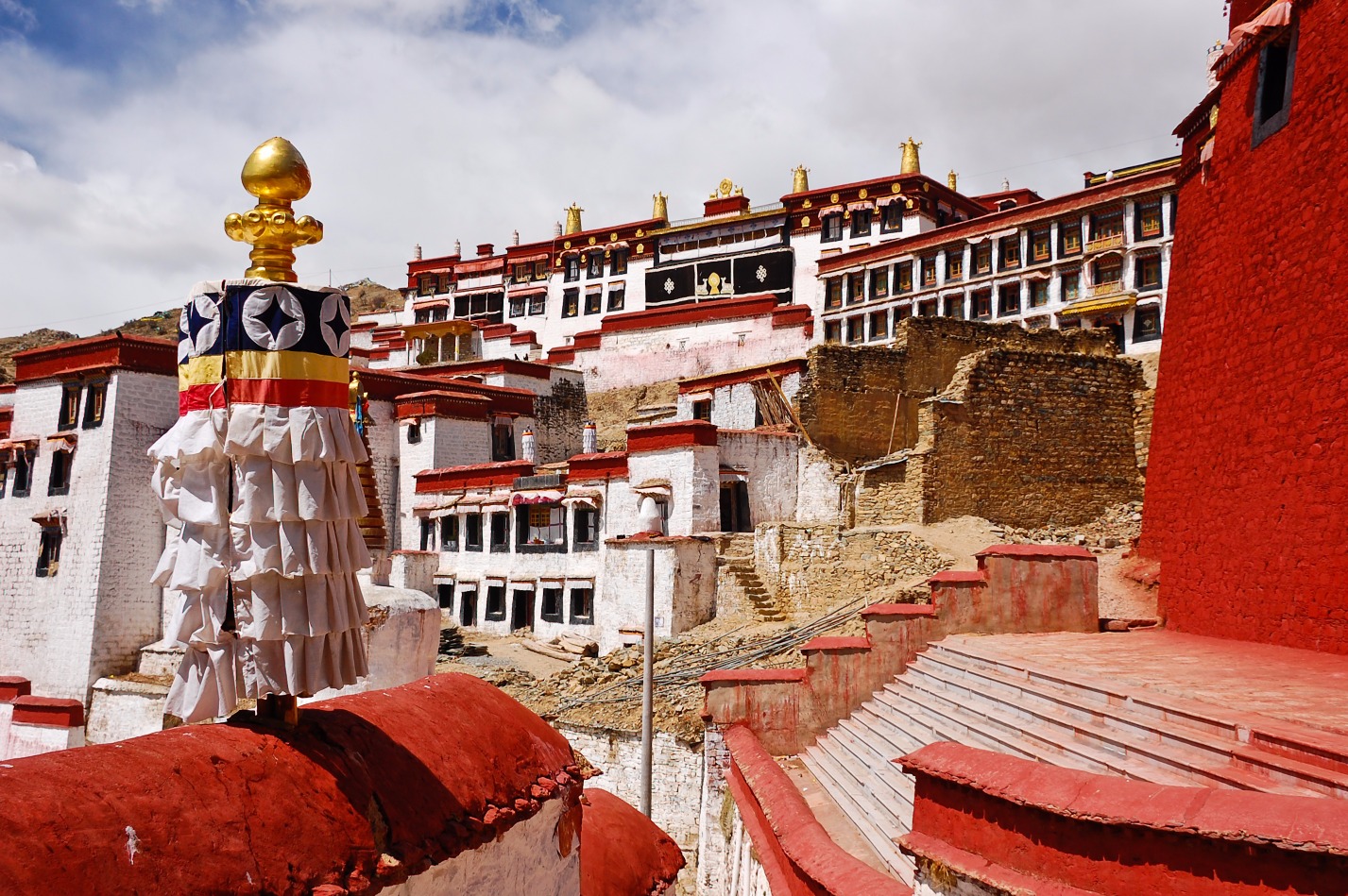
The complex comprises several colleges (dratsang) with gilt roofs, paved courtyards and chapels adorned with frescoes. The main buildings—Tsokchen, Ngagpa and Hamdong—house impressive statues of Buddha Maitreya and Tsongkhapa. The interior walls are covered with vibrant murals, preserved despite the centuries.
History and context
Sera was founded in 1419 by Jamchen Chojey, a disciple of Tsongkhapa, founder of the Gelugpa school. At its height, the monastery housed several thousand monks. Damaged during the Cultural Revolution, it was partially restored from the 1980s onwards. It remains an active centre of Buddhist learning.
Highlights of your visit
The monastic debates
Each weekday afternoon, monks gather in the shaded courtyard of Sera Jé to debate Buddhist philosophical texts. The exchanges are lively: hand-clapping, codified postures, sharp question-and-answer exchanges. Visitors may observe from the courtyard's periphery without disrupting the proceedings.
The Tsokchen chapel
The main assembly hall houses a large statue of Shakyamuni and rows of ancient thangkas. The atmosphere is reverent, illuminated by yak butter lamps. This is one of the best-preserved spaces on the site.
The kora circuit
A circumambulation path (kora) encircles the monastery. Tibetan pilgrims traverse it while turning the prayer wheels fixed to the walls. This circuit also offers views of the surrounding rocky hills and Lhasa below.
Etiquette and visiting guidelines
- Circulate clockwise around the buildings and stupas (Buddhist convention).
- Remove your shoes before entering chapels.
- Do not photograph monks during debates without discretion; some chapels prohibit photography—respect the signage.
- Speak softly in worship spaces.
- Do not touch statues or ritual objects.
Photography tips
Morning light is gentle on white façades and gilt roofs. Afternoon debates offer dynamic scenes, but avoid using flash. The courtyard of Sera Jé, with its trees and burgundy robes, provides striking compositions. Check restrictions at the entrance of each chapel.
Location and access
Sera is located north of Lhasa, a few kilometres from the Barkhor and the Potala Palace. Taxis and electric tuk-tuks serve the site from downtown. No permit beyond the TAR is required for Sera, unlike some more remote sites. Wheelchair access is limited due to paved surfaces and stairs.
Nearby attractions
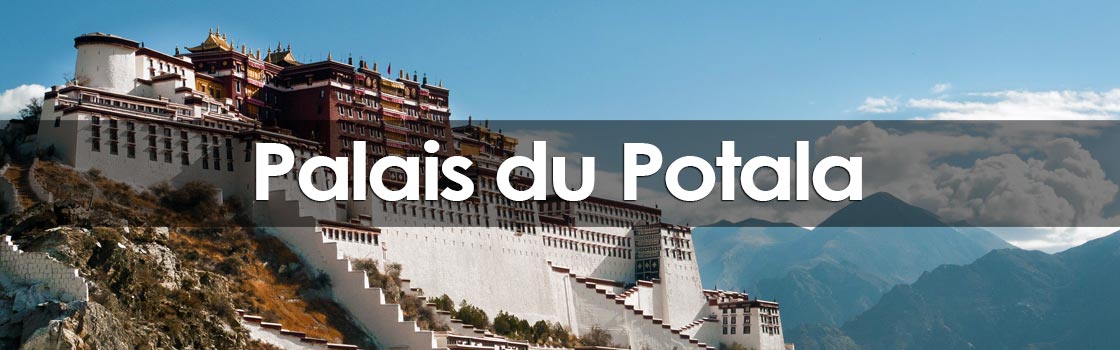
- Potala Palace—former residence of the Dalai Lamas, architectural symbol of Lhasa.
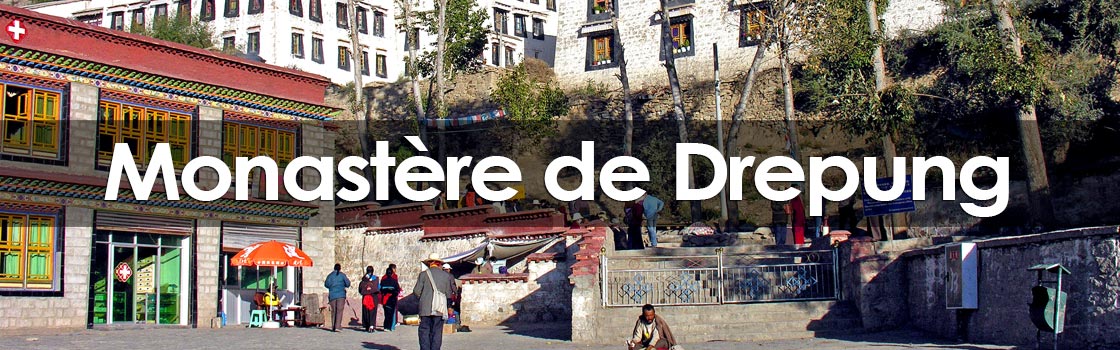
- Drepung Monastery—another great Gelugpa monastery, west of Lhasa.
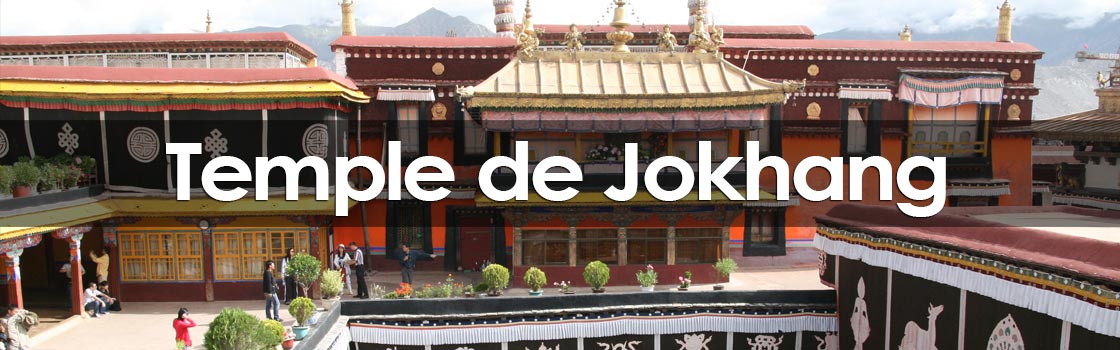
- Jokhang Temple—spiritual heart of Lhasa, at the centre of the Barkhor.
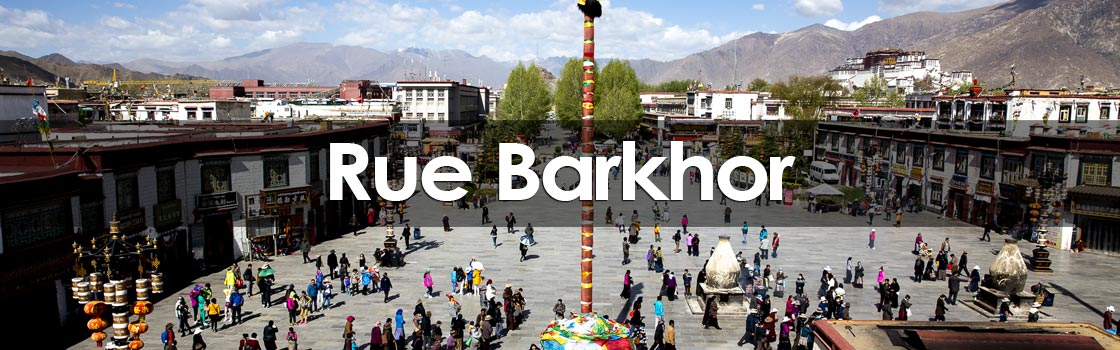
- Barkhor—pilgrimage circuit and traditional market around Jokhang.
Frequently asked questions
Debates are generally held in the afternoon on weekdays in the Sera Jé courtyard. They do not take place on Buddhist holidays. Confirm the exact schedule with your guide or at the monastery entrance.
The Tibet Autonomous Region Permit (TAR) is mandatory for all foreign visitors entering Tibet. Sera requires no additional permit beyond the TAR and standard entry ticket.
Yes. Sera is best visited in the morning, followed by Jokhang and the Barkhor in the afternoon. Drepung, to the west, is further afield and merits a separate half-day.
Some chapels prohibit it or charge a fee. Signs indicate this at the entrance. In the debate courtyard, photography is tolerated discreetly, without flash.
Shoulders and knees must be covered. Bring shoes that are easy to remove for entering chapels. At this altitude, an extra layer is useful in the morning.
Budget 2 to 3 hours for the main chapels and kora. If attending the debates, plan for a full half-day.
Nearby
Interested in this visit?
We can include it in your personalised itinerary.