Sichuan Opera
Sichuan Opera
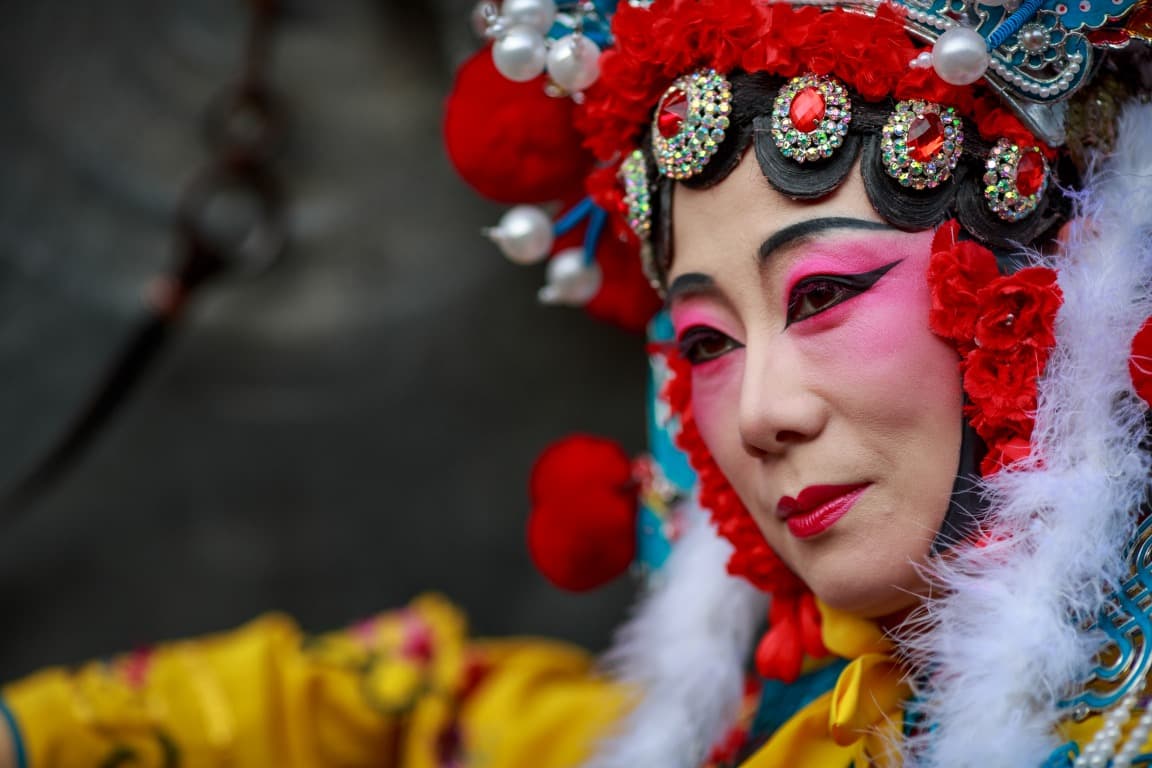
Sichuan Opera, famous for the Bian Lian technique (face-changing), comes alive during an evening in Chengdu, blending acrobatics, singing and masks.
Sichuan Opera, a regional performance art also known as Bian Lian ("face-changing"), ranks among the major schools of Chinese opera alongside Peking Opera. In Chengdu, capital of Sichuan, several theaters and performance venues offer shows that combine acrobatics, singing, puppetry, fire performances and the spectacular face-changing technique.
Why attend Sichuan Opera
The appeal of this theatrical form lies in its diversity: a single show often chains together multiple disciplines (solo singing, dance, acrobatics, puppet manipulation, comic scenes) before the signature Bian Lian act. It's an accessible gateway to Sichuan's popular culture, with few language barriers since the visual dimension takes precedence over sung text.
For a traveler passing through Chengdu, an evening at the opera complements a visit to panda sanctuaries and teahouses well: it's a short, lively format that extends your day without requiring much effort.
History of Bian Lian and Sichuan Opera
Sichuan Opera was born in the late Ming Dynasty and early Qing Dynasty, formed from several popular theatrical traditions of the region. Its modern structuring is generally associated with the reign of Emperor Qianlong of the Qing Dynasty (1736-1795).
The Bian Lian technique, which literally translates to "face-changing," originally relied on powder-based makeup that actors subtly altered during performance. From 1920 onward, performers began using masks made of multiple layers of paper (later silk), successively removed to reveal a different face. This technique remains a professional secret transmitted solely from actor to actor within teaching lineages.
What to expect during the show
A typical Sichuan Opera evening consists of several short scenes rather than a single work. You will generally see:
- Bian Lian (face-changing): the central act. Performers can wear up to ten masks and change faces every ten seconds or so, with a simple gesture of the hand, head or sleeve. The most accomplished artists manipulate up to 24 masks and chain ten changes in under twenty seconds.
- Acrobatics and fire performances: physical demonstrations, fire-eating, balancing acts.
- Singing and folk music: solos accompanied by traditional Sichuan instruments.
- String puppetry: manipulated in full view, sometimes mixed with live actors.
- Comic scenes and dances evoking figures from the Three Kingdoms period, when Chengdu served as the capital as the heart of the Shu kingdom.
Behind the scenes
At several venues, you can arrive early to watch performers prepare in their dressing rooms. Each actor handles their own makeup without outside professional help: a performance in itself that sheds light on the technical work behind every role.
Practical information
- Where to see the show: Jinli Street regularly features open-air performances in dedicated spaces. The Shu Feng Ya Yun teahouse, on Qintai Street (cultural park), programs shows nightly in a traditional setting.
- Duration: allow approximately 1.5 to 2 hours for a full evening.
- Hours: performances typically start in the early evening. Check the exact time with the venue or your accommodation on the day itself.
- Prices: modest entry fees with several seating categories. Front-row seats, though pricier, offer better views of the mask work.
- Booking: recommended during peak season (spring, autumn, Chinese holidays), especially for Shu Feng Ya Yun. Your hotel can usually arrange this.
- Etiquette: casual dress is fine; flash photography is tolerated in most venues. Tea and light snacks are often served during the performance.
Nearby attractions
An evening at the opera fits naturally into a stay in Chengdu and throughout Sichuan more broadly. To further your discovery of China's cultural and natural heritage, several sites are worth a visit:
- The Big Wild Goose Pagoda, a major Buddhist monument in Xi'an.
- The Bezeklik Thousand Buddhas Caves, rock art from the Silk Road.
- The Longgong Cave, a remarkable underground network.
- The Hexigten Geopark, volcanic landscapes and lakes in Inner Mongolia.
Frequently asked questions
Frequently asked questions
Plan your trip
An evening at Sichuan Opera fits naturally into a cultural itinerary in Chengdu and throughout Sichuan. To craft your custom journey, explore our travel in Chine.
Nearby
Interested in this visit?
We can include it in your personalised itinerary.