Jade Buddha Temple
Jade Buddha Temple
The Jade Buddha Temple, located in Shanghai's Putuo district, houses two statues carved from white Burmese jade. An active Chan Buddhist temple since 1928, it blends traditional architecture and monastic life in the heart of the metropolis.
The Jade Buddha Temple stands in the Putuo neighborhood, northwest of Shanghai. Founded in the late 19th century, it houses two Buddha statues carved from white Burmese jade, brought back by a monk in 1882. It is one of the few active Buddhist temples in the city, frequented by both devotees and visitors alike. Its Song-style architecture contrasts sharply with the modern buildings surrounding it.
Quick reference
- Admission: Paid entry (reduced rates for children and seniors)
- Access: Metro Line 7, Changshou Road station, then a short walk
- Dress code: Respectful attire required; shoulders and knees should be covered
- Suggested duration: 1 to 2 hours
- Peak times: Very crowded during Buddhist holidays and Chinese New Year
What to see
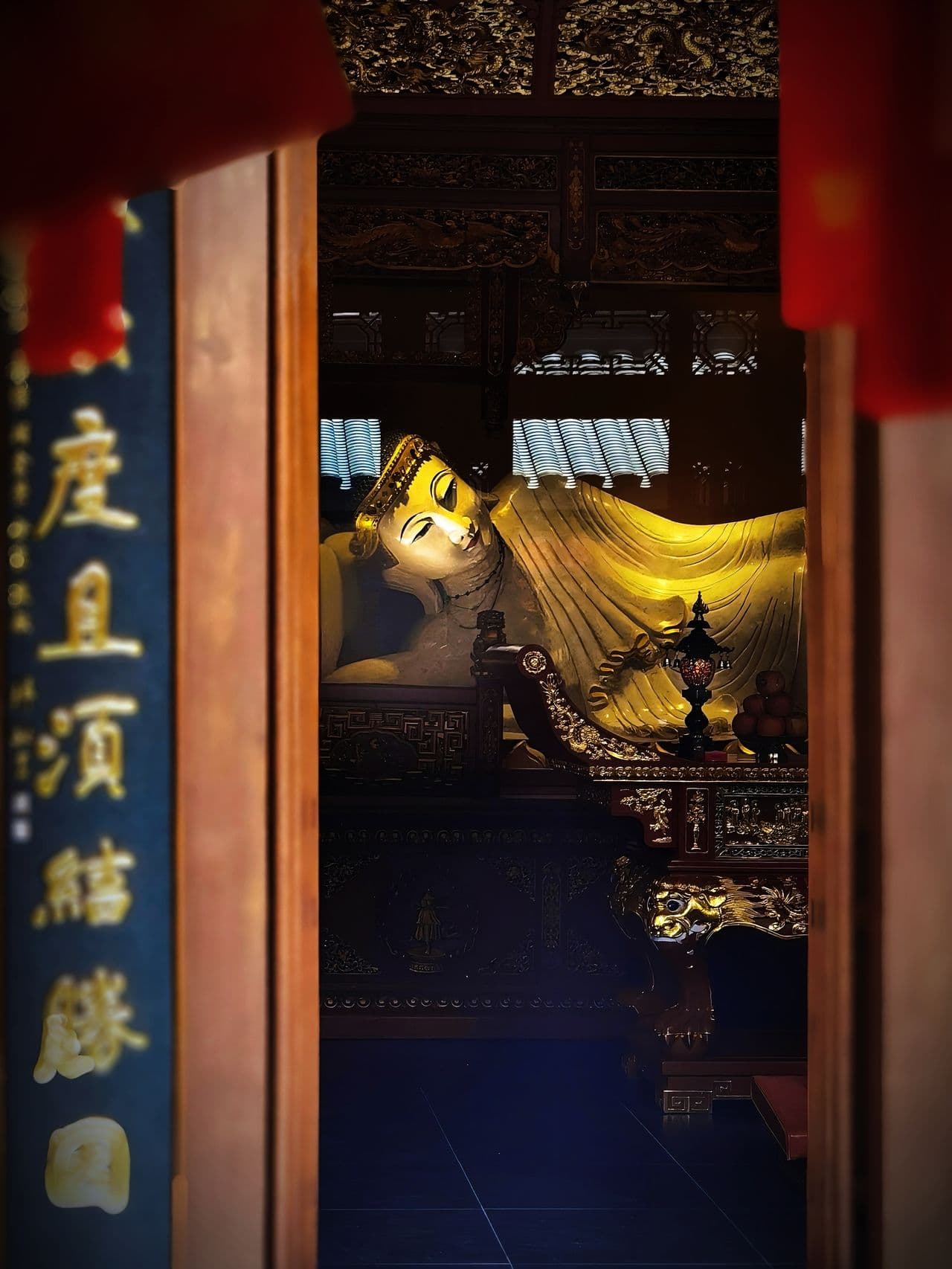
The temple is organized around several successive halls. The Hall of Heavenly Kings welcomes a large statue of Maitreya. The Hall of the Great Hero houses three golden Buddhas flanked by eighteen carved arhats. On the top floor of the main building rests the white jade reclining Buddha statue, representing Buddha entering nirvana. The seated statue, smaller but adorned with precious stones, is preserved in a separate chamber.
History and context
Monk Huigen brought two jade statues from Burma in 1882 following a pilgrimage. An initial temple was built to house them, then relocated to its current site in 1928. Damaged during the Cultural Revolution, the temple was restored in the 1980s and returned to worship. It belongs to the Chan (Zen) Buddhist tradition, still practiced by the resident monastic community.
Highlights of the visit
The seated Buddha statue
Standing approximately 1.95 meters tall, carved from a single block of white jade with green veining, it is inlaid with rubies and other precious stones. The fineness of Burmese craftsmanship is visible in the details of the face and drapery. Access is by staircase; photography is prohibited here.
The reclining Buddha
This statue represents Shakyamuni at the moment of parinirvana. Nearly 1 meter long, it rests on a carved wooden base. Less known to hurried visitors, it deserves particular attention for the serenity of its expression.
The atmosphere of ceremonies
The monks celebrate daily services. Arriving early in the morning allows you to witness the chanting and incense rituals in a meditative atmosphere, before the rush of tour groups.
Etiquette and visiting rules
- Speak softly in the prayer halls.
- Do not photograph the statues in the seated Buddha chamber.
- Do not turn your back to altars to take selfies.
- Allow worshippers in prayer to pass first before altars.
- Do not touch the statues or offerings.
Photography tips
Natural light works best mid-morning in the main courtyard. The wisps of incense smoke rising from the central burner offer striking compositions. Photography is permitted in the courtyards and most halls, but forbidden in the seated Buddha chamber. A standard or slightly wide-angle lens works well with the hall architecture.
Location and access
The temple is located in Putuo district, west of Shanghai's historic center. Changshou Road station (Line 7) is the nearest metro stop. The neighborhood is residential and peaceful. The temple is within reasonable distance of the Bund and the Old City district, both accessible by metro. Wheelchair access is limited due to steps between halls.
Nearby attractions
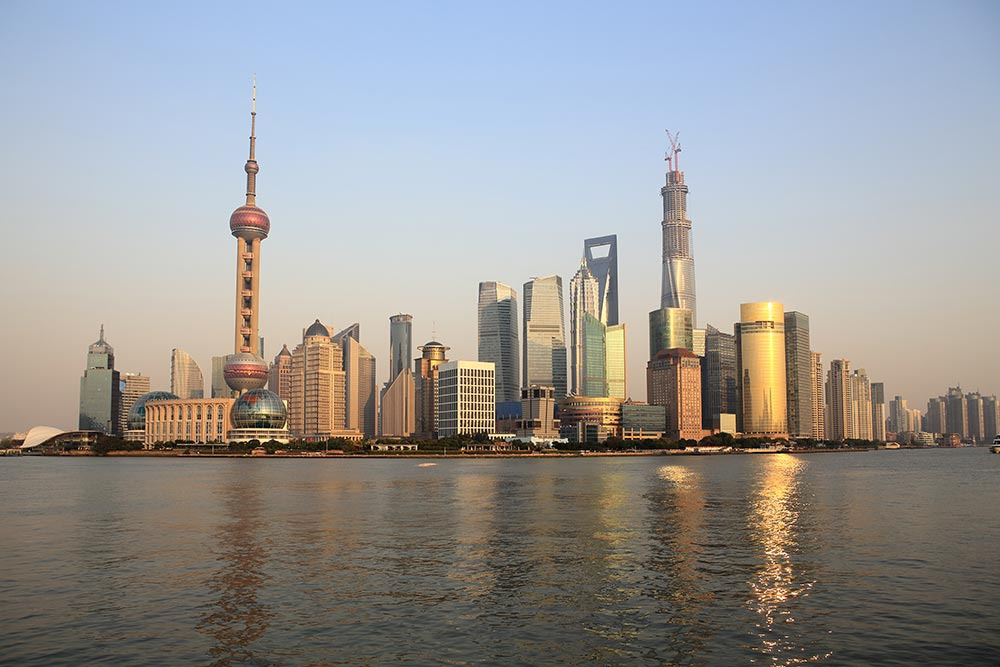
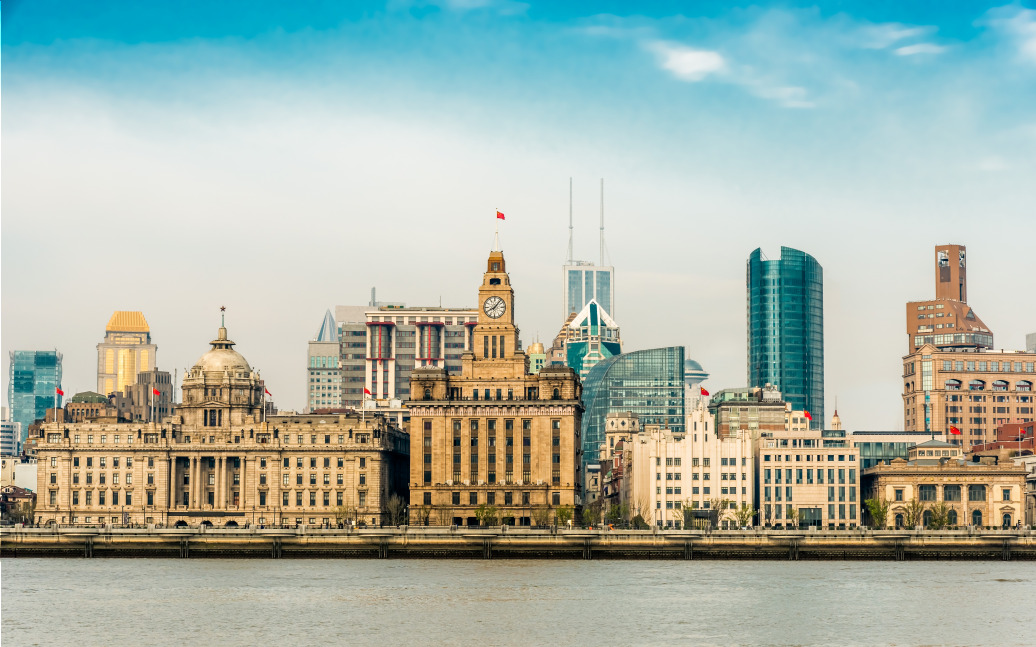
- The Bund — The emblematic waterfront promenade along the Huangpu with colonial facades facing Pudong's towers.
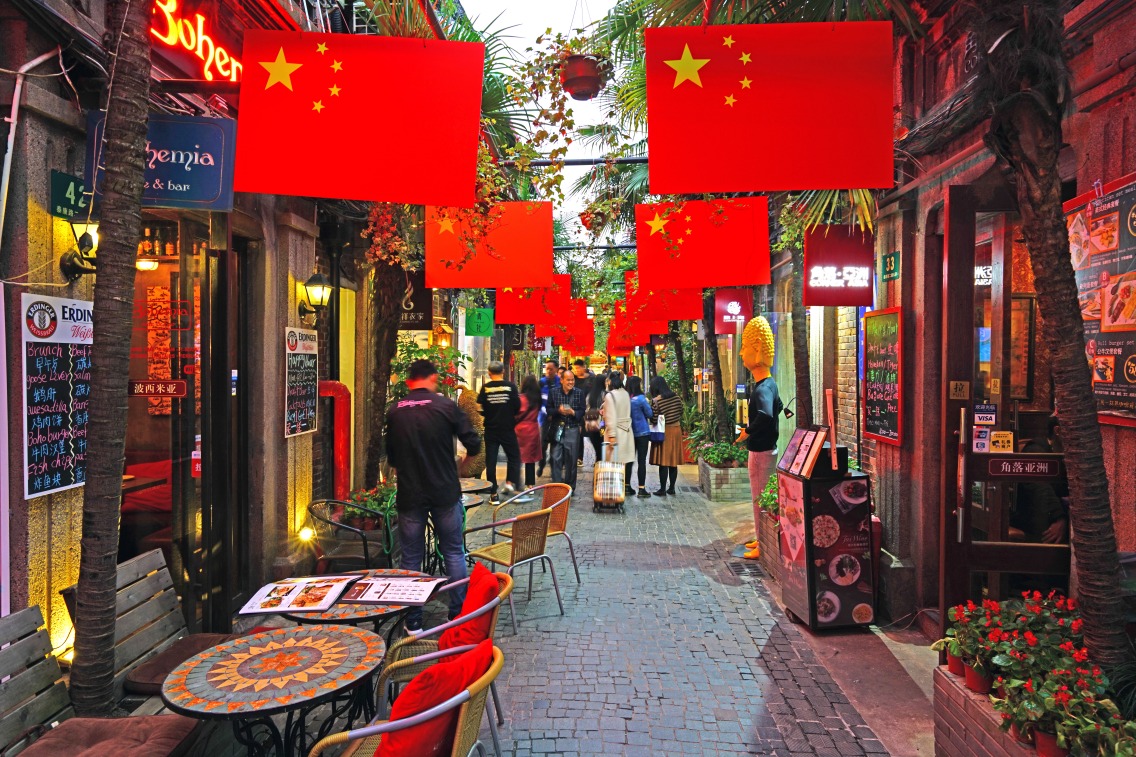
- Old City (Nanshi) — Shopping alleys and traditional gardens surrounding Yu Garden.
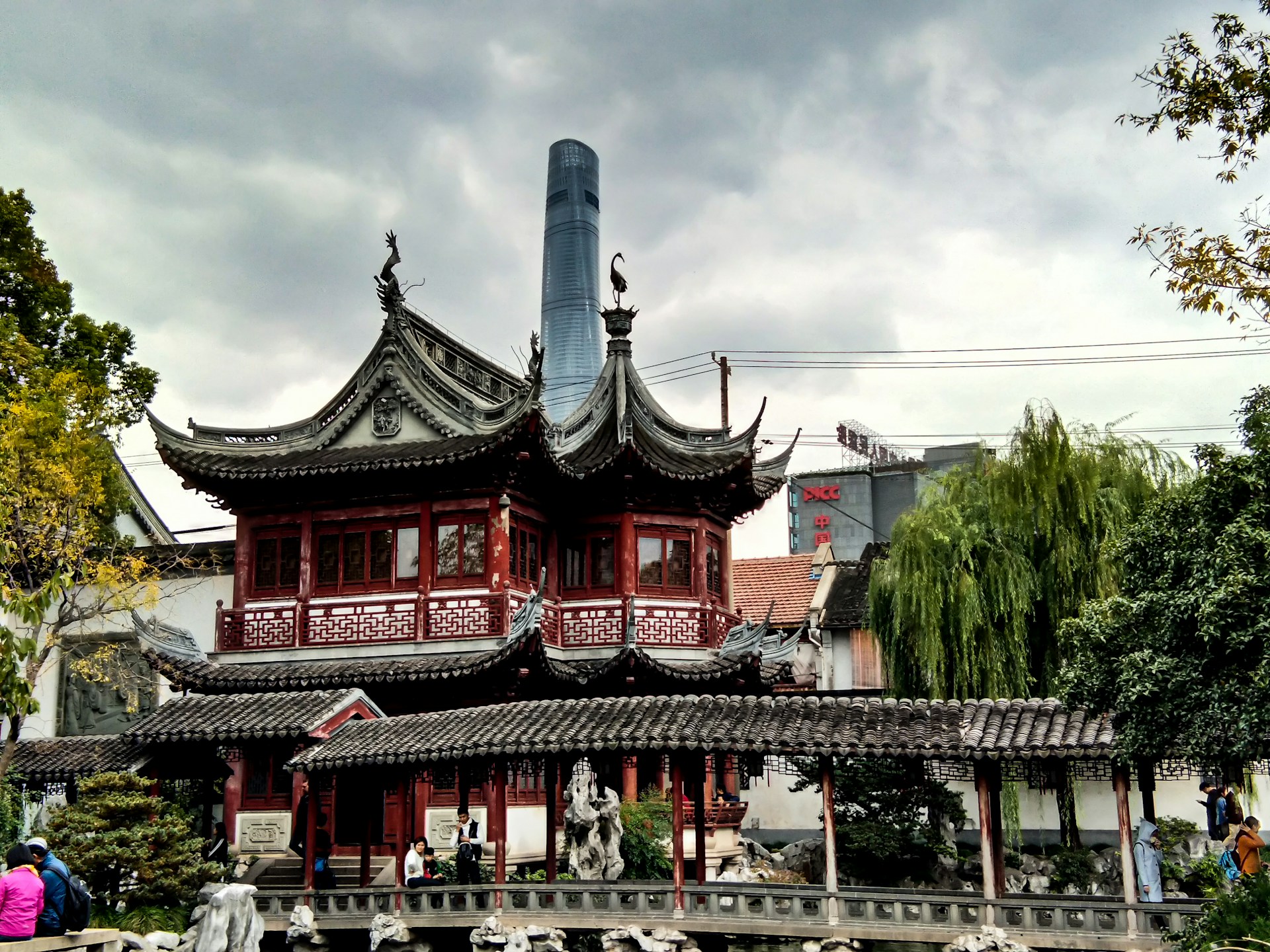
- Yu Garden — Classical garden from the Ming period, one of Shanghai's best-preserved.
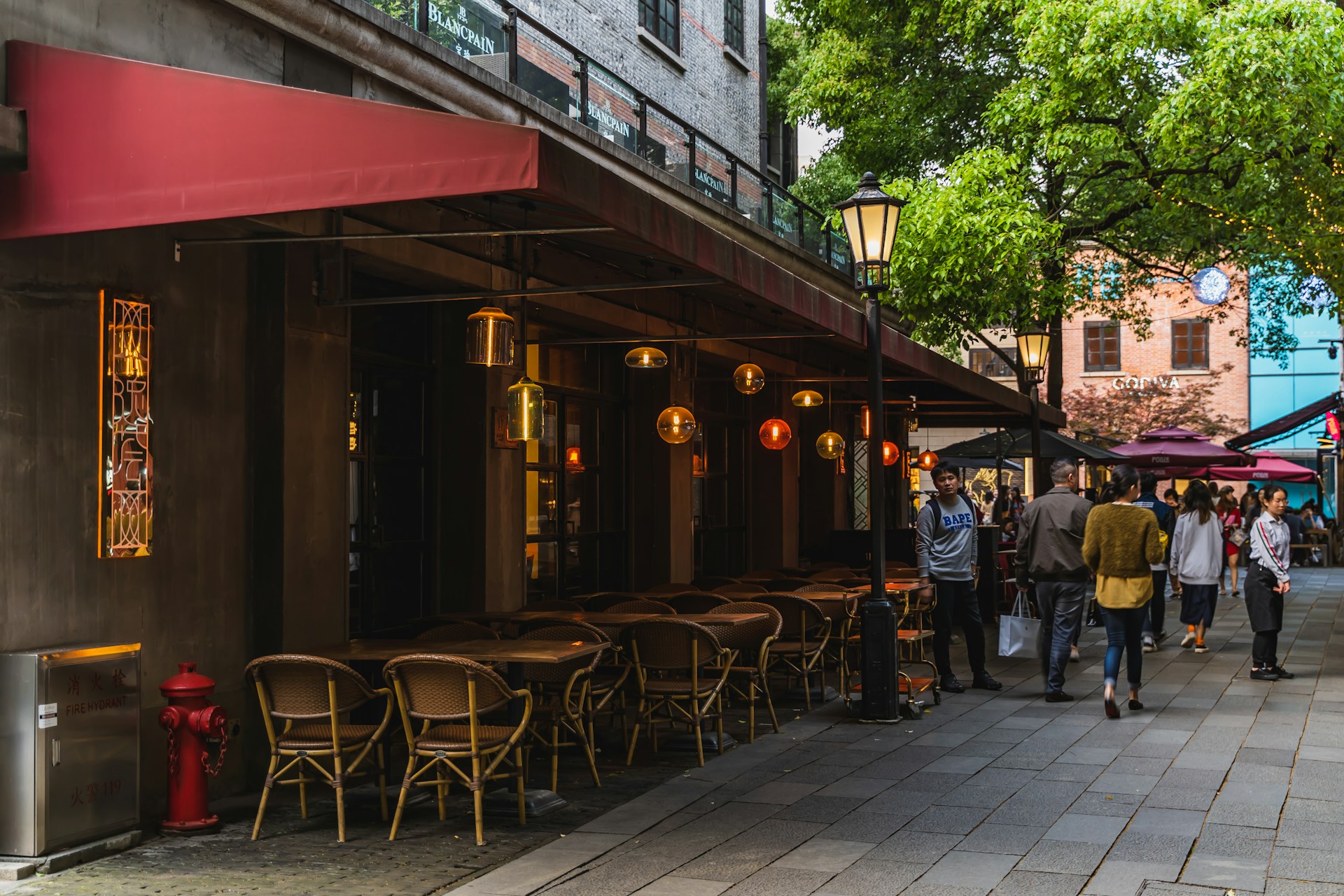
- French Concession — Tree-lined avenues, Art Deco architecture, and cafés in a charming neighborhood.
Frequently asked questions
The temple is open year-round. Avoid Chinese New Year and major Buddhist festivals if you wish to avoid crowds. Weekday mornings are the quietest.
Photography is forbidden in the seated Buddha chamber. It is however permitted in the outdoor courtyards and most other halls.
Respectful attire is expected. It is advised to cover shoulders and knees out of respect for this active place of worship.
Plan between one and two hours to explore all the halls at your own pace, including time in the main courtyard.
Yes, Changshou Road station on Shanghai's Metro Line 7 is the nearest stop. The journey from downtown is quick.
The temple pairs well with a day exploring central Shanghai. The Bund, the French Concession, and Yu Garden are all accessible by metro from Changshou Road.
Nearby
Interested in this visit?
We can include it in your personalised itinerary.