Confucius Temple
Confucius Temple
China's second-largest Confucian temple, Beijing's Confucius Temple preserves imperial stelae, Ming-Qing pavilions and a thousand-year-old cypress.
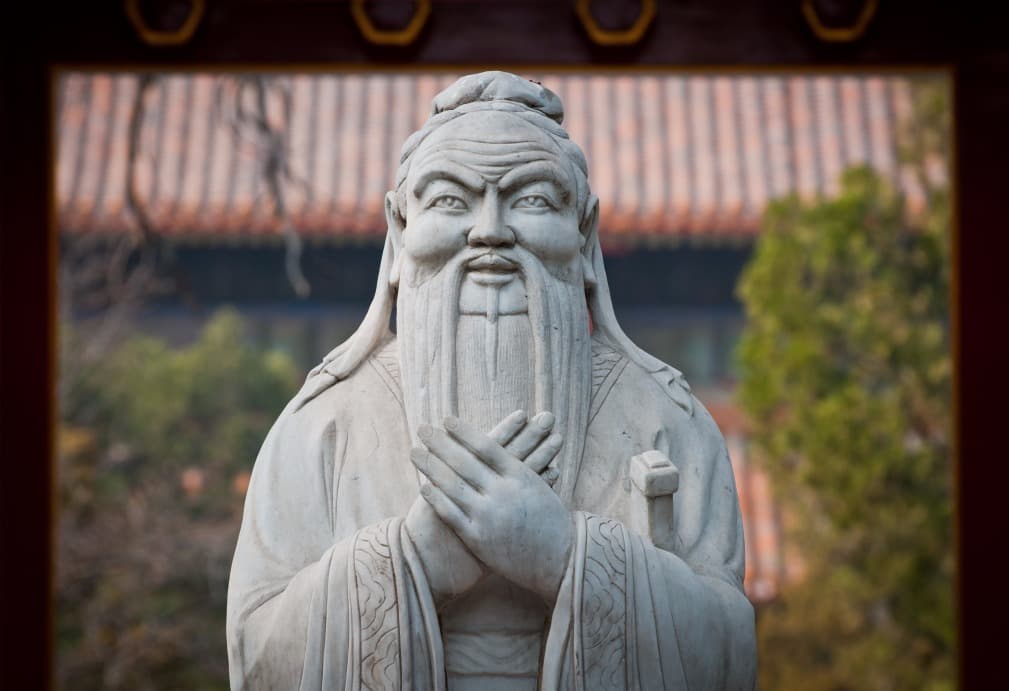
The Confucius Temple in Beijing is located on Guozijian Street in the Andingmen district, northeast of the historic centre. Dedicated to the philosopher and educator Kongzi (551–479 BCE), it ranks as Chine's second-largest Confucian sanctuary after that of Qufu, the sage's birthplace. Its 20,000 m² of buildings set within two hectares preserves a cohesive architectural ensemble, imperial examination stelae and a thousand-year-old cypress, bearing witness to more than six centuries of official veneration.
Why Visit the Confucius Temple
The site offers a tangible understanding of the role Confucianism played in structuring the Chinese imperial state. Three elements make it a worthwhile stop during a Beijing visit:
- A well-preserved monumental ensemble, ranked among the most representative examples of ritual architecture from the Yuan, Ming and Qing dynasties.
- A unique collection of stelae inscribed with the names of imperial examination graduates, a first-rate historical record of Chinese meritocracy.
- A strategic location, adjacent to the Imperial Academy (Guozijian) and within walking distance of the Yonghe Lama Temple, allowing you to combine two or three major visits in the same district.
Visitor numbers remain moderate compared to the major sites of the imperial city, making it an ideal setting for a contemplative visit.
History
The temple was founded during the reign of Emperor Chengzong (Temür Khan) of the Yuan dynasty, in the early 14th century (around 1302). It quickly became the official venue where the emperor, high officials and scholars paid homage to Confucius, regarded as the founding master of Chinese civilisation.
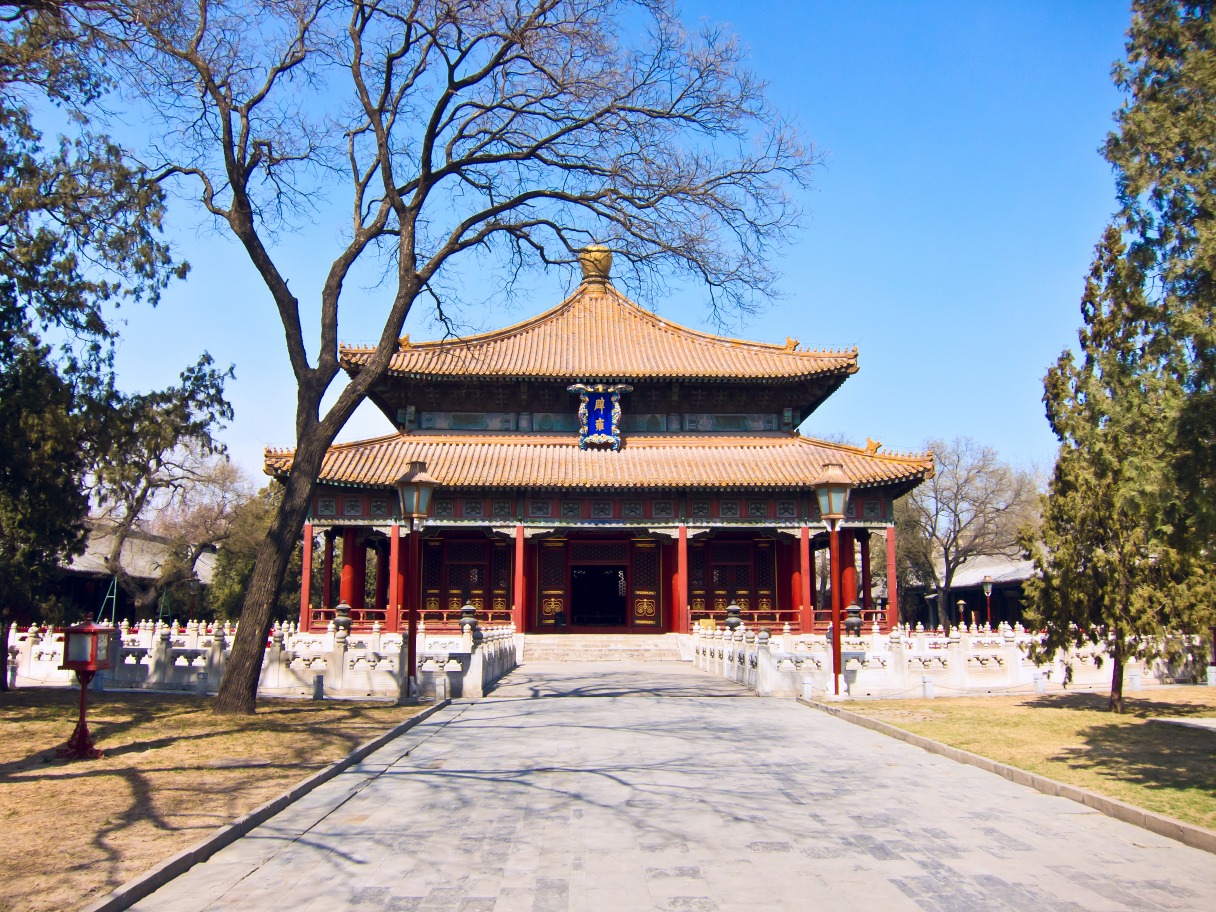
Under the Ming and Qing dynasties, the complex was renovated and enlarged several times. The Dacheng Pavilion and the Chongshang Temple, among the major buildings visible today, date from this period. The tradition of veneration ceremonies continued unbroken until 1911, marking the end of imperial rule and the fall of the Qing dynasty.
Between 1981 and 2005, the site housed part of the Beijing Capital Museum's collections before they were transferred to a dedicated building. The temple then returned to its heritage mission.
What to See
The Layout of the Courtyards
The temple is organised around four main courtyards aligned along a north-south axis, characteristic of Chinese ritual architecture. The standard tour route successively leads to the Xianshi Gate, then the Dacheng Gate, the Dacheng Hall (the ceremonial heart of the complex) and finally the Chongshengci courtyard, dedicated to Confucius's ancestors.
The Imperial Examination Stelae
The site's most distinctive feature remains the collection of stone tablets engraved with the names of imperial examination graduates. These stelae span several centuries and constitute a valuable historical source on the meritocratic system that structured Chinese administration until the early 20th century.
Stone Drum and Instruments
The temple houses a stone drum dating from the reign of Emperor Qianlong (18th century), as well as a collection of traditional Chinese musical instruments used during rituals. Paintings and wall sculptures, preserved in several pavilions, illustrate the importance accorded to the master in official culture.
The "Chu Jian Bai" Cypress
In one of the courtyards stands a centuries-old cypress nicknamed Chu Jian Bai ("the cypress that denounced the traitor"). Local legend has it that a branch of the tree once knocked off the hat of a corrupt high-ranking official from the Ming period, thereby exposing his dishonesty.
The Imperial Academy (Guozijian)
Adjacent to the temple and accessible with the same ticket, the Imperial Academy was the empire's institution of higher learning, where the ceremony of student presentation took place. Now transformed into a library, it logically complements the temple visit.
Practical Information
- Address: Guozijian Street, Andingmen district, Dongcheng District, Beijing.
- Duration of visit: allow 1 to 2 hours to tour the temple and the Imperial Academy.
- Admission: moderate entry fee, combined ticket including the Imperial Academy.
- Hours: open year-round, generally from morning to late afternoon, with slightly extended hours in warm seasons. Check the day's hours before your visit.
When to Visit
Beijing has a continental climate. The best times to visit the temple are:
- Spring (April–May): mild temperatures, flowers blooming in the courtyards.
- Autumn (September–October): often clear skies, ideal light for photographing the pavilions.
Summer (July–August) is hot and humid; winter (December–February) is dry and cold but less crowded. Since the temple offers limited covered spaces between pavilions, plan appropriate clothing for seasonal extremes.
How to Get There
By Metro
Yonghegong Station, served by lines 2 and 5, is the nearest stop. Take exit C or D and walk approximately 600 metres south to Guozijian Street.
By Bus
Several lines serve the district:
- Buses 104 and 108, Fangjia Hutong stop.
- Buses 13, 116 and 807, Guozijian stop.
Nearby Attractions
The Andingmen district concentrates several complementary sites:
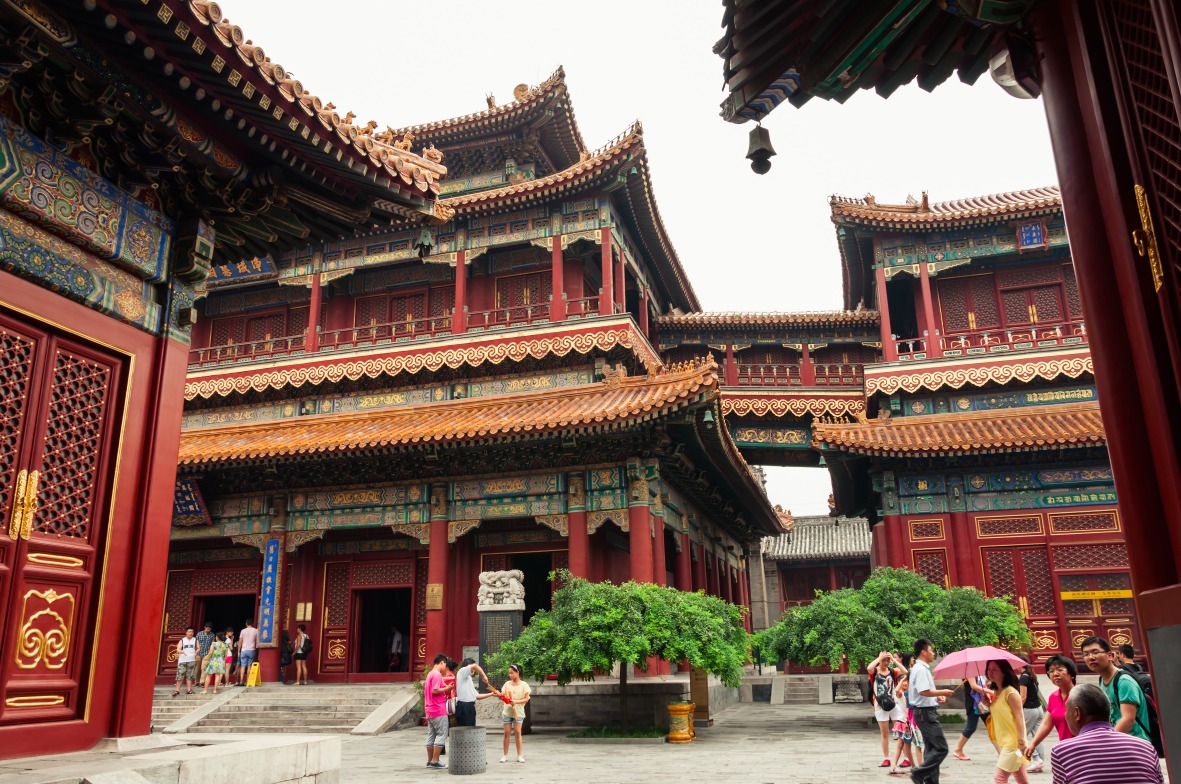
- Yonghe Lama Temple: a 10-minute walk away, one of Beijing's principal Tibetan Buddhist sanctuaries.
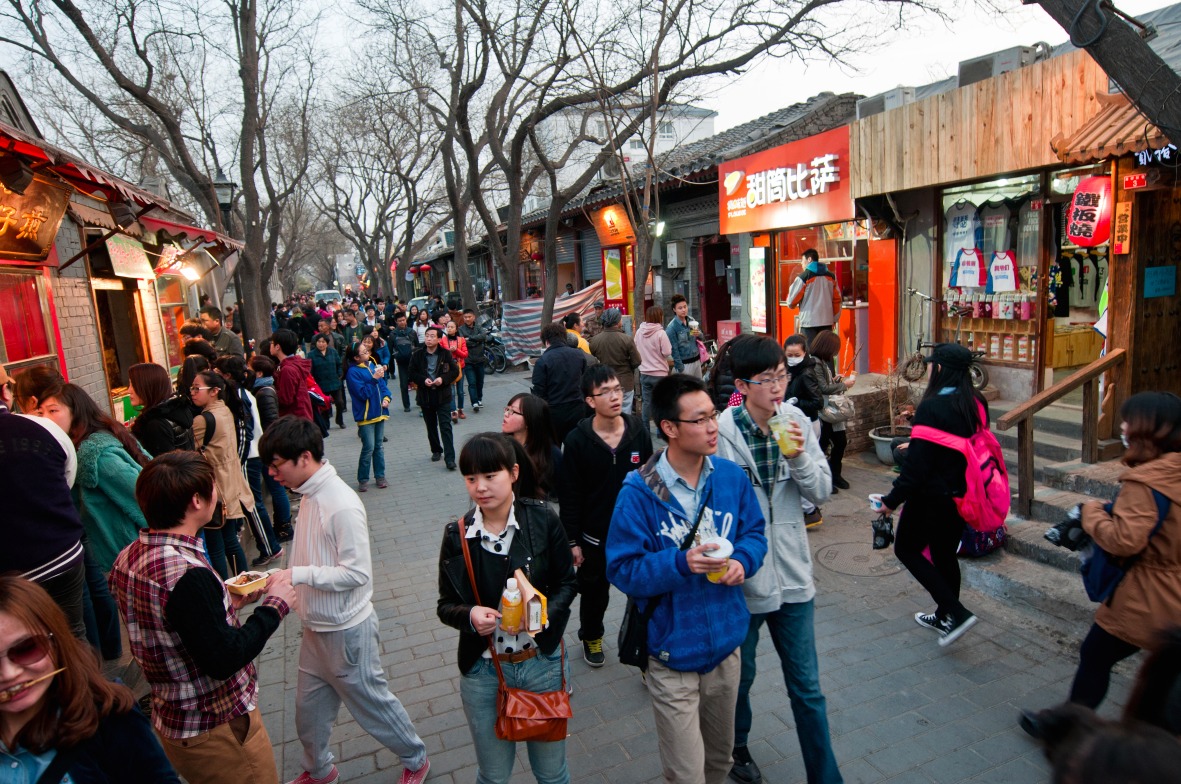
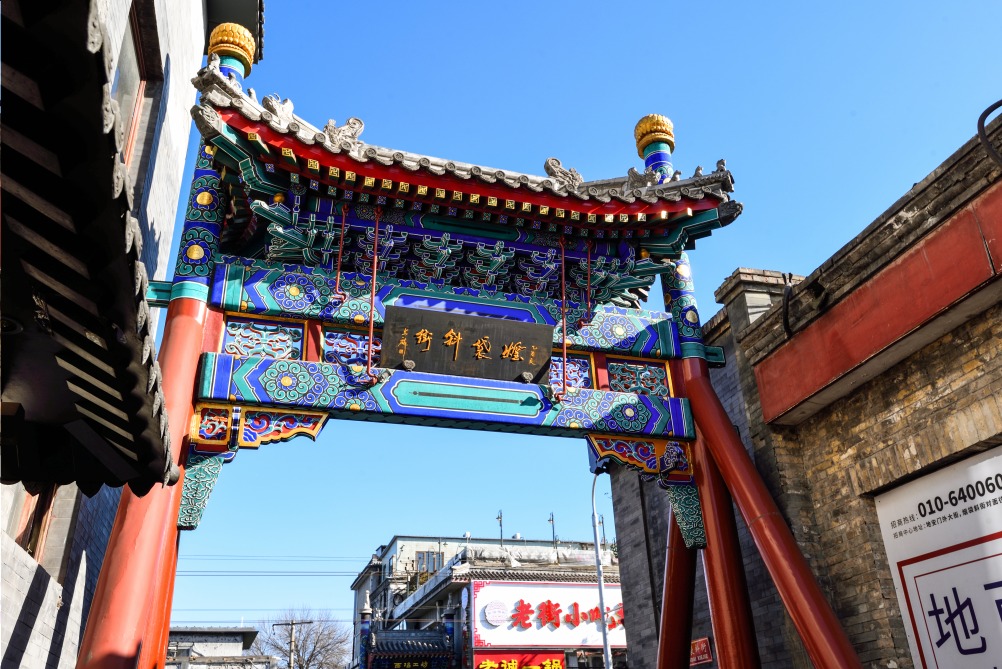
- Surrounding hutongs: the traditional lanes around Guozijian Street are among the best-preserved in the city.
- Beijing offers many other major sites, including the Great Wall at Juyongguan, approximately an hour from the centre.
Frequently Asked Questions
Frequently asked questions
One to two hours suffice to tour the Confucius Temple and the adjacent Imperial Academy, taking time to read the explanations at the imperial examination stelae.
Yes, the entrance ticket provides access to both neighbouring sites, making the visit both historically and practically logical.
Absolutely. The two temples are about a 10-minute walk apart and served by the same metro station (Yonghegong). Half a day allows you to visit both comfortably.
Yes. The complex is flat, courtyards are spacious and visitor numbers are moderate. Children typically enjoy the "Chu Jian Bai" cypress and its legend.
The Qufu temple, in Shandong Province, is the founding sanctuary, located at Confucius's birthplace, and the largest. Beijing's temple, the second-largest, was the official place of worship of the imperial court.
Plan Your Trip
The Confucius Temple naturally fits into a cultural itinerary in Beijing, between the Forbidden City, the hutongs and the sanctuaries of the city's northeast. To build a coherent visit combining imperial heritage and major sites across Chine, explore our tailor-made trips to Chine.
Nearby
Interested in this visit?
We can include it in your personalised itinerary.