The Astana Tombs of Gaochang
The Astana Tombs of Gaochang
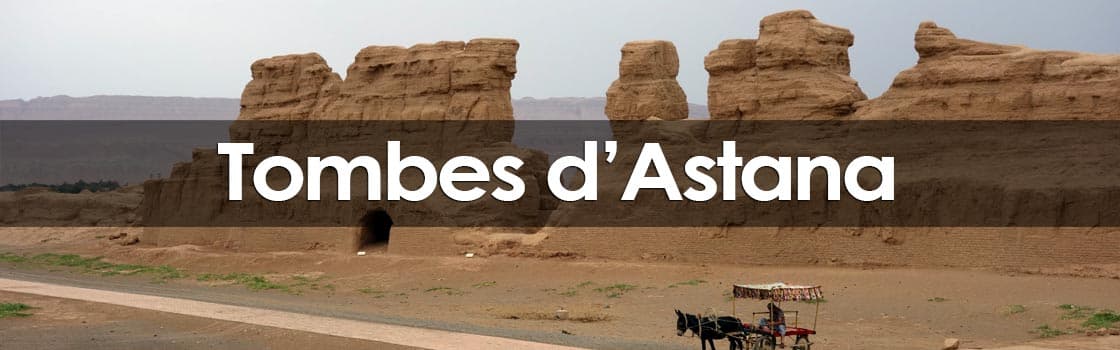
Located 37 km from Turpan, the Astana Tombs gather nearly 1,000 Tang burials, remarkable frescoes and mummies preserved by the desert.
Nicknamed the "underground museum," the Astana Tombs are situated 37 kilometers southeast of Turpan, at the edge of the Gobi Desert. This necropolis houses the burial sites of families who ruled the ancient city of Gaochang, whose remains extend in the immediate vicinity, as do the Bezeklik Caves.
Why Visit the Astana Tombs
The site offers rare testimony to funerary life along the Silk Road. The dry climate of Turpan and the cool soil have preserved mummies, frescoes, textiles and manuscripts in an exceptional state of conservation for objects more than a thousand years old. Unlike other more monumental Chinese archaeological sites, Astana is visited in an intimate setting: you physically descend into the burial chambers, five meters underground, face to face with paintings and the deceased themselves.
The interest is both historical and artistic. The ornaments blend Chinese and Persian influences, reflecting the cosmopolitanism of a commercial crossroads where merchants, soldiers and scholars mingled.
History of the Site
The tombs date primarily from the Tang dynasty (618-907), although Chinese presence in the region dates back to the 1st century BC. A significant Chinese community established itself in Gaochang around the 5th century, before the Göktürks took control of the region in the 6th century and imposed their authority over Silk Road commerce.
Under the Tang, Gaochang became a strategic military outpost. The An Shi Rebellion weakened the dynasty and allowed Tibetans to take control of the region. By the arrival of the Uyghurs in the mid-9th century, the necropolis was already abandoned.
In the late 19th and early 20th centuries, European archaeological expeditions excavated the site and sent part of the relics to British museums. Subsequent Chinese excavations made it possible to place what remained on site in context.
What to See on the Site
The ancient burial city extends over approximately 10 km². Nearly 1,000 tombs have been identified, 350 excavated, and only three are open to the public today. Access is via gentle slopes of stairs 4 to 10 meters long, leading to a door carved into the rock and then to a burial chamber five meters below ground.
First Tomb: Nature Frescoes
The walls feature frescoes of birds and landscapes evoking the dense vegetation that must have surrounded the oasis during the Tang era. The decorative work testifies to the pictorial refinement of the period.
Second Tomb: General Zhang Xun
This burial contains a general of the Tang dynasty, Zhang Xun, and his wife. The wall paintings illustrate the qualities of the accomplished person according to Confucian thought, with coded iconography typical of the military and scholarly elite.
Third Tomb: The Mummified Couple
It preserves a mummified couple whose bodies, wrapped in textiles, testify to the care taken in funeral rites. The ornaments blend Chinese and Persian styles, a sign of the mixed influences that circulated on the Silk Road.
The Garden and Complementary Remains
The site includes a garden where Chinese temples dating from the 3rd to 8th centuries remain. Excavations have yielded textiles, manuscripts, funeral offerings, coins, administrative contracts (including silk orders and domestic documents) as well as wooden and terracotta figurines. Some of these objects are displayed at the Xinjiang Museum in Urumqi.
Practical Information
- Visit Duration: allow 1 to 1.5 hours to tour the three open tombs and the garden.
- Admission Fee: moderate entrance fee, paid on site.
- Opening Hours: open during daytime hours, with reduced hours in winter. Check with your guide or Turpan's tourism office before departing.
- What to Bring: water, hat and closed-toe shoes. Summer temperatures in Turpan rank among the highest in China.
How to Get There
From Turpan, local buses and taxis provide service to the site, often as part of a circuit combining several archaeological stops in the region (Astana, Gaochang, Bezeklik). This is the most convenient option given the scattered nature of the sites in the desert.
On site, visits are on foot or by small cart to reach the burial chambers.
To Combine in the Region
Astana fits naturally into an archaeological itinerary around Turpan:
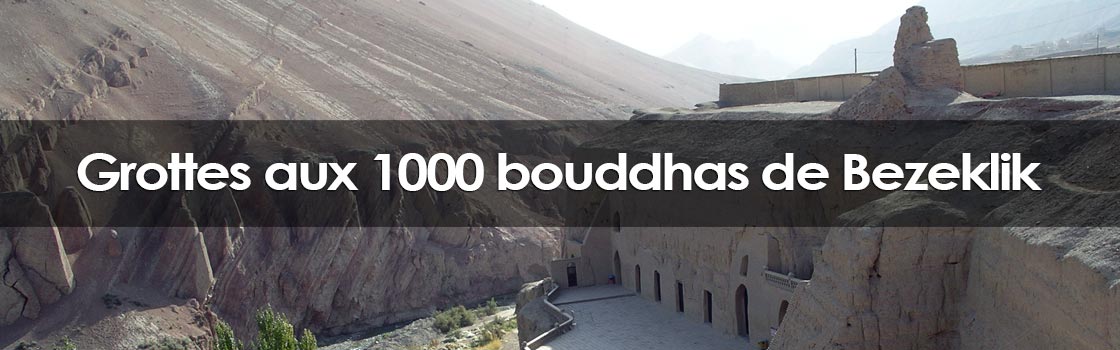
- The Bezeklik Thousand Buddha Caves, a Buddhist sanctuary carved into the cliff face.
- The ruins of Gaochang, the ancient capital to which the Astana necropolis was subordinate.
- The Xinjiang Museum in Urumqi, where major artifacts from the excavations are displayed.
To extend your journey along the Chinese Silk Road, the Great Wild Goose Pagoda in Xi'an and the Great Wall at Juyongguan complement the historical perspective.
Frequently Asked Questions
Frequently asked questions
To incorporate Turpan and the Silk Road into a complete itinerary, consult our trips to China.
Interested in this visit?
We can include it in your personalised itinerary.