Fuzhou
Fuzhou
Capital of Fujian, Fuzhou blends century-old banyan trees, jasmine tea trading and the historic Sanfang Qixiang district, just steps from Mount Wuyi.
Name: Fuzhou
Chinese name: 福州市
Province: Fujian
Status: Prefectural city
Population: 7,115,370 inhabitants
Area: 12,000 km²
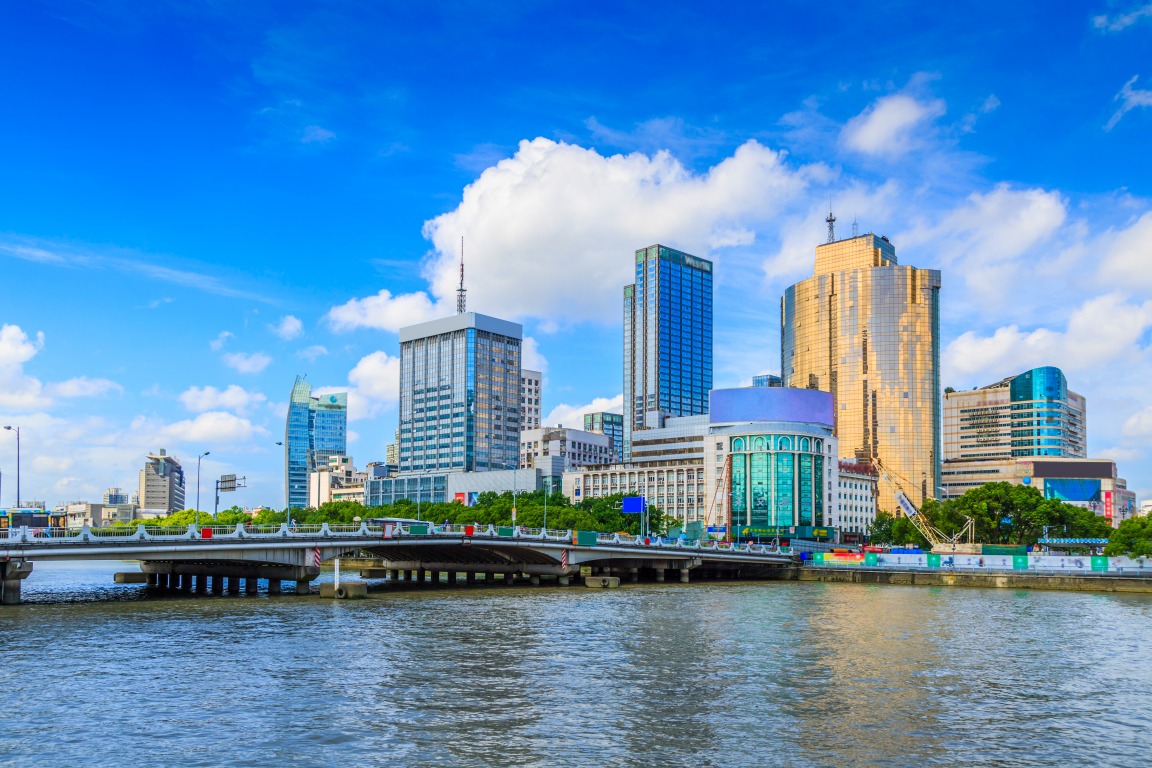
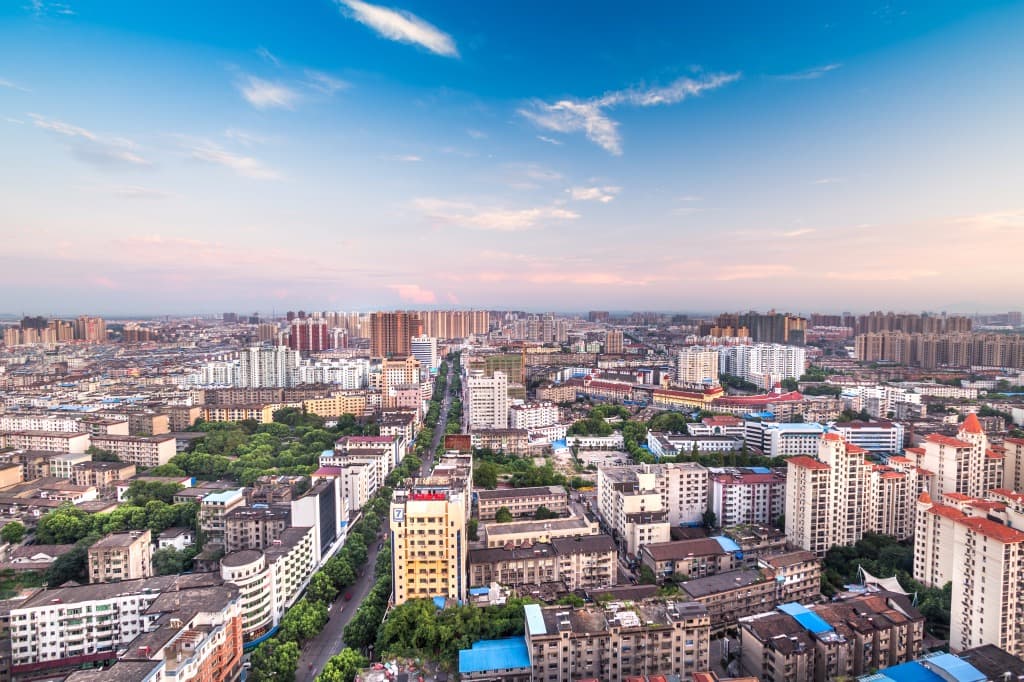
Fuzhou is the capital and the political, economic and cultural center of Fujian province. This prosperous and modern city, open to the sea, is undoubtedly a major hub for business and notably for tea trading.
The city is still in full development and is particularly focused on expanding its tourism infrastructure to attract increasing numbers of Chinese and international visitors.
History
Fuzhou takes its name from Mount Fu, a mountain located north of the city. In ancient times, the prefectural city was known as Rong Cheng, meaning city of banyans. Indeed, during the Song dynasty (960–1279), numerous banyan trees were planted, casting the city in shadow.
In 908, the city was expanded, incorporating Mount Fu, Mount Wu and Mount Ping under its jurisdiction.
Its geographical position on the coast favored its opening to the outside world. It was designated as one of the 14 major coastal cities of Chine by the State Council in 1984.
Today
Fuzhou is a historic and cultural city in full development. Highly sought after by business leaders, it attracts an ever-growing number of tourists.
The Fuzhou region has its own language called Mindong or Hua Fuzhou. Fuzhou also has its own culture and distinct architectural style compared to other regions of Chine and Fujian.
The city boasts several botanical gardens perfect for strolling and escaping the city's hustle and bustle. The Jade Hill scenic park in the city center, now surrounded by skyscrapers, owes its appeal to the White Pagoda, a seven-story structure offering panoramic views over Fuzhou. Traditional temples such as Dizhang Temple and Yongquan Temple bear witness to the city's history and offer pleasant cultural visits.
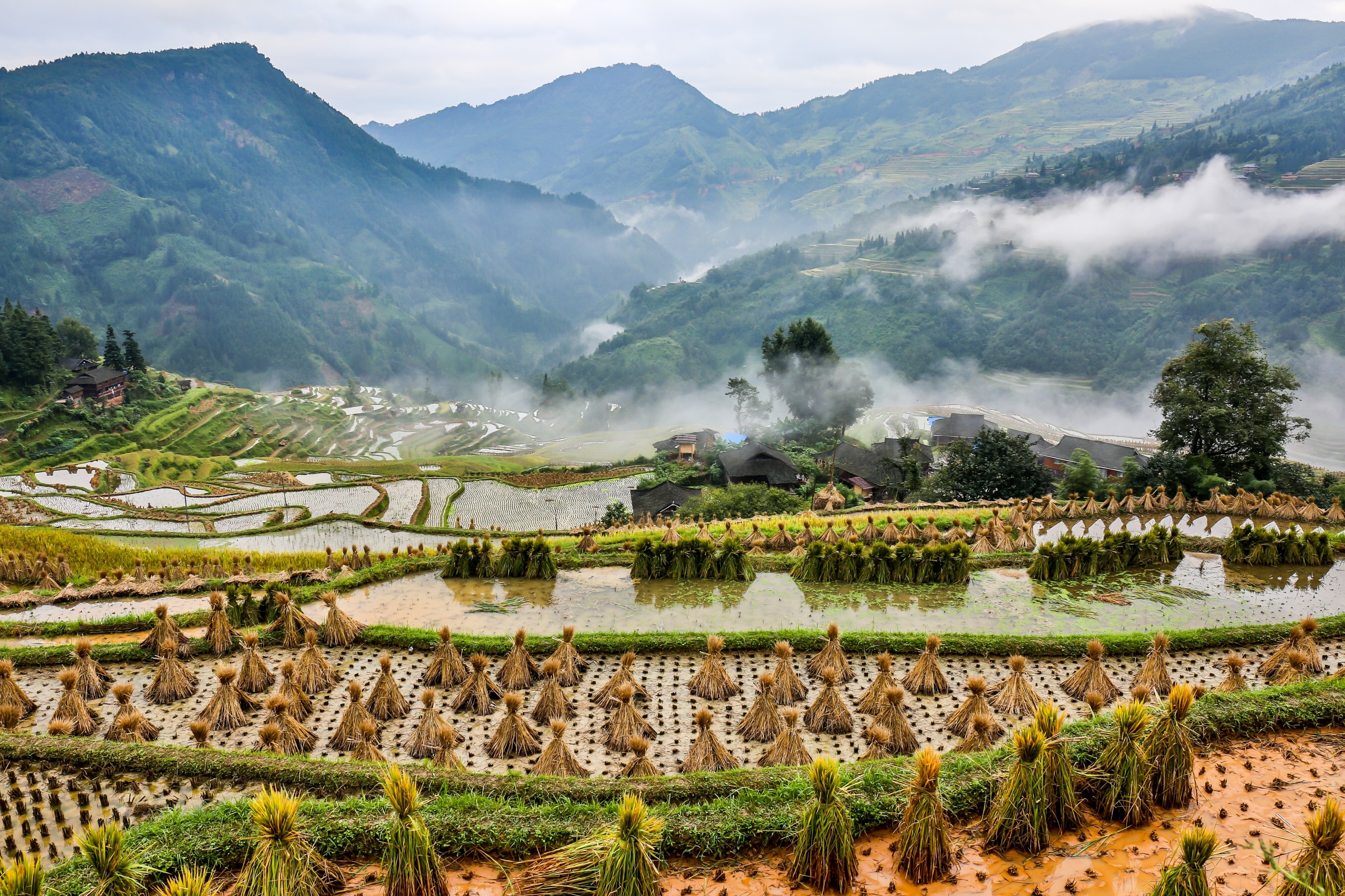
The hinterland is equally charming with mountains and waterfalls, while the coastal zone features beautiful sandy beaches.
Climate
Throughout the year, Fuzhou enjoys pleasant weather with an average temperature of 19.6 degrees annually.
Spring is marked by rainfall and transitions into a very hot summer favorable to typhoons. Winters are mild with an average temperature of 10 degrees, and autumn is perfect for visiting the city.
Airplane
Fuzhou has air connections from most other major Chinese cities.
The airport is located in the suburbs, about 1 hour from the city. The airport is also served by international flights to Hong Kong, Singapore, Osaka and Taipei.
Train
Fuzhou has several railway stations served by most Chinese cities or regional cities.
Bus
Direct overnight buses serve Fuzhou from Hong Kong, Shenzhen and Guangzhou.
Ferry
From Taiwan, you can take a ferry that will take you through immigration at the ferry terminal near Fuzhou.
Taxis and buses run throughout the city to drop you off at strategic locations.
Metro lines are in the planning stages.
What to Do in Fuzhou?
- Venture slightly away from the city's buzz and visit Mount Wuyi, Mount Gu or Mount Yu.
- Get back to nature and stroll through the Fuzhou Forest Park.
- Rent a small boat to navigate the lake at the West Lake Park.
- Step into the city's history by visiting the Yongquan Temple.
Attractions in Fuzhou
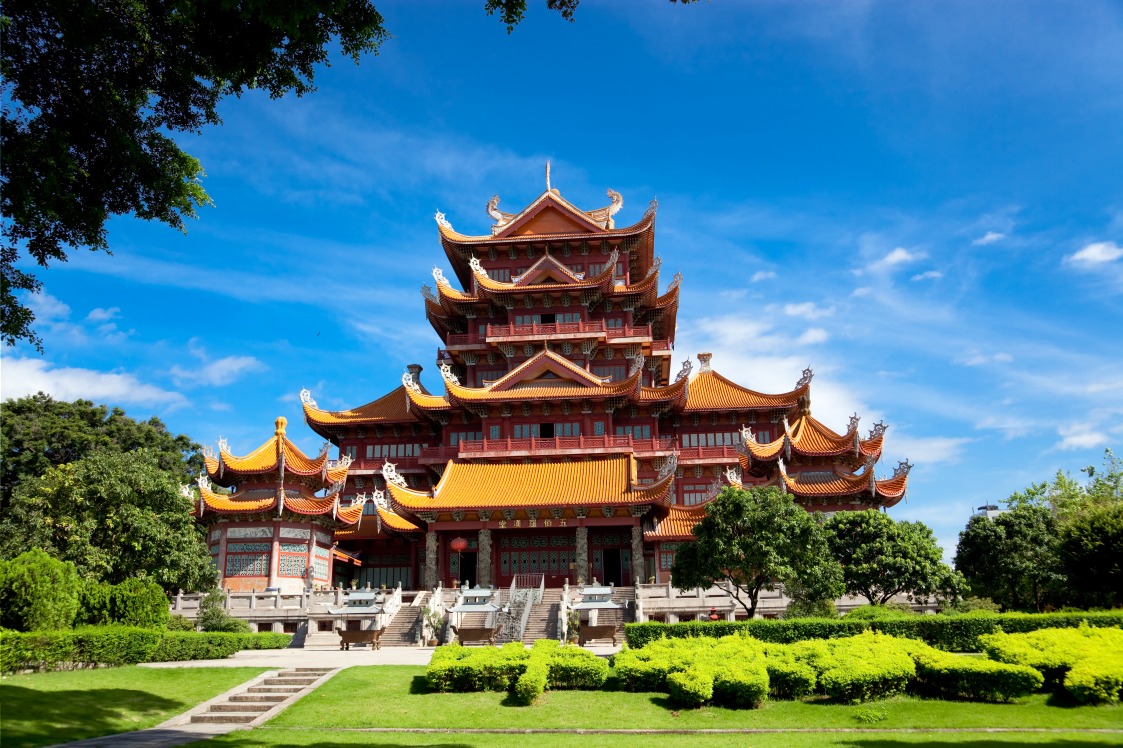
Temple Xichan
Temple bouddhiste fondé au IXᵉ siècle à Fuzhou, le temple Xichan rassemble 38 pavillons, une tour de pierre de 67 m et un jardin d'arbres à litchi.

Montagne du tambour Gushan
À 10 km de Fuzhou, la montagne Gushan réunit le temple millénaire Yongquan, plus de 300 inscriptions rupestres et quatre pics culminant à 925 m.
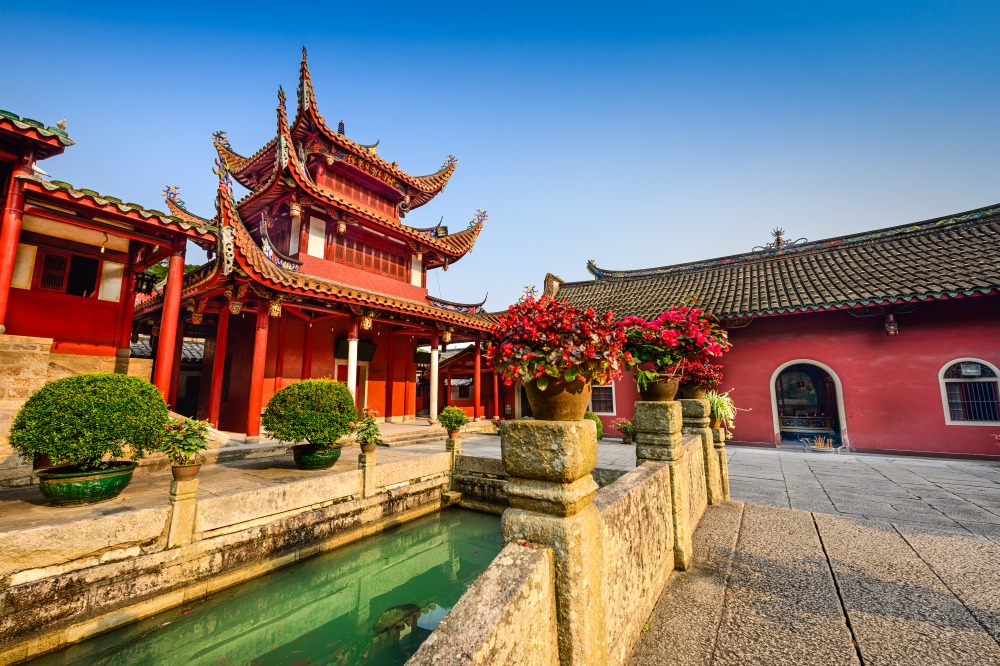
Temple Yongquan (涌泉寺)
Perché sur le mont Gu à Fuzhou, le temple Yongquan est un monastère bouddhiste Chan fondé sous les Tang. Pagodes Song en céramique émaillée, camphriers millénaires et prières matinales en font un site d'une grande authenticité.
Want to discover this destination?
Our local advisors design your tailor-made trip.