Canton (Guangzhou)
Canton (Guangzhou)
Canton, capital of Guangdong and a major gastronomic metropolis in southern Chine: what to see, what to do, when to visit and where to stay.
Name: Canton (Guangzhou)
Chinese name: 广州 (Guǎngzhōu)
Province: Guangdong
Status: Sub-provincial city
Population: 12,600,000 inhabitants
Area: 7,434 km2
Canton, also known as Guangzhou, is a major Chinese city and the capital of Guangdong province. Its proximity to Hong Kong and Macao has elevated it to the status of the largest and most prosperous commercial and industrial hub in southern Chine. This is why the immense Canton Import-Export Fair is held here twice a year. The city serves as the political, economic, scientific, educational and cultural center for the Guangdong region. Canton is also a city rich in history and culture, particularly for its authentic cuisine, renowned throughout the world. A visit to Guangzhou, whether for business or tourism, will immerse you in a dynamic atmosphere characteristic of today's Chine, which has managed to preserve its authenticity.
History
Legend has it that Canton was founded by five immortals who descended from heaven on goats to save the city from famine, hence its nickname the City of Goats (Yang Cheng).
In reality, the first settlement on this site dates back to 214 BCE, when the "First Emperor" of the Qin dynasty sent troops southward to take control of the seas. Due to its location at the northern end of the Pearl River, Guangzhou quickly became the main port of southern Chine and, under the Tang dynasty (618–907), an important maritime route for the transport of silk and other goods to the West. The Portuguese in the 16th century, followed by the British in the 17th century, established trading posts here.
The city also became, after the fall of the Qing dynasty in 1911, the stronghold of republican forces. Sun Yat-sen (1866–1925), the first president of the Republic of Chine, headed the Guomindang in Canton, from where republicans launched their expeditions against northern warlords. Canton was also the active seat of the nascent Communist Party, as Mao and other leading figures settled there from 1925–1926. Today, Canton thrives under the weight of commercial transactions and remains an essential center for import-export.
The Canton Fair, which was once the only link for exchange between Chine and the West, remains one of the primary reasons to visit the city.
Today
Guangzhou, or Canton for English-speaking travelers, is a vast city that never stops developing. As the capital of Chine's richest province, it impresses with its boundless energy, dynamism, and modernity. As night falls, its skyscrapers light up to offer an impressive light show reflected on the Pearl River that runs through the city.
While Guangzhou has been strongly influenced by its Hong Kong neighbor, it has managed to preserve its authenticity and stands out from other Chinese metropolises. A decade ago, Canton represented some of the worst urban development could offer. The city seemed disfigured by careless architecture, endless roads and bridges, and traffic jams that would drive anyone mad. Wanting to restore the city's image, it underwent a makeover that gives it a more cosmopolitan character. Old concrete buildings are now giving way to large glass buildings and gleaming shopping centers.
Its frenzied development sometimes envelops it in a veil of air pollution, plunging the city into a gloomy and stifling atmosphere in summer. But this doesn't account for its numerous parks, which offer beautiful shaded trails where the air is more breathable and perfect for strolling.
Efforts to relieve traffic congestion have resulted in the creation of a clean and modern metro system and stricter enforcement of traffic laws. Flowers and trees line the sides of streets, while well-maintained parks and gardens provide splashes of color amid the urban landscape's bleakness.
Although highly urbanized, the city has managed to preserve some remnants of its old charm with its churches, lovely houses and villas, hidden temples and gardens.
Shamian Island is a prime example. Restored a few years ago, the small island in the city center has been preserved from the relentless development of infrastructure and immerses us in history with its colonial architecture.
Finally, Canton would not be what it is without the reputation of its gastronomy. A visit to Guangzhou cannot happen without sampling Cantonese cuisine with its famous Dim Sum or tong sui (red bean soup).
Events
The commercial interest that Guangzhou generates is reflected in the famous Canton Fair. The Canton Fair is Chine's most celebrated trade exhibition. It is held each year over two sessions of three weeks in spring and autumn. Since 1957, the Canton Fair has brought together thousands of exhibitors and traders from around the world to discuss business and negotiate the best prices for products of all kinds. The Canton Fair takes place at the Pazhou Import-Export Fair Exhibition Park in the southeast of the city.
Cantonese Cuisine
Canton is renowned worldwide for its unique cuisine. The city is full of culinary specialties that use numerous ingredients, hence the famous saying: "Cantonese eat everything that flies in the sky except an airplane, everything that crawls except a train, everything with four legs except a table, everything that swims except a submarine..." If Canton is on your trip to Chine, you will certainly discover new flavors and enjoy refined dishes prepared with care. Contrary to popular belief, Cantonese fried rice does not come from Canton but from Yangzhou. Nevertheless, you will find many fried rice dishes similar to the Cantonese fried rice we know.
Climate
Guangzhou has a humid subtropical climate with annual monsoons from April to September. Typhoons can occur during this period with strong winds and thunderstorms. Highest average temperature: July with 32.8°C Lowest average temperature: January with 10.3°C Average annual precipitation: 1,735mm. Spring and autumn are the perfect seasons to discover Canton at its best.
Air
Guangzhou has had an international airport since 2004, the Guangzhou Baiyun International Airport. Located 28 km from the city center, the airport operates nearly 100 domestic and international flights. Since 2010, Guangzhou Baiyun Airport has been ranked as Chine's second busiest airport and 19th globally. Canton Airport is also the main hub for China Southern airline.
Ferry
Guangzhou can be reached by ferry from Hong Kong or Hainan Island. The Nanhai ports at Pingzhou and Huangpu are the main departure and arrival points. Both are located about twenty kilometers from Guangzhou; taxis and shuttles offer transport to the city at negotiable rates.
Train
Guangzhou is equipped with four railway stations. The main Canton Station, Canton South Station, Canton East Station and Canton North Station. Canton's main station is one of Chine's busiest stations. It is served by major Chine cities including Beijing, as well as Lhasa and Sanya. Canton East Station is very important as it is the terminus of the Canton-Kowloon line to Hong Kong. The line also passes through Shenzhen and Donghuan. Canton South Station, also called the New Canton Station, is located in Panyu District about fifteen kilometers from the city center. Very modern, the station is reserved for high-speed lines. Canton North Station is a station dating from 1908. This small station still serves high-speed trains between Guangzhou and Wuhan.
Bus
Guangzhou has several stations for long-distance buses that serve Guangdong province, southern Fujian, eastern Guangxi, and other more distant destinations. Regular buses also connect nearby cities such as Shenzhen, Foshan, Kaiping, and Zhuhai. For longer distances, more or less comfortable sleeper buses are available. "Deluxe" buses are also available, particularly for Guangzhou–Shenzhen–Hong Kong routes.
As Canton is a very large metropolitan area, even though the main tourist attractions are grouped in the city center and its surroundings, it is difficult to get around on foot and reach key points. However, the city has developed a very extensive bus network as well as recent metro lines. Taking the bus could prove to be a genuine immersion in Chinese life, but it will be harder to navigate than the metro, where signs are in Chinese and English. Taxis in Canton can be a good solution except during rush hours. Fares start at 10 yuan. Make sure to have the address in Chinese with you to ensure you reach your destination. You should expect to pay around twenty yuan for a ride of 20 to 30 minutes.
What to Do in Canton?
- Escape the noise of traffic and enjoy the cool freshness of the large Yuexiu Park. You can wander along numerous trails, admire the statue of five goats, and end your stroll by visiting the Zhenhai Tower. A paddleboat ride can also entertain you at the small center at the park's entrance.
- Admire the architecture of the Sun Yat Sen Memorial, a grand building at the foot of Yuexiu Park. The statue of Sun Yat Sen stands before the memorial, a great symbol of Chinese power.
- Change scenery by visiting Shamian Island. Formerly colonized by the French and British, it retains a notable presence through typical colonial architecture. Many engaged couples visit for their wedding photos.
- Relax at Baiyun Mountain and admire the view of the city. Hiking trails, city viewpoints, small restaurants, and even attractions such as bungee jumping are available to ensure a full day.
- Stroll in the evening along the banks of the Pearl River or aboard a cruise boat and enjoy the luminous spectacle offered by illuminated skyscrapers.
Discover all of Canton's attractions.
Attractions in Canton (Guangzhou)
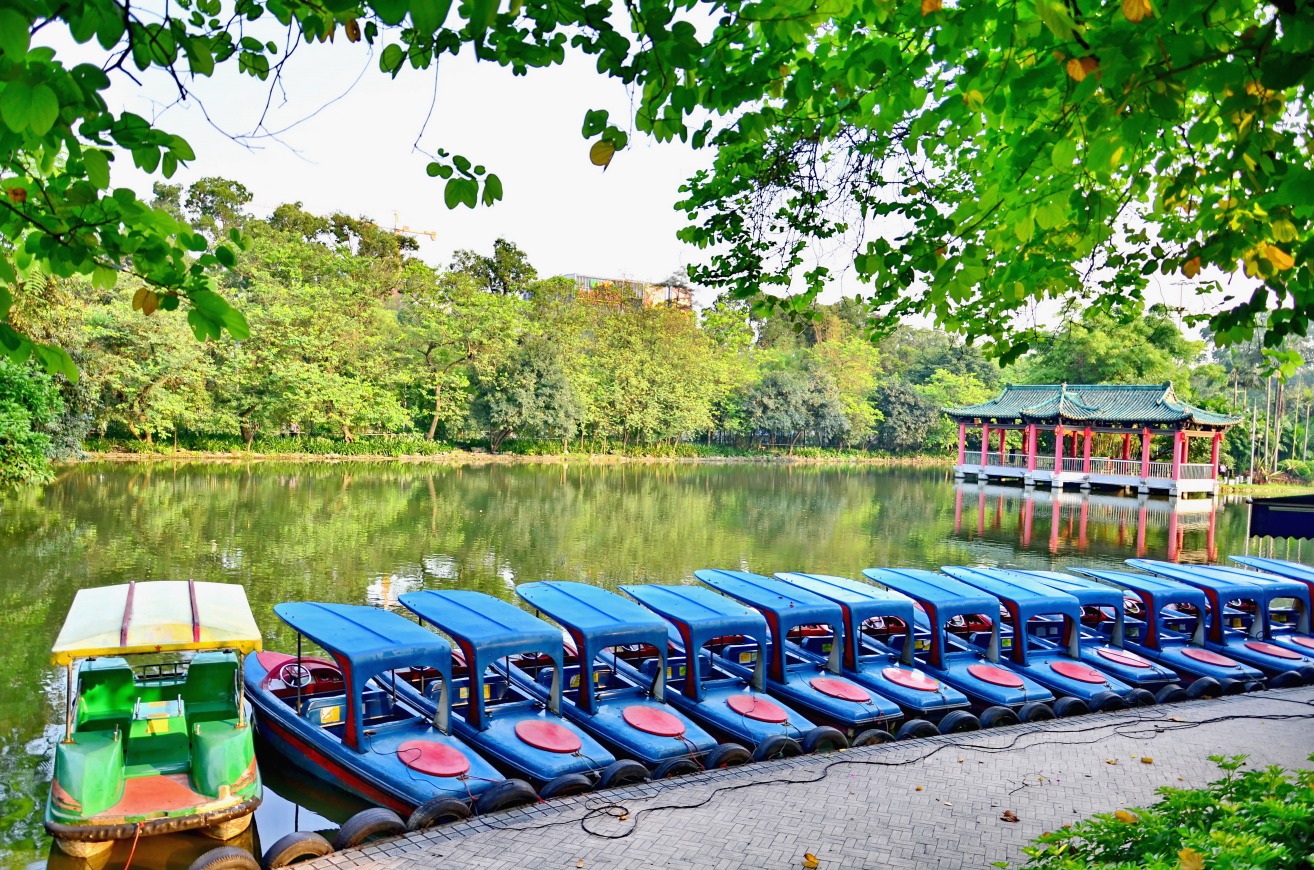
Parc de Yuexiu
Le parc de Yuexiu, à Canton, abrite la statue des cinq béliers, trois lacs et plusieurs monuments historiques sur 86 hectares de collines boisées.
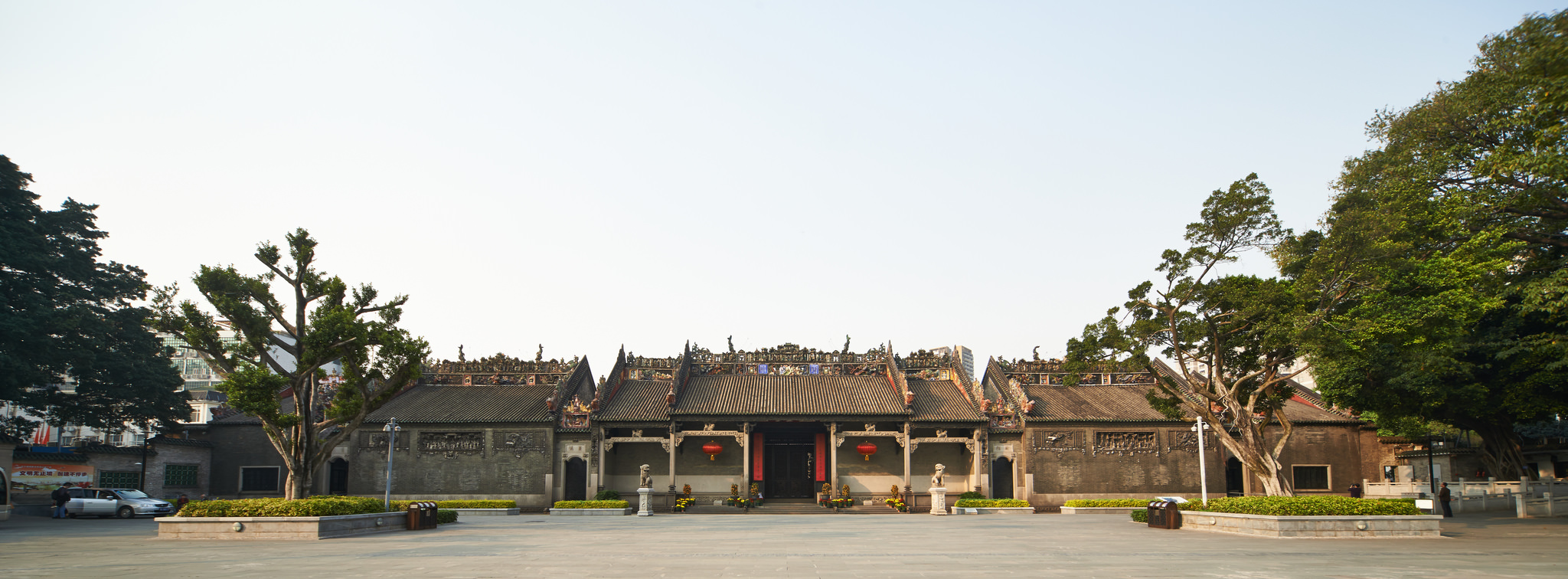
Temple de la famille Chen
Bâti en 1894 par le clan Chen, ce complexe cantonais de 19 bâtiments à Guangzhou rassemble les sept arts décoratifs traditionnels du sud de la Chine.
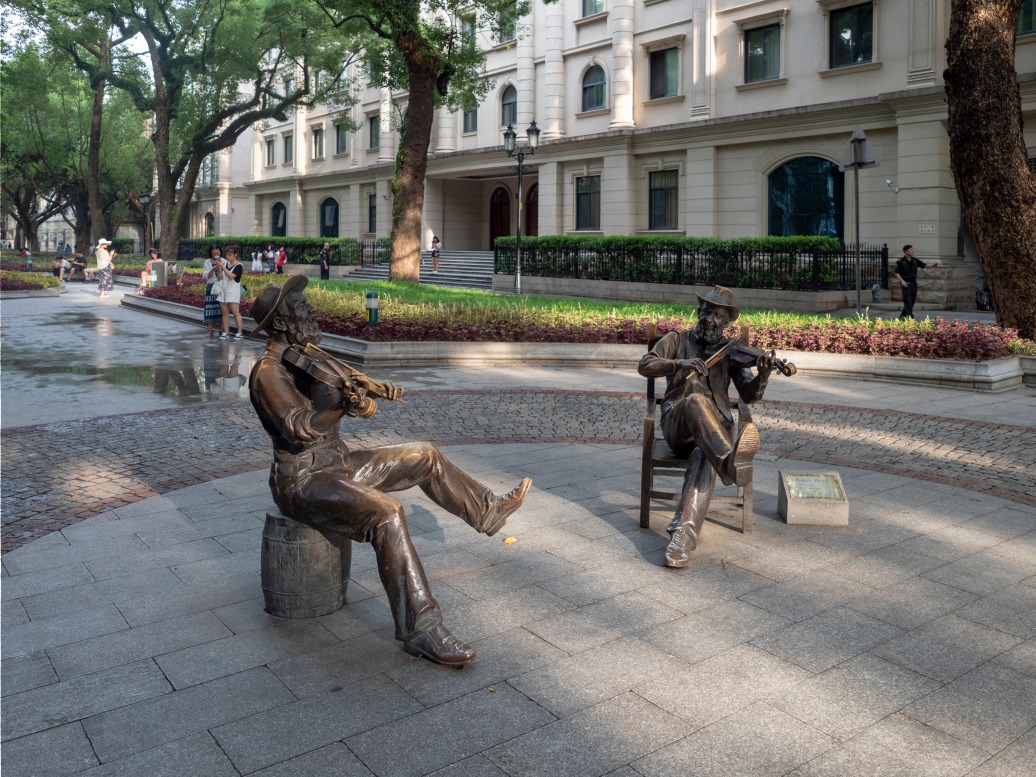
Île de Shamian
Ancienne concession franco-britannique en bordure de la rivière des Perles, l'île de Shamian conserve une architecture coloniale rare au cœur de Guangzhou.
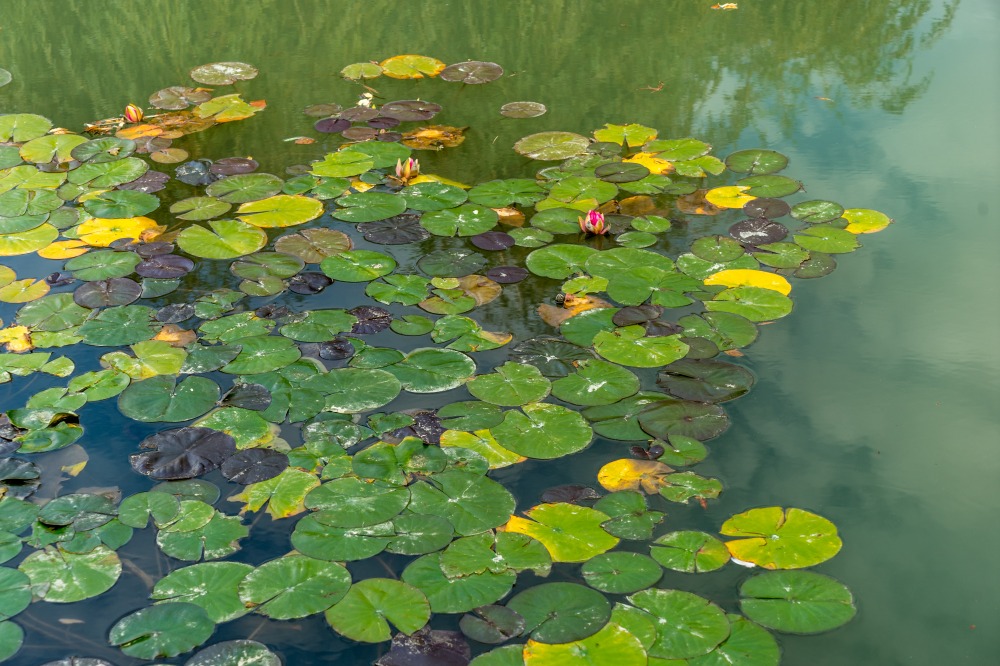
Mémorial Sun Yat
Édifice octogonal de 1931 dédié au père de la République de Chine, le Mémorial Sun Yat-Sen est une étape majeure d'une visite de Canton.
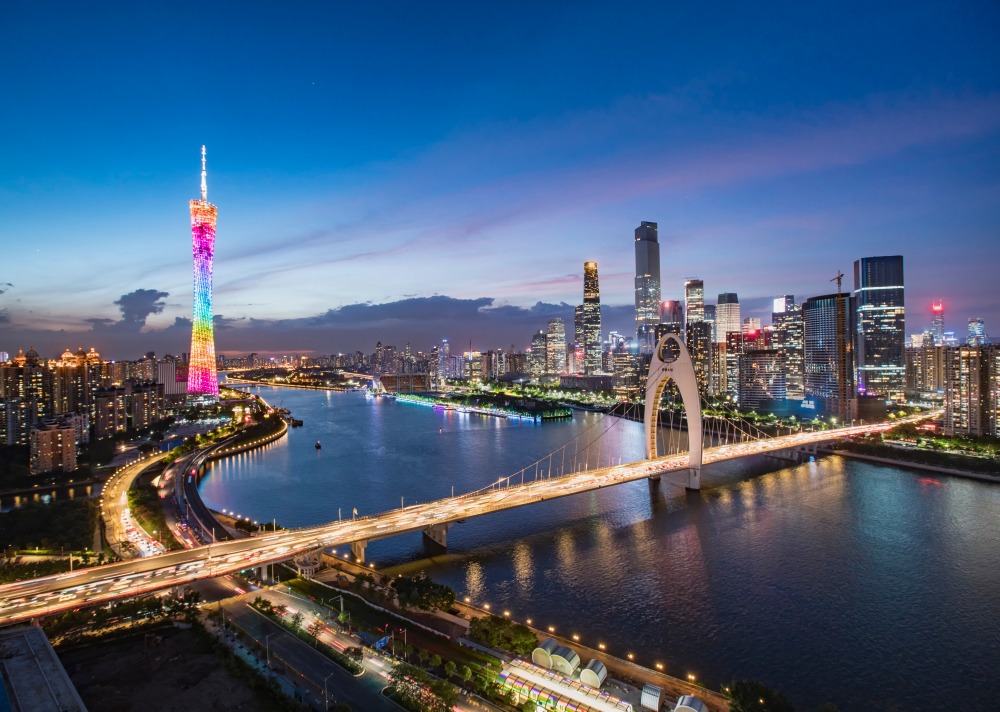
Tour de Canton
À Guangzhou, la tour de Canton culmine à 604 m au-dessus de la rivière des Perles. Plateformes panoramiques, Bubble Tram et vue sur Zhujiang New Town.
Want to discover this destination?
Our local advisors design your tailor-made trip.