Beijing
Beijing
Beijing, the capital of the People's Republic of Chine, is the political, economic, and cultural center of the country. As a cultural capital, Beijing is home to countless essential historical landmarks. The Forbidden City, the Temple of Heaven, the Summer Palace, the Great Wall of Chine, the hutongs… Beijing overflows with tourist attractions amid thriving economic activity.
Beijing, capital of the People's Republic of Chine, is the political, economic, and cultural center of the country. As a cultural capital, Beijing is home to countless essential historical landmarks. The Forbidden City, the Temple of Heaven, the Summer Palace, the Great Wall of Chine, the hutongs… Beijing overflows with tourist attractions amid thriving economic activity. From modernity to the historic architecture of sacred sites, Beijing is a unique capital with much to offer its visitors. During your journey through Chine, a visit to Beijing promises to be rich in discovery.
History of Beijing
While Beijing seems to have dominated Chine for decades, the "capital of the north," positioned away from the historic heart of Chinese civilization, only became a decisive cultural and political force in the country's evolution with Mongol occupation in the thirteenth century.
Without its strategic position on the edge of the North Chine plain, which extends southward to the Yellow River, Beijing would likely never have become a great city, much less a national capital.
The earliest human settlements, southwest of Beijing, date back some 500,000 years, and the first historical sources in Chinese date from 1045 B.C. Ancient Chinese chronicles mention a State of Youzhou (an isolated state) among the nine states contemporary to the reign of the mythical Yellow Emperor.
Occupied repeatedly, Beijing gradually acquired the status of a premier political center. Before the Mongol invasion, it was proclaimed an auxiliary capital under the Khitan Liao, then capital of the Jurchen Jin, who transformed it into a political and military stronghold. For the first time in its history, the city was surrounded by walls pierced by eight gates.
In 1215, Genghis Khan and his powerful army reduced the capital to ashes—a disaster that paradoxically transformed Beijing into the mighty national capital it has remained ever since, except during the first 53 years of Ming dynasty rule and the 21 years of nationalist regime in the twentieth century.
In 1279, Kublai Khan, grandson of Genghis Khan, ruled the largest empire the world had ever known, with Dadu as its capital. Surrounded by a thick rectangular wall pierced by 3 gates on each side, the city was arranged around the Drum and Bell Towers according to an orderly urban plan, still visible today.
When the first Ming emperor, Hongwu (1368–1398), seized Dadu, he renamed it Beiping (Peace of the North) and established his capital further south in Nanjing in present-day Jiangsu province. The court returned to Beijing only under Emperor Yongle (1403–1424). Eager to rid the city of all traces of "Yuan Qi," the Ming razed the fabulous Mongol palaces and the imperial city, while largely preserving the plan of the Mongol capital. The Ming were the only purely Chinese dynasty to rule from Beijing.
During this period, the enormous walls were repaired and reimagined. Yongle is considered the true architect of the modern city. Many iconic monuments, such as the Forbidden City and the Temple of Heaven, date from his reign. A law prohibiting the construction of buildings taller than the Palace of Supreme Harmony in the Forbidden City made Beijing a city of low structures, which it remained until the twentieth century. Similarly, the city's plan would change little until today.
Then came the Manchus, who invaded the country in the seventeenth century, founded the Qing dynasty, and preserved the city. During the final third of this dynasty's reign, Beijing and all of Chine suffered from power struggles, invasions, and the resulting chaos. Each period left its mark on the city without altering its form or symmetry.
Modern Beijing came into being in January 1949 with the arrival of the People's Liberation Army. On October 1st of that same year, Mao proclaimed the establishment of the People's Republic before nearly 500,000 people in Tiananmen Square.
Like the emperors, the communists greatly modified the city's appearance to make it a model of their vision. Archways were demolished and entire neighborhoods were razed to widen major thoroughfares. From 1950 to 1952, the magnificent walls disappeared to facilitate traffic. Soviet experts and technicians flooded in, adding their own Stalinist touches.
Reforms undertaken in the last quarter of the twentieth century transformed Beijing into a modern metropolis, with skyscrapers, elegant shopping galleries, and highway interchanges. Small buildings of old gave way to large residential and office complexes. In recent years, there has been a genuine effort to make the city cleaner, greener, and more pleasant.
The demonstrations that stirred Tiananmen Square in the spring of 1989 seem distant now. The capital appears to have embraced modernity without evolving politically: you will see neither subversive graffiti nor posters on the walls. The Communist Party retains power, and the middle class, benefiting from the country's economic success, appears content with this. Dissent is forced underground and expresses itself intermittently on the Internet, where it is pursued by a "web police" tasked with erasing anything likely to harm the construction of a "harmonious society."
Beijing may suffer even more from environmental problems than from the political situation. The drive for rapid economic expansion, intensified by preparations for the 2008 Olympics, has increased pressure on an already degraded environment. Water and land resources are depleting, and the desert is inexorably approaching the city, whose air quality is becoming increasingly poor.
Today
Since the 2008 Olympic Games, Beijing has proven its power in terms of economic development. Through its new infrastructure and futuristic-looking stadiums, Beijing has imposed its transformation in the eyes of the entire world.
Beyond Tiananmen Square and the Hall of the People, a new architectural revolution is concluding, propelling the country's undisputed nerve center to the forefront of the twenty-first century. Visitors who might expect to discover a historic Beijing will be surprised to see a Beijing in the throes of emergence, with new skyscrapers and very modern buildings.
Two million cars now circulate on overpasses and monumental boulevards. Yet the charm of yesteryear still lingers, particularly in the hutongs, these typical alleyways that hide traditional square-courtyarded houses. The city also takes pride in possessing some of the country's must-see sites, such as the Great Wall, the Forbidden City, the Temple of Heaven, and the Summer Palace.
Beijing shines brilliantly in the realm of gastronomy. Peking duck is a national institution. You should make a point of tasting it, among countless other specialties.
Beijingers display a blend of zeal and enthusiasm, while maintaining a certain relaxation. They enjoy sitting in the street, playing chess, and watching the world around them.
Climate
Autumn from September to early November is the best season to visit Beijing. The climate is very pleasant and tourists are fewer. Residents of the capital call this short period of clear skies and gentle breezes "tiangao qishuang," literally "the sky is high and the air is fresh."
In winter, many hotels offer substantial discounts to rare visitors, but the thermometer can drop to –20°C and northern winds intensify the bitter cold.
Spring, dry and fairly pleasant, brings increasingly more sandstorms from Inner Mongolia, and static electricity manifests everywhere. During this period, liuxu (willow catkins, resembling snowflakes) fly throughout the city.
From May onward, temperatures rise and easily exceed 30°C. Beijing bakes in the scorching summer sun with peaks exceeding 40°C in direct sunlight, and violent storms erupt late in the season. Surprisingly, this is also peak tourism season, when hotels raise their prices and the Great Wall threatens to collapse under the weight of visitors. The city is highly polluted in summer and winter, though efforts have been made since 2008.
As the country's capital, Beijing is very well served. Train and air connections link it to most Chinese cities, and buses serve countless destinations. Beijing is thus a good starting point for exploring the rest of the country.
Air
Direct flights connect Beijing to most major cities worldwide.
You can purchase tickets from Chinese airlines operating from Beijing at the numerous ticket offices throughout the capital and through most mid-range and upscale hotels. Promotional fares are generally available if you inquire.
You can obtain information on all airlines at Beijing Capital International Airport. For information on departures and arrivals of domestic and international flights. From Beijing, flights serve major Chinese cities daily and smaller localities at least once a week.
Bus
There are no international buses to Beijing. However, domestic long-distance connections are numerous.
Beijing has a large number of long-distance bus stations, located on the periphery in the direction of cities that serve it.
Train
Travelers arrive and depart from Beijing Railway Station southeast of the Forbidden City, or from the very large Beijing West Railway Station southwest of the city. Beijing Railway Station has its own subway station, which greatly facilitates access. International trains to Moscow, Pyongyang, and Ulaanbaatar depart from this station. Those to Hong Kong and Vietnam use Beijing West Station.
There are also connections to Lhasa in Tibet.
Regular trains from major Chine cities serve Beijing. Trains are most often equipped with sleeping berths. Try to obtain your tickets in advance, especially during Chinese holidays, otherwise you risk ending up in very uncomfortable hard seats.
Beijing benefits from an enormous bus network that travels throughout the city and suburbs. Some routes are actually reserved exclusively for buses, thus avoiding all daily traffic congestion. Route names are indicated only in Chinese, which can complicate understanding. Often crowded, you will find it difficult to find a seat. The bus can be convenient for short trips; nevertheless, for long-distance journeys, we recommend opting for the metro.
Beijing has 16 metro lines that allow you to travel through the city easily and inexpensively. Most tourist sites are served by a station, very practical for tourists.
Reliable and fast, Beijing's metro does tend to appear aging compared to those of Shanghai or Guangzhou, for example.
Attractions in Beijing
See all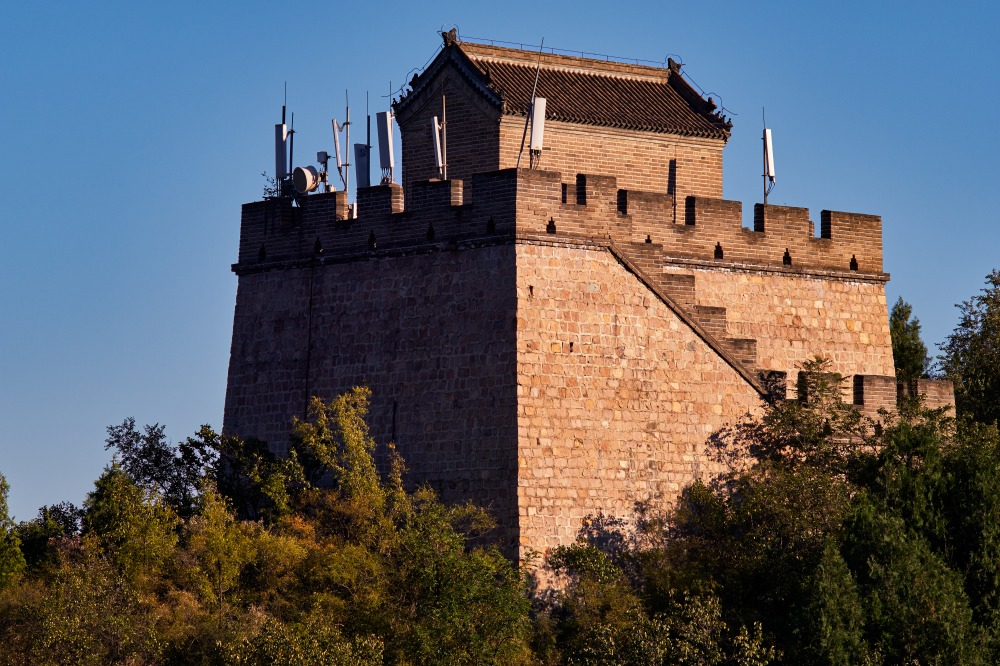
La Grande Muraille à Juyongguan
Section de la Grande Muraille la plus proche de Pékin, Juyongguan combine remparts Ming, plateforme de marbre Yuan et randonnée en vallée fortifiée.
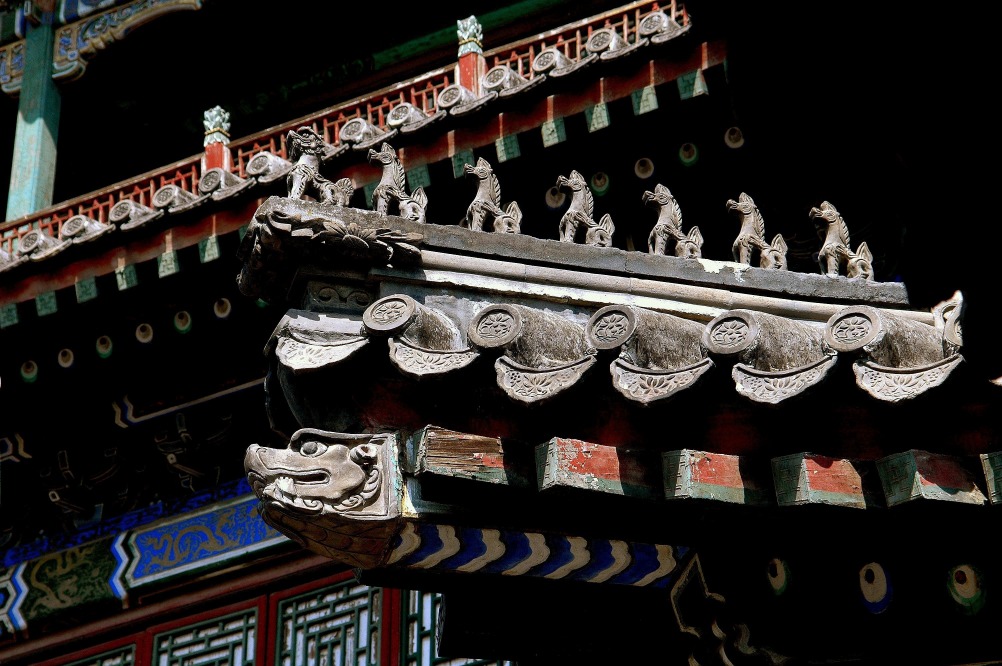
Jardin de la Vertu et de l’harmonie
Au cœur du Palais d'été de Pékin, ce jardin abrite le théâtre privé de l'impératrice Cixi, l'un des trois grands pavillons d'opéra de la dynastie Qing.
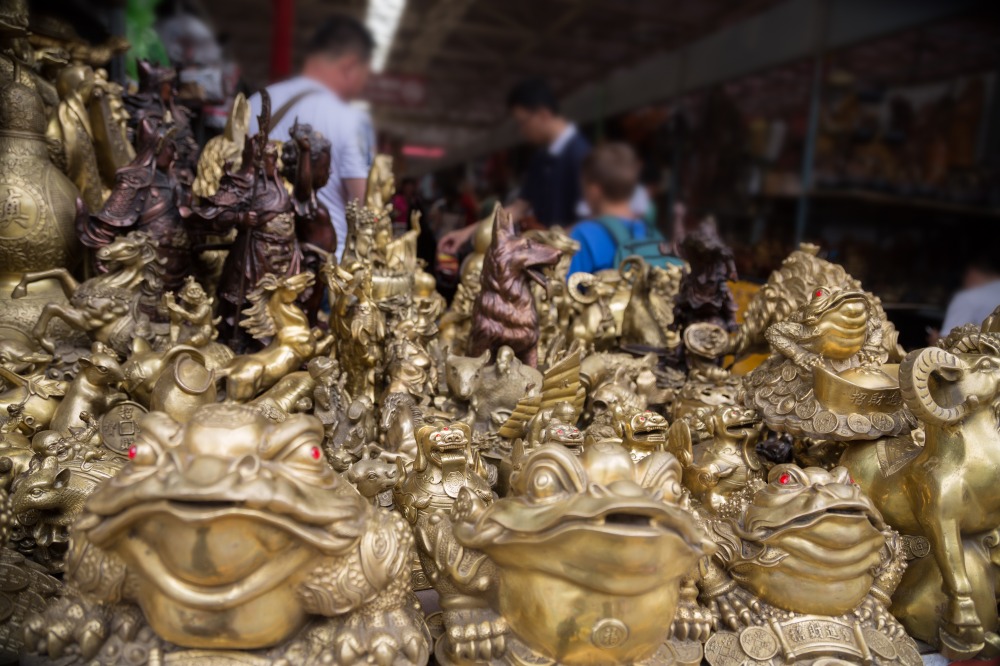
Marché aux antiquités de Panjiayuan
Plus grand marché aux antiquités de Pékin, Panjiayuan réunit 3 000 stands d'objets d'art, meubles anciens et brocante dans le district de Chaoyang.
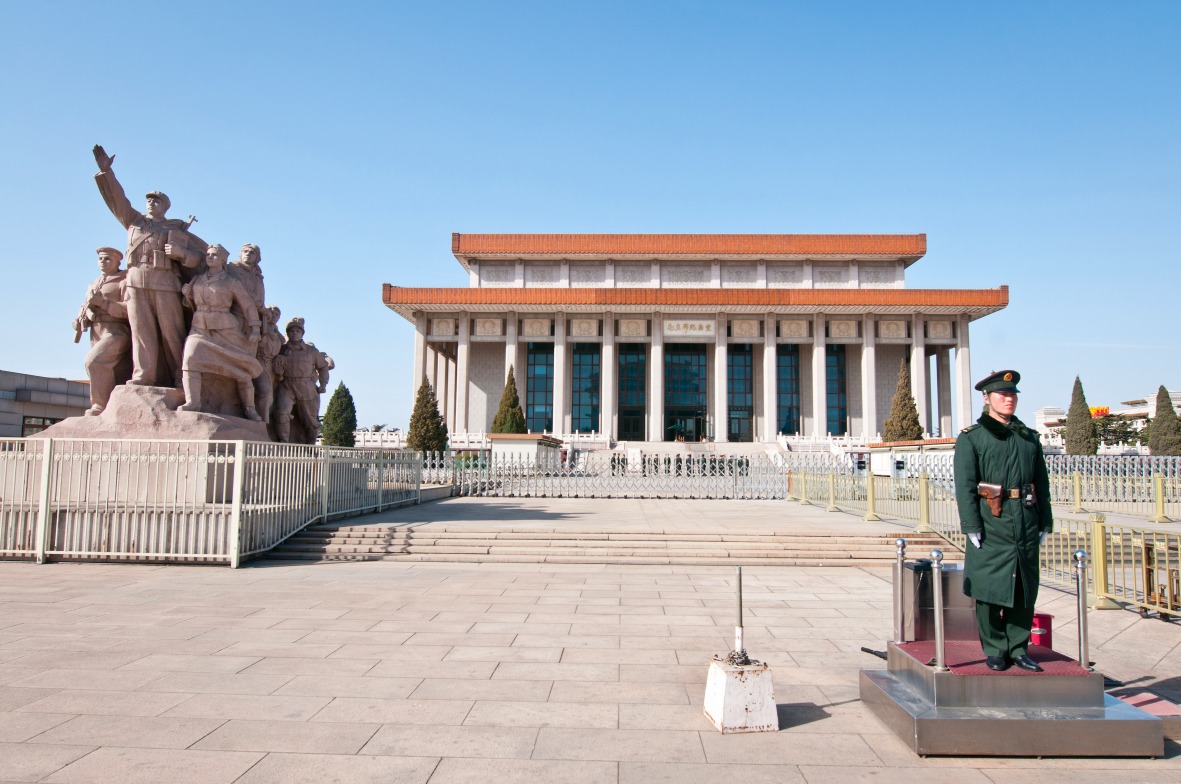
Mausolée de Mao Zedong
Sur la place Tian'anmen à Pékin, le mausolée de Mao Zedong abrite la dépouille du fondateur de la Chine communiste dans un édifice symbolique inauguré en 1977.
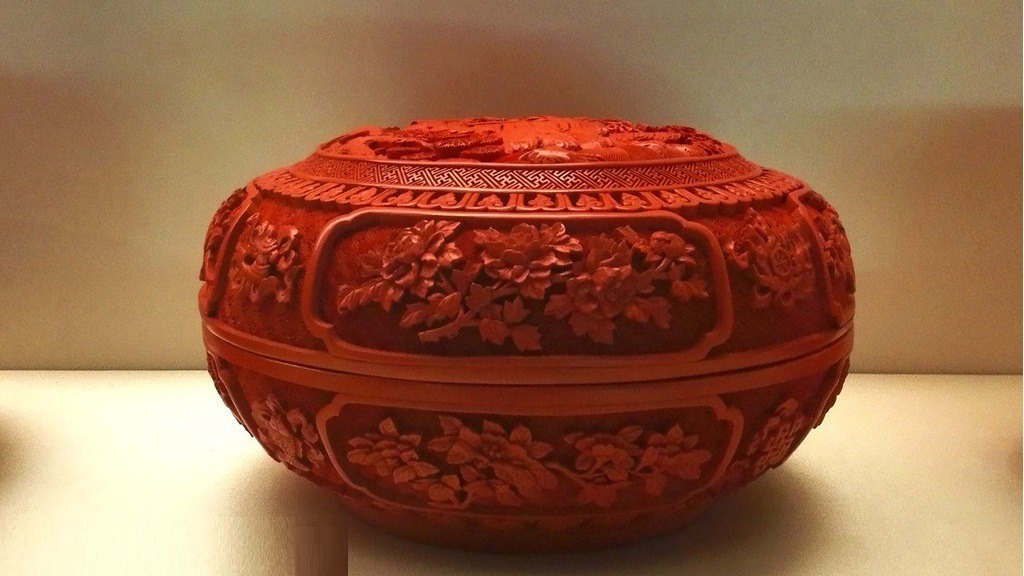
Musée de l’artisanat de Baigongfang
Dans le district de Dongcheng à Pékin, le musée de Baigongfang réunit 30 ateliers d'artisans en activité dédiés aux techniques traditionnelles chinoises.
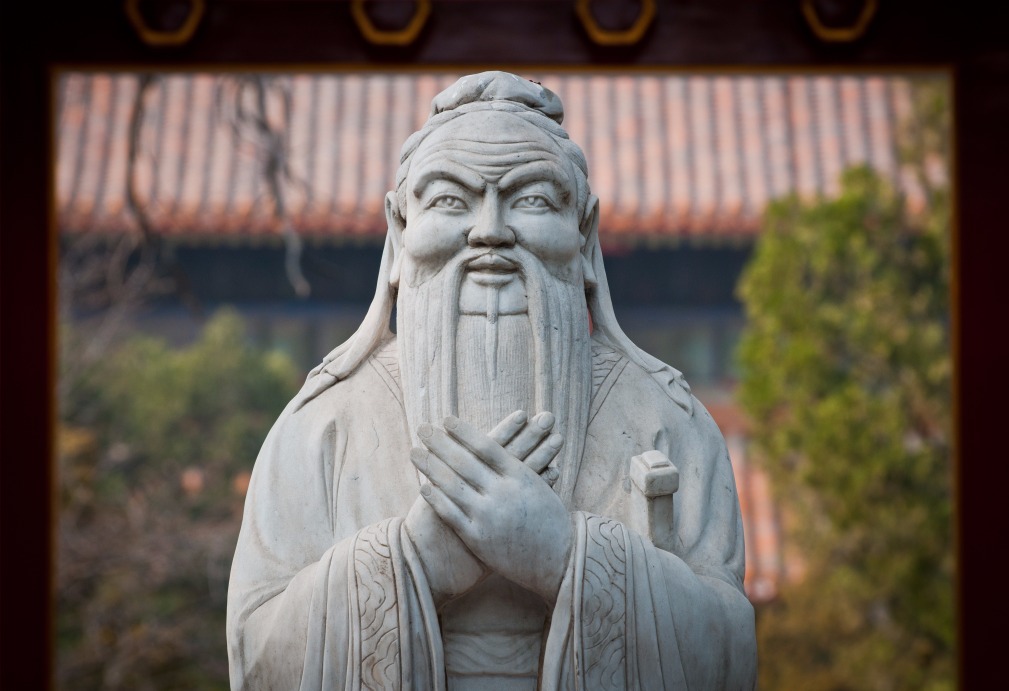
Temple de Confucius
Deuxième plus grand temple confucéen de Chine, le temple de Confucius de Pékin conserve stèles impériales, pavillons Ming-Qing et un cyprès millénaire.
Want to discover this destination?
Our local advisors design your tailor-made trip.