The Villages of Huizhou
The Villages of Huizhou
At the foot of the Yellow Mountains, seven UNESCO-listed Huizhou villages tell the golden age of Hui merchants. Architecture, itineraries, practical tips.
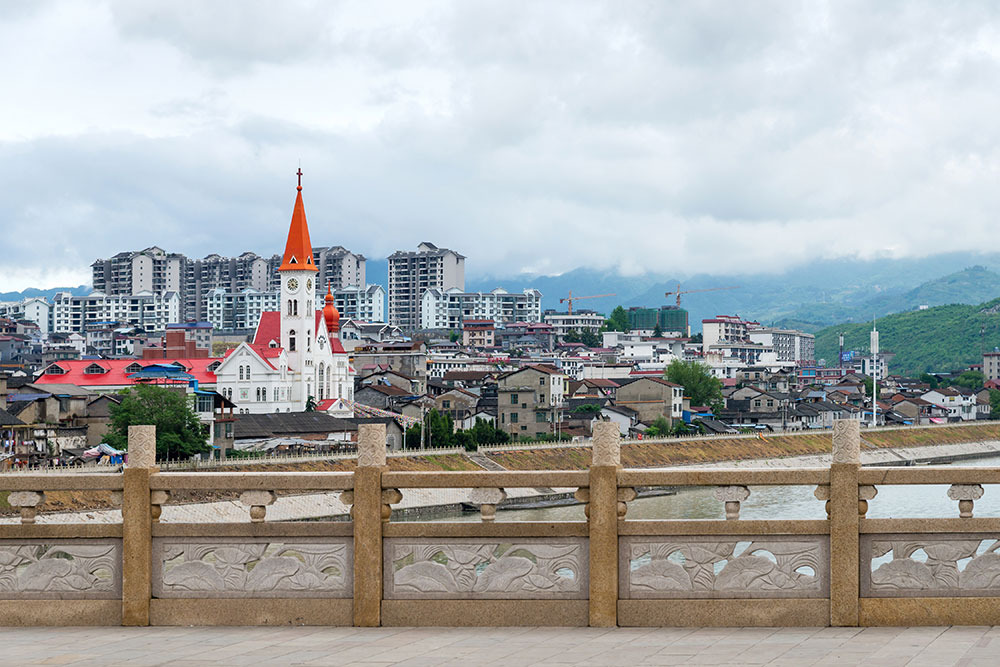
Located near Hangzhou and Shanghai, Huizhou is home to several traditional Chinese villages. Remarkably rich in culture and ancient architecture dating back to the feudal era, these villages are cultural treasures worthy of the finest landscape paintings. They offer you numerous activities not to miss during your stay in China.
History
The Huizhou villages were founded in 1131 by the Wang family, a powerful merchant family of the region. The Huizhou villages harbored some of the wealthiest merchants during the Ming dynasty, who in turn constructed magnificent buildings. These merchants prospered thanks to unique trading techniques that emphasized customer loyalty.
Since the site's inscription in 2000 on the UNESCO World Heritage List, Huizhou has become a flagship tourist destination in Anhui, particularly following the inscription of the villages of Xidi and Hongcun.
Exploring the Huizhou Villages
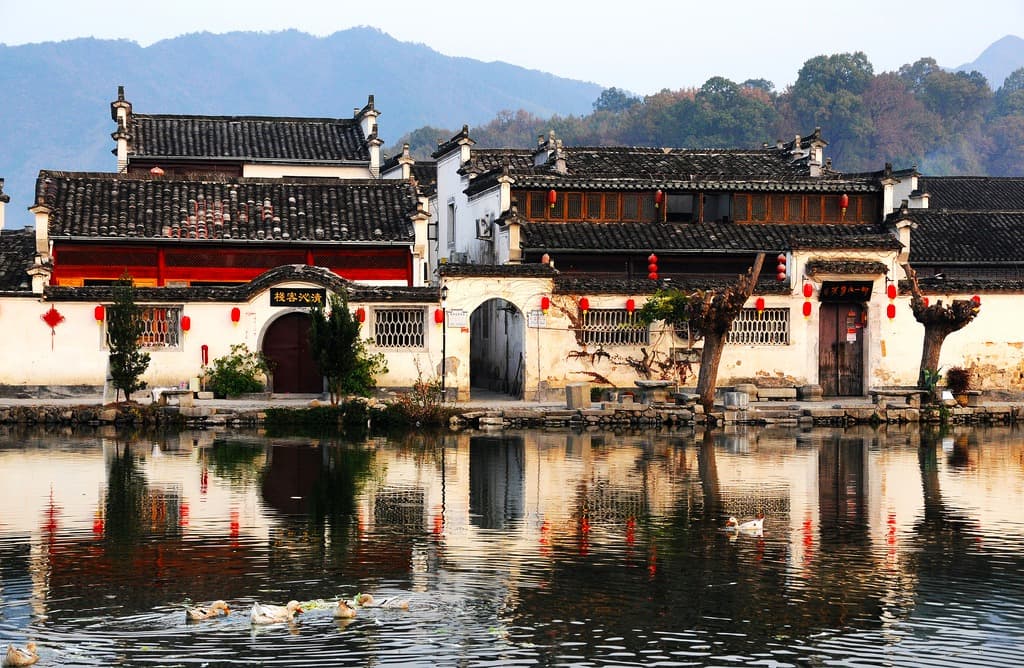
The Huizhou villages stand out for their ancient structures and the small streams that flow through them.
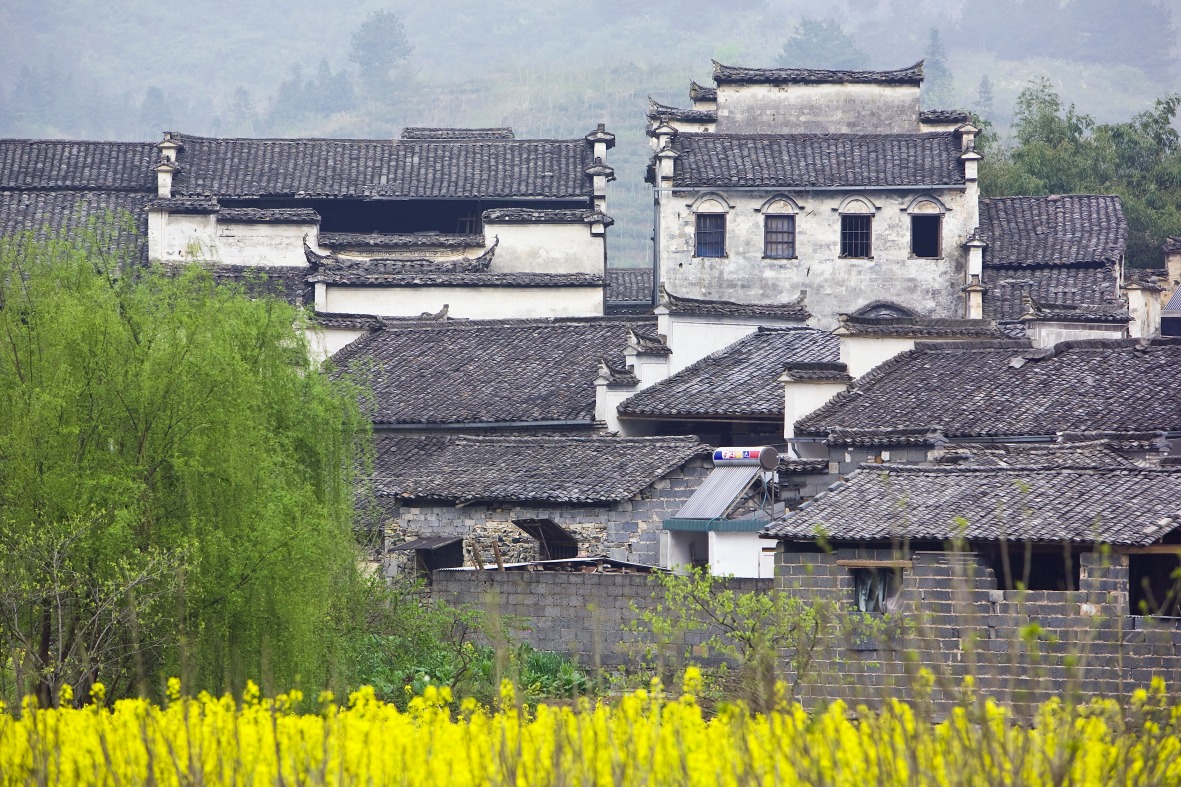
Built according to social class and thus defining the standard of living and wealth of each household, Huizhou houses generally comprise 2 to 3 stories covered in whitewash with black-tiled roofs. These ancient residences are the defining feature of these villages and reflect the traditional architecture of Anhui.
Situated almost entirely around the Yellow Mountains, the seven Huizhou villages are each surrounded by a lush, undulating landscape dotted with small forests of bamboo and pine. Favored by this very natural environment beneath the misty skies of the neighboring mountains, Huizhou agriculture, through rapeseed fields, terraced rice paddies, mulberry fields and small bamboo forests, is the most flourishing in the region.
Commerce, dominated by the merchant Hui family since the founding of Huizhou, is the most important activity of villagers. Very different from the merchants of Pingyao (the Jin of Jinzhong), the Hui were the first to establish a quality commercial relationship with customers aimed at delivering complete satisfaction and building a lasting relationship with them. The Huizhou villages are thus renowned for this sales technique, which villagers describe as a very unique merchant culture.
Furthermore, silk production and tea manufacturing, such as Mao Feng green tea, also sustain the villages. By observing the silkworm breeders, you will be surprised at the techniques employed and discover that these small larvae are generally an integral part of the breeder's home.
The Seven Huizhou Villages
- Regarded as one of the most beautiful villages in China, the village of Hongcun is famous for its artificial irrigation system that serves as a water supply source for its residents.
- By visiting the village of Xidi, which reflects the rich commercial past of Huizhou, you can meet the descendants of the Hu family, the most important merchant family of Xidi village.
- The village of Tangmo is the only Huizhou village to join the French rural tourism network and be upgraded to family hotel standards to promote rural tourism. In an atmosphere of great comfort, visitors to Tangmo are captivated by the charms of the culture and landscapes of the Anhui region.
- After Tangmo, Huizhou tourists can also discover the village of Nanping, located near the Yellow Mountains. It's an opportunity for cinematography enthusiasts to discover the location where major films were shot, including the famous "Crouching Tiger, Hidden Dragon" and "Ju Dou".
- To delve into the history of China's feudal commemorative archways called Paifang, the village of Tangyue, located in Shexian County, is an ideal destination to visit these ancient works. In visiting this village, you can admire Xuguo Arch, the most distinguished and well-known of the Xuguo arches.
- The village of Qiankou draws visitors' attention for its architecture. This part of the Anhui region is considered a living museum of traditional buildings inhabited by very conservative villagers. You can visit more than 10 traditional buildings such as the 3 ancestral halls and the Huizhou State Office, which are the symbols of the city.
- Formerly known as the village of Longxi, the village of Chengkan is the only Huizhou village that has not undergone renovation. From the moment you enter the village, marked by a large archway, visitors immediately have the impression of visiting a village frozen in time.
To better organize your visit to each village, it is advisable to rent a private car with driver.
You can take the train from Shexian Station and then take bus line 1, getting off at Fuya Huizhou Station.
You can also take bus line 4 and get off at Huiyuan Station.
Opening Hours and Fees
You can visit the Huizhou villages from 8:00 AM until 5:00 PM.
Simple strolling through Huizhou and admiring the ancient buildings is free, but you will need to pay 100 RMB per person to enter the scenic sites of the villages.
Attractions in The Villages of Huizhou
Village historique de Xidi
Classé à l'UNESCO depuis 2000, Xidi conserve plus de 120 résidences Ming et Qing du clan Hu, ses ruelles pavées et son portique de 1578, dans le sud de l'Anhui.
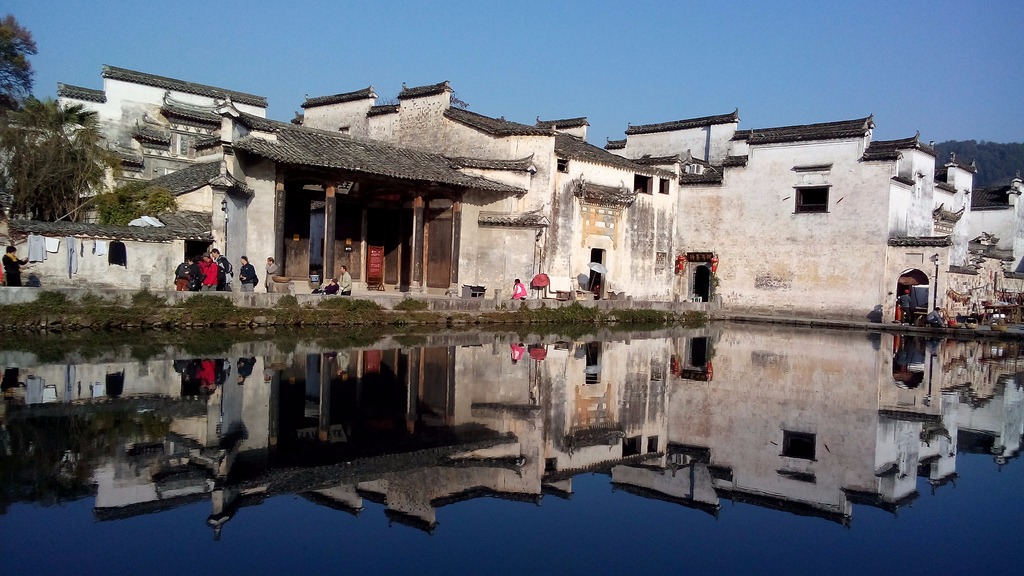
Village historique d'Hongcun
Village UNESCO du sud de l'Anhui, Hongcun aligne 150 résidences Ming-Qing, un lac en forme d'arc et un plan urbain dessiné comme un bœuf, à 40 km du Huangshan.
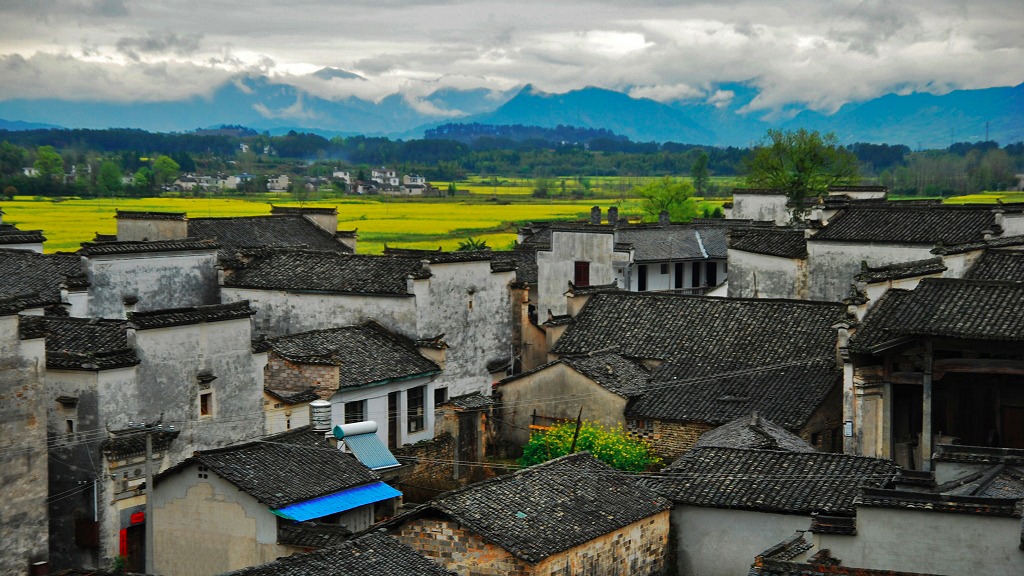
Village historique de Nanping
Bourg Huizhou de l'Anhui aux 72 ruelles et 36 puits, Nanping conserve 300 résidences Ming et Qing et huit salles ancestrales, loin des foules de Hongcun.
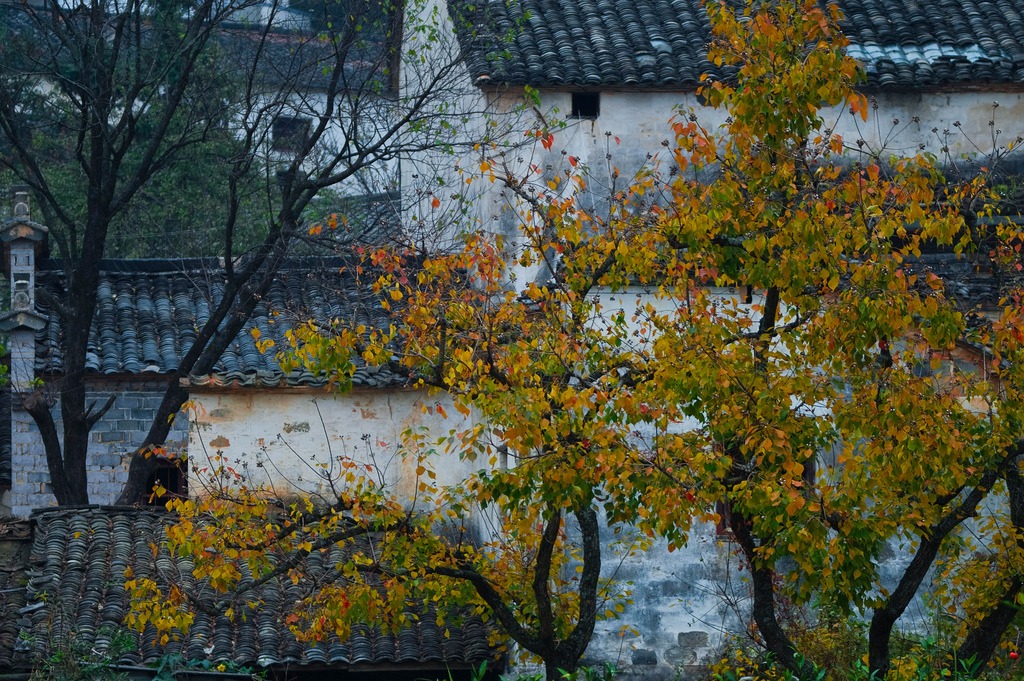
Village historique de Tachuan
Tachuan, petit village Huizhou de l'Anhui proche de Hongcun, séduit par son plan Fengshui en cascade et ses couleurs d'automne.
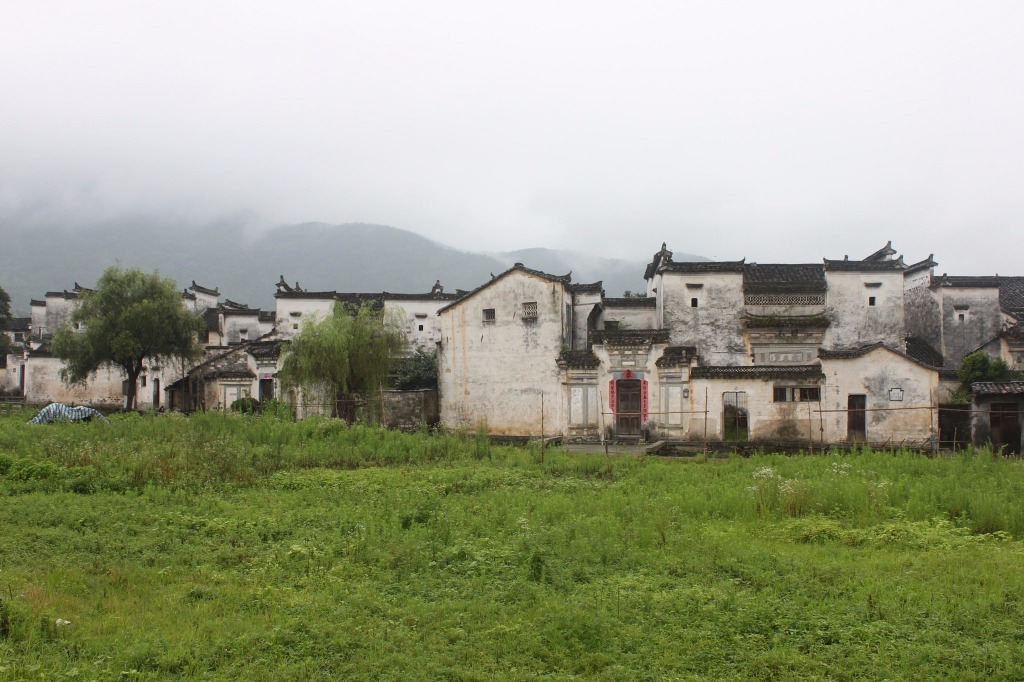
Village historique de Guanlu
À 8 km de Yixian, au pied de la montagne Huangshan, Guanlu conserve un ensemble architectural Hui authentique, dominé par le Badajia des huit frères Wang.
Want to discover this destination?
Our local advisors design your tailor-made trip.