Xiahe
Xiahe
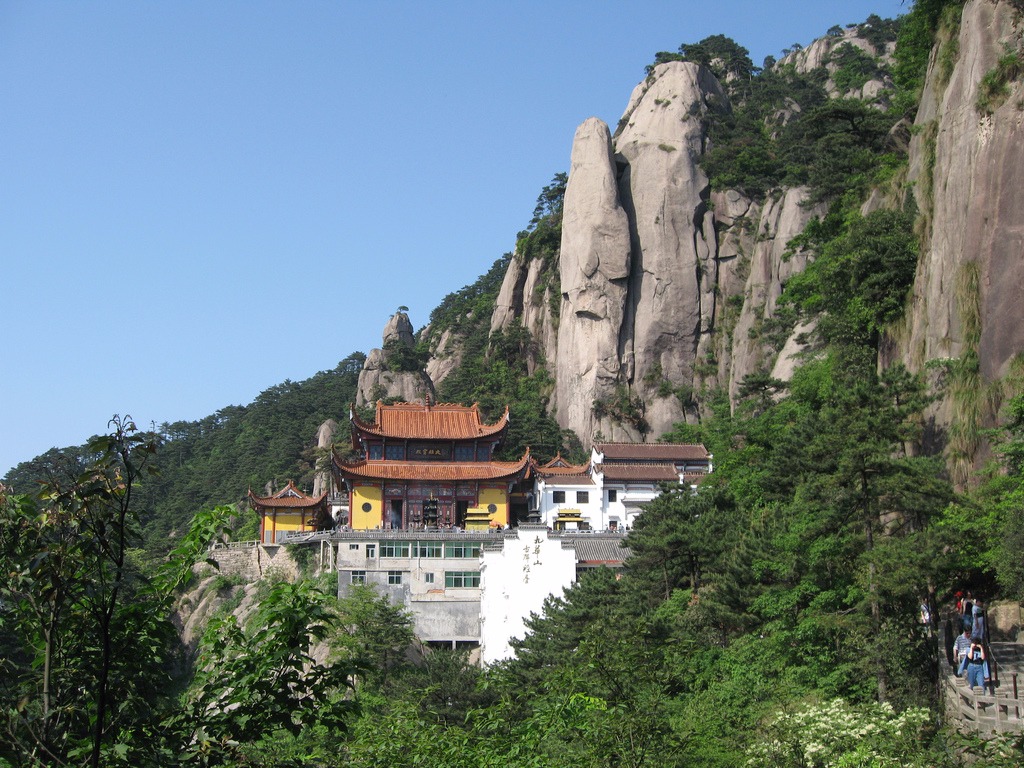
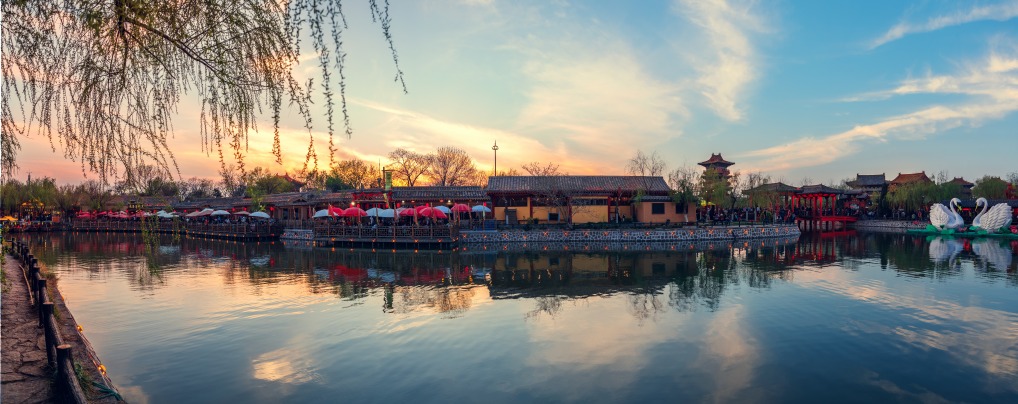
At 2,960 meters altitude on the banks of the Daxia River, Xiahe opens the doors to Tibetan Amdo: Labrang Monastery, nomadic Sangke grasslands, and the atmosphere of Little Tibet.
Name: Xiahe
Chinese Name: 夏河县
Province: Gansu
Status: District
Population: 85,000 inhabitants
Area: 6,674 km²
Xiahe is an administrative district under the jurisdiction of the Gannan Tibetan Autonomous Prefecture in Gansu province. The district's main city bears the same name and sits at an altitude of 2,960 meters on the banks of the Daxia River.
History
Xiahe was inhabited by the Qiang people during the Spring and Autumn period (770 BC – 476 BC). The city was subsequently occupied by the Xianbei, Tubo, and Mongols.
During the Western Han period (206 BC – 24 BC), Xiahe was known as Baishi County, then as Mongxi County during the Eastern Han (25 – 220), Jingxing County during the Jin period (265–316), Huaiqiang County during the Northern Song (960 – 1127), and finally Labrang under the Qing dynasty (1644 – 1911).
The county was eventually renamed Xiahe in 1928.
Today
Situated in the heart of magnificent valleys and mountains, traversed by the Daxia River, Xiahe is a sought-after base for travelers wishing to discover the spectacular Gannan Tibetan region.
It is sometimes nicknamed "Little Tibet" because of the strong Tibetan influence present there, particularly in the practice of Tibetan Buddhism and the many ethnic traditions.
The city is known for housing the famous Labrang Tibetan Monastery, the most important after those in Lhasa. As a pilgrimage destination, it is not uncommon to encounter Tibetan pilgrims dressed in their finest costumes. Blending in with the monks in red robes and pilgrims within the monastery will give you the impression of entering an imaginary world and offer you an unforgettable experience.
A few kilometers away stretch vast grasslands that will give you the opportunity to experience nomadic life. The verdant pastures covered with wild flowers will offer you a pleasant sense of freedom and return to nature.
The pure air that emanates from Xiahe and the peaceful atmosphere will be welcome, especially if you have already stopped in Lanzhou.
The city itself is home to a majority Tibetan population, but also Mongols, Hui, and Han. It consists mainly of small Tibetan, Mongolian, and Muslim shops and restaurants. You can taste wonderful culinary specialties and share smiles with locals who will be delighted to hear your thoughts about your meals.
Climate
Xiahe has a typical continental plateau climate. The weather is temperate and semi-arid in the north, and cold and humid in the south. Wind picks up in winter and spring, while rain appears in summer and autumn.
The average annual temperature is around 4°C, with averages of 8 to 14°C in summer. In winter, temperatures can drop below –20°C.
Autumn is the best time to visit the region.
There is no airport in the area around Xiahe. It is therefore recommended to fly to Zongchuan Airport (Lanzhou) and then take a bus to Xiahe.
The city is relatively small; you can get around on foot or take a three-wheeled motorcycle that will take you wherever you want to go.
What to Do in Xiahe?
- Immerse yourself in the Tibetan atmosphere at Labrang Monastery.
- Discover nomadic life in the Sangke grasslands.
- Take an excursion to explore the Ganjia grasslands.
- Cycle around the Tarzang Lake.
Discover everything there is to do in Xiahe!
Attractions in Xiahe
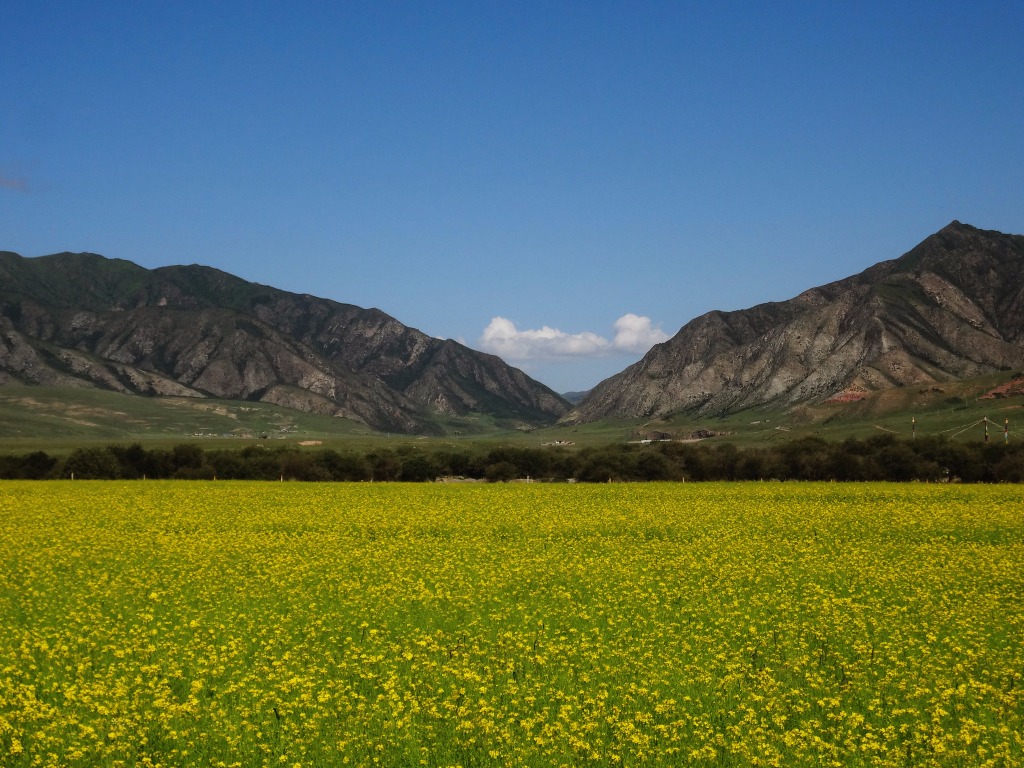
Prairie de Sangke
À 15 km de Xiahe dans le Gansu, la prairie de Sangke s'étend sur 70 km² à 3 000 m d'altitude, entre yourtes nomades, troupeaux de yacks et rivière Daxia.
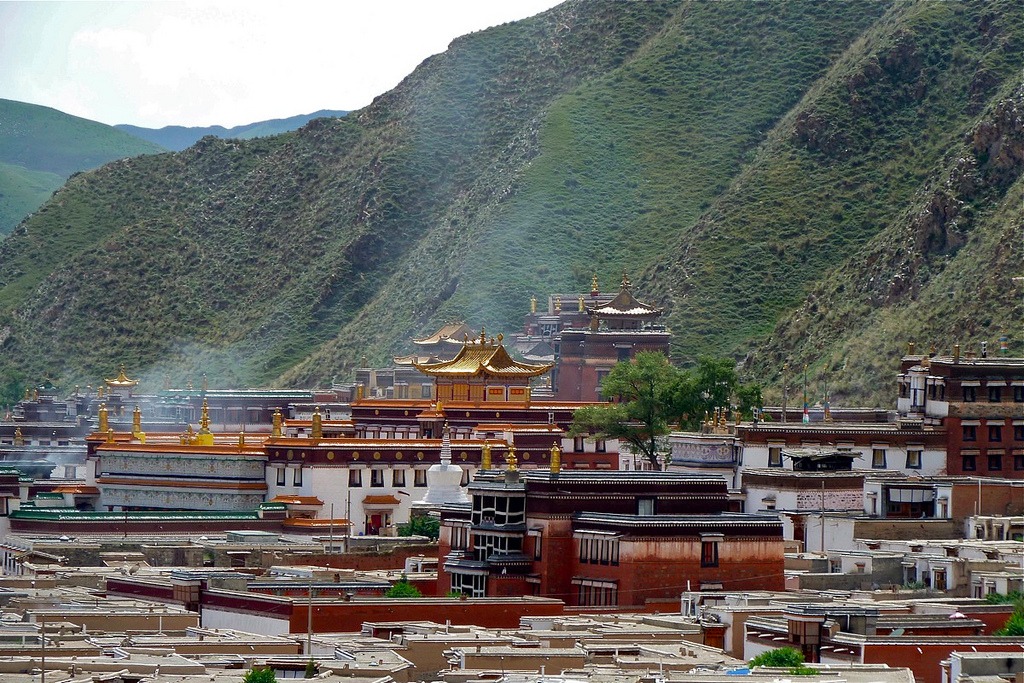
Monastère de Labrang
Fondé en 1709 à Xiahe, Labrang est le plus grand monastère Gelugpa hors du Tibet et le centre religieux tibétain de l'Amdo.
Steppes de Ganjia
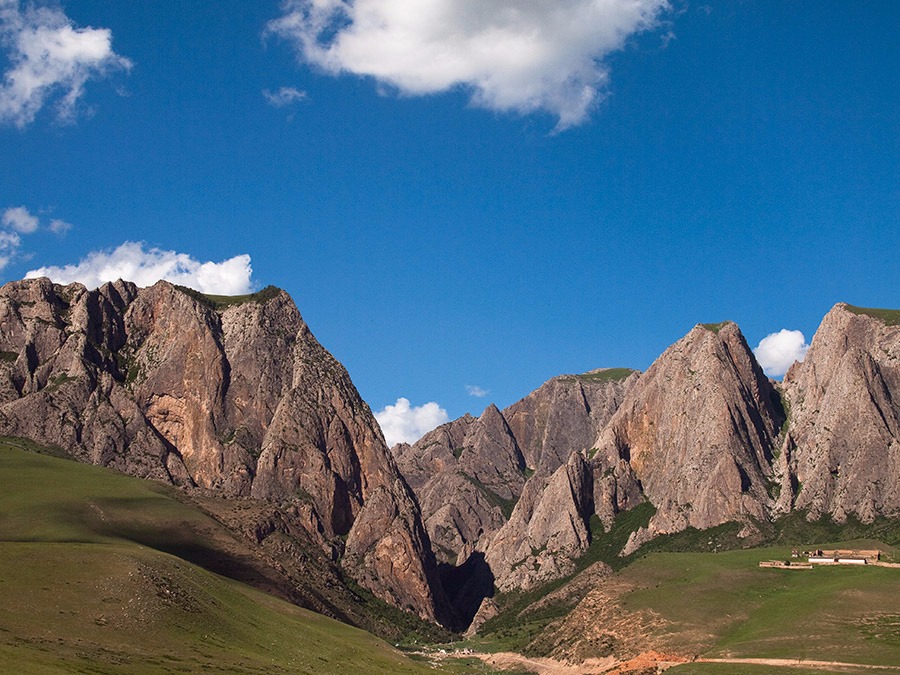
À 34 km de Xiahe, les steppes de Ganjia déploient pâturages d'altitude, vie semi-nomade tibétaine, monastère gelugpa et village Han fortifié de Bajiao.
Want to discover this destination?
Our local advisors design your tailor-made trip.