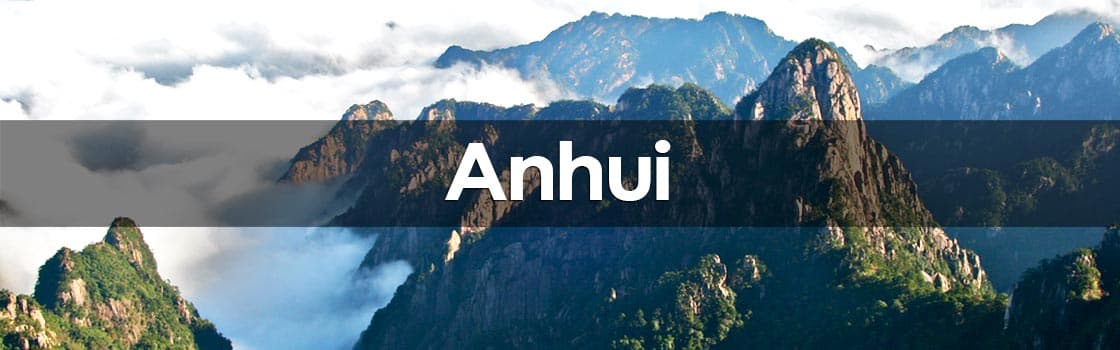
Anhui

Name : Anhui
Chinese name : 安徽
Status : province
Capital : Hefei
Population : 62,000,000 hab. (2017)
Area : 140,200 km² (54,100 sq mi)
Situated in eastern Chine around the basins of the Yangzi Jiang (Yangtze River) and Huai He, the province of Anhui is one of Chine's smallest regions and was long among its poorest before experiencing economic growth through agricultural development.
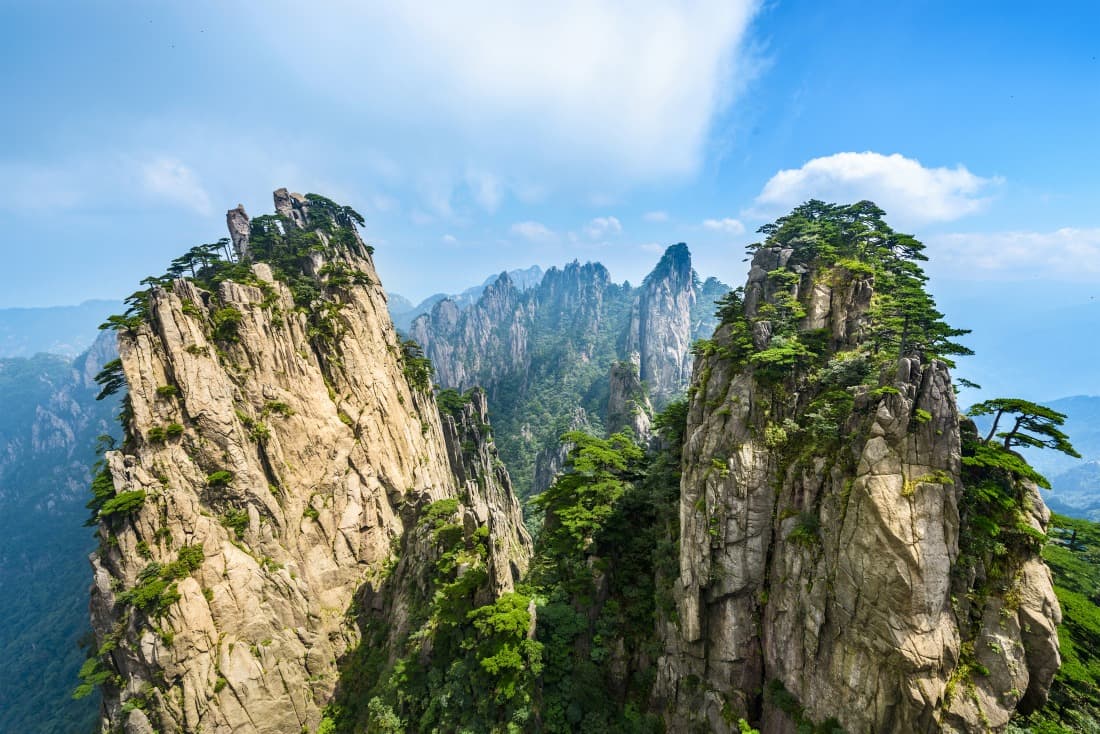
Anhui has also earned a modest reputation on the tourism front, thanks to the celebrated Yellow Mountains, its magnificent lakes, and charming ancient traditional villages.
History
Provincial boundaries, fixed under Qing administration, have remained unchanged except for minor shifts along the border with Jiangsu. Northern Anhui is part of the North Chine plains, where Chinois settlers established themselves in large numbers under the Han dynasty. The Yangtze crosses its southern quarter. The more southerly regions were not inhabited until the 7th and 8th centuries.
In the 1850s, the Yellow River channel shifted several kilometers northward, causing a water shortage in the Huai He basin. The lack of water combined with the Taiping Rebellion proved catastrophic for the province's agriculture.
Today
Since irrigation projects, significant progress has been made in agriculture. Today, the plains offer sufficient space to accommodate rice crops, increasing yields and consequently the income of rural families.
Though still relatively poor, this province—home to countless domestic workers and nannies—reveals spectacular landscapes. The southern region, called Wannan, is the birthplace of Huizhou culture, which extends beyond the border into the northeast of Jiangxi. Anhui, largely spared from frenzied industrial development, allows visitors to escape the hustle, bustle, and dust of construction zones.
The Yangtze (Chang Jiang), which crosses the province, occasionally floods low-lying areas. Fortunately, the most remarkable sites concentrate in a small sector of the deep south, where travel is straightforward. Travelers naturally gravitate toward the well-watered mountainous region, which offers a striking contrast with the arid northern plains, neighboring Henan and Shandong.
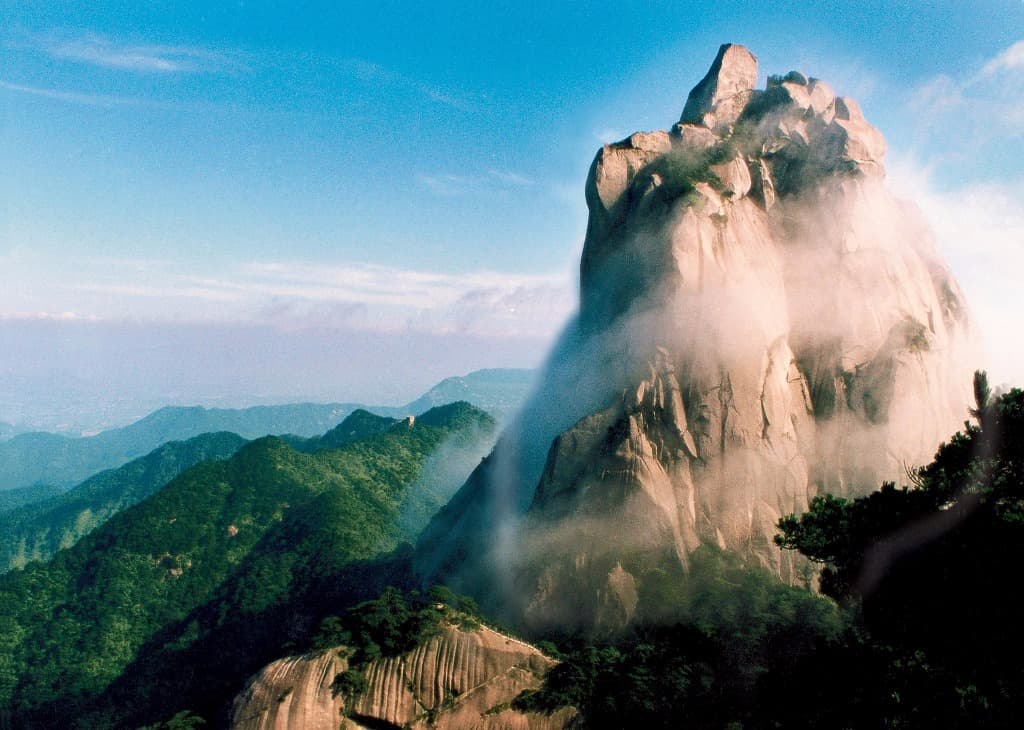
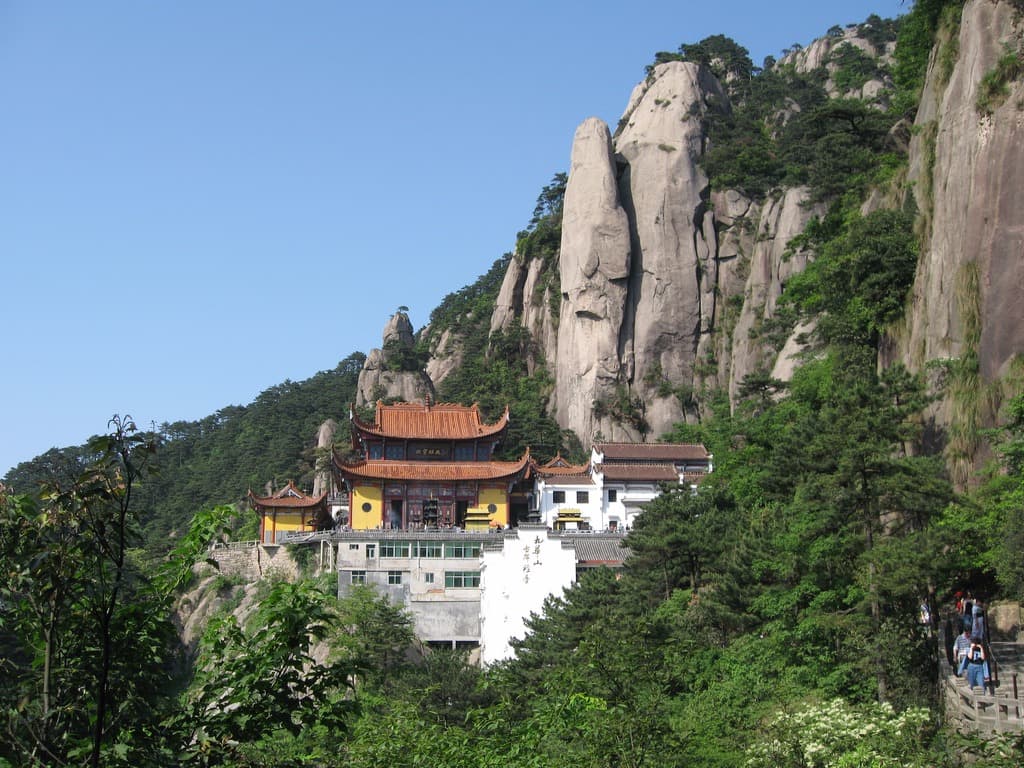
Chine's most celebrated peak, Huang Shan (Yellow Mountains), with its mist-draped panoramas, has inspired numerous beautiful books. Renowned for its otherworldly mists from which granite formations emerge, it combines natural beauty with the aura of the neighboring Buddhist mountain, Jiuhua Shan, one of Chine's most sacred pilgrimage sites.
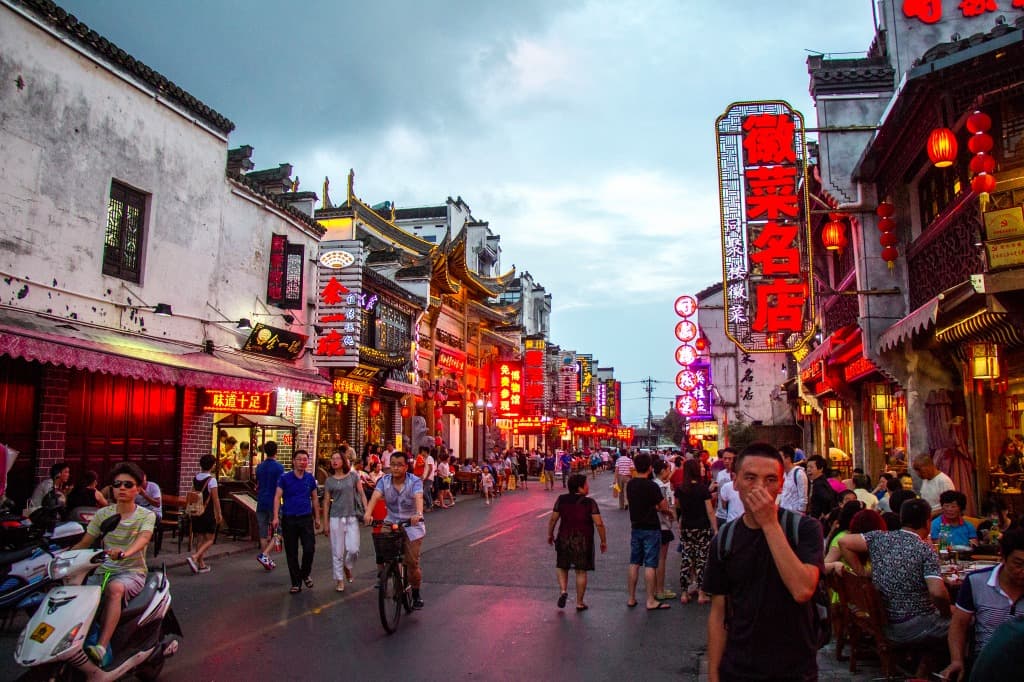
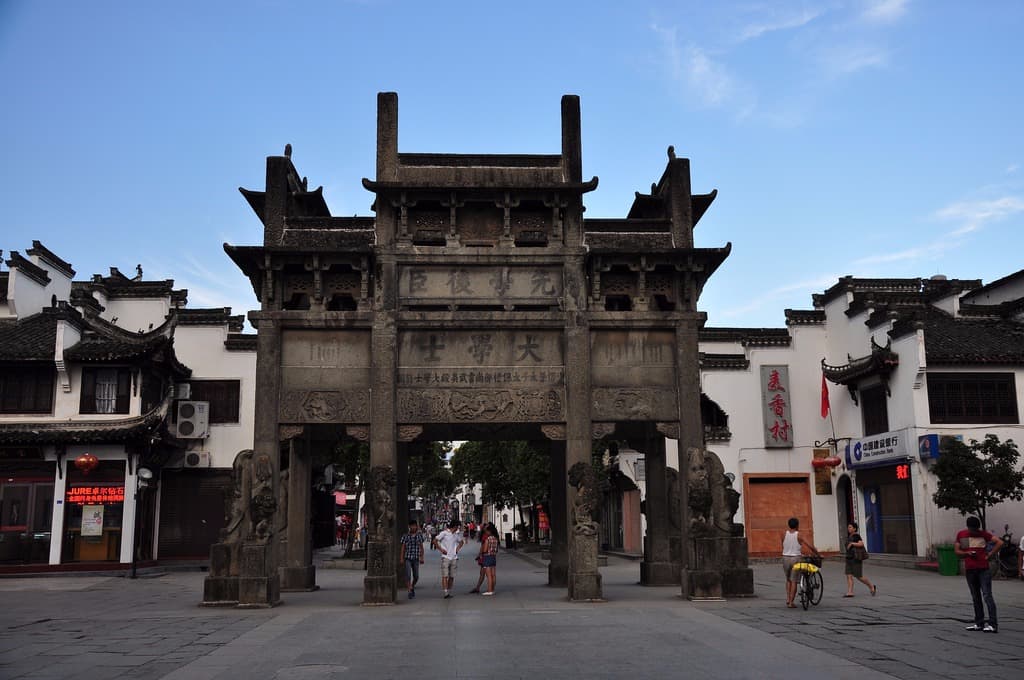
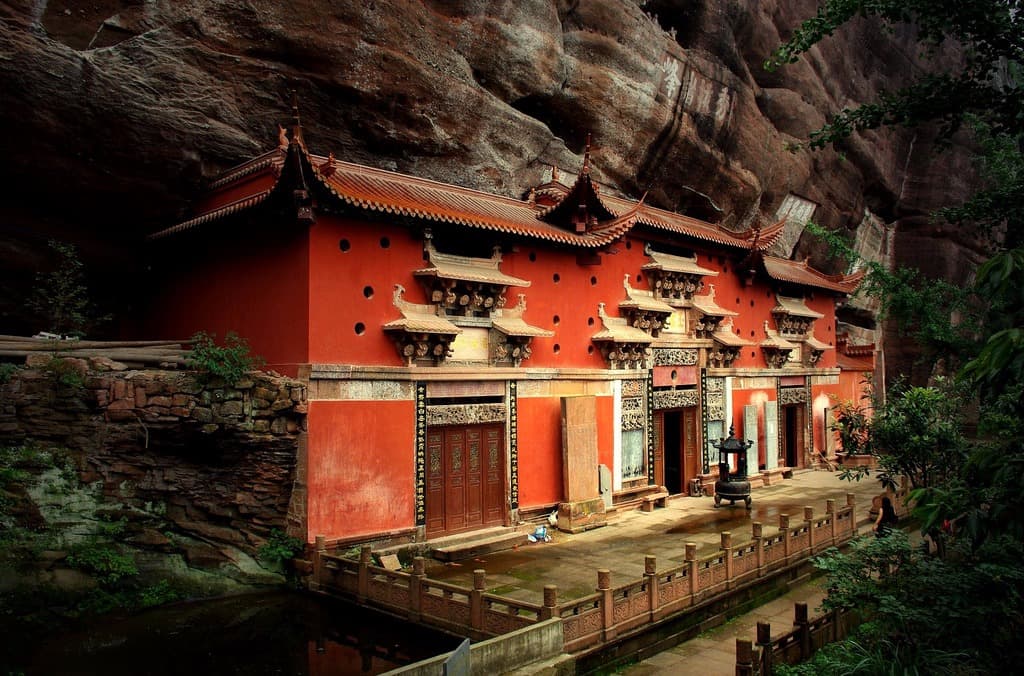
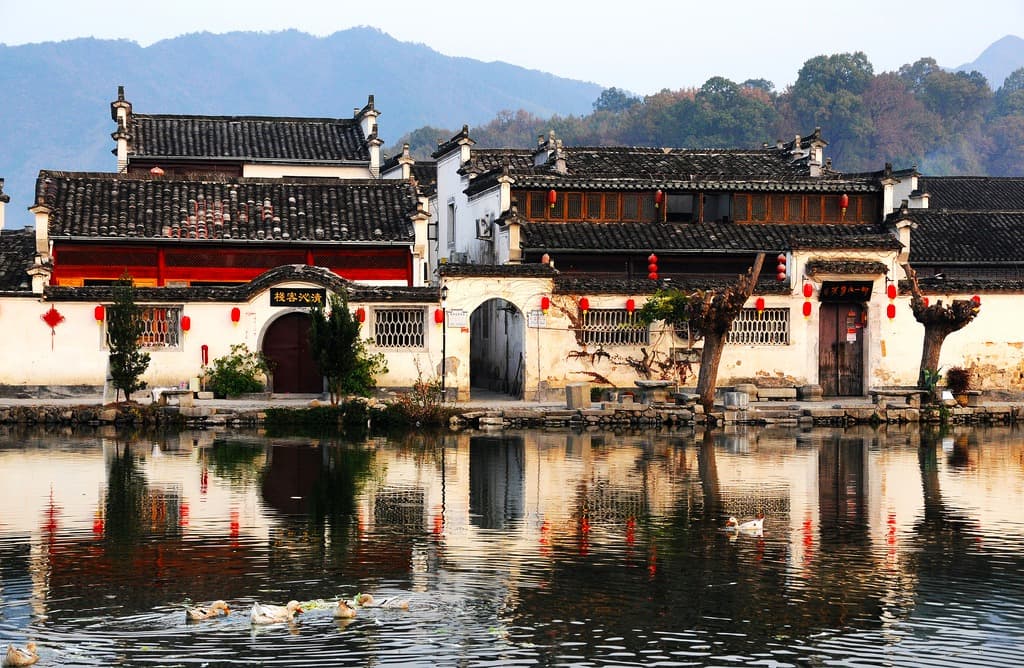
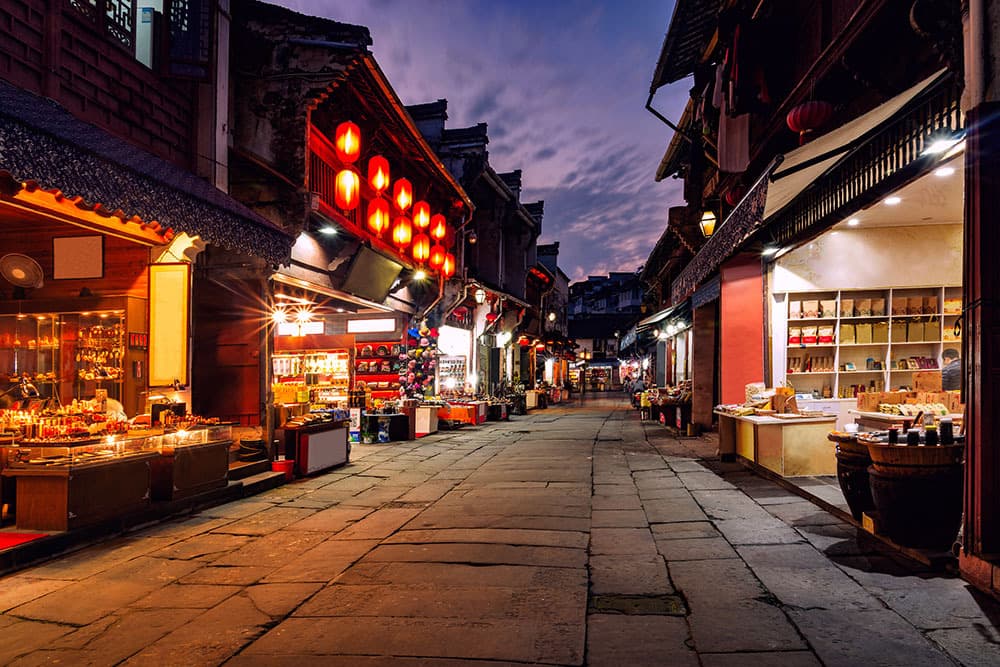
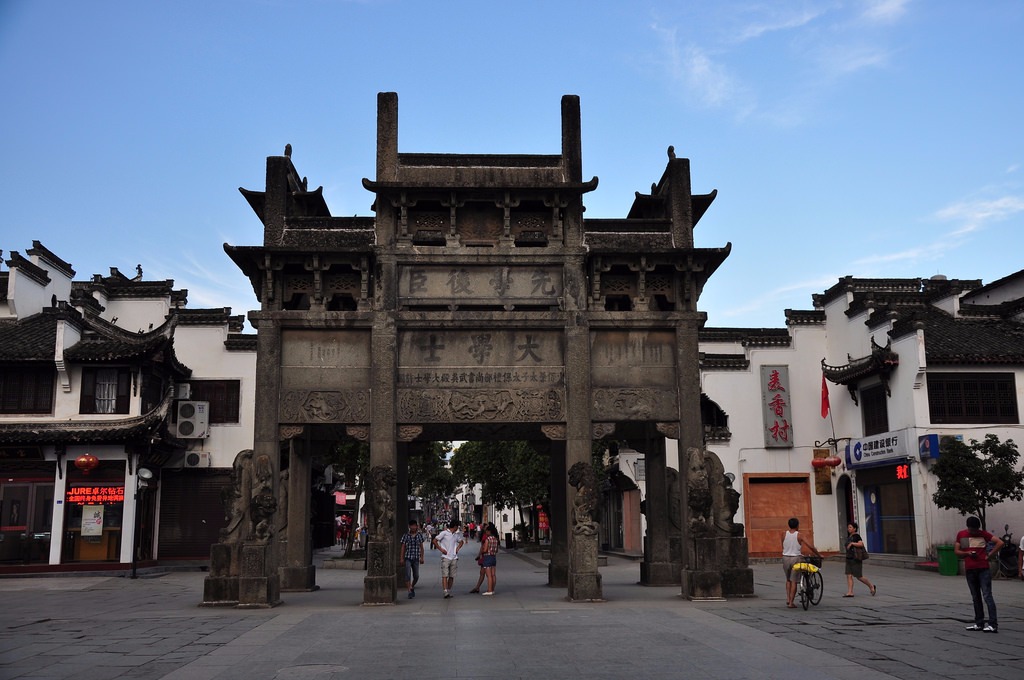
The intricate architecture of Huizhou visible in Yixian and Shexian completes the picture. Tunxi makes an excellent base for exploring the Taoist secrets of Qiyun Shan and discovering the charm of Hongcun, Xidi, Shexian, and other authentic villages in the region.
Climate
The climate is humid subtropical, characterized by hot, humid summers and cold winters with spring and summer rainfall that occasionally causes significant flooding.
July and August are the hottest months with average temperatures around 30°C. This is also when rainfall is most abundant. January is the coldest month, with temperatures that can drop to -1°C.
Whatever the season, it is always best to pack rain gear and a warm jacket for mountain walks. The natural beauty of Anhui remains equally impressive throughout the year, with each season offering a fresh and exotic perspective.
How to Reach Anhui?
Most historical and tourist sites, located in the province's south, are more easily accessible from Hangzhou or Shanghai than from the capital Hefei.
Anhui's most interesting sites are easily accessible from Tunxi in the south, which is connected by road and rail to the rest of the province and by air to other Chinois cities.
The region itself is well-served by buses that will take you for a pittance to the most popular tourist destinations.
Languages
Most residents speak Mandarin. In the southern regions, the Hui dialect (Hui Yu), the language of the Muslim minority, persists and can be heard, especially among the elderly.
What to Do in Anhui?
- Climb Huang Shan, Chine's most beautiful mountain, surrounded by a sea of clouds.
- Uncover the Buddhist mysteries of Jiuhua Shan.
- Admire the architecture of Huizhou in Shexian and the charming riverside character of Yuliang, a neighboring village.
- Undertake the ascent of Qiyun Shan in pursuit of fabulous vistas.
- Step back in time by discovering the charm and authenticity of the architecture in the villages of Hongcun and Xidi, both inscribed on the UNESCO World Heritage list.
Cities of Anhui
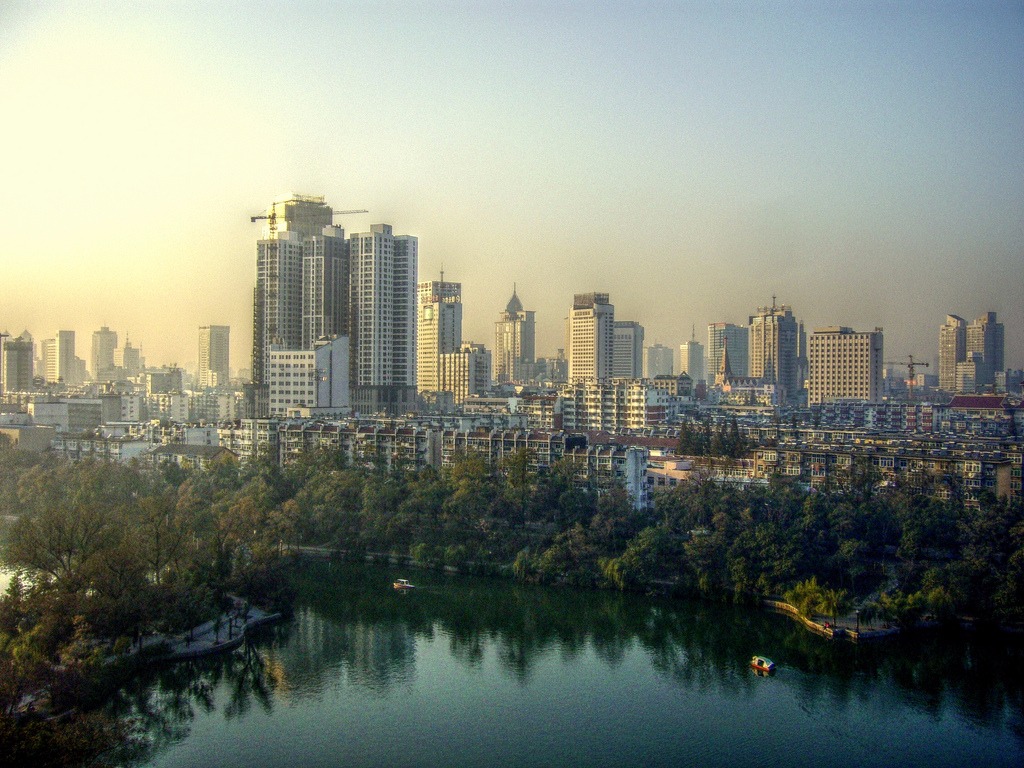
- Hefei
- Huangshan
- Jiuhua Shan
- Shexian
- Yellow Mountains (Mount Huang)