Beijing or Shanghai, which one to choose?
Beijing and Shanghai. Here are the two most sought-after Chinese metropolises in the country. Yet, almost everything sets them apart. While one is steeped in tradition and history, the other shines with its moderni
Beijing and Shanghai. Here are the two most prominent Chinese metropolises in the country. Yet, almost everything sets them apart. While one is steeped in tradition and history, the other shines with its modernity. Where one evokes China of yesterday, the other offers a glimpse into China of tomorrow. So, Beijing or Shanghai for your next trip to China? We'll tell you everything we love about each of these two cities to help you resolve your dilemma!
What we love about Beijing
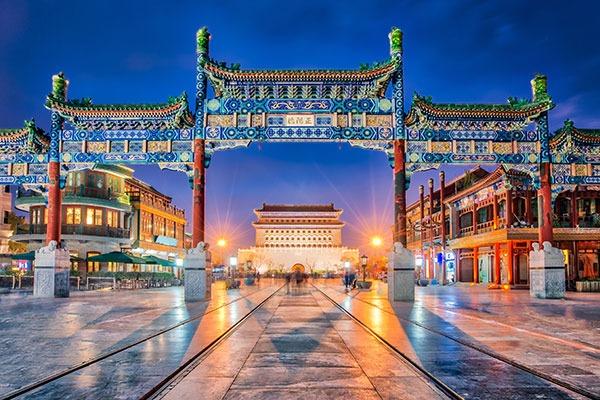
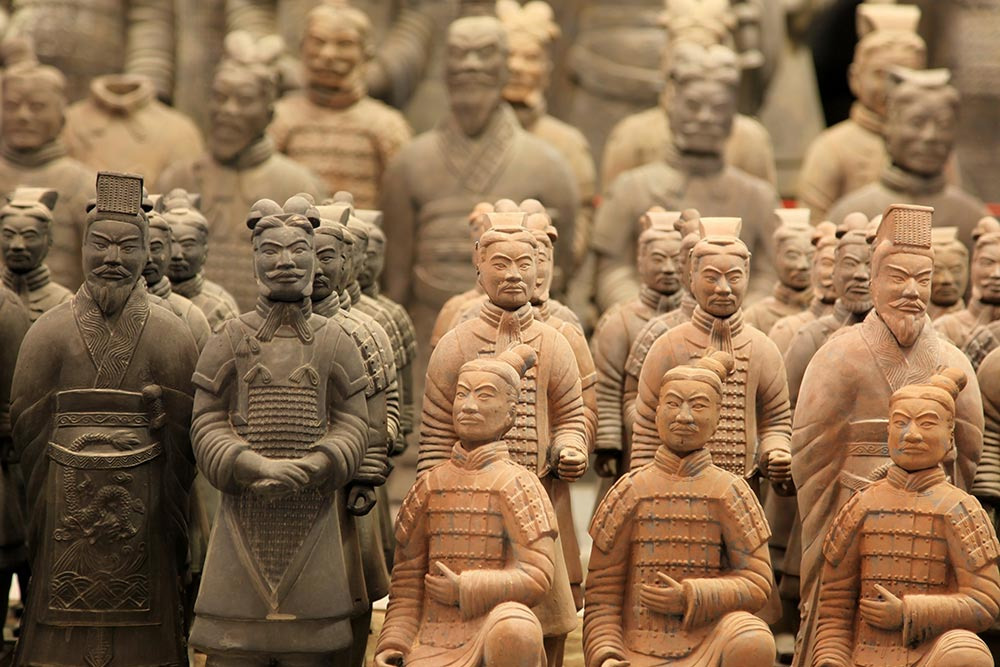
Historical capital for nearly a thousand years, Beijing is often characterized by traditional Chinese culture. Indeed, it served as the seat of power for six different dynasties for nearly 800 years. Each dynasty left its own cultural imprint and vestiges throughout the city. Though partially rebuilt, it remains a city laden with history. The architecture of the hutongs is a perfect example, as these distinctive alleyways date back to the Yuan dynasty in 1300! Not to mention the legendary Great Wall, that monumental line of defense, and imperial palaces such as the Forbidden City… In short, Beijing abounds with treasures to discover for all history and tradition enthusiasts.
That said, since the 2008 Olympic Games, Beijing has modernized considerably. You'll find ultra-modern monuments such as the Bird's Nest and the Water Cube, as well as trendy venues (bars, restaurants, boutiques, hotels…). For all these reasons, Beijing is a prime destination for a trip to China. Better than any other city, it will immerse you in China past and present…
What we love about Shanghai
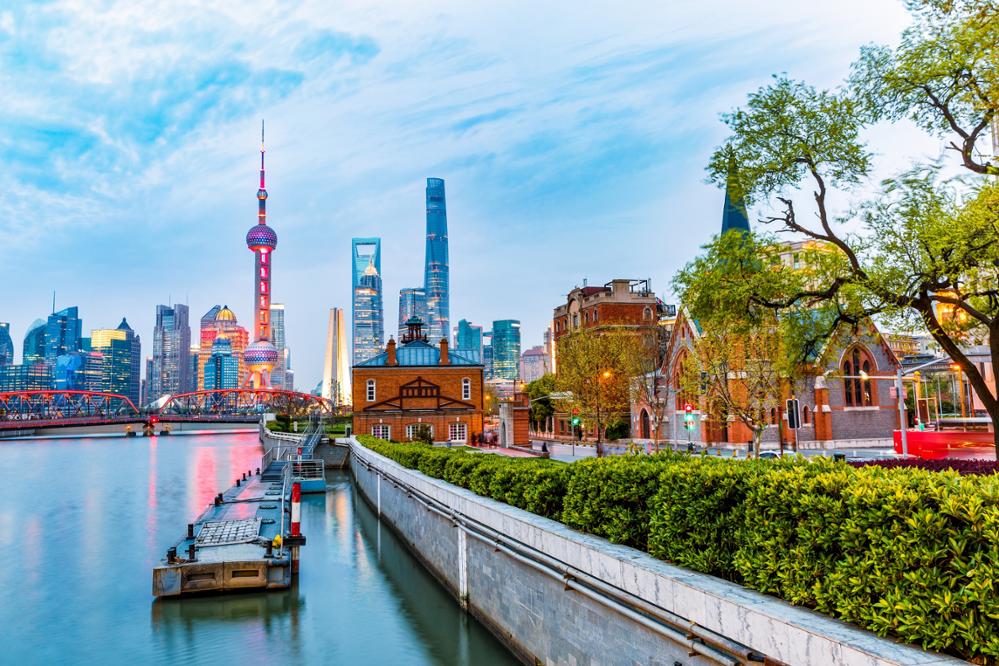
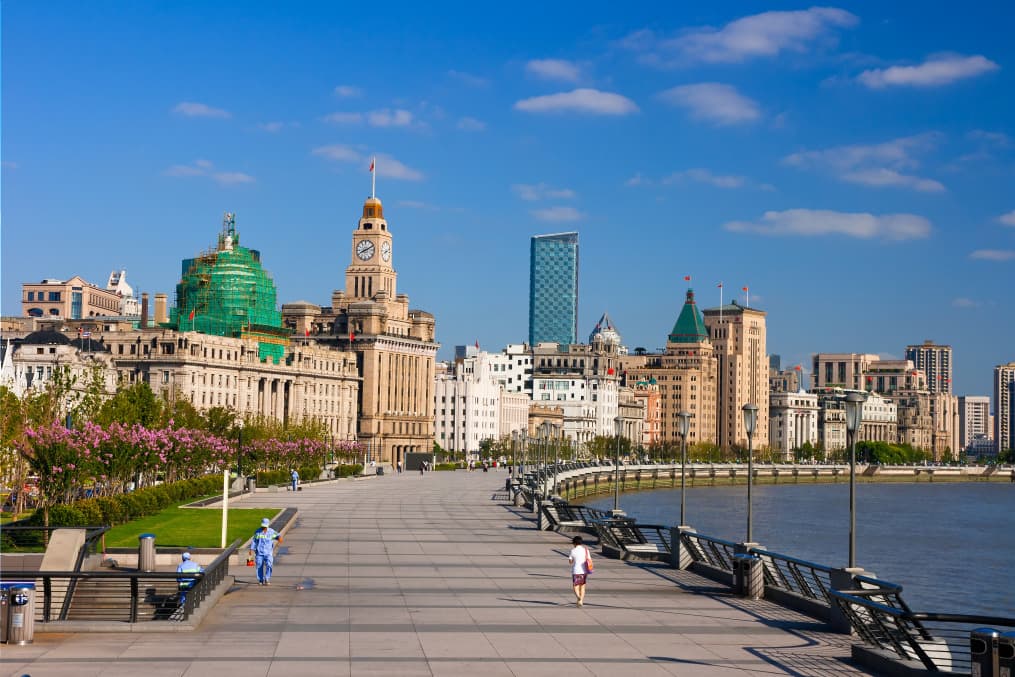
With over 24 million inhabitants, Shanghai is the most populous and largest city in China. Unlike Beijing, it is a recent city. In fact, it was merely a fishing village with a modest port at the turn of the century. It wasn't until 1949, with the Communist takeover, that Shanghai began its rise. Since then, it has continuously developed and has even become the center of China's cultural and political power, eclipsing Beijing. In 1980, with the policy of economic opening, development accelerated so dramatically that the city became the economic and financial hub of China. This spectacular evolution has allowed it to rival the world's greatest economic metropolises.
As you've gathered, Shanghai is not characterized by its historical remnants but rather by its modernity, as evidenced by the architecture of its many skyscrapers in the Pudong district. Cosmopolitan and open to the world, Shanghai delights city dwellers and attracts numerous expatriates. The latter have little trouble integrating into a city with Western flair, which might be nicknamed « China of tomorrow ».
In brief
Much like the Yin and Yang inspired by Chinese philosophy, Beijing and Shanghai offer a fine balance in representing the country. They are, in a sense, the two faces of China. The first city reflecting authentic, popular and traditional China. The second city representing modern and innovative China. It's up to you to decide which China you wish to discover…