Top 10 Things to See in Inner Mongolia
The urge to travel often goes hand in hand with the desire for sunshine, fresh air and wide-open spaces.
The urge to travel often goes hand in hand with the desire for sunshine, fresh air and wide-open spaces. Finding yourself breathing the pure mountain and forest air in the middle of nowhere can be deeply satisfying and becomes a solitary pleasure that many travelers seek out.
I can see it coming: "But Chine is overpopulated and even polluted, so how can you satisfy this craving for pure air?" The answer comes in two words: Inner Mongolia!
Located in northern Chine, Inner Mongolia is a vast autonomous region whose border line between Mongolia and Russia stretches over 4,221 km. Inner Mongolia, still relatively unknown to tourists, is nonetheless brimming with incredible picturesque and historical sites. It also offers breathtaking panoramas with its grasslands, plains and deserts. Divided into two parts, one composed of steppes and vast prairies, the other home to the desert, Inner Mongolia has much to offer both in terms of landscapes and cultural sites, with its numerous pagodas and Tibetan Buddhist temples.
Here's a quick overview of 10 things to do in Inner Mongolia.
1 A Brief Stop in Hohhot (Capital)
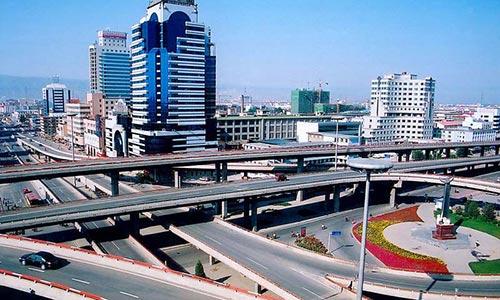
Hohhot is the capital of Inner Mongolia. This major Chine city remains charming and holds a particular appeal when you take the time to discover its minorities and customs. Alongside the main streets, the capital offers numerous lively alleyways, especially as night falls. Wandering through its winding streets allows for culinary discoveries that can sometimes surprise and offers a chance to immerse yourself in the bustling life of cultural diversity. Hohhot is often a necessary stopping point before or after steppe stays. Hotels, restaurants, cinemas and nightclubs can also be appreciated.
2 Horseback Riding Through the Huitengxile Prairies
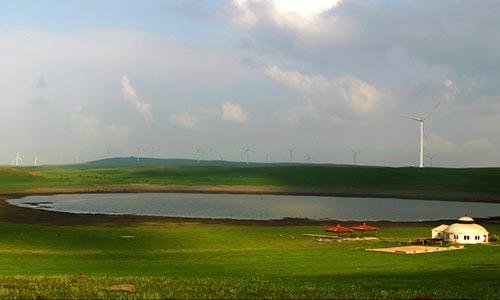
Located 135 km from Hohhot, the Huitengxile steppes stretch over more than 100 km from east to west. Huitengxil means "cold prairie" in Mongolian due to its fairly low temperatures year-round. Huitengxile is filled with lakes and mountains to discover among the vast expanses of grass and flowers. The Huitengxile prairies are renowned for their beauty and the tranquility that reigns there. Tourists can easily enjoy long horseback rides or camel treks. It's also possible to meet local inhabitants who will be delighted to let you taste their dairy products. For an afternoon, archery sessions or Mongolian wrestling can be arranged to immerse yourself in Mongolia's sporting culture. For the more adventurous, it's possible to pitch a tent in the middle of the steppe and enjoy the starry sky and the cool night air.
3 Visit the Oldest Buddhist Temple in Hohhot - Dazhao Temple
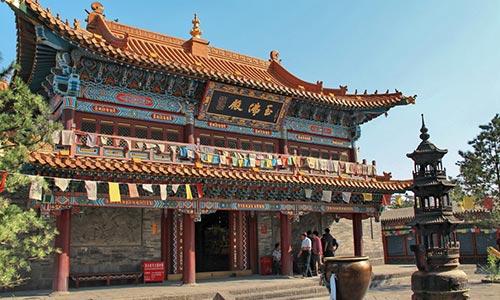
Located in the Yuquan district of Hohhot, capital of Inner Mongolia, the Dazhao Temple, also known as the Wuliang Temple, was built in the seventh year of the reign of Wanli of the Ming dynasty (1579). Dazhao Temple is the largest and oldest Buddhist temple in Hohhot. It houses a 2.5-meter-high silver statue of Buddha. The temple is today a well-known tourist attraction for its impressive buildings, magnificent statues, Tibetan frescoes and the giant silver Buddha.
Temple open daily from 8 a.m. to 6 p.m.
Admission: approximately 30¥ for standard rate and 15¥ for student rate
How to get there: Buses 6, 38, 42, 58 or 59 and get off at Dazhao Station.
4 Listen to the Singing Dunes of the Kubuqi Desert
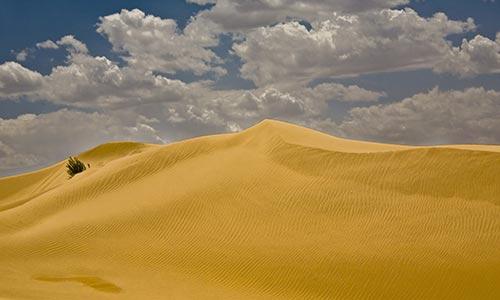
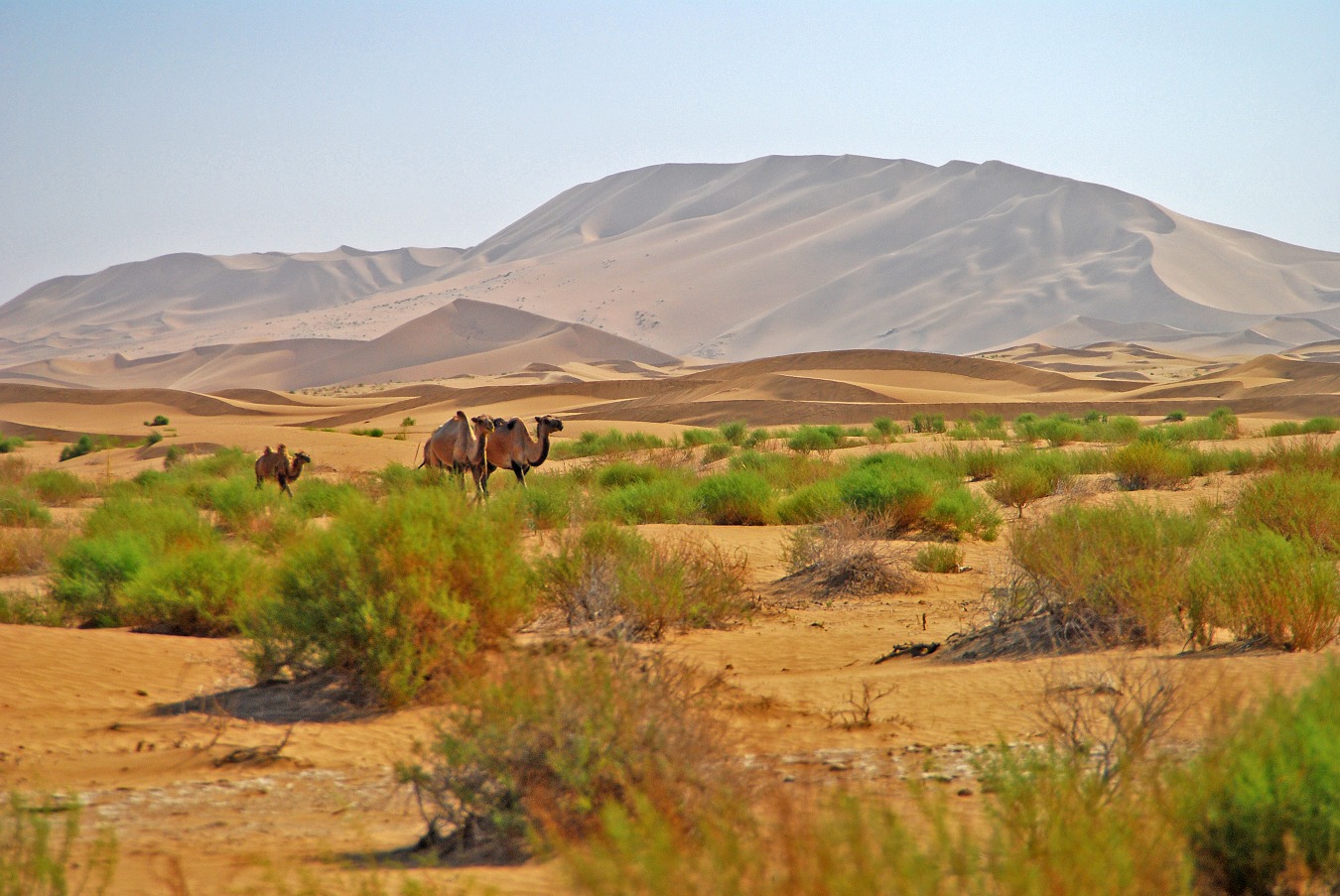
Kubuqi is one of the largest deserts in Chine. South of the famous Gobi Desert, the Kubuqi Desert is renowned for its singing dunes from which emerge particular sounds like the noise of drums or a passing train. The singing sand gorge is not easy to access with its 90 meters of height and a 45° slope but won't scare the most daring among you. The desert offers various attractions perfect for a full day. Camel rides, sledding down the singing dunes and go-kart racing. This desert also offers a breathtaking panorama between the expanse of yellow sand dunes and the blue sky that promises surprising photos and a unique experience.
5 The Wudangzhao Monastery
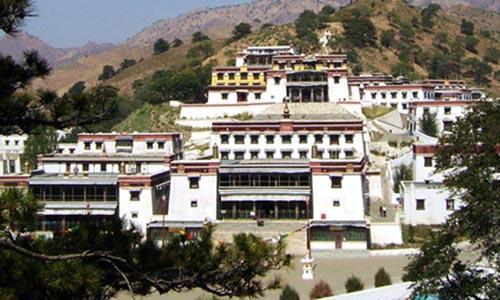
The Wudangzhao Monastery is the largest lamasery in Inner Mongolia. Located in the mountains 70 km from the city of Baotou, it offers an exceptional setting for all visitors. Highly impressive and in perfect condition, this Tibetan-style monastery contains nearly 1,500 Buddha statues and has approximately 2,500 rooms. Visiting the temple is a true historical and cultural discovery. Each room contains paintings and treasures more impressive than the last. The exterior visit allows you to admire the countless prayer wheels while soaking in the serenity and beauty of the place. The terraces offer views of the hills and mountains, each contributing its own particular interest. Difficult to access, the monastery remains peaceful and promises a visit in complete tranquility.
Admission: 60¥
6 Rest at the Hexigten Geopark
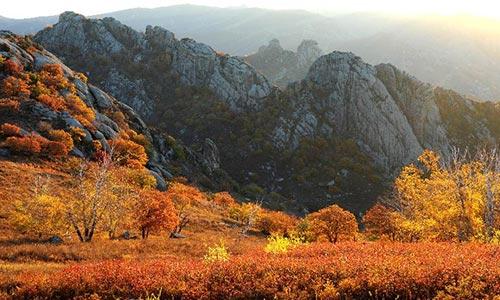
The park is located in Hexigten Banner, 210 km northwest of the urban area of Chifeng city and 400 km north of Beijing. Hexigten is a unique geopark with distinctive geological heritage offering stunning natural landscapes. The park covers an area of 1,750 km² divided into eight distinct zones due to its specific geographical location and particular geological context. You'll find glacial reliefs, granite reliefs, volcanic reliefs, grasslands, lakes, rivers and wetland areas. In spring, the park offers a spectacular display of colors through its variety of flowers. A tourist zone to the northeast is renowned for wellness retreats, outdoor walks in the Huanggangliang Forest Park and the Reshuitang Hot Springs.
7 Tomb of Wang Zhaojun
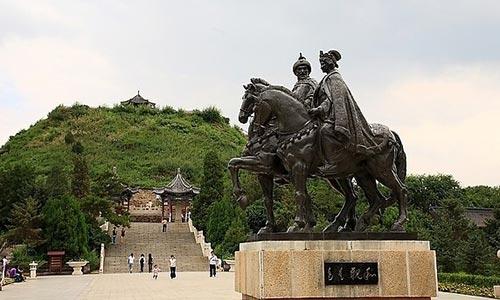
Also called the verdant tomb because of the grass that covers it, the Tomb of Wang Zhaojun is located 9 km from the capital Hohhot. The tomb of Wang Zhaojun is counted among the eight famous tourist sites of Hohhot. Built of rammed earth, the tomb rises to 33 meters in height. The tomb is an integral part of a 1.3-hectare park. From the top of the tomb, you will be able to admire the steppes and mountains in the distance. Today an essential tourist complex in Hohhot, a visit to the tomb promises a day rich in attractions with small dance and music performances, exhibitions and peaceful strolls. In the evening, you can meet certain shepherds on the periphery who will welcome you for a tasting of local dishes or a night in a yurt.
Admission: 65¥
8 Marvel at the Hulun Buir Grasslands
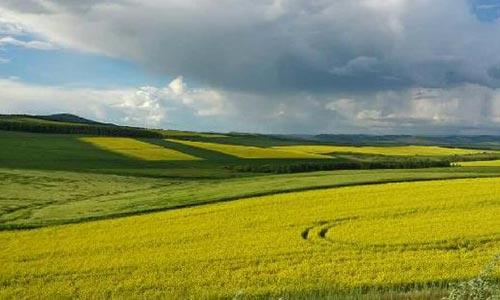
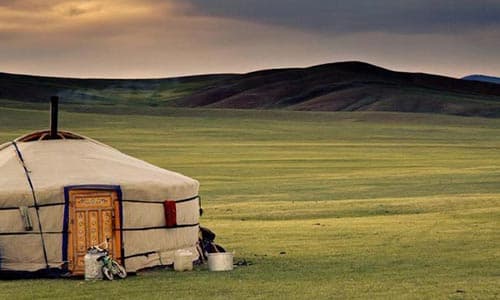
The Hulun Buir region is located in the northeast of Inner Mongolia. This area brings together numerous ethnic minorities, promising great variety in customs and traditions throughout the region. Hulun Buir is primarily renowned for its magnificent grasslands covering an area of 93,000 km². The grasslands blend into an immense green carpet still perfectly preserved. Dotted with yurts, flocks of sheep, winding rivers and lakes, the Hulun Buir grasslands offer an authentic panorama. Tourists can enjoy long horseback or camel rides and take boat trips on the lakes. As night falls, you'll find yourself in the company of locals in yurts sampling typical meat dishes and the famous dairy products.
9 Mausoleum of Genghis Khan
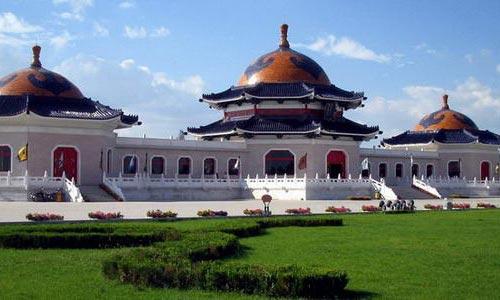
Entirely dedicated to the memory of Genghis Khan, this grand architectural complex contains several ensembles including a statue of the Mongolian emperor in white marble, 5 meters high. The Mausoleum of Genghis Khan is located in the city of Ordos. Of traditional Mongolian style, the mausoleum features several palaces in the form of yurts, each containing tombs and ancient objects. A true place of remembrance, you will encounter Mongols and Chinese who have come to place incense and admire the "eternal" flame that has been burning for 600 years. The palaces and statue are impressive structures and still very well maintained.
Admission: 110¥
10 The Arxan National Geological Park
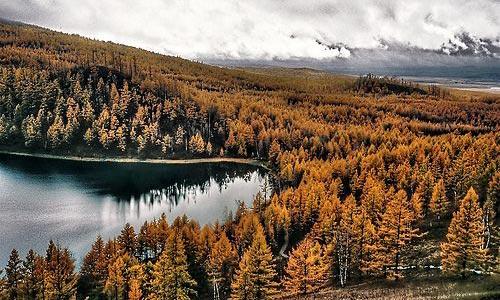
Located in the southern part of the Great Khingan, the Arxan National Geological Park, with a total area of 802.58 km², is Chine's largest geopark of thermal springs and volcanoes. It features numerous lakes and rivers and an impressive diversity of plant life. A protected natural park, it also contains more than 60 species of birds. Beyond its unique landscape, it has abundant natural springs, which are used to produce drinking water or for thermal bathing. Mountains, grasslands, forests, volcanic lakes... the Arxan park attracts tourists from around the world, and for good reason.
Admission: 180¥ in high season and 150¥ in low season
How to get there: Take the bus (50¥) or train (60¥) from the city of Ulanhot.
Bonus: If you have the opportunity to travel to Inner Mongolia during the Naadam period, don't miss out on the attractions and traditions surrounding this Mongolian national festival.
With these tips, you can now add Inner Mongolia to your Chine itinerary. Travel to Inner Mongolia is often synonymous with adventure, discovery and sharing. Inner Mongolia promises a journey rich in emotion and encounters, far from big cities and human crowds.
Frequently asked questions
The best time to visit Inner Mongolia is summer (June to August), when the grasslands are green and blooming and temperatures are pleasant. The Naadam festival, celebrated in July, is a must-see event. Avoid winter (December-February) due to very low temperatures, particularly on the Huitengxile steppes.
Inner Mongolia is an autonomous region of Chine. To visit, English-speaking travelers must obtain a standard Chine visa (L-type tourist visa). No additional permits are generally required for the main tourist destinations in the region.
There are no direct flights to Inner Mongolia from most countries. The standard entry point is Beijing (approximately 10 hours flight time), from which you can reach Hohhot by plane (1 hour), train (3 to 10 hours depending on train type) or bus. Hohhot then serves as your base for exploring the region.
For an authentic experience, opt for a night in a yurt in the Huitengxile or Hulun Buir grasslands, where Mongolian families welcome you, let you taste their dairy products and allow you to observe an exceptional starry sky. Hohhot also offers a wide range of hotels for all budgets.
Officially, the Mausoleum of Genghis Khan in Ordos is a commemorative monument rather than the location of his actual tomb, whose whereabouts remains a historical mystery to this day. It nevertheless houses relics and ancient objects, an eternal flame that has been burning for 600 years, and serves as an important pilgrimage site for Mongols and Chinese.
Naadam is the Mongolian national festival celebrated each year in July. It brings together the 'three manly games': Mongolian wrestling, archery and horse racing. In Inner Mongolia, the festival is an opportunity to watch traditional competitions, enjoy dances and sample local culinary specialties in a festive and colorful atmosphere.