10 Chinese ethnic minorities to meet while traveling
China is a vast country with a population of over one billion people. 90% of the population belongs to the Han ethnicity, while the remaining 10% is shared among some fifty national ethnicities.
China is a vast country with a population of over one billion people. 90% of the population belongs to the Han ethnicity, while the remaining 10% is shared among some fifty national ethnicities.
The ethnic minorities are population groups distinguished not only by their numerical inferiority but also by their religion, traditions, and language.
The majority of these minorities can be found in southern China, particularly in Yunnan, Guizhou, Sichuan or Guangxi. Some of these ethnicities, long persecuted by the Han, have chosen to distance themselves completely from modern life to preserve their culture and live self-sufficiently, far from the country's economic concerns. Consequently, many have managed to preserve their secluded way of life, their native languages, and ancestral customs.
Meeting these communities constitutes an adventure in its own right as well as unforgettable encounters. These forgotten peoples have much to offer humanity through their generosity and simplicity.
To learn more about these remote populations, here is a list of 10 Chinese ethnicities to meet during your travels in China.
The Yi
Population: 7.7 million Language: Tibeto-Burman Provinces: Yunnan, Sichuan, Guizhou, Guangxi
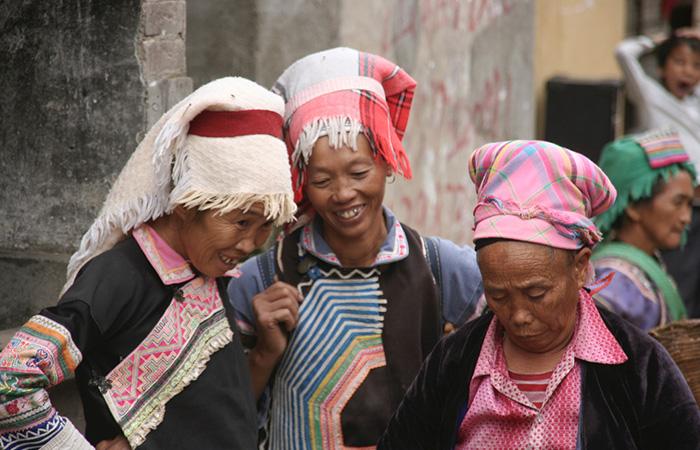
The Yi are an ethnic minority living primarily in Yunnan. The Yi are composed of various subgroups (the Black Yi, the Red Yi, the Flowered Yi...) and speak different dialects. They live in rural regions, often mountainous areas at high altitudes. Their customs vary from one region to another. The Yi have settled in regions rich in natural resources, providing them with accessible employment.
The Achang
Population: 33,900 Language: Tibeto-Burman Province: Yunnan
© Dany Herbreteau
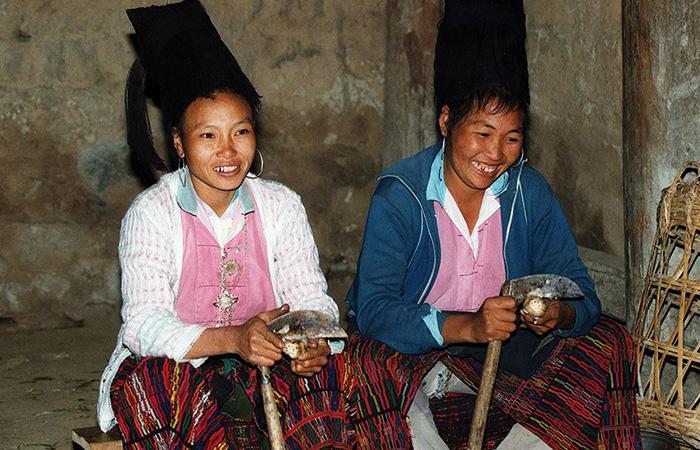
The vast majority of the Achang live in the Dehong Autonomous Prefecture of Yunnan Province. Their ancestors are believed to be the first inhabitants of Yunnan. In ancient times, the Achang practiced Hinayana Buddhism. Since then, they have preserved numerous festivals related to this tradition to demonstrate their devotion.
The Mongols
Population: 5.8 million Language: Mongolian Provinces: Inner Mongolia, Xinjiang, Liaoning, Jilin, Heilongjiang, Qinghai, Hebei, Henan, Gansu, Yunnan
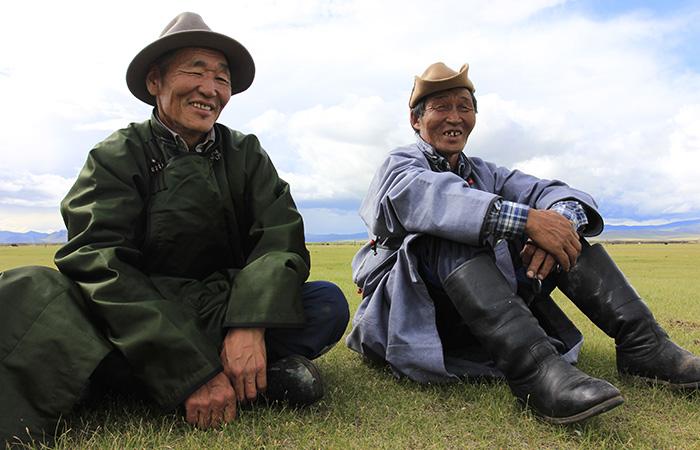
The Mongols are characterized by their nomadic way of life. They immigrated from Mongolia and are found primarily in the Inner Mongolia Autonomous Region. Mongolian minorities speak Chinese but continue to use their native language and Cyrillic script. The Mongols have preserved their culture, traditions, and customs, as well as their remarkable horsemanship. The Mongols of China also celebrate the great Mongolian national festival, the Naadam, and continue to practice wrestling and archery.
The Naxi
Population: 308,800 Language: Tibeto-Burman Provinces: Yunnan, Sichuan
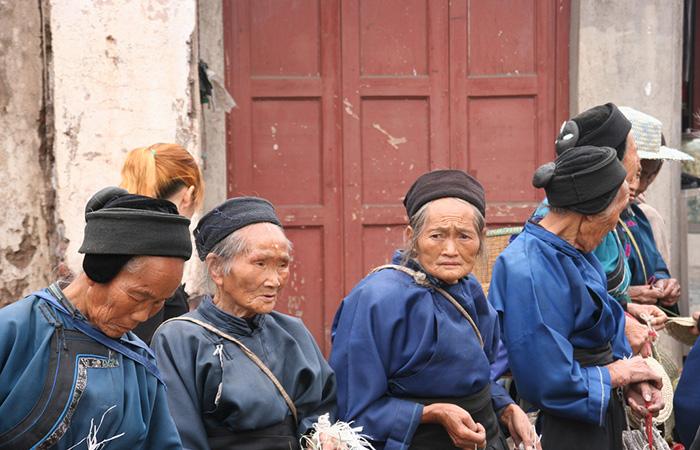
Descendants of nomadic Qiang from the high Tibetan plateaus, the Naxi have successfully preserved the pivotal customs of their ancestors. They practice shamanism and animism. The Naxi are most numerous in the Lijiang Autonomous County. The Naxi have the distinctive characteristic of living in houses built entirely of wood without nails.
UNESCO classified the city of Lijiang, the capital of the Naxi, as a World Heritage Site in 1997.
The Miao
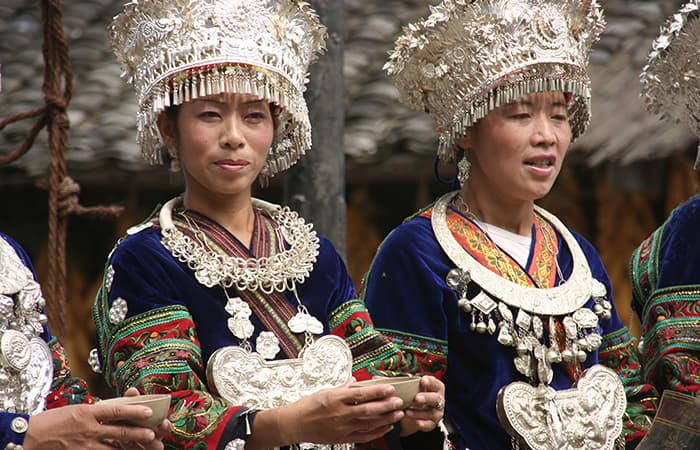
Population: 8.90 million Language: Hmong Provinces: Guizhou, Yunnan, Hunan, Guangxi, Sichuan, Guangdong, Hubei
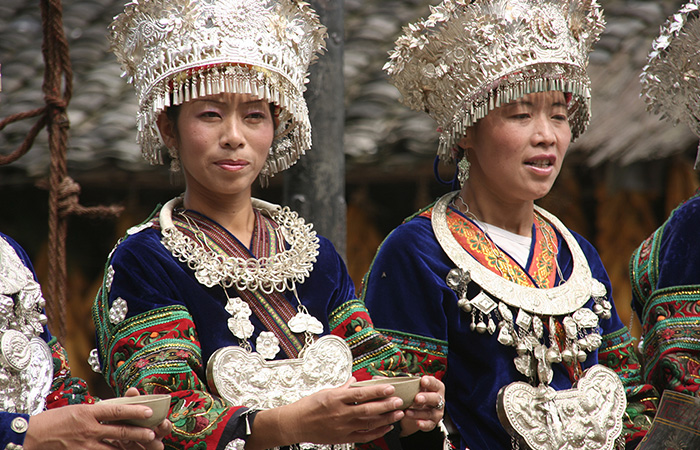
The Miao are counted as one of the most significant minorities in China. The Miao are also found in Thailand, Vietnam, Laos, and even in the West.
The Miao are famous for their songs, ancestral legends, and their embroidery art recognized throughout China.
The Miao are subdivided into 83 groups, each distinguished by distinctly different costumes.
The Jino
Population: 20,900 Language: Tibeto-Burman Province: Yunnan
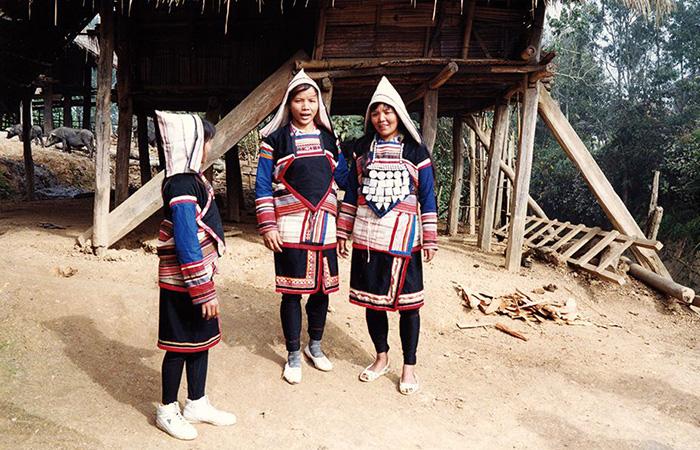
© Dany Herbreteau
The Jino, also called Jinuo, are very small in number and were only officially recognized as a national ethnicity in 1979. They are generally found in small villages of the Xishuangbanna Prefecture in the Jinghong District of Yunnan. They most often live on hillsides in bamboo cabins built on stilts.
The Jinuo are animists and hold significant ancestor worship. They enjoy gathering to sing and dance during national festivals.
The Jingpo
Population: 132,100 Language: Tibeto-Burman Province: Yunnan
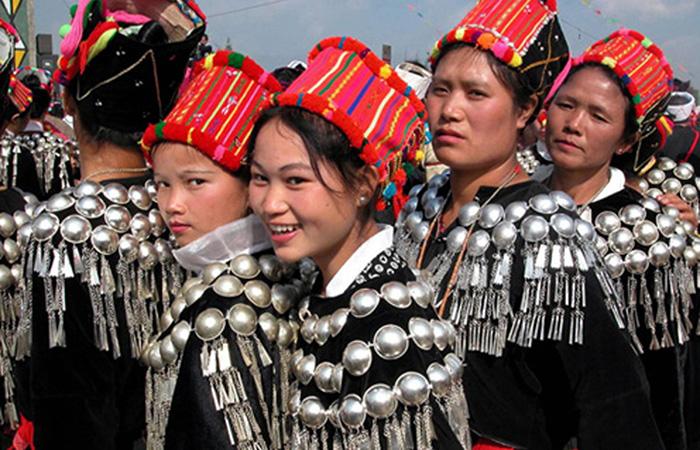
The Jingpo live in mountainous regions bordering Burma. They occupy numerous villages where they cultivate tea, rubber, coffee, and cotton. The Jingpo are very close-knit. During festivals and ceremonies, they enjoy gathering to dance to the rhythm of drums.
The Dong
Population: 2.9 million Language: Kam-Thai Provinces: Guizhou, Hunan, Guangxi
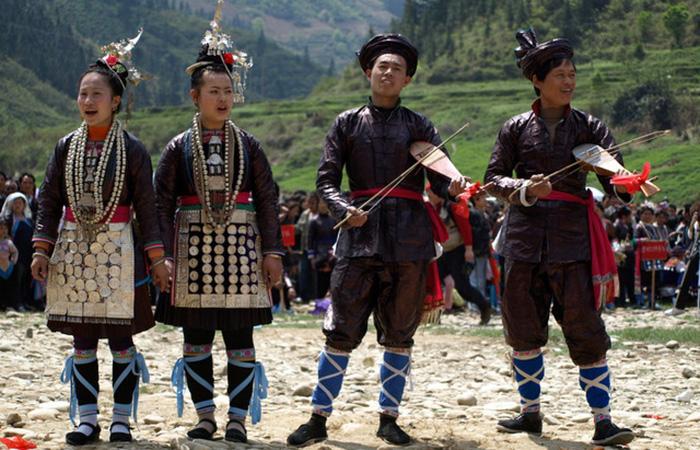
The Dong are among the rare minorities living self-sufficiently in remote areas of Guizhou and Guangxi. Their language is considered one of the most difficult languages to understand and speak.
The Dong have built their culture on the foundation of singing. They regularly gather to raise their voices in unison. However, in recent years, the Chinese government has attempted to modernize the region and combat widespread illiteracy common to the minority. This modernization has resulted in the disappearance of certain rites and customs of the community.
The Bai
Population: 1.8 million Language: Tibeto-Burman Provinces: Yunnan, Hunan
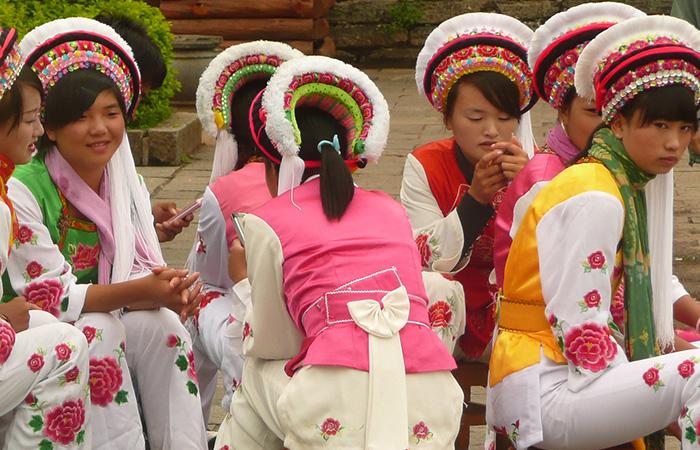
Descendants of the Ji, the Bai have a long history that has enriched their culture. The Bai are recognized for their refined taste in clothing. Displaying vibrant colors and careful floral embroideries, their costumes are easily recognized among others. The Bai people are very hospitable, enjoying receiving guests by offering tea and wine to show respect.
The Gaoshan
Population: 4,461 Language: Formosan Provinces: Fujian, Taiwan
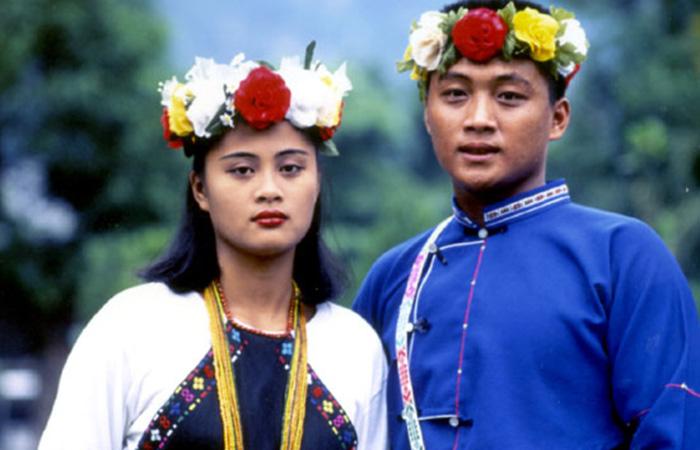
The Gaoshan more specifically designate an ensemble of tribes inhabiting Taiwan. Although all tribes are grouped within a single ethnicity, each displays a different language, social system, or religion. The majority have become Catholic or Protestant, while others are animist. They still live very remote from modern life and are regularly referred to as aboriginal peoples.
Frequently asked questions
Among the 10 essential Chinese ethnic minorities are the Yi, the Miao, the Naxi, the Mongols, the Bai, the Dong, the Jingpo, the Jino, the Achang, and the Gaoshan. Each possesses a unique culture, language, and traditions, particularly found in the provinces of Yunnan, Guizhou, and Guangxi.
The majority of China's ethnic minorities are concentrated in southern China, particularly in the provinces of Yunnan, Guizhou, Guangxi, and Sichuan. Yunnan is especially renowned for being home to dozens of different ethnicities, including the Naxi, Yi, Bai, and Jino.
Among the 10 minorities presented in this article, the Miao are one of the largest with approximately 8.9 million people. They are found primarily in Guizhou, Yunnan, and Hunan. They are also present in Thailand, Vietnam, and Laos.
To respect ethnic communities during your travels in China, prioritize local guides from these communities, always ask permission before photographing, respect dress codes during ceremonies, and purchase crafts directly from local artisans to support their economy.
The ideal period varies depending on the ethnicity and their festivals. The Mongols celebrate Naadam in July-August, while many Miao and Yi festivals take place in spring and autumn. It is advisable to inquire with a specialized travel agency to plan your trip according to festival dates.