Chinese New Year 2020
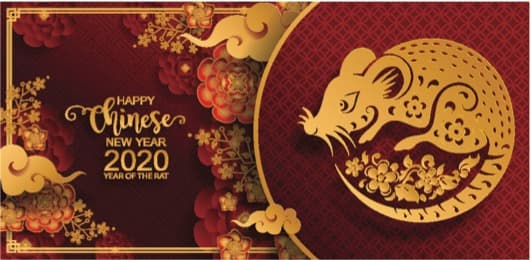
On January 25, 2020, the new Chinese year of the Rat will begin. Chinese New Year (nongli xinnian), also called Lunar New Year (Festival of Spring) in Vietnam, is the most important event of the year for Asians.
On January 25, 2020, the new Chinese year of the Rat will begin. Chinese New Year (nongli xinnian), also called the Lunar New Year (Festival of Spring) in Vietnam, is the most important event of the year for Asians. Throughout the world, the Chinese community celebrates its New Year. Each time, a new animal symbolizes the entry into the new year, corresponding to one of the 12 animals that presented themselves to Buddha: Buffalo, Rat, Tiger, Rabbit, Dragon, Snake, Horse, Dog, Monkey, Rooster, Goat, Pig. Each represents a character trait and is associated with one of the five elements (Heaven, Earth, Water, Fire, Metal).
Customs linked to Chinese New Year
Nongli xinnian can be translated as "New Year of the agricultural calendar"; it is celebrated according to the Chinese lunar and solar calendar. According to legend, it was Emperor Huangdi who established the Chinese calendar in 2637 BC. The Chinese New Year celebration is meant to be convivial, with families and friends gathering for reunions. The evening before New Year, the night of the celebration, is devoted to a great family gathering, with all family members meeting for dinner called Nianyefan. From the following day, the celebrations proper to the event can begin.
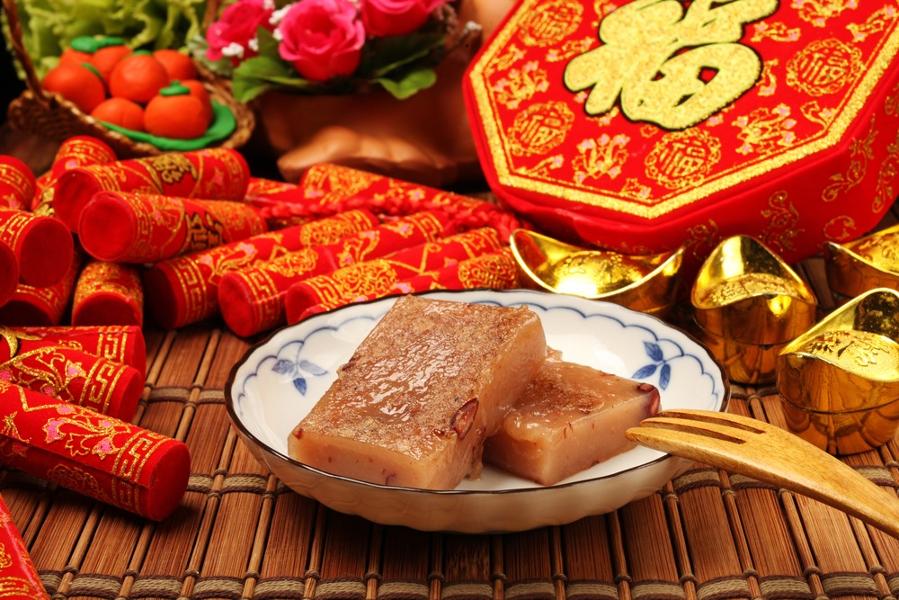
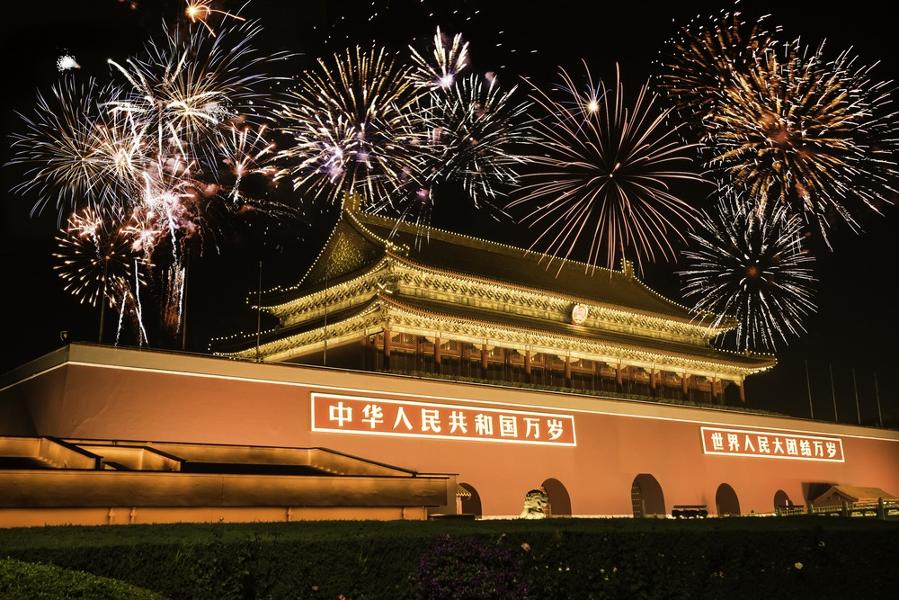
In major cities like Paris, town halls offer a program of Chinese New Year festivities, which many Westerners enjoy attending. In Beijing, families love celebrating the event by setting off fireworks, which is not always without risk.
Traditionally, a week before New Year, families hold a farewell ceremony for the Kitchen God. He must travel through Heaven to inform the Jade Emperor of the family's good or bad deeds during the year. Chinese people make food offerings to the Kitchen God in order to win his favor.
The evening before Chinese New Year and the three days following are public holidays in Chine. Only restaurants and theaters continue to operate. On the 7th day, economic activity resumes in a festive atmosphere that will end on Lantern Festival day, which corresponds to the 15th day after the new year begins.
In Chine, the way to celebrate New Year varies by province. However, certain customs are common to all, such as celebrating this festival with firecrackers. For an entire week, detonations are heard in the streets to chase away "evil spirits." Chinese people also have the custom of writing words filled with good intentions on red paper, then pasting them throughout the house on walls. Offerings are made to the gods, and above the container holding rice, these words are often written: "Always full!"
But above all, Chinese New Year is a family celebration where everyone gathers around a table. A large quantity of dishes is offered, some even symbolic and served every year. The dish "vegetables of the long year" signifies intelligence, whole chicken guarantees health, fish, shrimp and meat balls represent scholastic success. In Chine, New Year is an ancient custom perpetuated for many years. At the end of the celebration dinner, adults distribute to the young "lucky money" in red envelopes. This ritual is meant to bring good fortune.
Celebrating Lunar New Year in Beijing
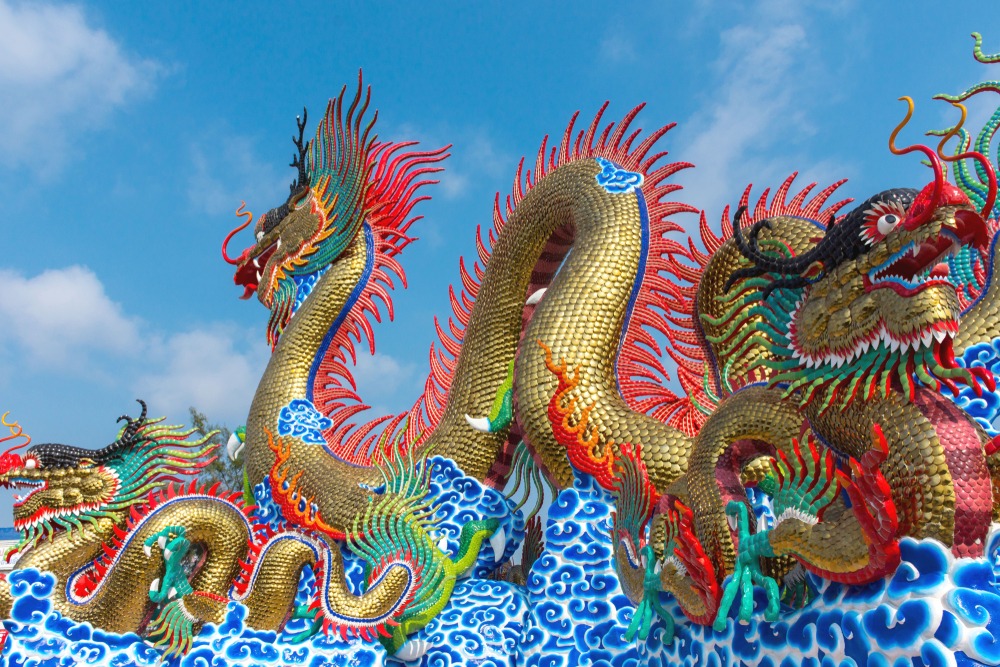
In Beijing, the Festival of Spring would not be what it is without its dances. Chinese New Year involves beautiful performances in the main streets of the capital. The Lion Dance takes place between the 3rd and 5th day of the lunar New Year. It is performed in front of shops in order to chase away evil spirits and bring future prosperity to businesses. Two dancers set a lion head in motion. Chinese New Year also celebrates the dragon dance, during the street parade, dancers manipulate a dragon puppet in vibrant and joyful colors. They turn and twist to the rhythm of drums and gongs. The dragon dance is a highly respected ritual of the Chinese people. In Chine, the dragon represents nobility, bravery and luck.
In Beijing, New Year is an opportunity for workers to return home and spend time with family, so despite festivities in the street, the celebration remains calm, measured. Travelers will have the opportunity to witness a grandiose spectacle in a rather serene atmosphere, where the population enjoys these moments with family while respecting traditions. In a big city like Beijing, public transportation, accommodations, etc. remain open, which is the advantage of spending Chinese New Year there, as in more remote cities of Chine, everything closes.
Also in Beijing, the day after the New Year festivities, when fireworks have marked the day, do not hesitate to go to the White Cloud Temple, a Taoist temple where thousands of Chinese gather to toss coins in the sacred place and touch statues or ancient relics to attract good fortune. To toss coins, you must buy tokens and aim at a bell. Another major tradition of Beijingers is to burn a large quantity of incense at three locations in the temple. Visitors give incense sticks to priests who take care of burning them.
Attending Spring Festival celebrations near you
The Asian community mobilizes to organize traditional parades all over the world. If you cannot celebrate New Year in Chine or Beijing, perhaps you can attend the event in a major Western city? The Chinese New Year parade in Paris, for example, attracts many people, fascinated by the traditional costumes and makeup of the performers. Most major cities organize many attractions related to Chine and Chinese New Year. Shows, makeup workshops, exhibitions, etc. are offered to a wide audience, always eager to discover the rituals and customs of another culture. The grand parade closes the festivities, providing an opportunity to take magnificent photos and discover the full scale of the event.
Chinese New Year is a warm moment, where everyone loves to share and understand the rituals and customs of a people.
Frequently asked questions
In 2025, Chinese New Year (Festival of Spring) begins on January 29. It will be the Year of the Snake according to the Chinese zodiac. The celebrations last officially 15 days, until Lantern Festival.
The 12 animals of the Chinese zodiac are, in order: the Rat, the Buffalo, the Tiger, the Rabbit, the Dragon, the Snake, the Horse, the Goat, the Monkey, the Rooster, the Dog and the Pig. Each is associated with character traits and one of the five elements (Wood, Fire, Earth, Metal, Water).
In Beijing, Chinese New Year is celebrated with fireworks, lion and dragon dances in the streets, and a family gathering around the celebration dinner (Nianyefan). Beijingers also visit the White Cloud Temple to burn incense and toss tokens at a bell to attract good fortune.
The dragon dance is an emblematic tradition of Chinese New Year. Several dancers manipulate a large dragon puppet in vibrant colors to the rhythm of drums and gongs. In Chine, the dragon symbolizes nobility, bravery and luck. This dance is particularly visible during parades in major cities.
Yes, the Chinese community organizes celebrations in many cities around the world. In Paris, for example, a grand parade attracts thousands of spectators each year. Major metropolitan areas also offer shows, exhibitions and workshops to discover Chinese culture during this festival.
Red envelopes (hongbao) containing money are given by adults to children and young people during Chinese New Year. This ritual, called 'lucky money', is meant to bring happiness and prosperity to the recipient for the coming year. The color red symbolizes good fortune and wards off evil spirits.