Qibao
A historic water town in Shanghai's Minhang District, Qibao features canals, stone bridges, and timber-framed buildings typical of the Jiangnan region. Accessible by metro from downtown Shanghai, it blends historical architecture with vibrant street gastronomy.
Qibao is an ancient water town located in Shanghai's Minhang District, west of the city center. Crisscrossed by canals lined with timber-framed wooden houses, it offers a glimpse into the architecture and daily life of the Jiangnan region as it existed during the Song and Ming dynasties. Less than an hour from downtown by metro, it remains one of the rare historic enclaves accessible from Shanghai without leaving the urban area.
Quick Facts
- Getting there: Metro Line 9, Qibao Station — direct exit to the town center.
- Admission: The town itself is free; individual museums and attractions charge separate fees or offer combined tickets.
- Recommended duration: 2 to 3 hours for a leisurely visit.
- Dress code: No special requirements.
- Crowds: Very busy on weekends; visit on weekdays or early morning for a quieter experience.
What to See
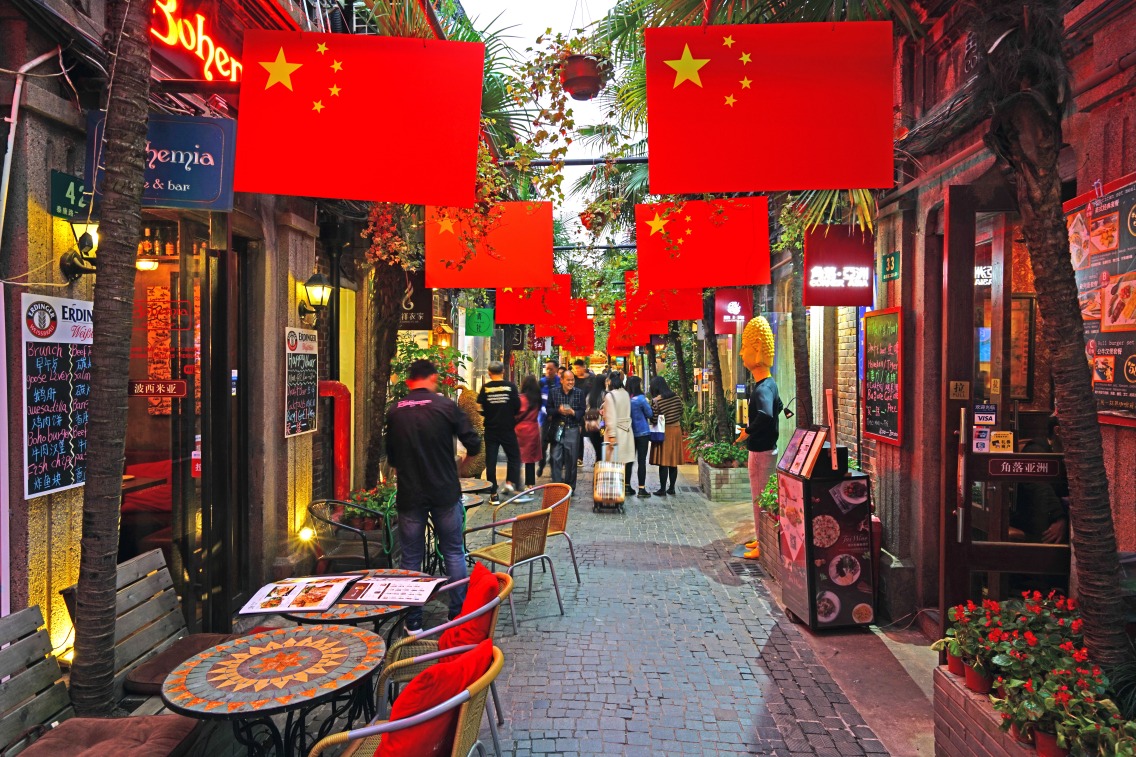
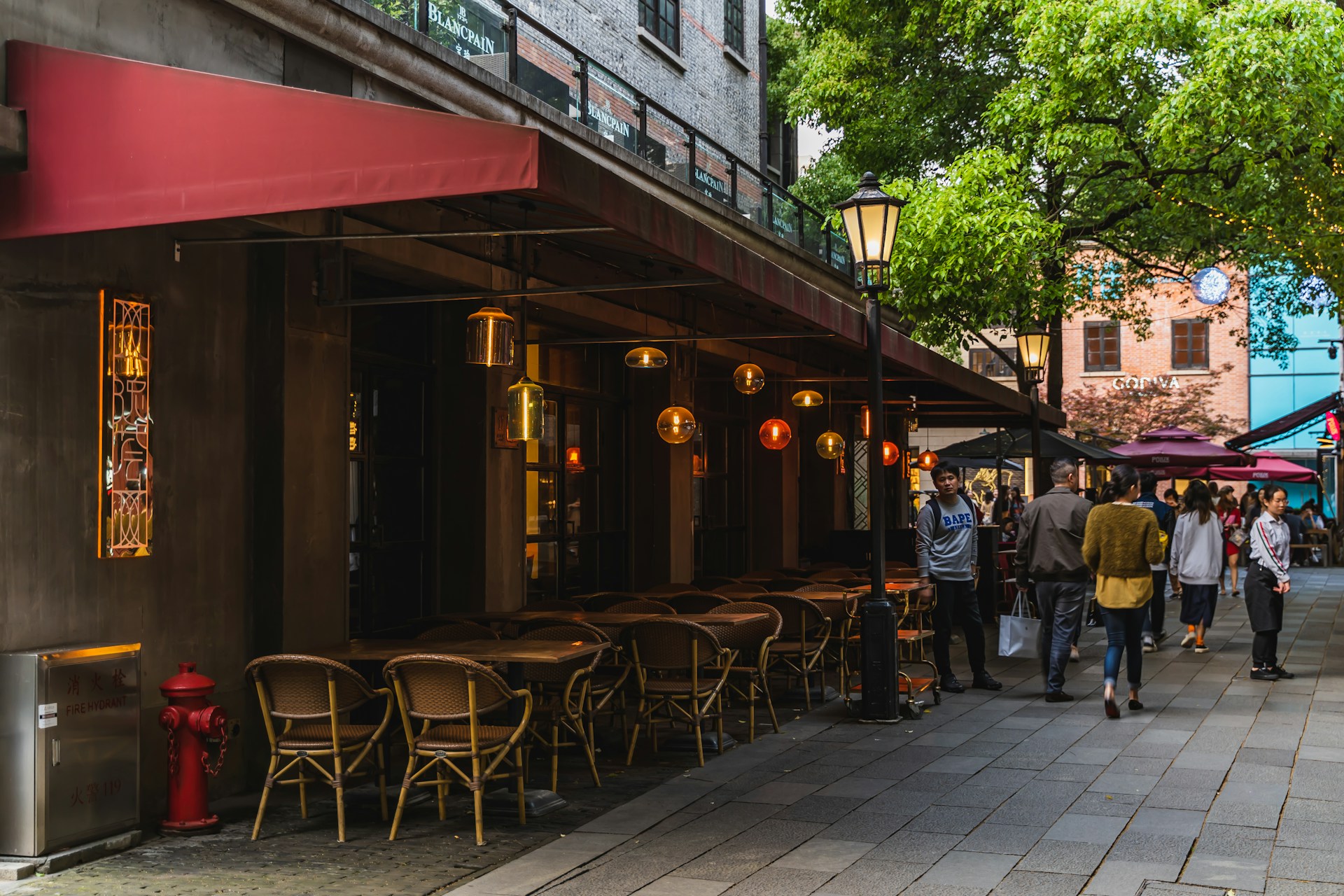
The town revolves around a network of canals spanned by stone bridges. Pedestrian lanes are lined with street food stalls, craft workshops, and small thematic museums—puppetry, ancient coins, hand-woven cotton. The buildings feature dark timber facades and distinctive upturned eaves characteristic of Jiangnan architecture.
History and Context
Qibao—literally "seven treasures"—takes its name from a Buddhist legend linking seven precious objects to the local temple. The town developed as a commercial and artisanal center during the Song period (960–1279). Many structures date from the Ming and Qing dynasties. Despite Shanghai's rapid modernization in the twentieth century, the historic core has been preserved and partially restored.
Highlights of Your Visit
The Canals and Stone Bridges
Strolling along the waterfront is the heart of the experience. Arched bridges offer direct views of timber facades reflected in the water. Flat-bottomed boats occasionally glide along the main canal.
The Food Street
Qibao is renowned for its local specialties: marinated duck feet, glutinous rice cakes, and artisanal rice wine. Stalls line both sides of the main thoroughfare, inviting you to graze as you wander.
The Buddhist Temple
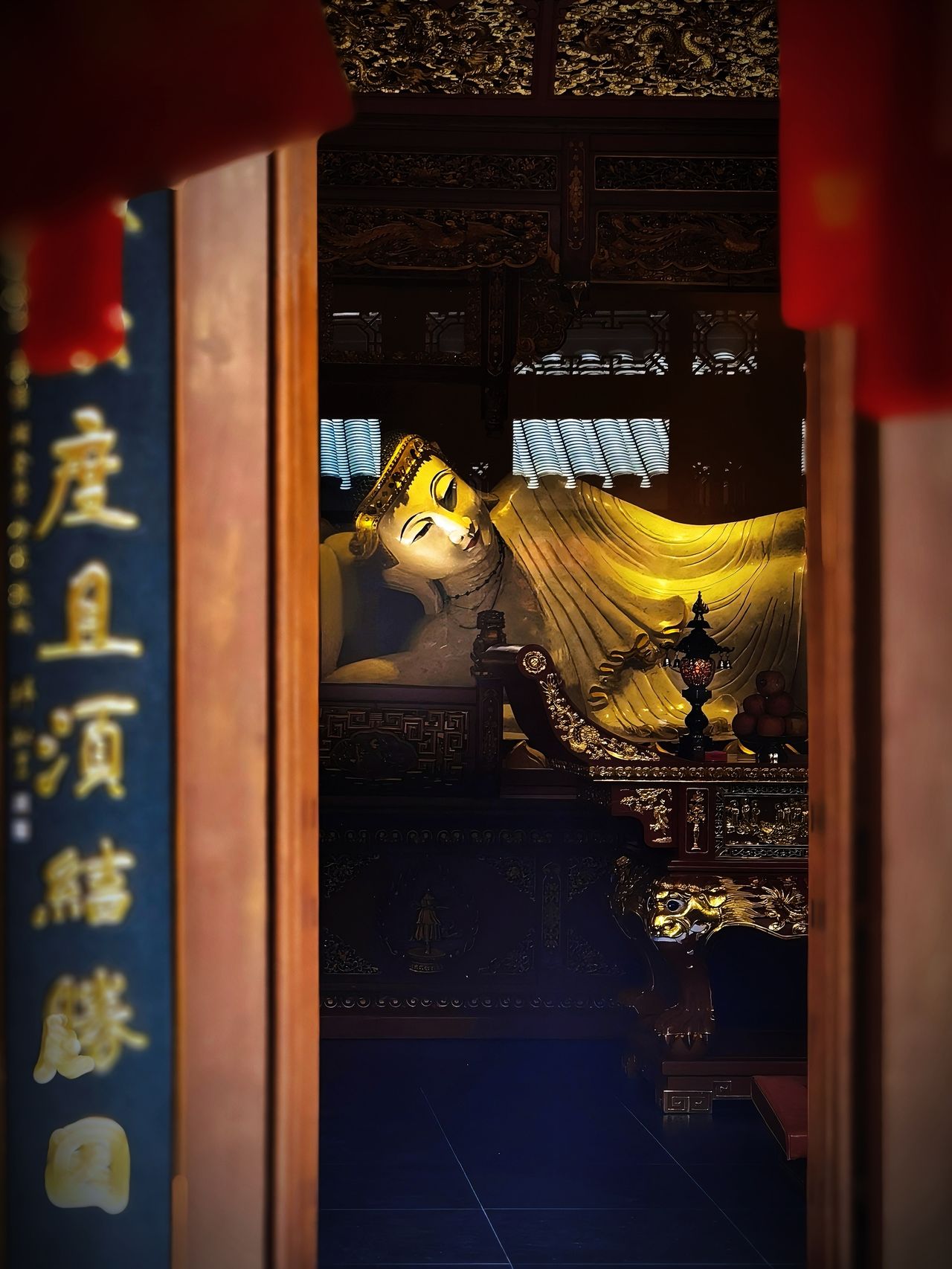
An active temple stands within the town. It remains a place of worship frequented by local residents, distinct from the commercial tourist attractions surrounding it.
Small Museums
Several historic houses have been converted into modest-sized museums: coin collections, cotton-weaving exhibitions, puppet museums. Each can be explored in fifteen to twenty minutes.
Photography Tips
Morning light, before the crowds arrive, is most favorable for photographing the canals and facades. Stone bridges offer the best vantage points for capturing water reflections. By late afternoon, the red lanterns hanging from balconies illuminate, creating a warmer, more atmospheric ambiance.
Location and Access
Qibao lies in Minhang District, approximately 17 kilometers west of the Bund. Shanghai Metro Line 9 connects downtown directly to Qibao Station in roughly thirty minutes. The town is walkable from the station. Accessibility for visitors with mobility challenges is limited on the cobbled lanes and stepped bridges.
Nearby Attractions
- The Bund — Shanghai's historic riverside promenade, showcasing colonial-era architecture.
- Shanghai's Old City (Nanshi) — another historic neighborhood featuring the Yu Garden and traditional bazaars.
- Yu Garden — a classic Ming-style garden in the heart of the Old City, about 30 minutes by metro.
Frequently asked questions
Access to the lanes and canals is free. Individual museums and specific attractions charge admission fees, sometimes bundled into combined tickets sold on-site.
Spring (March–May) and autumn (September–November) offer pleasant temperatures. Avoid weekends and Chinese national holidays, when crowds are heaviest.
Take Metro Line 9 to Qibao Station. The journey from People's Square Station takes about 30 minutes.
Two to three hours are sufficient to explore the lanes, visit one or two museums, and sample local specialties. A half-day allows for a more comprehensive experience.
Absolutely. Visit Qibao in the morning, then head to the Bund or Yu Garden in the early afternoon via metro.
Photography is generally permitted in outdoor temple areas, but it's respectful to avoid photographing worshippers at prayer and to follow any posted guidelines on-site.
Interested in this visit?
We can include it in your personalised itinerary.