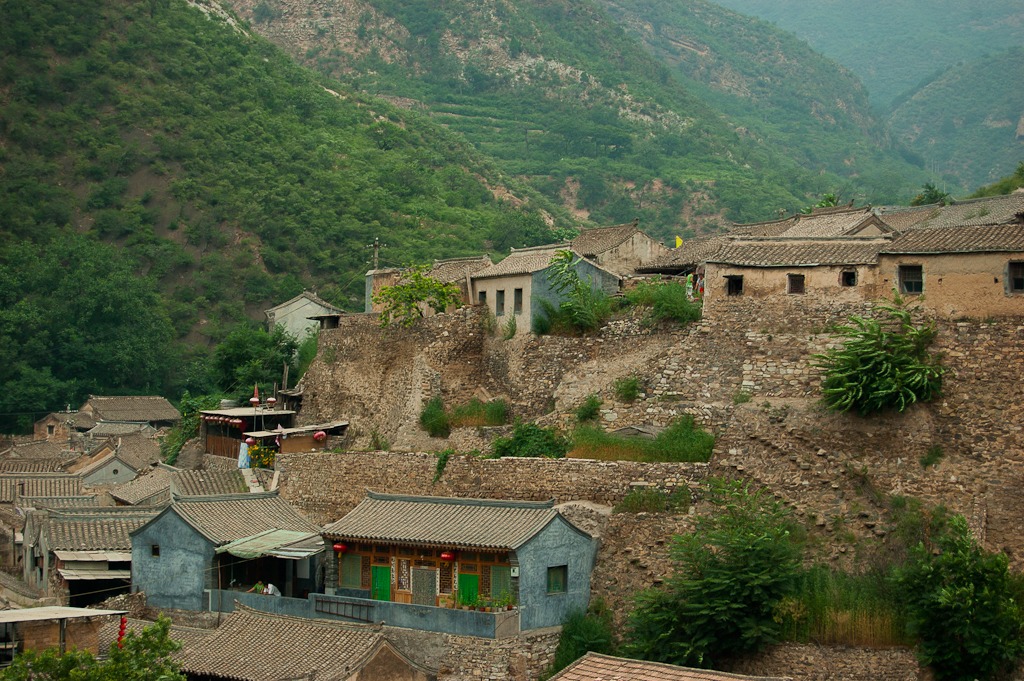
Shuanglang
A well-preserved Bai town on the east shore of Lake Erhai, Shuanglang captivates with its cobbled streets, whitewashed courtyard homes, and vistas of the Cangshan mountains—a tranquil alternative to the bustle of Old Dali.
Shuanglang is an ancient town nestled on the east shore of Lake Erhai, in Dali Prefecture, Yunnan. Long overlooked by standard itineraries, it now draws artists, slow travelers, and lake-landscape enthusiasts. Cobbled lanes, Bai homes with whitewashed walls, and unobstructed views across the lake toward the Cangshan peaks make it a destination of character—poised between authentic village and bohemian retreat.
Practical essentials at a glance
- Access: from Dali town or Xiaguan by local bus or taxi; the route hugs Lake Erhai.
- Suggested duration: half a day to a full day, depending on your pace.
- Dress code: no particular constraints; wear comfortable shoes suited to cobblestones.
- Admission: the town itself is freely accessible; certain viewpoints or terrace venues may charge a fee.
What to see
The heart of the town centers on a pier and a lively waterfront lined with cafés, galleries, and small restaurants. Side streets open onto courtyards typical of Bai architecture: carved gateways, gray tiles, whitewashed walls adorned with painted motifs. Views across Erhai—Yunnan's second-largest lake—shift with light and season.
History and context
Shuanglang lies within the cultural sphere of the Bai people, one of Yunnan's principal ethnic groups. Lake Erhai and its shorelines have been inhabited for over two thousand years. The town long subsisted on fishing and lacustrine trade before gradually transforming into an artistic destination from the 2000s onward, drawing painters and photographers drawn to the quality of light.
Highlights of a visit
The waterfront and pier
A stroll along Lake Erhai is the centerpiece of any visit. Early morning brings traditional fishermen still navigating their boats. By late afternoon, low-angle light bathes the water in gold and violet hues, revealing breathtaking views of the snow-capped Cangshan in winter.
The lanes and Bai architecture
Far removed from Old Dali's frenzy, Shuanglang's streets maintain human scale. Bai courtyard homes (sanheyuan or siheyuan) can sometimes be visited with a polite request to residents. The carved details of lintels and wall frescoes reward close attention.
Galleries and artist studios
Since the 2010s, Shuanglang has hosted a community of Chinese and foreign artists. Several galleries open onto the street; some studios welcome informal exchanges with their occupants. The atmosphere feels more relaxed and less commercialized than Old Dali.
Photography tips
Morning light, before 9 a.m., is ideal for photographing the lake without backlighting. Sunset from the pier or elevated terraces yields the finest views of the Cangshan. Lane lighting is best in mid-morning. Always ask residents' permission before photographing them.
Location and access
Shuanglang sits on Lake Erhai's east shore, roughly 25 km northeast of Old Dali. Local buses regularly connect Xiaguan (modern Dali) and Old Dali to Shuanglang. A taxi from Old Dali takes approximately 40 minutes depending on traffic. The scenic road skirting Erhai is itself an attraction. Accessibility for people with reduced mobility is limited due to uneven cobblestones.
Nearby
- Old Dali — the historic Bai city with its walls, markets and temples, about 25 km away.
- Lake Erhai — the lake itself can be explored by boat; cruises depart from several piers along its shores.
- Cangshan Mountains — the range dominating Dali offers hiking and cable cars with sweeping views over Erhai.
- Xizhou — another well-preserved Bai town on the lake's west bank, known for its grand merchant mansions.
Frequently asked questions
Spring (March–May) and autumn (September–November) offer mild weather and favorable light. Winter is mild and sees fewer visitors; summer coincides with Yunnan's rainy season.
Yes, if you start early. Spend the morning in Shuanglang to catch the light on the lake, then head to Old Dali in the afternoon. Arrange a taxi or local bus for the journey.
Several guesthouses and charming small hotels have opened in renovated Bai homes. Staying overnight allows you to enjoy the lake at sunrise, before the day's visitors arrive.
Public spaces and the waterfront can be photographed freely. In galleries or private courtyards, ask permission first. Respect the privacy of residents in residential lanes.
The town suits families: relaxed pace, accessible lakefront, varied dining. Uneven cobblestones may challenge strollers; a baby carrier is more practical.
Interested in this visit?
We can include it in your personalised itinerary.