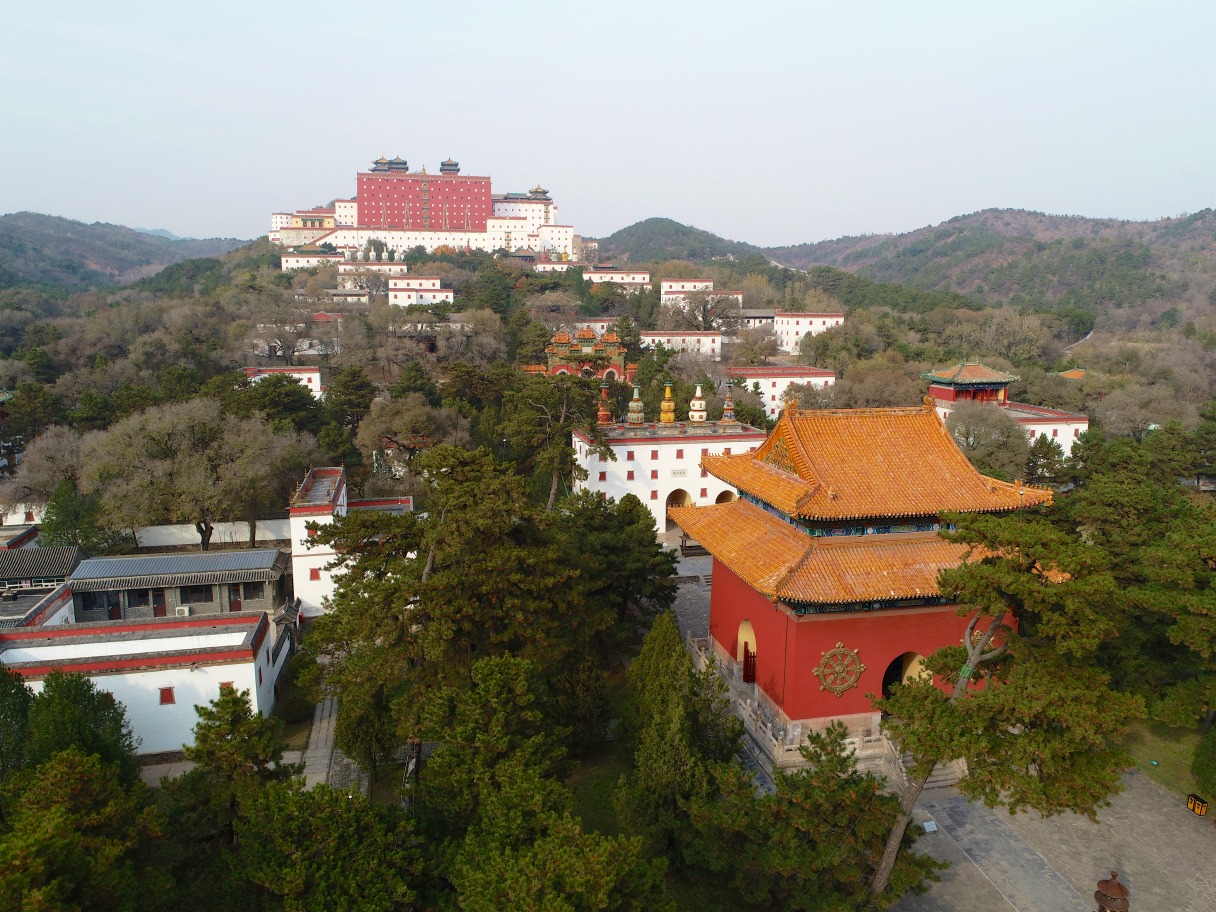
Wannian Temple
Wannian Temple
Founded in the 4th century, Wannian Temple houses the renowned bronze statue of Puxian (980 CE) and a stunning vaulted beamless hall. A central stop on pilgrimage routes across Mount Emei, a UNESCO World Heritage site in Sichuan.
Wannian Temple (万年寺, the "Temple of Ten Thousand Years") stands as one of the oldest and most revered of the twenty Buddhist monasteries on Mount Emei, inscribed on the UNESCO World Heritage list. Founded in the 4th century, it enshrines the celebrated bronze statue of Puxian (Samantabhadra) mounted on a white elephant with six tusks. Positioned midway up the mountain, it forms a pivotal stop on any pilgrimage or trek across Mount Emei.
Practical information at a glance
- Admission: Paid entry (separate ticket from general Mount Emei access)
- Access: Cable car from Wannian station or hiking trail from the mountain base
- Suggested duration: 1 to 2 hours on-site
- Dress code: Respectful attire required in worship halls; shoulders and knees should be covered
- Rules: Active place of worship — silence in prayer halls, do not disturb monks during ceremonies
What to see
The complex is organized around several courtyards and pavilions. The centerpiece is the beamless hall (Zhuanzhuan Dian), a brick rotunda with a vaulted dome built during the Ming dynasty, constructed without a single wooden beam — a remarkable architectural feat for its time.
Inside stands the gilded bronze statue of Puxian, approximately 7.85 meters high and weighing nearly 62 tons. The bodhisattva sits on a lotus throne supported by four white elephants with six tusks, symbolizing universal wisdom. The statue dates to 980 CE, cast during the Song dynasty.
History and context
The temple was founded in the 4th century during the Jin dynasty under the name "Puxian Temple." It was enlarged and renamed Wannian during the Tang dynasty, then reconstructed multiple times—notably under the Ming and Qing dynasties following fires. The Puxian statue, cast in 980 on imperial order from the Northern Song dynasty, ranks among Chine's largest bronze statues from that era.
Mount Emei is revered as one of Buddhism's four sacred mountains in Chine, with Puxian as its tutelary deity. Wannian is its principal sanctuary.
Highlights of the visit
The beamless hall
This Ming-era brick rotunda, crowned by a hemispherical dome, is a rare example of Buddhist architecture without wooden framing. The distinctive acoustics and soft light create an atmosphere of quiet contemplation.
The Puxian statue
Dominating the main hall, the gilded bronze statue impresses through its scale and remarkable preservation. The ornate supporting elephants, with intricately detailed tusks, represent an iconographic motif unique to Puxian's cult on Mount Emei.
Courtyards and gardens
Inner courtyards planted with centuries-old trees offer peaceful settings, often perfumed by burning incense. Tibetan macaques occasionally inhabit the temple grounds—keep your belongings close.
Temple etiquette and visiting rules
- Remove your shoes if a sign indicates this at a hall's entrance.
- Do not photograph monks during ceremonies without permission.
- Walk around incense burners to the left or right, never through the center.
- Speak softly in prayer halls.
- Do not touch statues.
Photography tips
Morning light, before crowds arrive, is ideal for photographing courtyards and façades. Inside the beamless hall, light is dim: a tripod or high ISO sensitivity proves useful. The Puxian statue is difficult to frame entirely from ground level due to the hall's height—a wide-angle lens is recommended. Personal photography is generally permitted; check prohibition signs at each hall's entrance.
Location and access
Wannian Temple sits at mid-elevation on Mount Emei, in Sichuan province. From the mountain base, it is reached via the main hiking trail (several hours' walk) or the Wannian cable car, which significantly reduces elevation gain. The town of Emeishan is accessible by train from Chengdu (approximately 1.5 hours by high-speed rail). From Emeishan station, local buses serve the park entrance.
Wheelchair accessibility is limited due to the mountainous terrain; the cable car eases access but the temple courtyards feature steps.
Nearby attractions
- Mount Emei — The UNESCO-listed site encompassing the temple; trails lead to other monasteries and the Jinding summit.
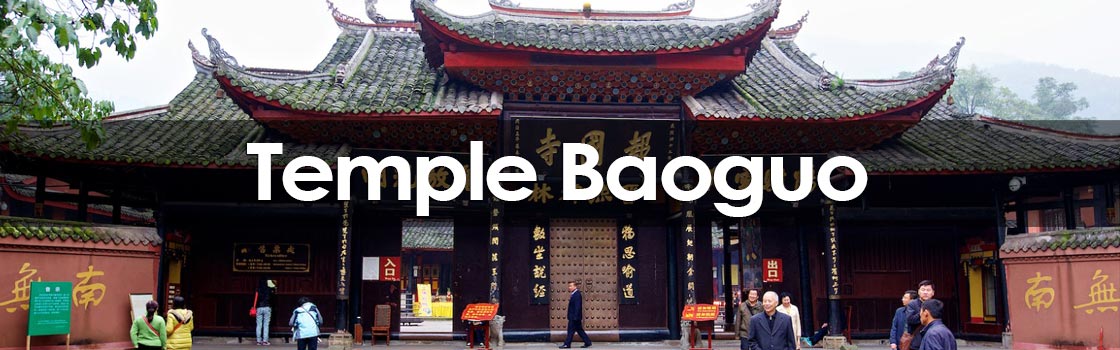
- Baoguo Temple — Gateway temple to Mount Emei at the mountain's base, the traditional pilgrimage starting point.
- Leshan Giant Buddha — Approximately 30 km away, the world's largest seated Buddha statue, often paired with a Mount Emei visit.
Frequently asked questions
Spring (March–May) and autumn (September–November) offer pleasant temperatures and lush vegetation. Summer is humid and crowded; winter can make trails slippery, though snow-dusted pavilion roofs are spectacular.
Respectful attire is expected: shoulders and knees should be covered. Avoid overly short or transparent clothing. No traditional garb is required, but respect for the active place of worship is essential.
Yes, this is the classic itinerary in the region. The two sites are approximately 30 km apart. Plan a full day for each, or two days to visit both without rushing.
Personal photography is generally allowed in courtyards and before statues. Some halls display prohibition signs—respect these. Avoid flash, which can disturb worshippers and damage artworks.
Allow 1 to 2 hours to explore the temple at a leisurely pace. If ascending on foot from the mountain base, add a half-day for the round-trip trek.
Tibetan macaques frequent the temple grounds and Mount Emei's trails. They may become aggressive if you have visible food. Do not feed them and keep bags and glasses in hand.

Interested in this visit?
We can include it in your personalised itinerary.