Baotou
Baotou
At the gateway to the Kubuqi Desert and Mongolian steppes, Baotou opens the door to another side of Chine: singing dunes, Tibetan lamaseries and vast open spaces.
Name: Baotou
Chinese name: 包头
Province: Inner Mongolia
Status: Prefectural city
Population: 1,720,099
Area: 271 km²
Baotou is the largest city in Inner Mongolia. While it lacks major tourist attractions, the city remains a practical base camp for travelers looking to venture into the steppes.
History
The city has a rich history dating back to the Neolithic period. The area was inhabited by nomads, most of whom were Mongols.
During the Warring States period (476–221 BCE), the great Zhao Wall was erected in the Baotou suburbs and was noted by historians as the oldest section of the Great Wall.
Situated on the Yellow River, Baotou was an important trading hub for furs. In the early 20th century, Baotou gained prominence with the discovery of its Baiyun Obo iron ore mine.
Today
Baotou is a major industrial city that holds little interest for travelers except as a location near several scenic sites.
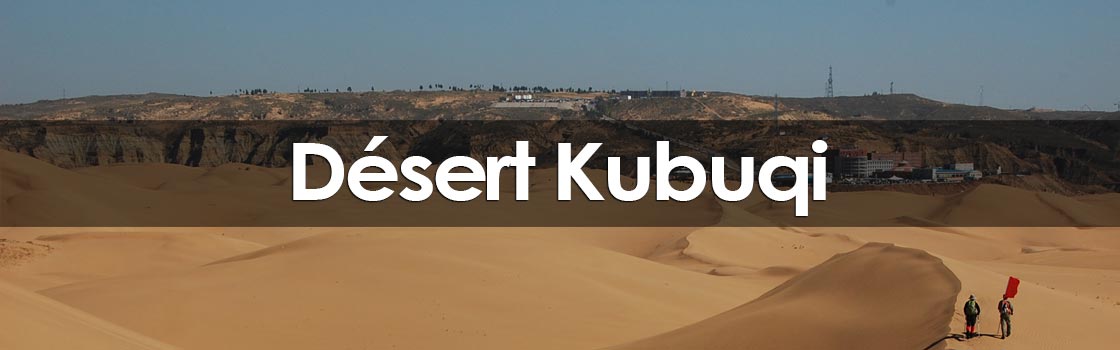
From Baotou, venture out to discover the remarkable Singing Sands Gorge. This gorge, located in a section of the Kubuqi Desert, has been developed to welcome visitors. Camel rides, toboggan runs and quad bike excursions are offered here to explore the dunes. Venturing slightly further, you can admire the desert away from the crowds and appreciate the vast expanse of sand stretching before you.
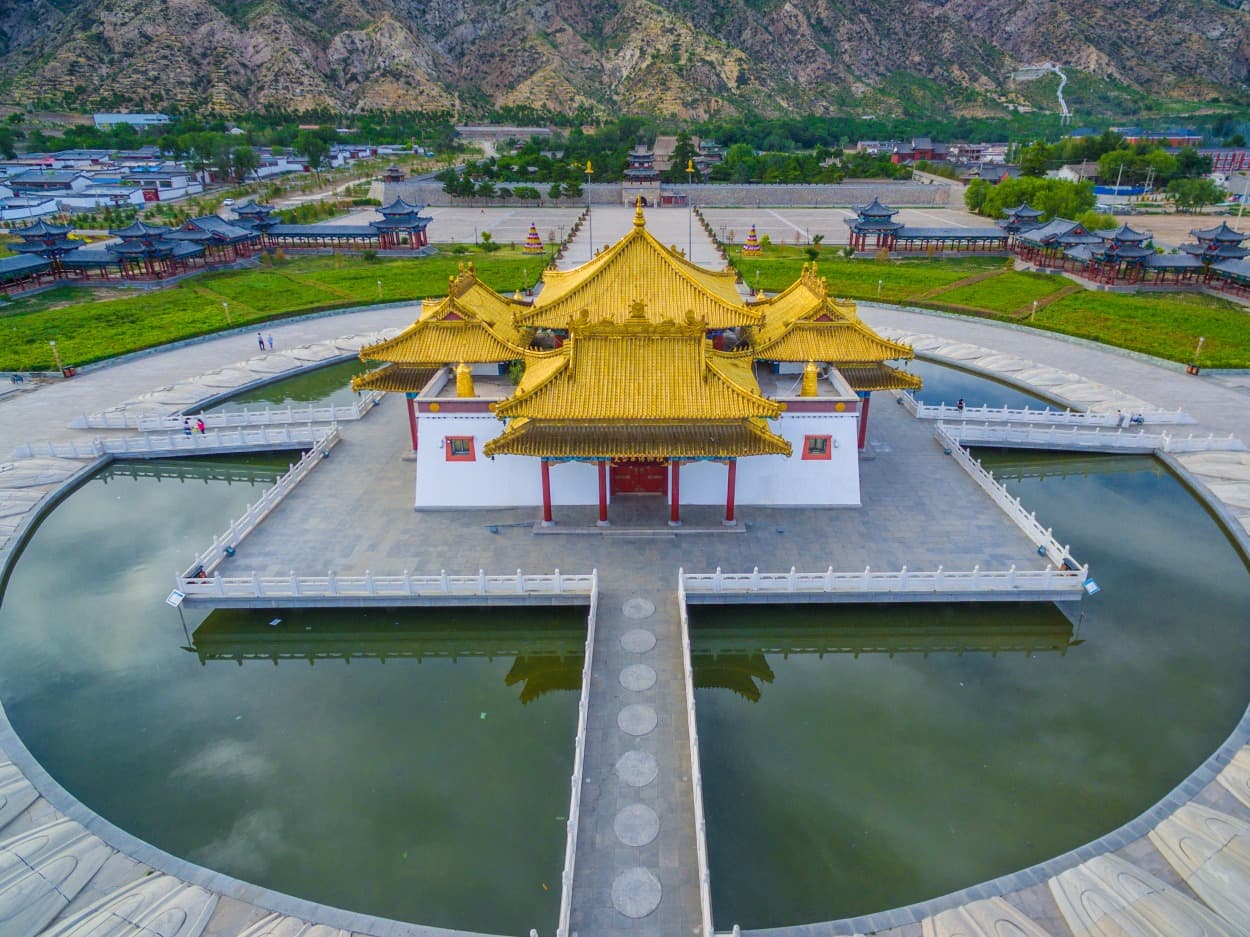
Step back in time at the Wudang Monastery, one of the largest lamaseries in Inner Mongolia. Beautifully preserved, Wudang Zhao Monastery, along with Meide Zhao Monastery, are important centers for Tibetan Buddhism and the study of history, religion and arts in Inner Mongolia.
While the Great Wall, surrounding grasslands and desert shaped the city's culture, it has been able to thrive on the wealth of these lands. Baotou is today known as the "Steel Capital" and "Rare Earth Capital".
Climate
Baotou experiences a semi-arid continental climate characterized by pleasant summers and long, cold winters. The average annual temperature is 8.5°C. Summer temperatures regularly rise above 30°C while winter temperatures often drop below −15°C.
The best time to visit Baotou and explore the surrounding areas is from June to October, when the weather is pleasant and offers ideal conditions for escaping into the steppes. Pack warm clothing for the nights.
Air
Baotou Airport serves daily flights to and from Beijing, Shanghai, Taiyuan, Guangzhou and Hohhot. A few flights are also available to Chengdu and Shenyang.
Train
Baotou is home to two railway stations. Regular trains run between Hohhot and Baotou. Other trains depart to and arrive from Beijing, Xi'an, Changsha, Tianjin, Shanghai and other major Chine cities.
Long-distance bus
The two long-distance bus stations are served by connections to most major cities in Chine. Buses from Hohhot depart every half hour.
Baotou has numerous bus lines crisscrossing the city.
Taxis offer affordable fares.
What to do in Baotou?
- Spend a day at the Singing Sands Gorge.
- Visit Wudang Zhao Monastery and Meide Zhao.
Attractions in Baotou
Désert Kubuqi
Septième plus grand désert de Chine, Kubuqi déploie ses dunes en arc le long du Fleuve Jaune et abrite la célèbre gorge des sables chantants.
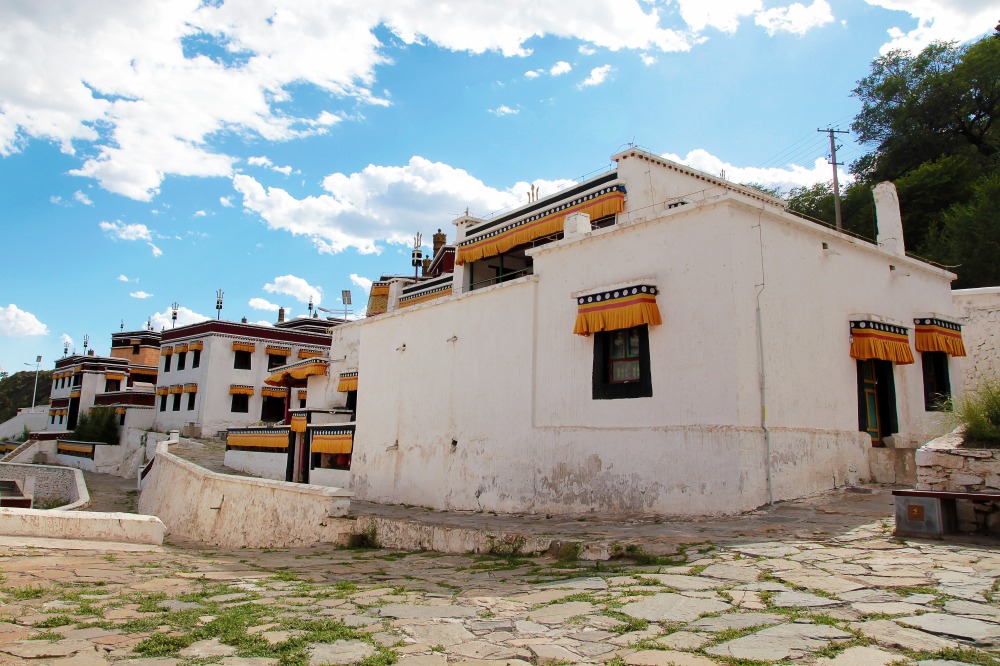
Lamaserie Wudangzhao
À 70 km de Baotou, Wudangzhao est la plus grande lamaserie bouddhiste tibétaine de Mongolie Intérieure : histoire Qing, architecture inspirée de Tashilhunpo et rituel annuel d'été.
Want to discover this destination?
Our local advisors design your tailor-made trip.