Yunnan
Name : Yunnan
Chinese name : 云南
Status : Province
Capital : Kunming
Population : 46,866,000 inhabitants (2013)
Area : 393,734 km²
Yunnan is renowned as Chine's most beautiful province. Located in the far southwest, it borders Tibet, Vietnam, Laos, and Myanmar. This proximity grants it a remarkable and authentic identity that stands apart from other Chinese provinces. Yunnan is undoubtedly one of the most diverse and magnificent regions in the country, promising visitors an unforgettable and enriching experience during their journey through Chine.
History
Yunnan, the sixth largest province in Chine, has always been somewhat rebellious. Its remoteness, topography, and ethnic diversity made it difficult to govern, and for centuries it was considered backward and inhabited by barbarians.
Qin Shi Huang and the Han emperors temporarily established imperial control over the Southwest and created the southern route of the Silk Road extending to Myanmar. However, by the 7th century, the Bai people had founded the powerful Nanzhao kingdom south of Dali. Initially allied with the Chinese against the Tibetans, this kingdom succeeded in defeating Tang armies in the mid-8th century, controlling much of the Southwest. It established itself as an independent entity, dominating trade routes between Chine, Myanmar, and India.
The Nanzhao kingdom collapsed in the 10th century and was replaced by the independent kingdom of Dali. It survived until its conquest by the Mongols in the mid-13th century. After fifteen centuries of resisting northern power, this southwestern region was finally integrated into the empire as the Yunnan province.
The region remained isolated, with scattered Chinese garrisons and villages in the valleys, aboriginal populations on the high plateaus, and Dai (Thai) and other minorities along the Mekong.
During the Republican period, Yunnan was still considered a rebellious province. When Yuan Shikai attempted to abandon the republic to proclaim himself emperor, Yunnan military leaders rose up. A local commander launched his national protection army against Sichuan, the stronghold of forces loyal to Yuan. With support from other Chinese troops, they forced Yuan Shikai to retreat.
Like all the southwest, Yunnan has always sought to break away from central authority. During countless national purges, disgraced high officials were often exiled there, which only strengthened its uniqueness.
Yunnan Today
With its tropical forests in the south, crisscrossed by countless hiking trails, and snow-capped Tibetan peaks in the north that frame the horizon as you approach its villages and temples—many rarely visited—Yunnan is undoubtedly one of the most diverse and magnificent regions in Chine.
The province is also home to one-third of the country's ethnic minorities, with nearly 50% of its population being non-Han, and despite government efforts, many enclaves have resisted Han influence and maintain a strong local identity.
Even Kunming, the provincial capital, seems to belong to another world, far removed from Beijing. Despite rapid economic growth, the "City of Eternal Spring" retains its distinctive character, making it one of the most cosmopolitan and relaxed cities in the Southwest.
Among significant archaeological findings in Yunnan, refined Bronze Age civilizations have been discovered around Dian Lake, and the oldest human remains ever unearthed in Chine: fragments of human teeth dating back 1.75 to 2.5 million years.
The province, renowned for its temperate climate throughout the year, boasts the country's most diverse fauna and flora. Approximately 2,500 varieties of flowers and wild plants have been catalogued there.
It's hard to imagine in advance everything Yunnan will offer you. If you begin your journey through Chine with this region, you may not want to leave, given the province's immense richness.
Climate
Yunnan benefits from a climate as diverse as its topography, with temperate, tropical, and cold zones. In the northwest, around Deqin and Shangri-la, temperatures can drop to -12°C in winter (from late November to February) and reach 19°C in summer (June to August). In Jinghong, the subtropical climate pushes the thermometer to 33°C during summer. Dali enjoys ideal weather year-round: temperatures don't drop below 4°C in winter and don't exceed 25°C in summer.
How to Reach Yunnan
FLIGHT
Kunming is relatively well served by national airlines and offers daily flights to most major Chinese cities. International flights serve Hanoi, Bangkok, Yangon, and Seoul.
Yunnan has domestic airports with flights to other provinces and their capitals. From Dali airport, flights connect to Kunming and Guangzhou. From Lijiang, daily flights go to Chengdu, Shanghai, Shenzhen, and Guangzhou. In Shangri-la, Yunnan Airlines offers connections to Kunming, Chengdu, Lhasa, Guangzhou, Shenzhen, and Guiyang.
Among destinations served from Jinghong are Shanghai and Guangzhou, as well as Bangkok and Chiang Mai in Thailand. Currently, Mangshi is connected only to Kunming.
BUS
From Kunming, a road network reaches Sichuan, Guizhou, and Guangxi, then continues to Myanmar, Laos, Vietnam, and Thailand.
TRAIN
Most travelers arriving by train in Yunnan reach Kunming. Lines connect the province to Guizhou, Guangxi, and Sichuan.
Getting Around Yunnan
A well-developed bus network covers all of Yunnan, where the number of expressways has increased considerably in recent years. Express routes connect Kunming to Dali and Lijiang, as well as to Baoshan and Jinghong in the south.
However, except for the overnight train Kunming-Dali, rail connections within the province are inconvenient: rail network development has been slower here than in the rest of the country, and it wasn't until 1990 that the line was extended west to Dali.
Language
Besides Mandarin, the languages primarily spoken in Yunnan belong to Tibeto-Burman families such as Naxi and Sino-Tibetan families such as Lisu.
What to Do in Yunnan?
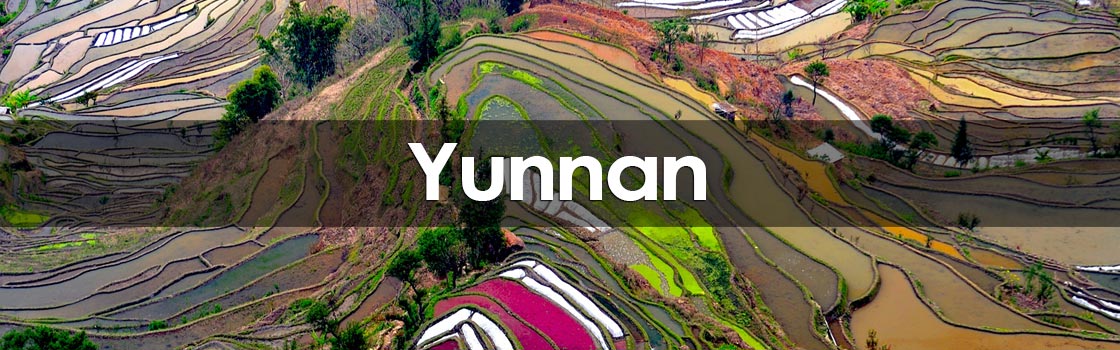
- Admire the view of the magnificent terraced rice fields of Yuanyang.
- Trek through the Tiger Leap Gorge and enjoy stunning views between cliffs and waterfalls.
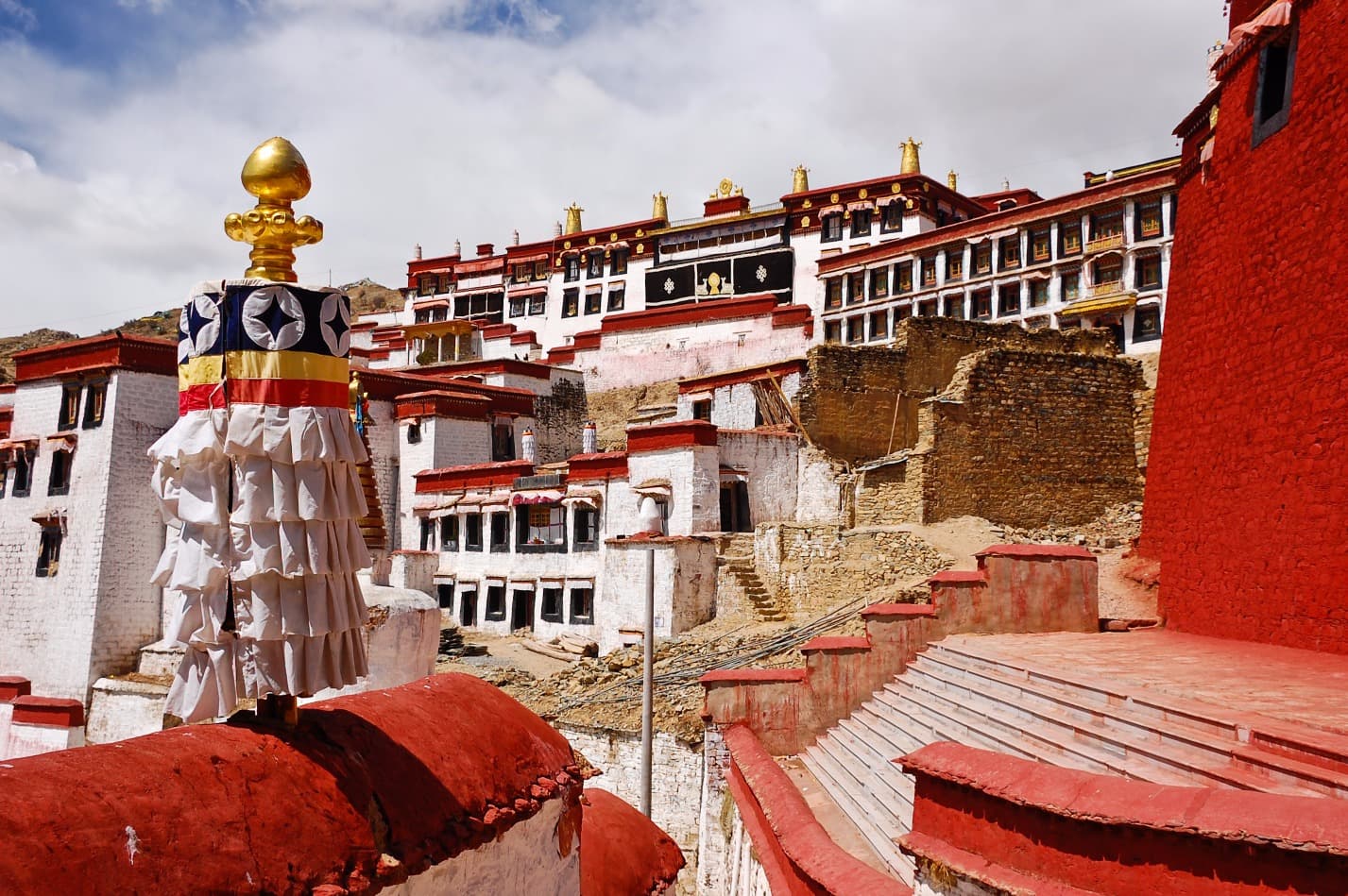
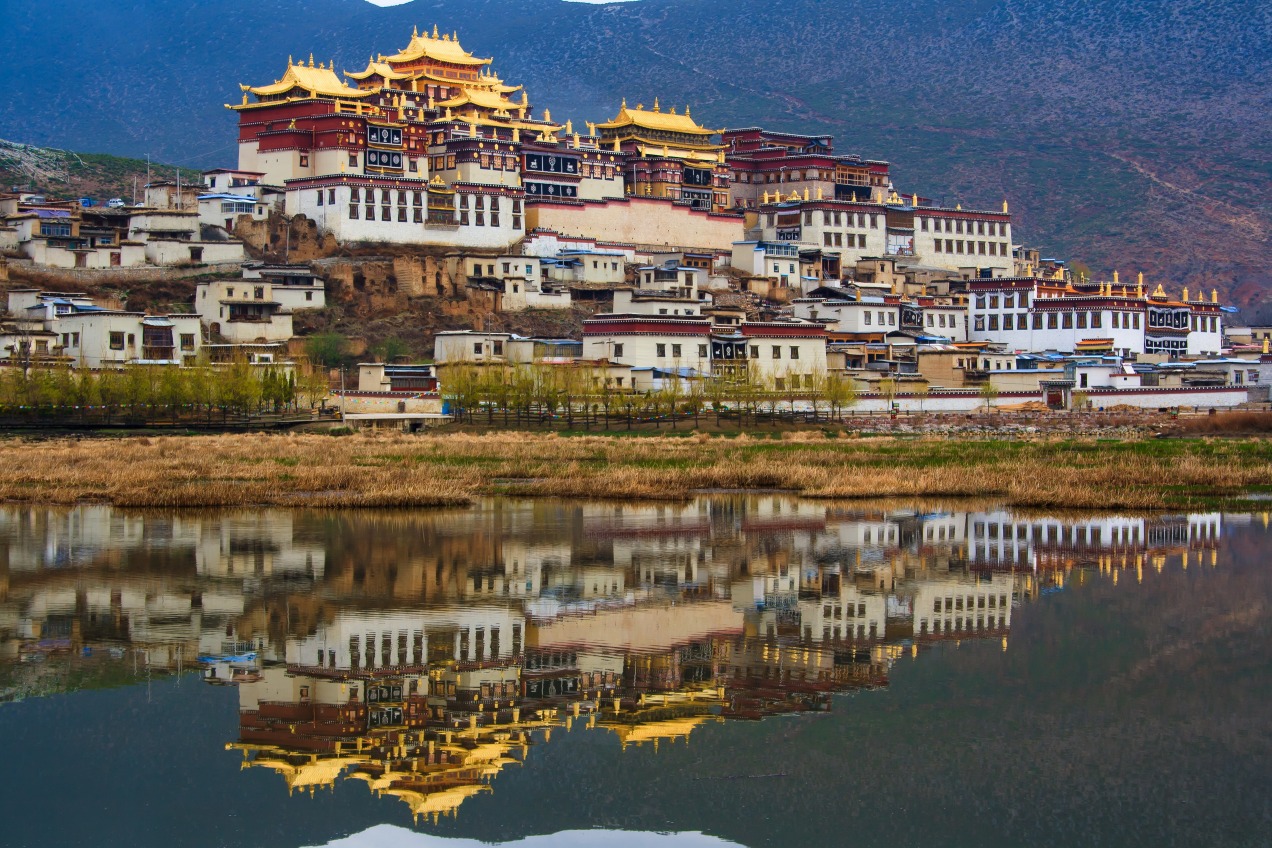
- Immerse yourself in the Tibetan atmosphere of Shangri-la.
- Explore the vast natural park of the Stone Forest near Kunming.
- Wander through the cobblestone streets of the old town of Lijiang and visit the many points of interest in its surroundings.
- Observe elephants from above in the Yexianggu Natural Reserve in Xishuangbanna
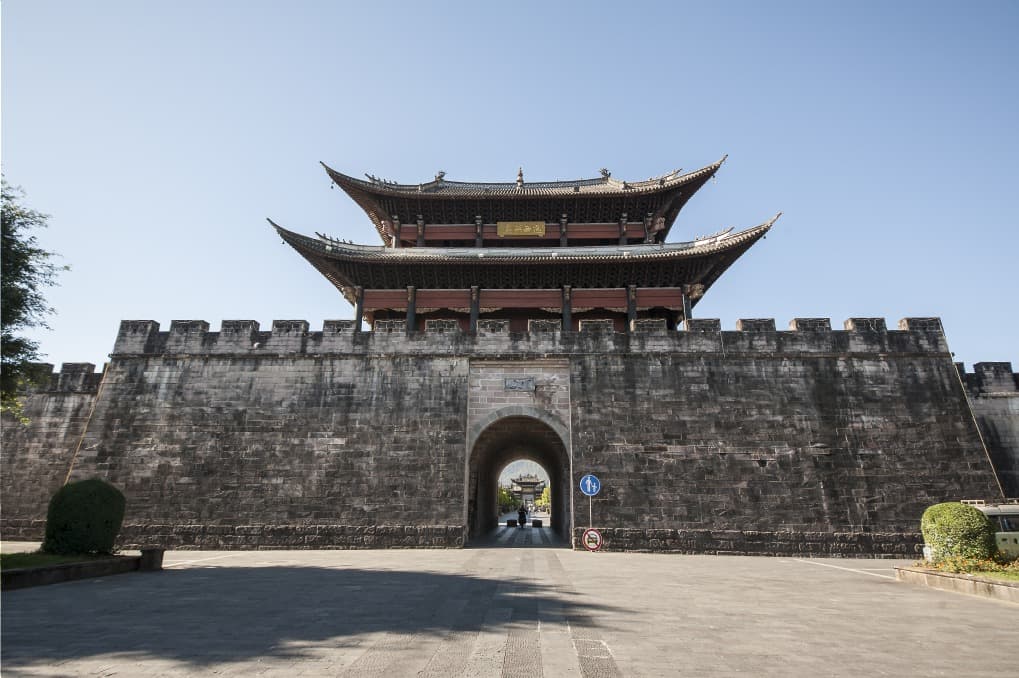
- Spend a few days in Dali and enjoy its atmosphere influenced by the Bai minority as well as its stunning natural landscapes.
Cities and Districts of Yunnan