Beijing Botanical Garden
Beijing Botanical Garden
Located 23 km northwest of Beijing, an expansive botanical garden blending tropical greenhouses, peony collections, Metasequoia, and cultural relics.
Situated 23 km northwest of Beijing, in Haidian District, the Beijing Botanical Garden stretches between Xiangshan Park (Fragrant Hills) and Yuquan Mountain. Designated a national AAAA scenic attraction, it spans over 4 km² devoted to the conservation, research, and presentation of Chinese and international flora.
Why visit the Beijing Botanical Garden
- A world-class scientific collection with approximately 1,500 tropical and subtropical species in greenhouses, including orchids and "stone plants" (lithops).
- The presence of Metasequoia, a conifer long thought extinct and rediscovered in the wild in 1941.
- A unique historical dimension: the garden housed Puyi, China's last emperor, during the 1960s.
- A section of cultural relics including the Temple of the Reclining Buddha, several tombs, and memorials.
- An accessible breathing space served by public transport, away from downtown Beijing's bustle.
Garden History
The Beijing Botanical Garden was established in 1955 as part of a scientific research and conservation initiative for Chinese plant resources. In the early 1960s, it became the setting for a singular episode in contemporary Chinese history: Puyi, China's last emperor, was employed there as a gardener following his release, thanks to the intervention of Premier Zhou Enlai. This historical chapter adds an unexpected memorial layer to what was primarily conceived as a botanical venue.
Over the decades, the site has been enriched with greenhouses, themed gardens, and a section dedicated to cultural relics, which incorporates several monuments predating the garden's creation.
What to See
The garden spans over 4 km², with approximately 2 km² open to visitors, organized into four main sections.
Themed Gardens
Planted as collections, they allow you to move from one botanical universe to another:
- tree garden and perennial flower garden;
- Chinese rose garden and peony garden;
- traditional Chinese medicine herb garden;
- wild fruit gardens, aquatic plants, and endemic species gardens.
Greenhouses
The greenhouse complex comprises 13 exhibition halls and presents approximately 1,500 tropical and subtropical species. Considered during its construction to be one of Asia's largest greenhouse complexes, it highlights orchids, stone plants, and several rare specimens. This is also where the Metasequoia is featured—a conifer rediscovered in 1941 in Hubei and Sichuan provinces, after being presumed extinct.
Cultural Relics Section
Several historical monuments are integrated within the garden:
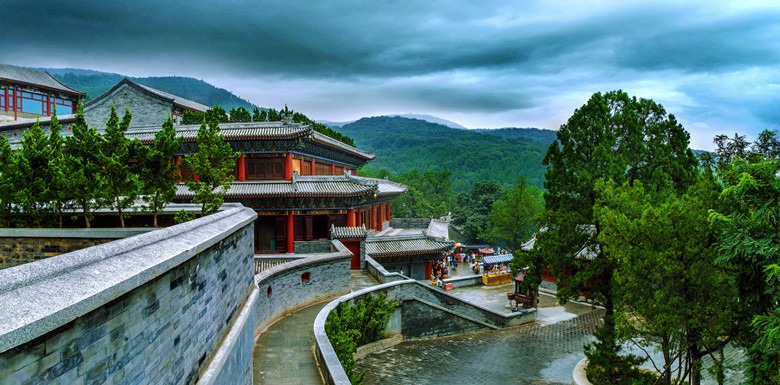
- the Temple of the Reclining Buddha (Wofo Si), predating the garden's creation;
- the tomb of Liang Qichao, a late Qing intellectual and reformer;
- the tomb of General Sun Chuanfang;
- the memorial to Cao Xueqin, author of Dream of the Red Chamber;
- the Yangtaogou site and the bee museum.
When to Visit
Two periods are particularly suited for a visit:
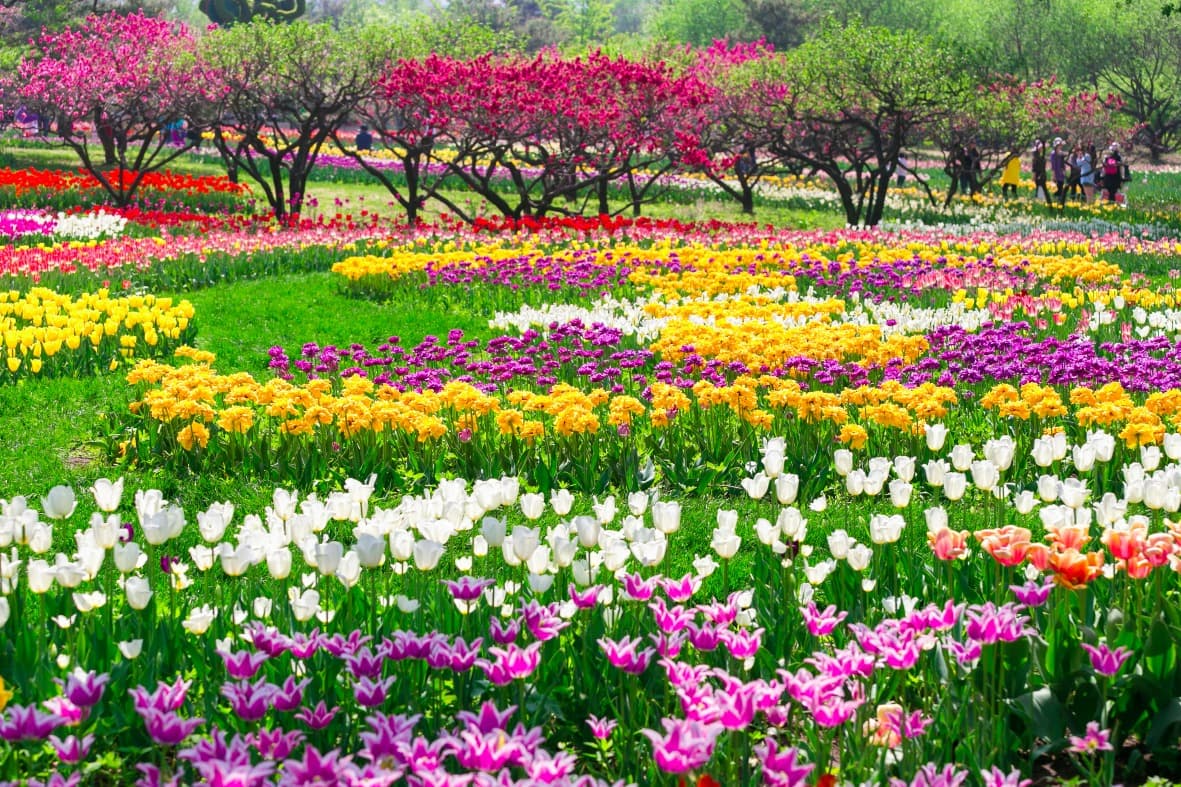
- Spring (April–May): blooming peonies, Chinese roses, and fruit trees. The most photogenic period, though also the busiest on weekends.
- Autumn (September–October): foliage colors, ripe fruits, and mild temperatures.
Summer is manageable but hot and humid; winter is cold, though the greenhouses become the main attraction. Plan for 2 hours to a half-day depending on which sections you explore.
Practical Information
- Address: Haidian District, approximately 23 km northwest of central Beijing.
- Hours: daily opening from early morning through late afternoon. Hours vary by season—check before you go.
- Admission: modest entry fee for the landscaped garden; additional fee for greenhouse access. Reduced rates for students.
- Recommended duration: 2 to 4 hours.
How to Get There
Public transport access is straightforward:
- Metro: Line 1 to Pingguoyuan station, then bus 318 to the garden entrance.
- Direct buses: lines 331, 360, 634, 696, 714, and 733.
- Taxi / Ride-hailing: convenient from downtown, expect 40 minutes to 1 hour depending on traffic.
Nearby Attractions
The garden pairs well with other sites in northwest Beijing for a full day:
- Xiangshan Park (Fragrant Hills), renowned for its autumn maples and accessible on foot from the garden;
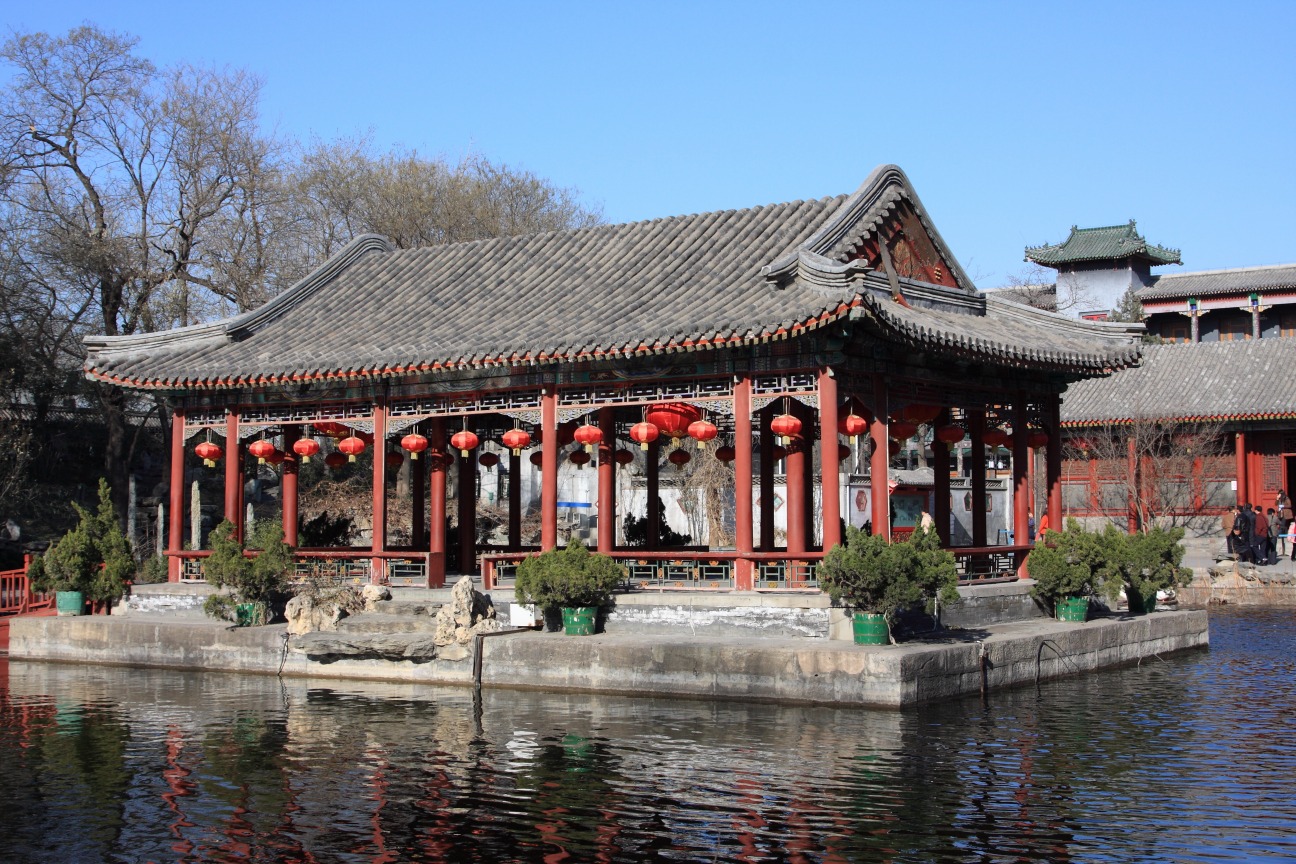
- the Summer Palace and its Kunming Lake, just a few kilometers away;
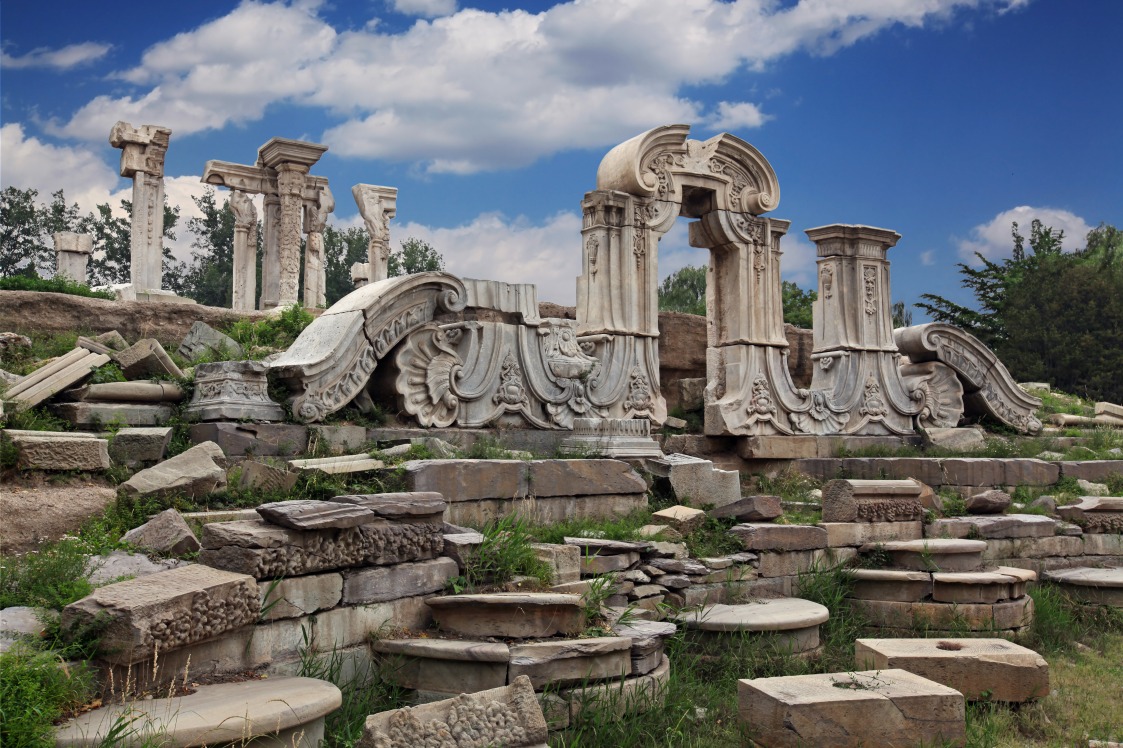
- the Old Summer Palace (Yuanmingyuan), to the southeast.
If extending your stay, you can also visit the Great Wall at Juyongguan, one of the most accessible sections from Beijing.
Frequently Asked Questions
Frequently asked questions
Include the Botanical Garden in Your Trip
The Beijing Botanical Garden makes an excellent half-day stop between touring the major imperial sites and venturing to the Great Wall. To design a custom itinerary for Beijing and its surroundings, explore our China tours.
Nearby
Interested in this visit?
We can include it in your personalised itinerary.