Putuozongcheng Temple (普陀宗乘之庙)
Putuozongcheng Temple (普陀宗乘之庙)
Inspired by the Potala Palace, Putuozongcheng Temple is the most expansive of Chengde's Outer Temples. Built under Emperor Qianlong in 1771, it blends Tibetan and Han architecture on a UNESCO World Heritage site.
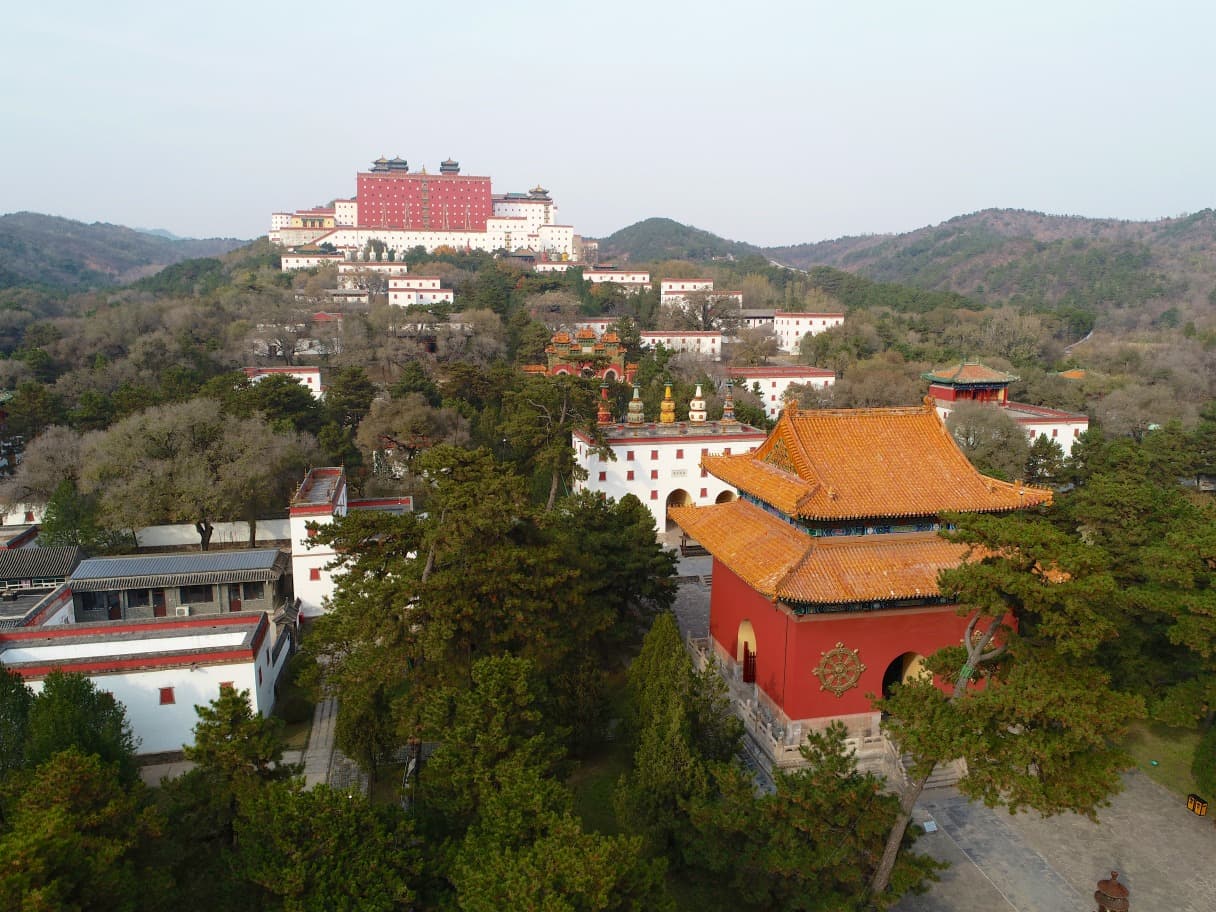
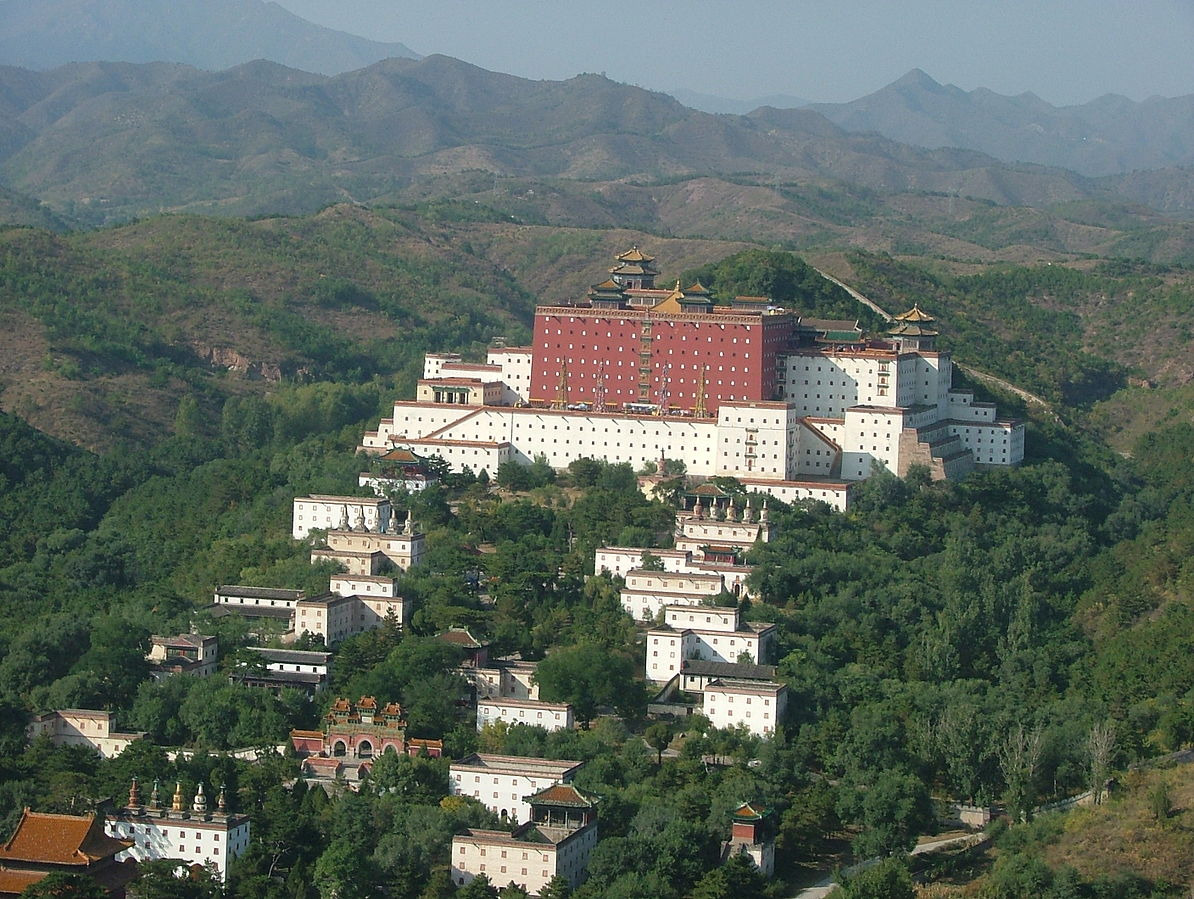
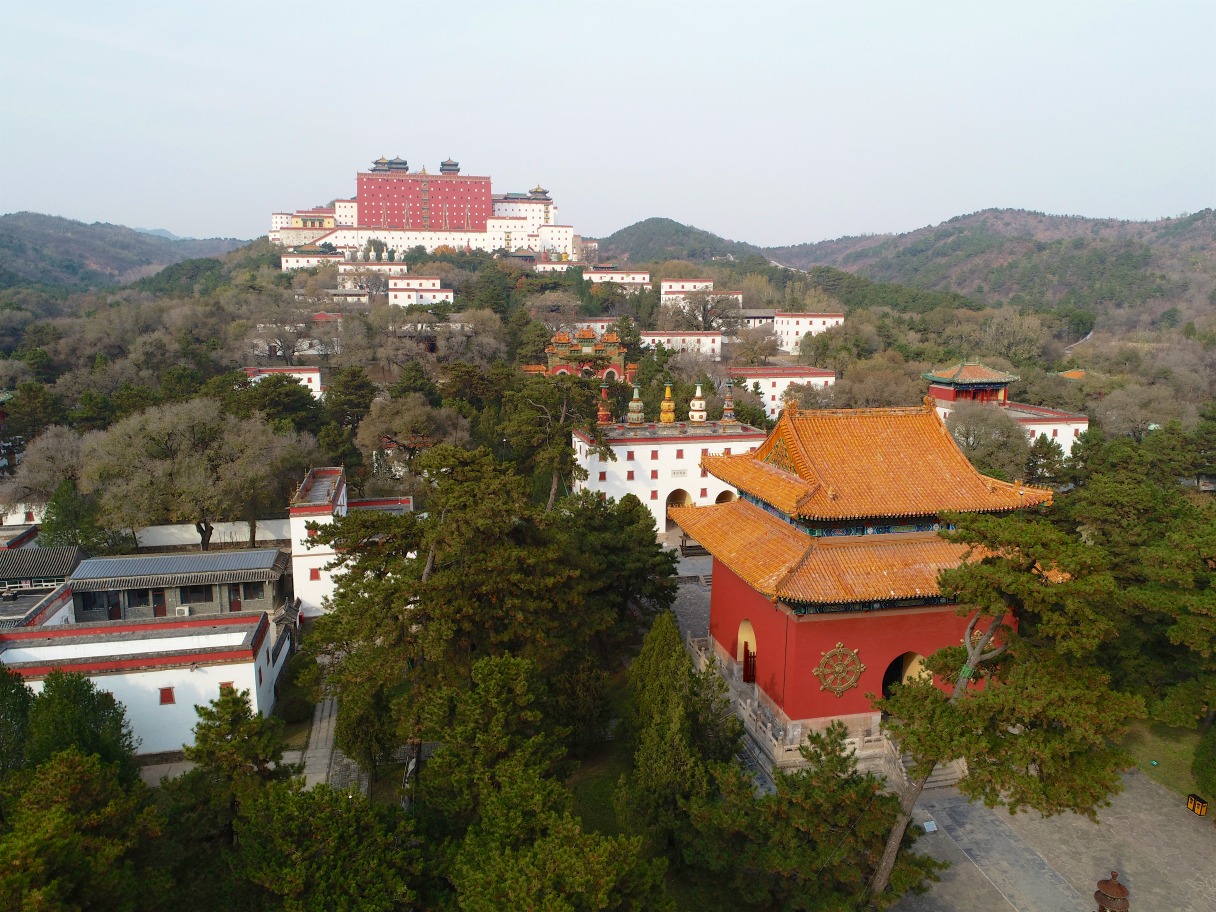
Built between 1767 and 1771 under Emperor Qianlong, Putuozongcheng Temple dominates the city of Chengde from the hills north of the imperial summer palace. Inspired by the Potala Palace in Lhasa, it echoes its massive silhouette and distinctive red façades. It is the largest of Chengde's eight Outer Temples, constructed to receive Mongolian and Tibetan delegations during celebrations marking Qianlong's sixtieth birthday.
Practical Information at a Glance
- Admission : Paid entry (separate ticket from other Outer Temples)
- Recommended duration : 1 h 30 to 2 hours to explore the entire site
- Dress code : Respectful attire recommended; shoulders and knees should be covered in worship halls
- Access : Local buses from central Chengde; the site is approximately 2 km north of the imperial palace of Bishu Shanzhuang
- Accessibility : Numerous stairs make access difficult for people with mobility restrictions
What to See
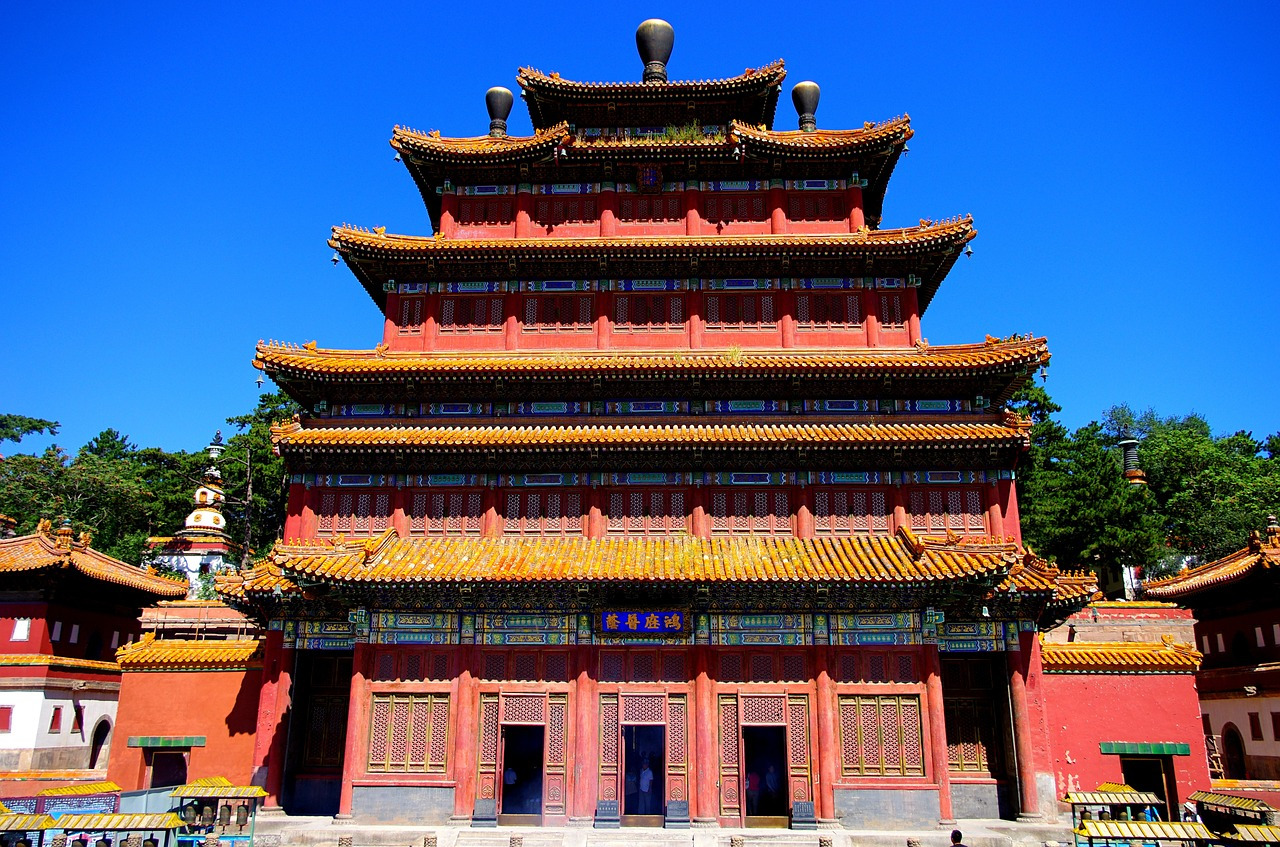
The temple spreads over more than 22 hectares. The front section, in Han style, displays pavilions and trilingual steles (Chinese, Manchurian, Mongolian, Tibetan). The rear section, in Tibetan style, is dominated by the Great Red Pavilion (Dahongtai), a thirteen-story tower with ochre-red façades pierced by golden blind windows. Inside, a gilded statue of Guanyin with a thousand arms, several meters high, occupies the heart of the main sanctuary.
History and Context
Qianlong commissioned this temple to strengthen political and religious ties with the Buddhist peoples of the borderlands. The Potala model was more than aesthetic: it signified that the Qing empire positioned itself as the protector of Tibetan Buddhism. The inscriptions on the entrance steles, composed in four languages, testify to this multinational ambition. The site is part of the UNESCO World Heritage designation "Mountain Resort of Chengde and Its Surrounding Temples," inscribed in 1994.
Highlights of the Visit
The Great Red Pavilion (Dahongtai)
This is the central and most striking building on the site. Its red façades with golden blind windows faithfully imitate the architecture of the Potala. The interior houses several stacked worship halls and the great statue of Guanyin.
The Imperial Steles
At the entrance, three pavilions shelter steles carved by Qianlong himself, explaining the reasons for the temple's construction. These quadrilingual inscriptions are a rare historical document of Qing religious policy.
The View over Chengde
From the upper terraces of the Dahongtai, the panorama embraces the Chengde valley, the imperial palace, and the surrounding wooded hills. It is one of the most expansive viewpoints in the region.
The Han-Style Pavilions
The front courtyard, with its double-eaved roofs and gardens, contrasts with the Tibetan austerity of the upper section. This deliberate blending of styles illustrates the syncretic cultural policy of the Qing emperors.
Etiquette and Visiting Rules
- Remove your shoes before entering certain active worship halls.
- Speak in hushed tones in sacred spaces; monks may be conducting services.
- Do not touch statues or ritual objects.
- Pass incense burners by the left, in accordance with Buddhist practice.
Photography Tips
Morning light is ideal for photographing the red façades of the Dahongtai, which face south. In late afternoon, the wooded hills behind the temple take on warm hues. Photography is generally permitted in outdoor courtyards; check restrictions at the entrances to interior halls.
Location and Access
The temple stands in the Outer Temples zone, north of central Chengde, in Hebei Province. It is accessible by bus from Chengde Station or from the imperial palace of Bishu Shanzhuang. Taxis and bicycle rentals also provide access to the site. Chengde is connected to Beijing by high-speed train in less than two hours.
Nearby Attractions
- Xumifushou Temple — Immediate neighbor, inspired by Tashilhunpo Monastery in Tibet, built the same year to receive the Panchen Lama.
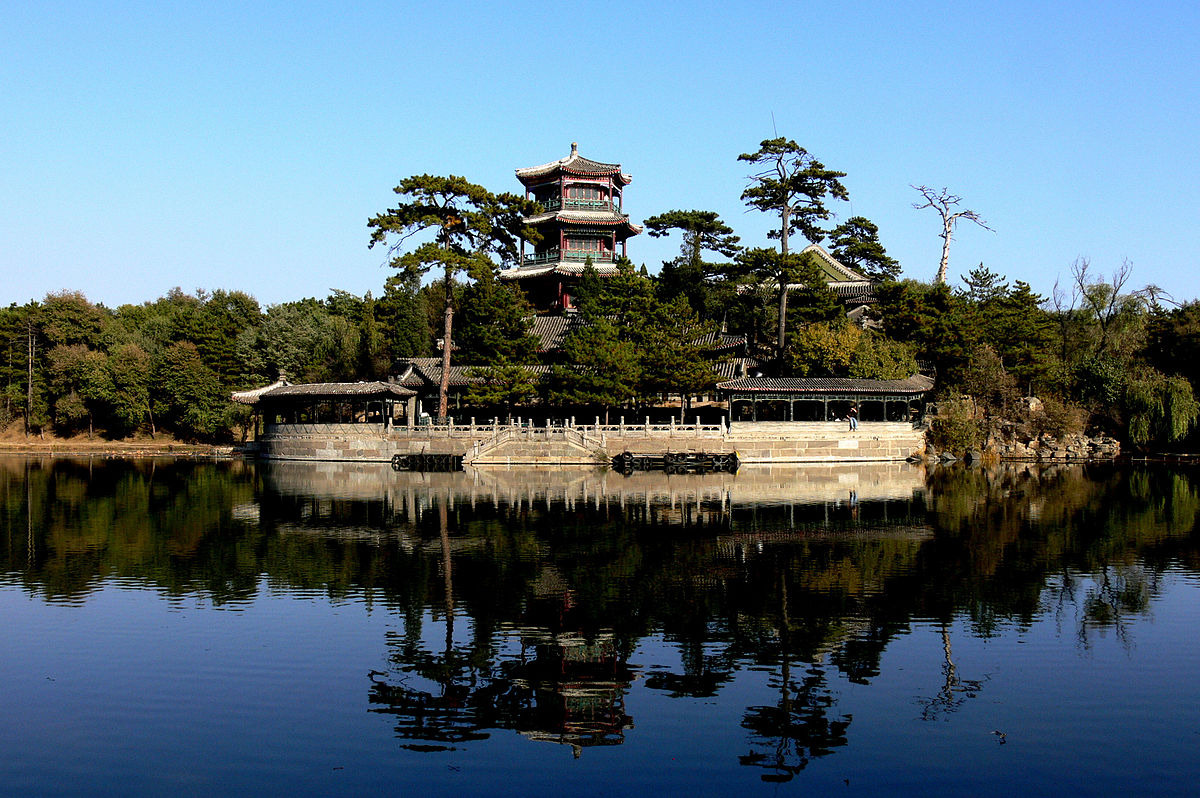
- Bishu Shanzhuang (Mountain Resort) — The vast imperial summer palace at the heart of Chengde, the natural starting point for visiting the temples.
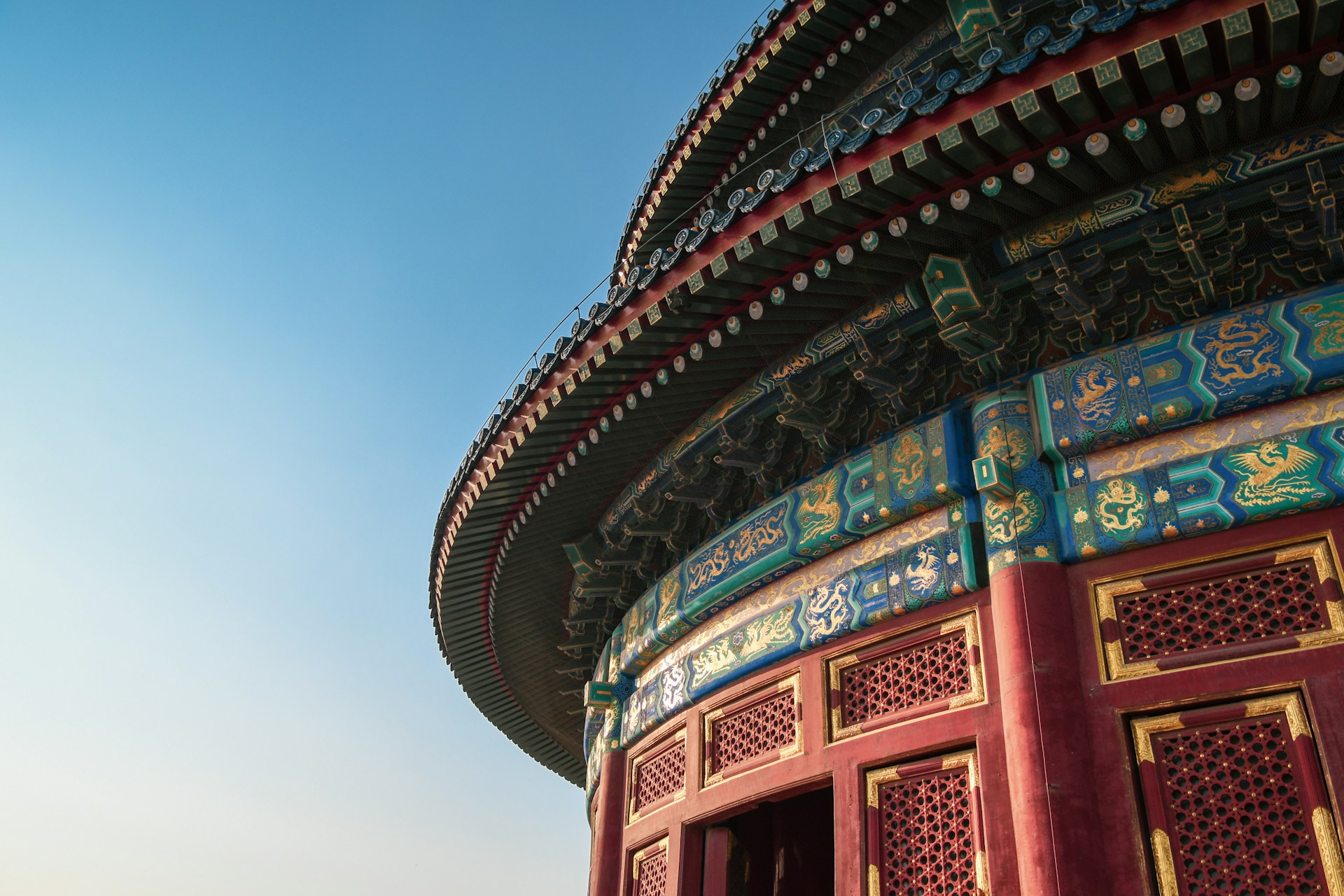
- Pule Temple — Circular temple to the east of the city, whose central pavilion echoes the Temple of Heaven in Beijing.
- Anyuan Temple — More modest, it reproduces a Uyghur temple from Xinjiang and demonstrates the architectural diversity of the Outer Temples.
Photos
Nearby
Interested in this visit?
We can include it in your personalised itinerary.