Qianmen Pedestrian Street
Qianmen Pedestrian Street
Historic pedestrian street in Beijing linking the Qianmen gate to the Temple of Heaven: century-old shops, Peking duck and a heritage tram in the heart of the Dashilan district.
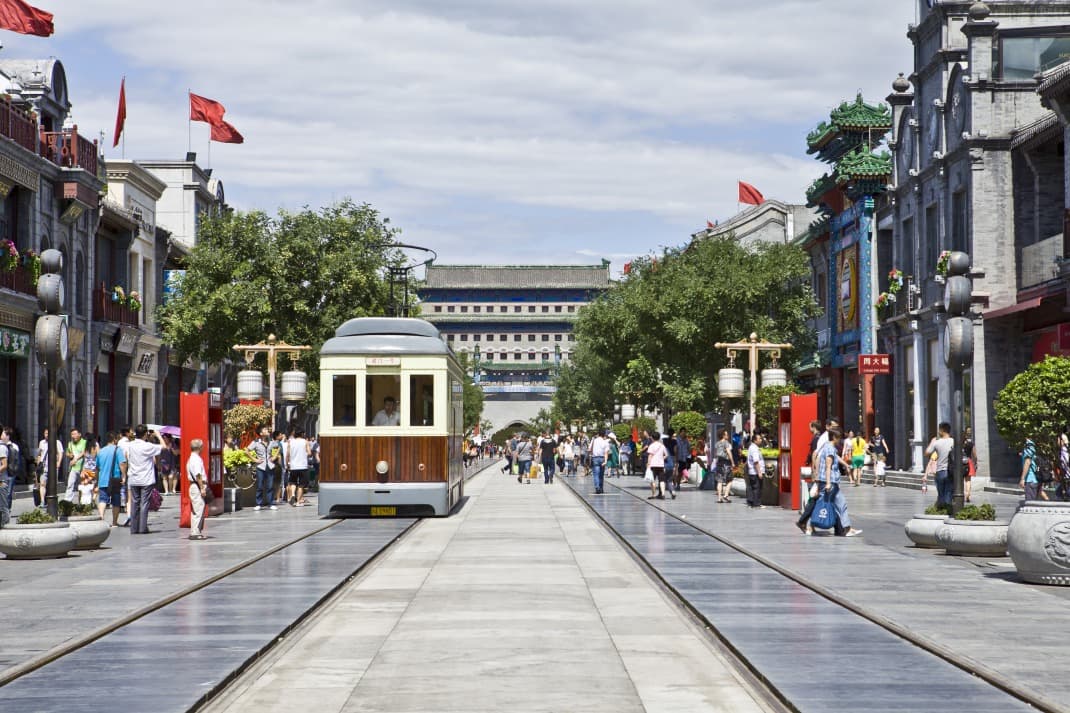
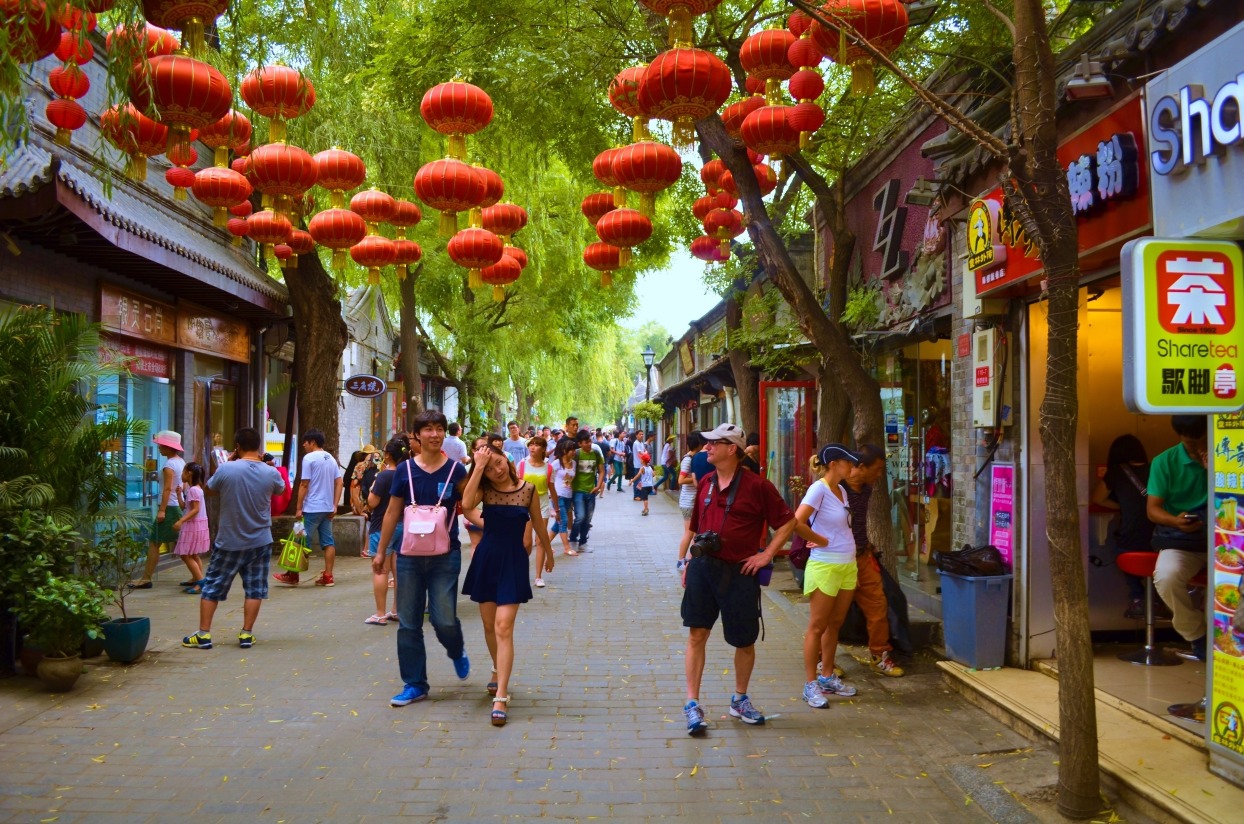
Qianmen Pedestrian Street is one of the historic commercial arteries of Beijing. It stretches from the Zhengyangmen watchtower in the north to the Tiantan Road leading to the Temple of Heaven in the south. Lined with century-old shops, iconic restaurants and a tram that runs the entire length of the street, it forms the commercial extension of the imperial axis connecting Tiananmen Square to the Forbidden City.
Why visit Qianmen Street
Qianmen concentrates several layers of Beijing's history within a few hundred metres. This is where some of China's oldest establishments are found, many of which have been operating since the Ming and Qing dynasties: traditional pharmacies, silk merchants, artisanal shoemakers, imperial restaurants. The street also offers a privileged vantage point on early 20th-century commercial architecture, restored for the 2008 Olympic Games. It perfectly complements visits to nearby major monuments by revealing a mercantile, lively and popular Beijing.
History of Qianmen Street
The avenue has existed for more than five centuries. Under the Ming and Qing dynasties, it was called Zhengyangmen Street and served as the route taken by emperors travelling from the Temple of Heaven to the altar of the god of Agriculture for annual rites. With the expansion of the outer city, it became one of the main axes connecting the northern and southern parts of the capital, and a major commercial hub attracting renowned pavilions and shops.
The street took its current name in 1965. It was subsequently rehabilitated on a large scale in preparation for the 2008 Olympic Games, which unified the facades in a traditional style and restored the pedestrian route that exists today.
What to see and do
The Dashilan district and its historic shops
Qianmen extends westward into the Dashilan district, one of Beijing's oldest commercial neighbourhoods. Several landmark establishments are found here:
- Ruifuxiang: silk merchant founded by a Shandong family about a century ago, specializing in silk garments and fine fabrics.
- Neiliansheng: shoemaker established in the district since the 19th century, renowned for fabric shoes entirely handmade.
- Liubiju: specialist in vegetables marinated in soy sauce with a sweet-savoury taste, present since the Qing era.
- Tongren Pharmacy: traditional Chinese medicine dispensary with origins dating back to the late 17th century.
- Huqingyutang Pharmacy: another reference in traditional pharmacopeia, also appreciated for the quality of its preparations.
Iconic restaurants
The street is associated with several establishments that have shaped Beijing cuisine:
- Quanjude, the famous Peking duck house.
- Bianyifang, another Peking duck institution, using a different cooking method.
- Yitiaolong, a renowned Muslim restaurant.
- Douyichu, a table favoured by Emperor Qianlong and still in operation today.
The Qianmen Tram
A tram runs along the pedestrian street and is its only authorised vehicle. It recalls the historic line put into service in Beijing in the 1920s and offers a short but pleasant journey from one end of the avenue to the other. The grand arch of the Qianmen gate (Zhengyangmen), which closes the perspective to the north, provides access to Tiananmen Square and, beyond, to the Forbidden City.
Practical information
- Recommended visit duration: allow 1.5 to 3 hours depending on your interest in shopping and dining.
- Access: the street is entirely pedestrian and freely accessible, with no entry fee.
- Shops and restaurants: open during daytime and evening hours; historic establishments generally close earlier than modern shops.
- Tip: combine your visit with Tiananmen Square or the Forbidden City, located a short walk to the north.
When to visit
Qianmen can be visited year-round, but the experience is more pleasant in spring (April-May) and autumn (September-October), when temperatures are mild and pollution less pronounced. Beijing summers are hot and humid, and winters very cold: plan breaks in shops and restaurants. The street is particularly lively in the evening, when the facades are lit up, as well as during traditional Chinese festivals.
Nearby attractions
Qianmen's central location makes it easy to visit several major sites in sequence:
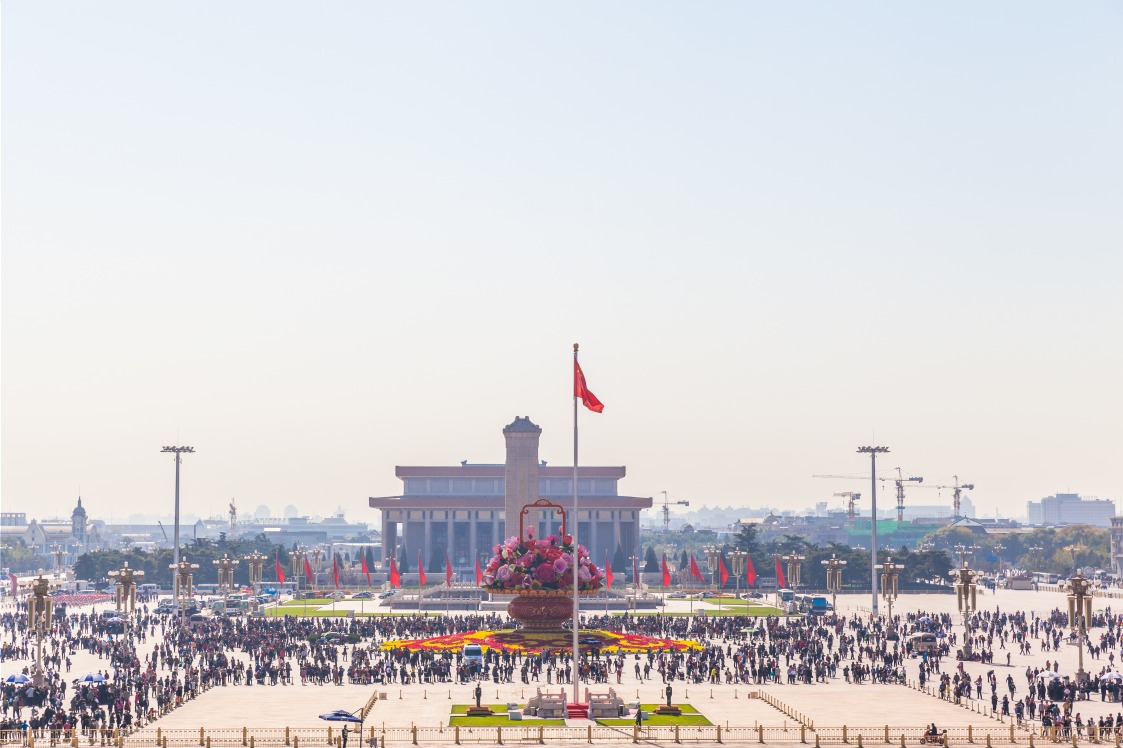
- Tiananmen Square and the Forbidden City, accessible in a few minutes on foot via the Qianmen gate.
- The Temple of Heaven, to the south, continuing along the street.
- The Dashilan district, which can be visited as a continuation of Qianmen.
To extend your exploration beyond the capital, you can combine Beijing with an excursion to the Great Wall at Juyongguan.
How to get there
- By metro: Line 2, Qianmen station, a short walk from the north entrance of the street. This is the easiest option.
- By bus: numerous lines serve the Qianmen stop; the station is one of central Beijing's major hubs.
- On foot: from Tiananmen Square, allow about 10 minutes by passing through the Zhengyangmen gate.
- By taxi or ride-hailing service: drop-off is on the outskirts of the street, as vehicle access is prohibited on the pedestrian thoroughfare.
Frequently asked questions
Frequently asked questions
Yes, automotive traffic is prohibited. Only a tourist tram runs the entire length of the avenue.
Plan between 1.5 and 3 hours to explore the street, visit the Dashilan district and take a break at one of the historic restaurants.
Yes, the Qianmen gate marks the southern entrance to the imperial axis. Simply pass through it to reach Tiananmen Square and then the Forbidden City, just a short walk away.
Peking duck at Quanjude or Bianyifang, Muslim cuisine at Yitiaolong, or sweet-savoury marinated vegetables from Liubiju.
Qianmen station on Line 2 provides direct access to the north entrance of the street.
Prepare your trip
Qianmen Pedestrian Street naturally fits into any cultural itinerary in Beijing, between the Forbidden City, Temple of Heaven and hutongs. To tailor-make a trip incorporating these stops, explore our voyages en Chine.

Nearby
Interested in this visit?
We can include it in your personalised itinerary.