Xulamuren
Xulamuren
90 km north of Hohhot, Xilamuren steppe offers traditional yurts, a Qing temple and the Naadam fair, across 1,000 km² of Mongolian grassland.
Approximately 90 km north of Hohhot, the Xilamuren steppe is the most accessible grassland for tourism from Inner Mongolia's capital. Its name means "yellow water" in Mongolian, referring to the river that crosses the site. Spanning nearly 1,000 km², it alternates between gentle hills, pastures and yurts, and each summer hosts the great Naadam fair.
Why visit Xilamuren
- An accessible immersion into Mongolian pastoral culture, just two hours by road from Hohhot.
- A camp of about 62 traditional yurts where you can spend the night.
- The Naadam fair in late July, featuring Mongolian wrestling, horse racing and archery.
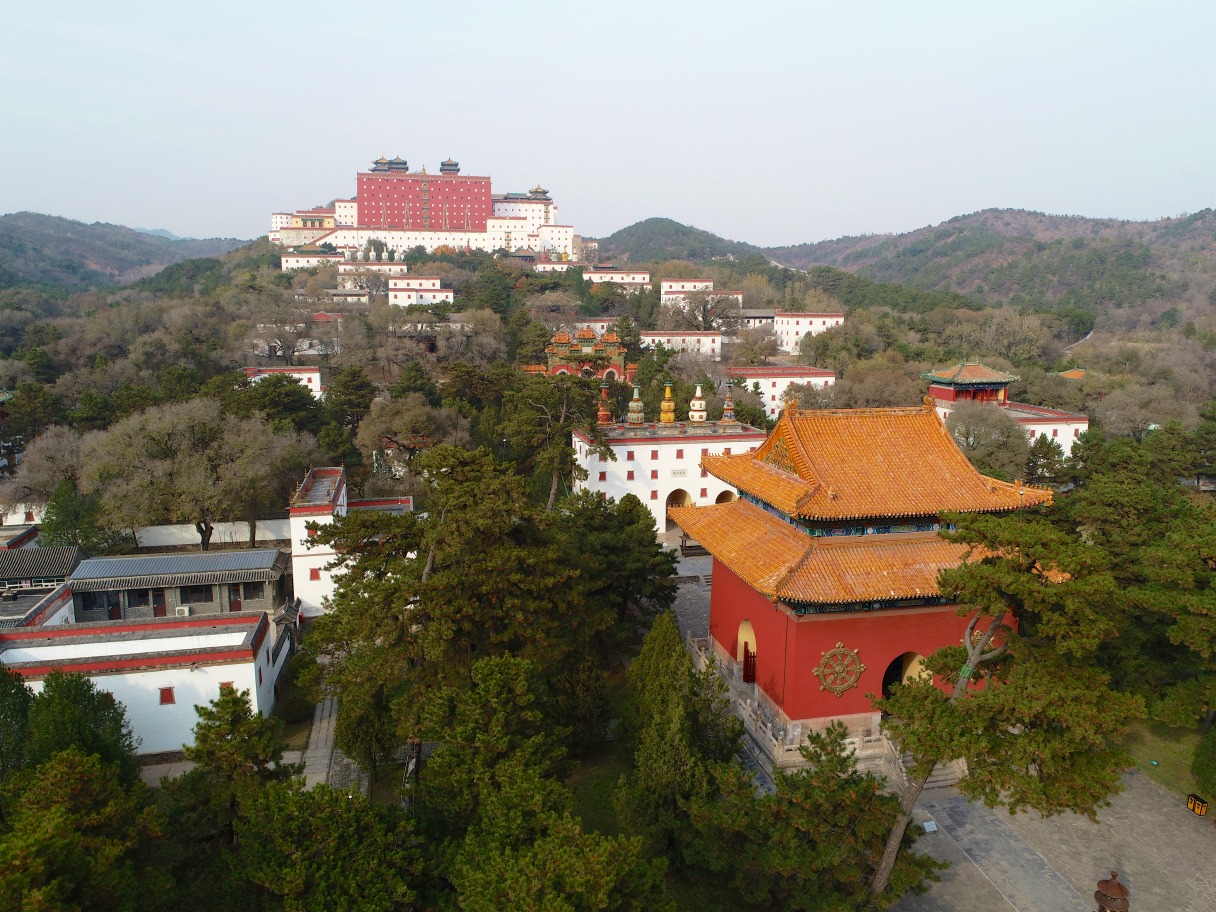
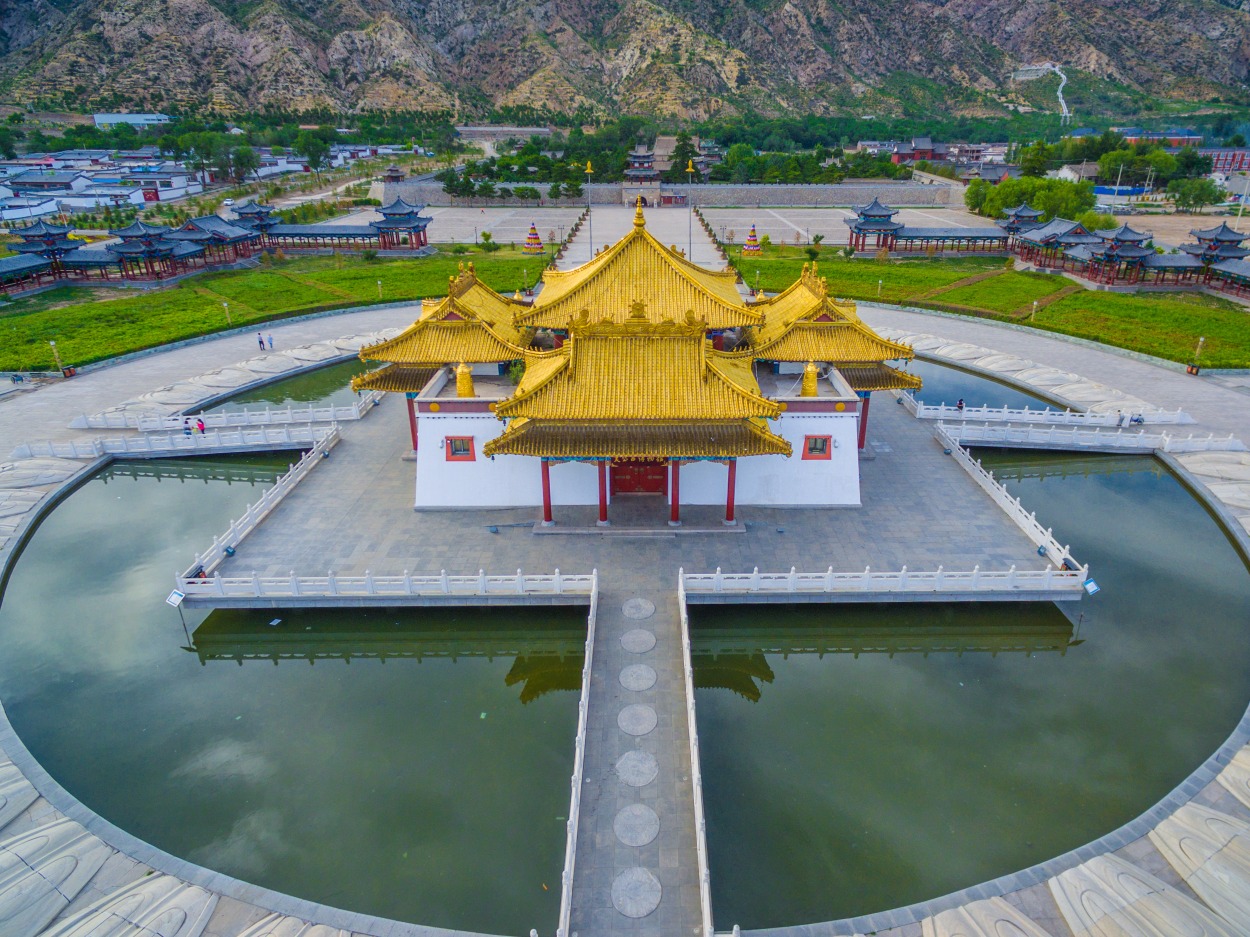
- Puhui Temple (Zhaohe), an 18th-century Qing building situated on the banks of the Xilamuren River.
- Temperate weather in summer and autumn, ideal for outdoor activities.
History and significance of the site
Before becoming one of the first grasslands open to tourism in the Hohhot region, Xilamuren was merely a high-altitude plain where nomadic herders grazed their livestock. The site developed around the Puhui Buddhist temple, locally known as Zhaohe.
Built in 1769 under the Qing dynasty, this temple served as a temporary residence for six living buddhas (reincarnated lamas) from the Xilituozhao monastery during their pilgrimages. The building, comprising three halls with painted beams, exemplifies the Tibeto-Mongolian syncretism that permeates the entire Inner Steppe.
What to see and do
The steppe and its landscapes
The grassland covers an area of approximately 1,000 km² with rolling terrain. You can traverse it on foot, horseback or by 4×4. Flocks of sheep and herds of horses dot the horizon, and sunsets over the open hills are among the highlights of a stay here.
Yurts and camp life
The site features approximately 62 yurts open to visitors. Made of compressed sheep's wool stretched over a latticed wooden frame, they recreate the traditional nomadic dwelling—with modern comfort for tourism. Evenings revolve around campfires, Mongolian dishes (roasted lamb, salted milk tea) and musical demonstrations on the Matouqin, the iconic horse-head fiddle of the region.
Puhui Temple (Zhaohe)
On the banks of the Xilamuren River, this Qing temple with three painted-beam decorated halls can be visited as part of a steppe walk. Allow about twenty minutes to tour it.
The Naadam Fair
Held annually in late July, the Naadam fair brings together the three virile Mongolian disciplines: wrestling, horse racing and archery. It features costume parades, markets and banquets. This is the most lively—and most crowded—period to visit Xilamuren.
When to go
The steppe is best visited from June to September. July and August offer the greenest pastures and mildest temperatures; this is also when the Naadam takes place (late July). September, quieter and more serene, features autumn colors and already cool nights. Outside this window, most yurt camps close and conditions become harsh.
Practical information
- Duration of visit: one day for an overview, two days and one night in a yurt to fully enjoy the site.
- Admission: moderate entrance fee; additional charges for horse riding, meals and yurt accommodation.
- Opening hours: daily during high season; activities greatly reduced in winter.
- What to bring: warm clothing even in summer (nights are cool), windbreaker, headlamp, cash in yuan.
How to get there
Xilamuren is approximately 90 km north of Hohhot, about 1.5 to 2 hours by road. Several options are available:
- Public bus from Hohhot's coach station, with early morning departures and mid-afternoon returns.
- Day taxi or private car with driver, more flexible, especially for reaching a specific camp.
- Organized excursion from Hohhot, typically one or two days with yurt accommodation included.
What to see in the region
- Hohhot, capital of Inner Mongolia, the logical starting point with its temples and regional museum.
- The Hexigten geopark, further east, for volcanic and glacial steppe landscapes.
- The thousand Buddha caves of Bezeklik, to extend a Buddhist route westward.
Frequently asked questions
Frequently asked questions
A night in a yurt is highly recommended to enjoy the evenings around the campfire, the starry sky and the pastoral atmosphere, which are difficult to appreciate on a simple day trip from Hohhot.
It is held annually in late July and lasts several days, featuring Mongolian wrestling, horse racing and archery. It's best to book accommodation and transport well in advance.
Yes, most camps offer guided horseback riding excursions, by the hour or half-day. Prices vary depending on duration and group size.
Yes, the site is well-suited for children: short horseback rides, open spaces and evening activities. Simply ensure you have warm clothing for the night.
Xilamuren is the closest to Hohhot and most developed for tourism. For wilder landscapes, the grasslands of Gegentala or Ulan Butong, further away, are preferable.
Plan your trip
Want to include Xilamuren in an Inner Mongolia itinerary or a broader journey through the north? Explore our travel ideas on Voyage Chine to build a bespoke getaway.
Interested in this visit?
We can include it in your personalised itinerary.