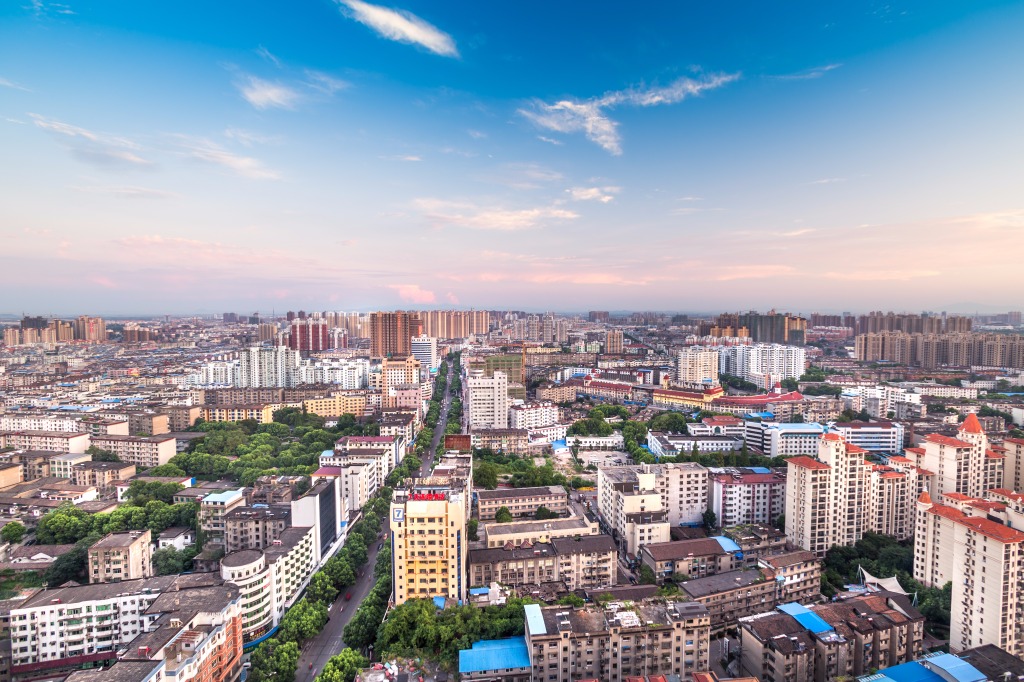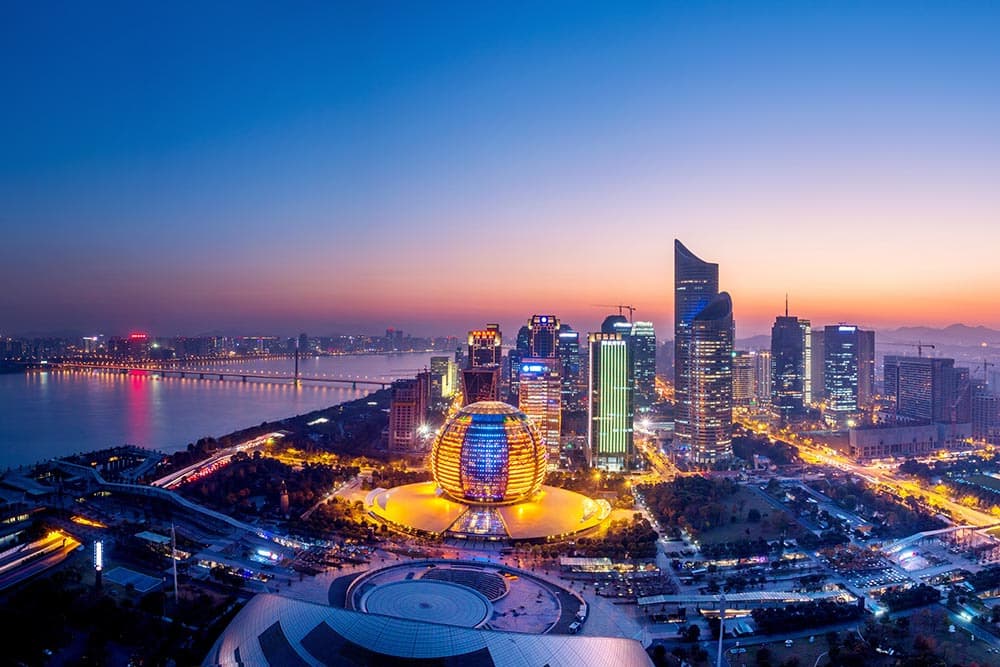
Hangzhou
Hangzhou
On the shores of the legendary West Lake, Hangzhou blends UNESCO-listed landscapes, thousand-year-old temples and Longjing tea plantations — one of Chine's treasures.
Name: Hangzhou
Chinese name: 杭州
Province: Zhejiang
Status: Sub-provincial city
Population: 8,700,000 inhabitants
Area: 16,847 km²
Hangzhou, capital of Zhejiang Province, ranks among Chine's most modern and visited cities. Situated at the southern terminus of the Grand Canal, it was once an important river port connecting Shanghai and Beijing.
Hangzhou owes its fame to the legendary West Lake, considered one of Chine's most beautiful landscapes.
History
Hangzhou's history stretches back over 2,000 years to the beginning of the Qin Dynasty in 221 BCE. Before taking its current name, Hangzhou was successively called Yuhang and Qiantang.
The completion of the Grand Canal allowed Hangzhou to make a name for itself. Hangzhou subsequently became the capital of the state of Wuyue during the period of the Five Dynasties and Ten States (907–960).
Hangzhou benefited from very fertile land and made the most of it by cultivating high-quality Silk and tea, opening doors to recognized commerce.
During the Northern Song Dynasty (960–1127), Hangzhou became an important economic and cultural center of the country. Later, the Southern Song Dynasty (1127–1279) settled further north and named Hangzhou as their capital. Hangzhou retained this status for 152 years and reached its zenith during this period. It was designated as an international commerce center and political and cultural center of the nation. It was also counted among the most populous cities in the world.
In the 13th century, Hangzhou was discovered by Marco Polo, who described it as the most splendid city in the world.
In 1861, the Taiping besieged the city and captured it, but reckoned without the imperial army, which fought to reclaim it two years later. This war reduced the city to ashes and caused the death of over 500,000 inhabitants. Hangzhou then lost its commercial importance.
Few buildings escaped the confrontations, and those still standing were subsequently destroyed by the Red Guards of the Cultural Revolution. The city we know today is therefore relatively modern.
Today
Hangzhou is one of Chine's cities with the strongest tourist appeal. This modern city doesn't necessarily differ from other metropolises, but its position near the famous West Lake gives it particular significance.
For centuries, Hangzhou's charm has captivated travelers from around the world with its peaceful character. Life is pleasant in Hangzhou, surrounded by natural landscapes.
The lakes and hills surrounding the city offer perfect visits for travelers keen to discover one of Chine's most beautiful landscapes.
!West Lake at Hangzhou !Hangzhou House
Although the city is one of Chine's most developed, Hangzhou has managed to preserve its ancestral traditions. You can discover some silk factories or sample Longjing tea cultivated on the hills bordering the West Lake. Hangzhou's culinary specialties are as surprising as they are refined, offering your palate new flavor combinations.
Despite the conflicts that destroyed a large quantity of remnants from the past, Hangzhou has managed to preserve some of its temples and residences, offering certain interest for history enthusiasts.
A few typical shops or ancient pharmacies will complete your visits by immersing you in the past and introducing you to the virtues of Chinese medicine.
Climate
Hangzhou enjoys the advantage of having a relatively warm and mild climate year-round with regular sunshine.
The four seasons are well-defined: spring is short and rainy, summer is hot and humid, autumn is cool and clear, and winter is dry and cold.
There are two rainy seasons in Hangzhou. One, mild, begins in late June through early July, while the other, with heavy rains and typhoons, extends from August through September.
The high tourist season occurs in spring from March to May and in autumn from September to November, when average temperatures hover around 20°C.
The coldest temperatures are recorded in January with an average of 3°C, while the highest temperatures occur in July with an average of 29°C.
Air
Daily flights from Beijing, Guangzhou, or Hong Kong serve Hangzhou Airport. The airport is also served by other major Chine cities.
Train
There is a direct railway line between Beijing and Hangzhou, and five express trains connect Shanghai to Hangzhou.
Other lines link the city from all corners of Chine.
Long-Distance Bus
Hangzhou has four bus stations served by a large portion of major Chine cities.
Luxury express buses, sleeper buses, or economy buses are available for all budgets.
Boat
The Grand Canal allows you to reach Hangzhou by boat from Suzhou. The journey is typically made at night and takes just over 10 hours.
It's possible to rent bicycles and enjoy a leisurely discovery tour of the city at your own pace.
For longer distances, you can take a local bus. Hangzhou has an efficient bus network serving the entire city.
Taxis are easily available and fares start at a minimum of 10 CNY.
What to Do in Hangzhou?
- Take a leisurely cruise on the West Lake.
- Explore Lingyin Temple and the Longjing tea plantations at Meijiawu village.
- Enjoy the splendid view of the West Lake from Leifeng Pagoda.
- Stroll along Hefang Street.
Discover all of Hangzhou's attractions.
Attractions in Hangzhou
See all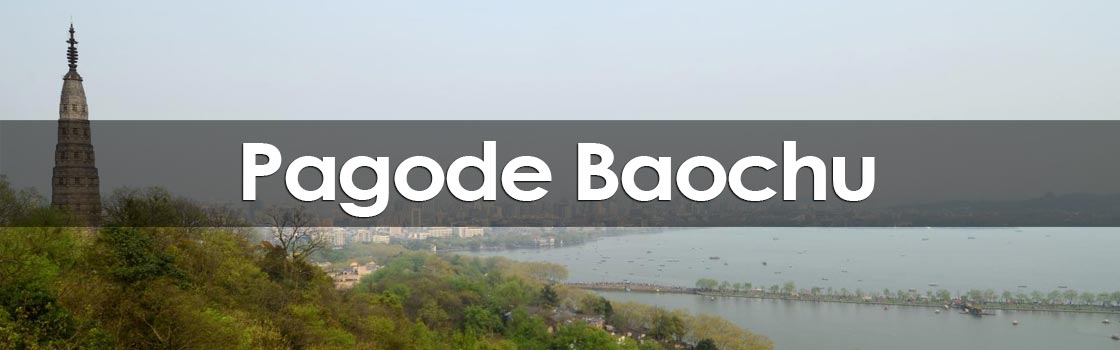
La Pagode Baochu et la grotte du dragon jaune
Sur la colline de Baoshi à Hangzhou, la pagode Baochu (963) domine le lac de l'Ouest. Une montée boisée mène au monument et à la grotte du Dragon Jaune.
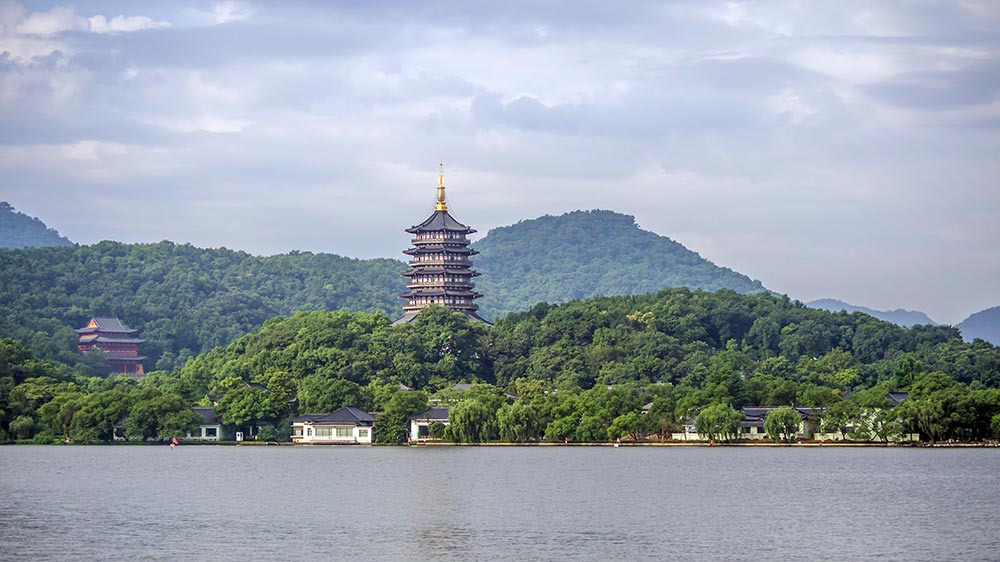
Pagode Leifeng
Sur la rive sud du lac de l'Ouest à Hangzhou, la pagode Leifeng réunit architecture traditionnelle, légende du Serpent Blanc et panorama sur la ville.
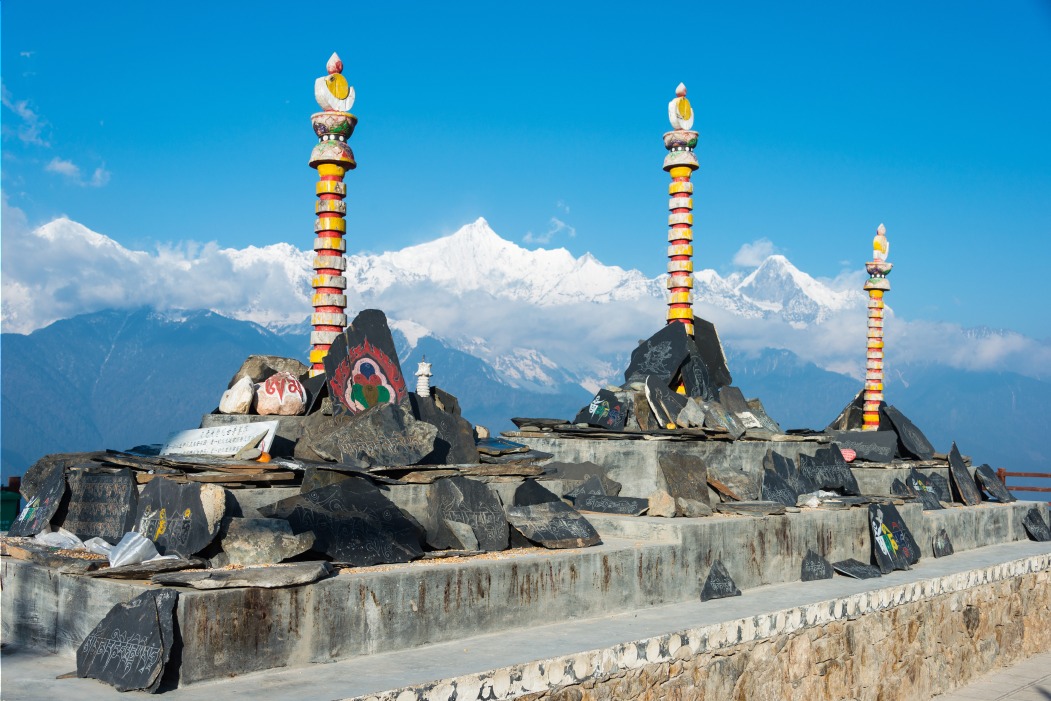
Pic de Feilai Feng (Feilai Feng)
Falaise calcaire creusée de plus de 300 sculptures bouddhiques des dynasties Song et Yuan, le pic de Feilai Feng est l'un des sites rupestres les mieux conservés du sud de la Chine, à deux pas du temple Lingyin.
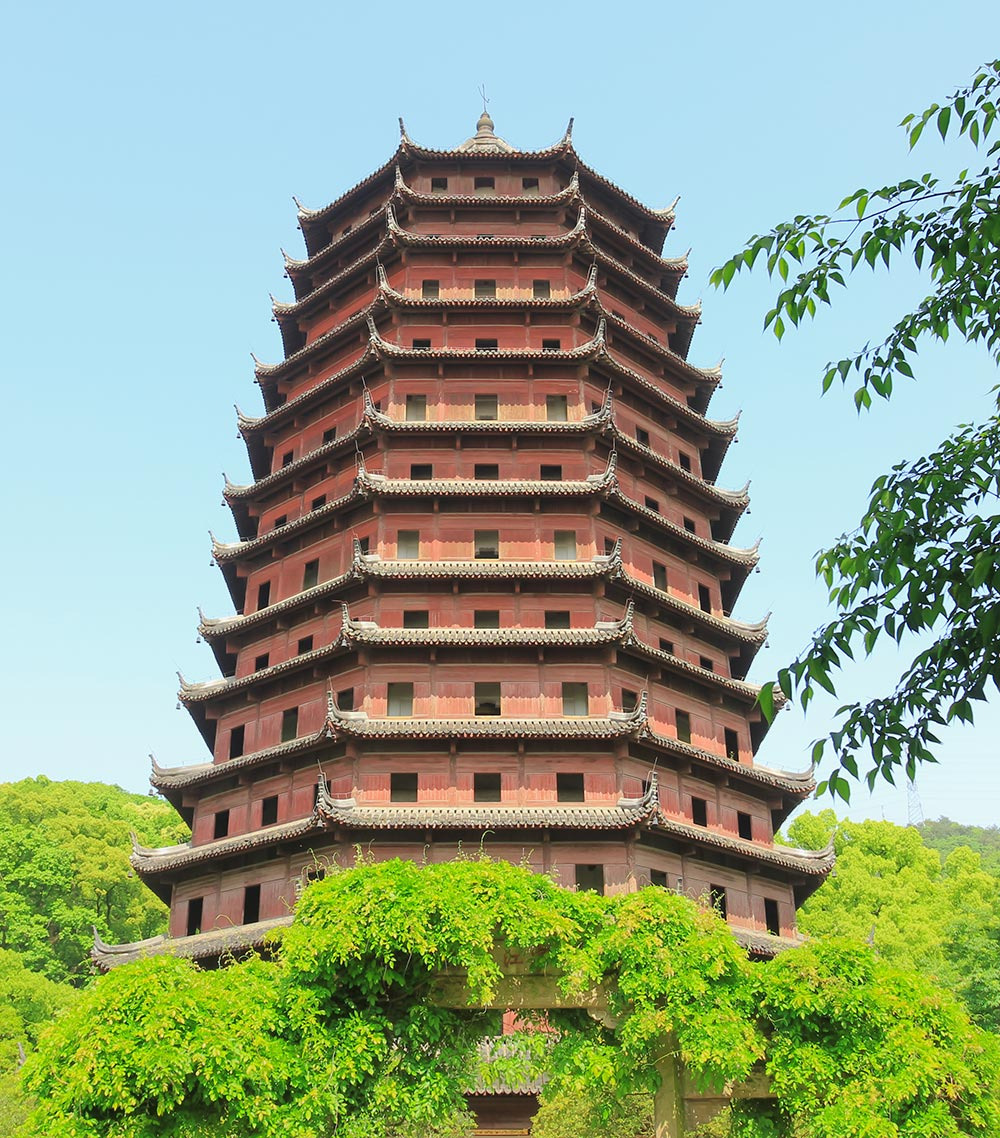
Pagode des six harmonies
Sur la colline Yuelun, au sud de Hangzhou, la Pagode des Six Harmonies surplombe la Qiantang depuis plus de mille ans. Architecture bouddhique, symbolique et conseils de visite.
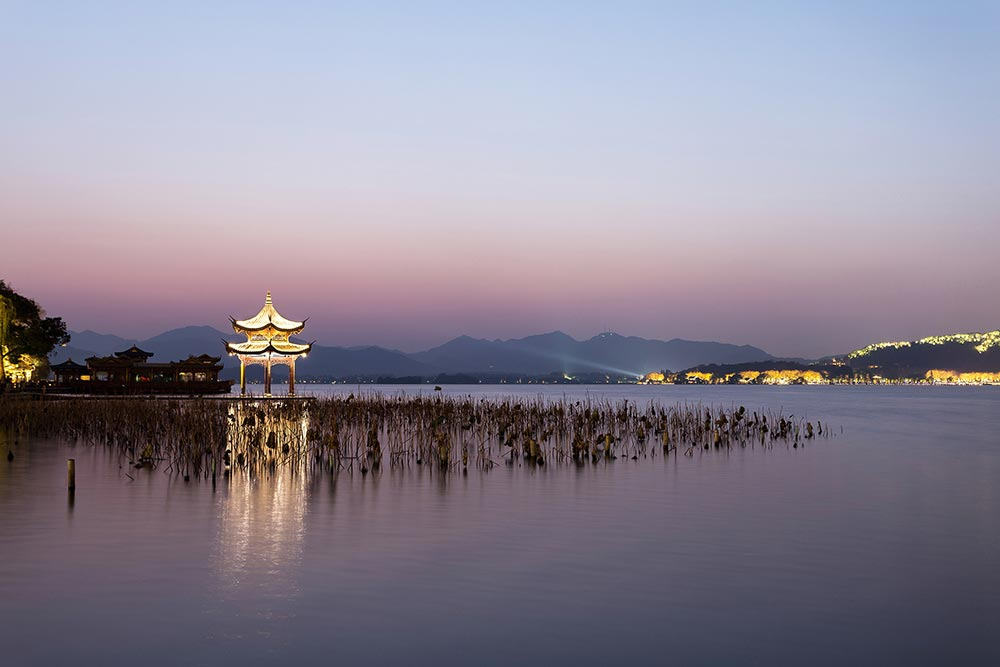
Lac de l'Ouest
À Hangzhou, le Lac de l'Ouest (Xihu) est inscrit à l'UNESCO depuis 2011. Digues, pagodes et îles composent les célèbres Dix Scènes codifiées sous les Song.
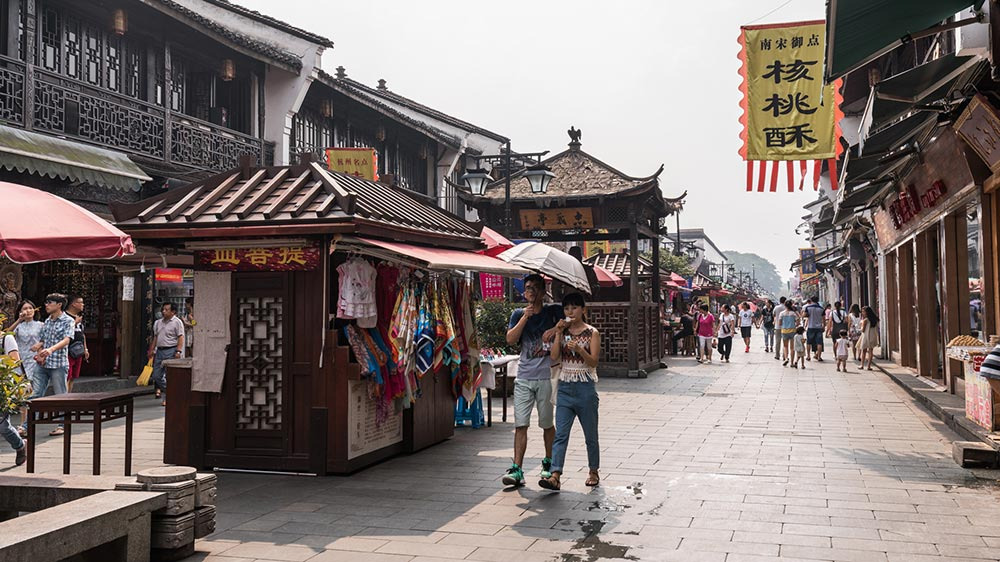
Rue Hefang
Rue piétonne historique de Hangzhou au pied de Wu Shan Hill : pharmacies traditionnelles, artisanat, maisons de thé et petits musées dans un cadre Ming et Qing restauré.
Want to discover this destination?
Our local advisors design your tailor-made trip.