Hohhot
Hohhot
Capital of Inner Mongolia, Hohhot blends Buddhist temples, Mongolian heritage, and serves as the gateway to the steppes and yurt experiences. Complete guide.
Name: Hohhot
Chinese name: 呼和浩特 (hu huo hao te)
Region: Inner Mongolia
Status: Prefectural city
Population: 1,980,774 inhabitants
Area: 17,224 km²
Hohhot is the capital city of Inner Mongolia. While the city is not widely known for its tourist attractions, it does present several fascinating historical sites that reflect its unique blend of Mongolian and Chinese heritage.
Hohhot is also the primary departure point for steppe expeditions. Its proximity to vast grasslands and mountain ranges makes it an excellent base for tourism.
History
Hohhot's history stretches back over 2,000 years to when the ancient nomadic tribes of Loufan and Linhu settled in the region during spring and autumn. These nomadic tribes were later displaced by the king of the State of Zhao, and Han Chinese began settling in Hohhot.
Around 306 BCE, during the Warring States period, the State of Zhao constructed the Great Wall at the foot of Yinshan Mountain. In 221 BCE, the first emperor of the Qin dynasty unified Chine and established 36 counties, including Yunzhong, located in Togtoh County southwest of Hohhot. This suggests that Togtoh served as the foundation for the city of Hohhot.
At the beginning of the Ming dynasty (1368–1644), a Mongolian army called the Tumed, led by Altan Khan, settled in Hohhot and built numerous structures with the intention of ending their nomadic way of life.
Later, the Ming renamed the city Guihua, which meant "return to civilization and that minorities follow Ming dynasty rules." In 1913, Guihua was renamed Guisui by the Qing dynasty. During the reign of Emperor Kangxi, the Qing displaced Mongolian tribes and created an outer city adjacent to the ancient city of Guihua: Suiyuan.
In 1928, Suiyuan was designated a province and renamed Hohhot. In 1954, Hohhot changed status and became the capital city of the Inner Mongolia Autonomous Region.
Today
As the capital of Inner Mongolia, Hohhot represents the political, economic, and cultural center of the autonomous region. Hohhot sits between Yinshan Mountain and the Yellow River, making it the most important city in Inner Mongolia. This historic city is home to 36 different ethnic groups, including Mongols, Han Chinese, Manchus, Hui, Tibetans, Dawoer, Elunchun, Ewenke, and Koreans.
Hohhot is a relatively pleasant city to spend several days before or after steppe tours. The city serves as the primary departure point for organized steppe tours while offering visitors a wealth of interesting attractions. Its rich past has left behind historical vestiges that allow you to immerse yourself in Mongolian culture.
In the old town, don't miss the city's oldest Buddhist temple, the Dazhao Temple, surrounded by traditional pedestrian streets, perfect for sampling authentic Mongolian cuisine and picking up local crafts.
Like any major Chinese city, Hohhot boasts traditional restaurants and excellent evening entertainment options. Modern malls have sprung up for budget-friendly shopping. With a bit of luck, you'll cap off your Inner Mongolia stay with an evening at one of the city's karaoke venues alongside your guide—one of the favorite pastimes of both Chinese and Mongolian locals.
The celebrated Naadam Festival takes place in July and holds tremendous significance in Mongolian culture. Horse races, archery, and wrestling competitions are showcased in Hohhot during this spectacular event. Attending this festival will immerse you in the heart of Mongolian tradition.
Although Hohhot lacks numerous picturesque landmarks, the days you spend here will leave you with pleasant memories.
Climate
Hohhot's climate is continental with four distinct seasons and significant temperature variations between day and night.
The average annual temperature is 6°C. Winters are cold and long, with temperatures averaging around −10°C. Warm clothing is therefore essential.
The best time to visit Hohhot is between spring and autumn, from April to October. For visiting the grasslands, mid-July to September is particularly ideal, with more pleasant temperatures ranging from 15 to 25°C.
Remember to bring warm clothing for the evenings, as temperatures drop significantly.
By Air
Hohhot has an airport just 15km from the city center. Hohhot Airport is connected to 28 domestic cities. It also handles international flights from Ulaanbaatar in Mongolie as well as charter flights from Hong Kong, Russia, and Thailand.
By Train
Hohhot has an extensive railway network, connected to Beijing and Hailar. To the east, cities like Baotou, Xian, Lanzhou, and Yinchuan have rail links to Hohhot, while to the south and west, Shanghai, Nanjing, and Ningbo are also connected. International trains serve Ulaanbaatar and Moscow.
Long-Distance Bus
Daily buses connect Hohhot with other major cities, including Beijing, Tianjin, Taiyuan, Datong, and Baotou. Bus travel is cheaper than flights or trains, but in terms of comfort and convenience, other options may be preferable.
Hohhot has approximately 60 bus routes serving all parts of the city. Most routes don't have conductors, so you'll need to have exact change ready.
There are also minibuses with drivers that charge based on distance.
What to Do in Hohhot?
- Visit the old town and discover the renowned Dazhao Temple, the city's oldest Buddhist temple.
- Explore the vast green expanses of the Huitengxile grasslands.
- Learn about the history of Mongolie and Inner Mongolia at the Inner Mongolia Museum.
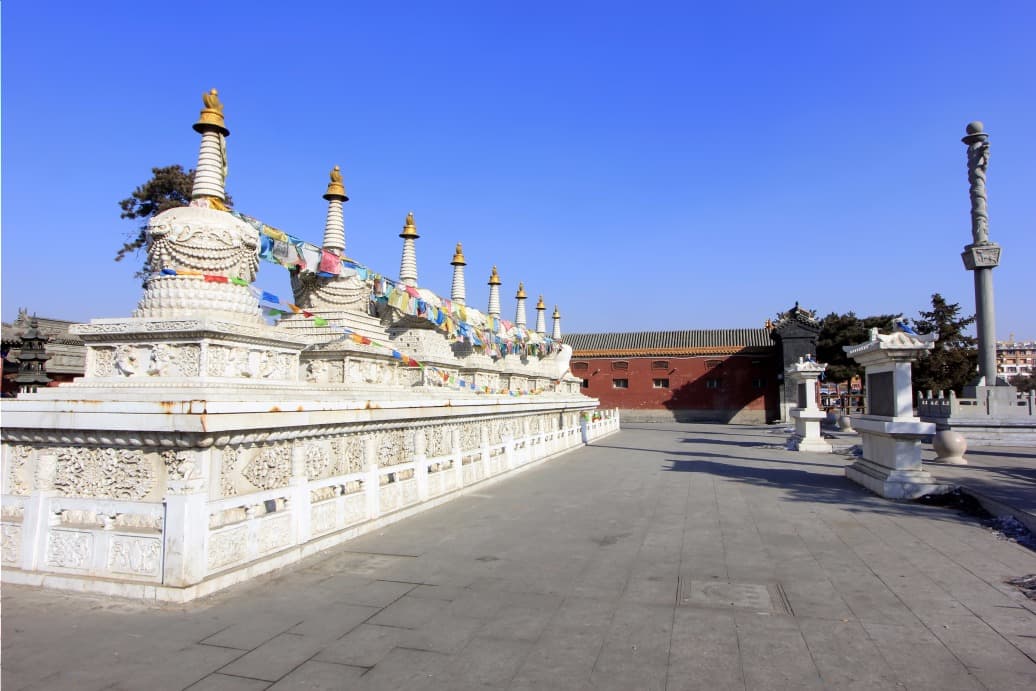
- Appreciate the ancient architecture of the Temple of the Five Pagodas.
Discover all possible attractions in Hohhot.
Attractions in Hohhot
See all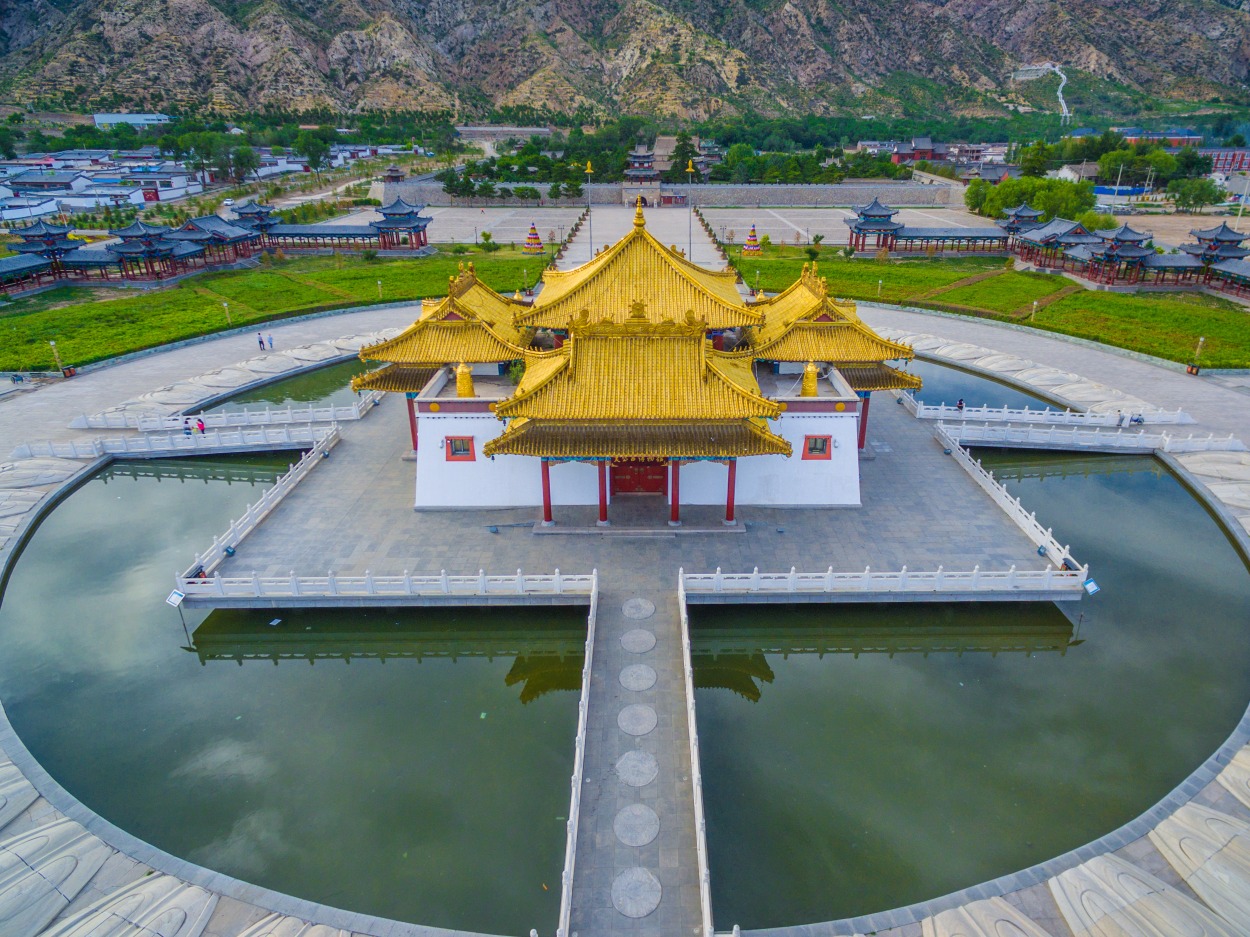
Lamaserie de Meidizaho
Forteresse fondée par Altan Khan en 1575 sur le mont Yinshan, la lamaserie de Meidaizhao marque la diffusion du bouddhisme tibétain en Mongolie intérieure.
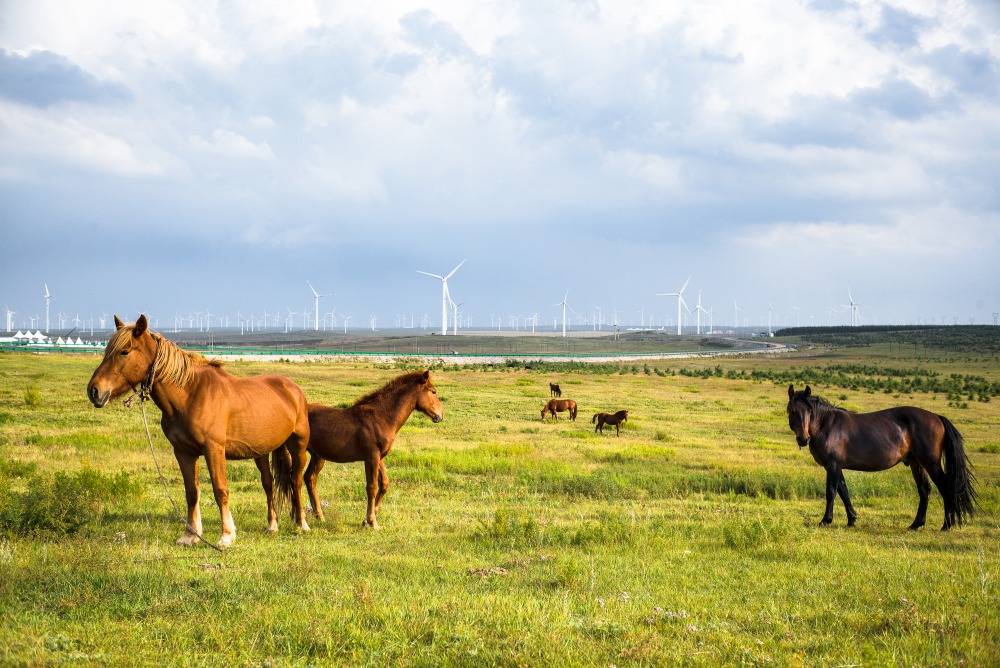
Prairies de Huitengxile
À 1 800 m d'altitude en Mongolie Intérieure, les prairies de Huitengxile alignent steppes fleuries, 99 lacs et campements de yourtes, à 130 km de Hohhot.
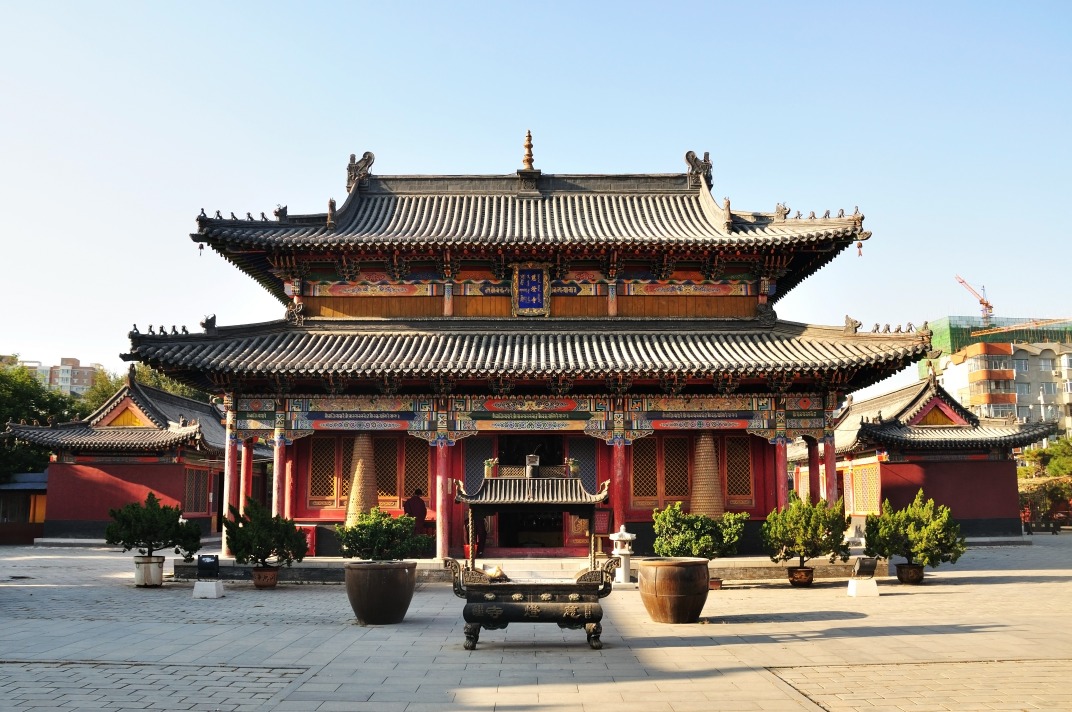
Temple Dazhao
Plus ancien temple lamaïste de Mongolie Intérieure, le Dazhao de Hohhot conserve depuis 1580 son architecture sino-tibétaine et une statue d'argent de Sakyamuni.
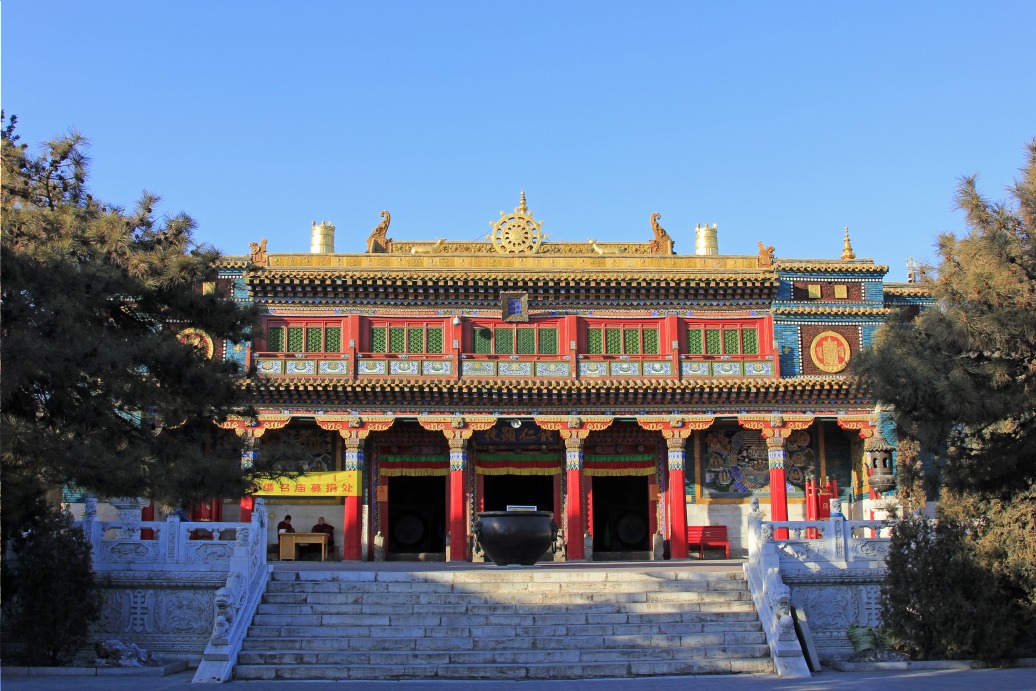
Temple XilituZhao
Plus grande lamaserie tibétaine de Hohhot, fondée en 1585 pour les Dalaï-lamas III et IV. Architecture syncrétique Han-tibétaine et pagode de marbre blanc.
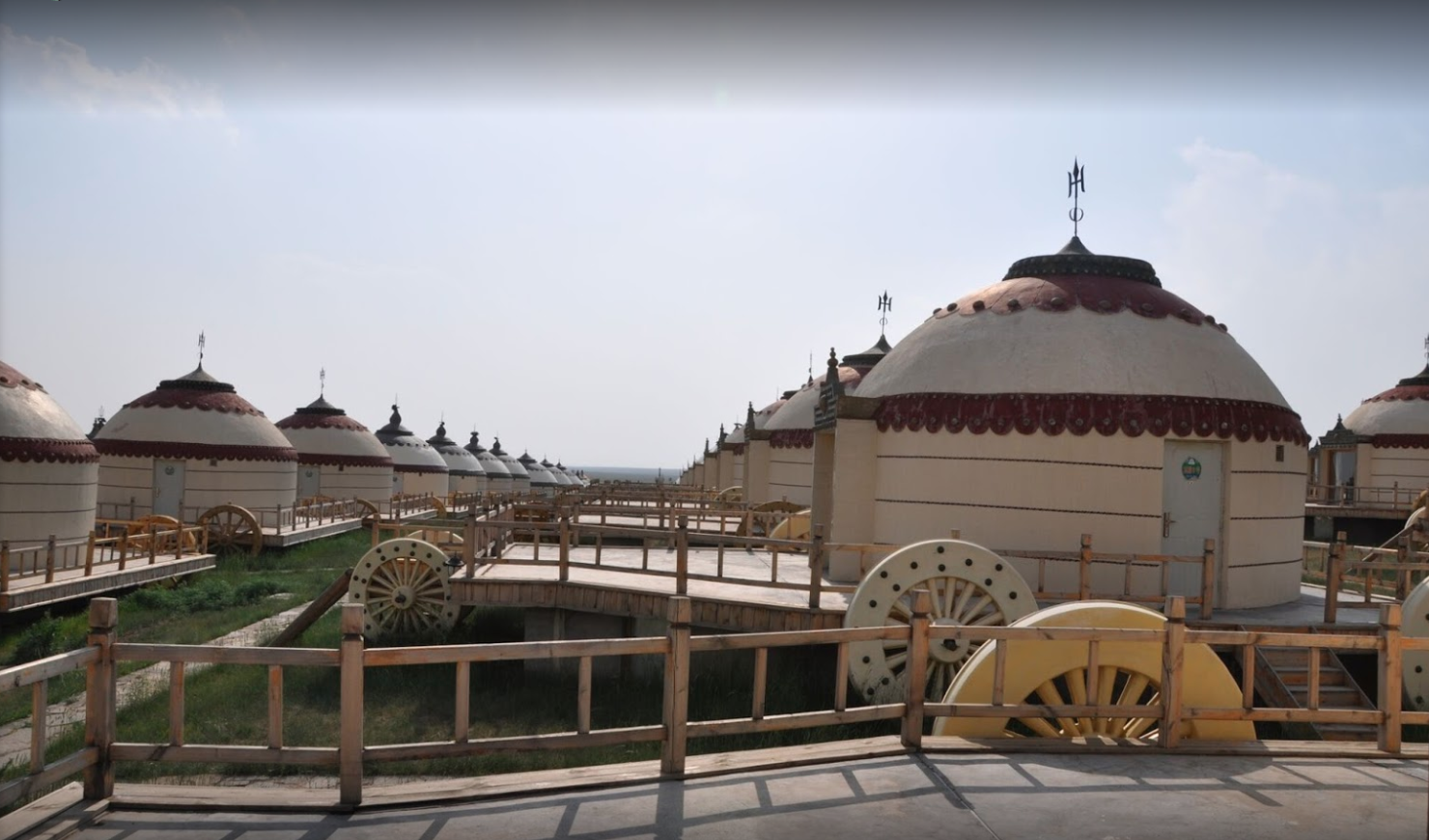
Gegentala
À 145 km de Hohhot, la prairie de Gegentala accueille la foire du Naadam, des courses de chevaux et des nuits en yourte au cœur de la steppe mongole.
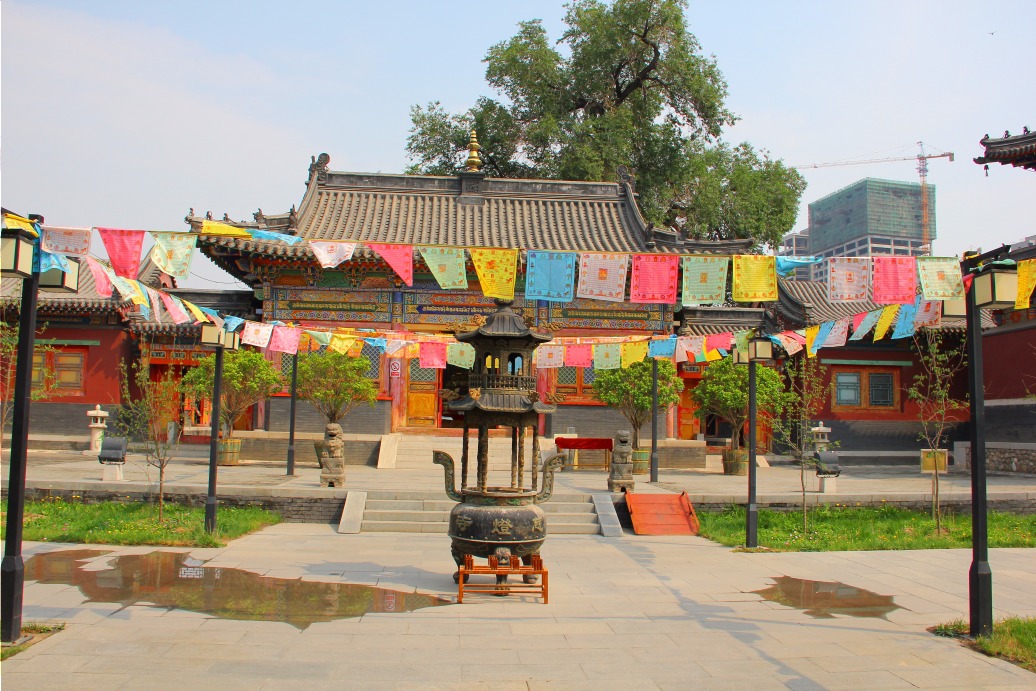
Temple des cinq Pagodes
Monastère bouddhiste tibéto-mongol de Hohhot, le Wutasi se distingue par sa pagode sculptée de 16 mètres et sa rare carte astrologique mongole.
Want to discover this destination?
Our local advisors design your tailor-made trip.