Qingdao
Qingdao
Between German villas, Yellow Sea beaches and Tsingtao beer, Qingdao is China's most distinctive seaside resort. Our complete guide.
Name: Qingdao
Chinese name: 青岛
Province: Shandong
Status: Sub-provincial City
Population: 8,715,100 inhabitants
Area: 10,654 km²
Qingdao, literally meaning green city, is a coastal city in Shandong province. Its modern architecture blended with German heritage gives it a unique charm highly appreciated by travellers.
Since hosting the 2008 Olympic Games, Qingdao has enjoyed an excellent reputation and attracts tourists for its tranquility and numerous attractions.
History
Qingdao was once merely a small fishing village before German Emperor Wilhelm II wrested the city from Chinese hands. In 1898, renamed Tsingtao, the city was ceded by the Manchus to Germany for a period of 99 years. In 1903, the Germans built the famous brewery that would give rise to the world-renowned beer: Tsingtao.
In 1914, Japan seized the city until the Treaty of Versailles confirmed Japanese presence.
The Japanese invaded the city again in 1938 at the start of the Sino-Japanese war until their defeat in 1945. Its port was then used by Americans until the Communists took power in 1949.
The city underwent extensive renovations, particularly at its naval base to host the sailing events of the 2008 Olympic Games.
Today
Bordering the Yellow Sea on the eastern coast of the Shandong Peninsula, Qingdao's seaside resort owes its fame to its brewery that produces the renowned Tsingtao beer.
Regularly cited among China's most pleasant cities, Qingdao offers a genuine breath of fresh air to all travellers arriving from the major metropolises. Nestled between the Laoshan mountain range and the Yellow Sea, Qingdao occupies an ideal and strategic geographical position for industrial development and foreign investment.
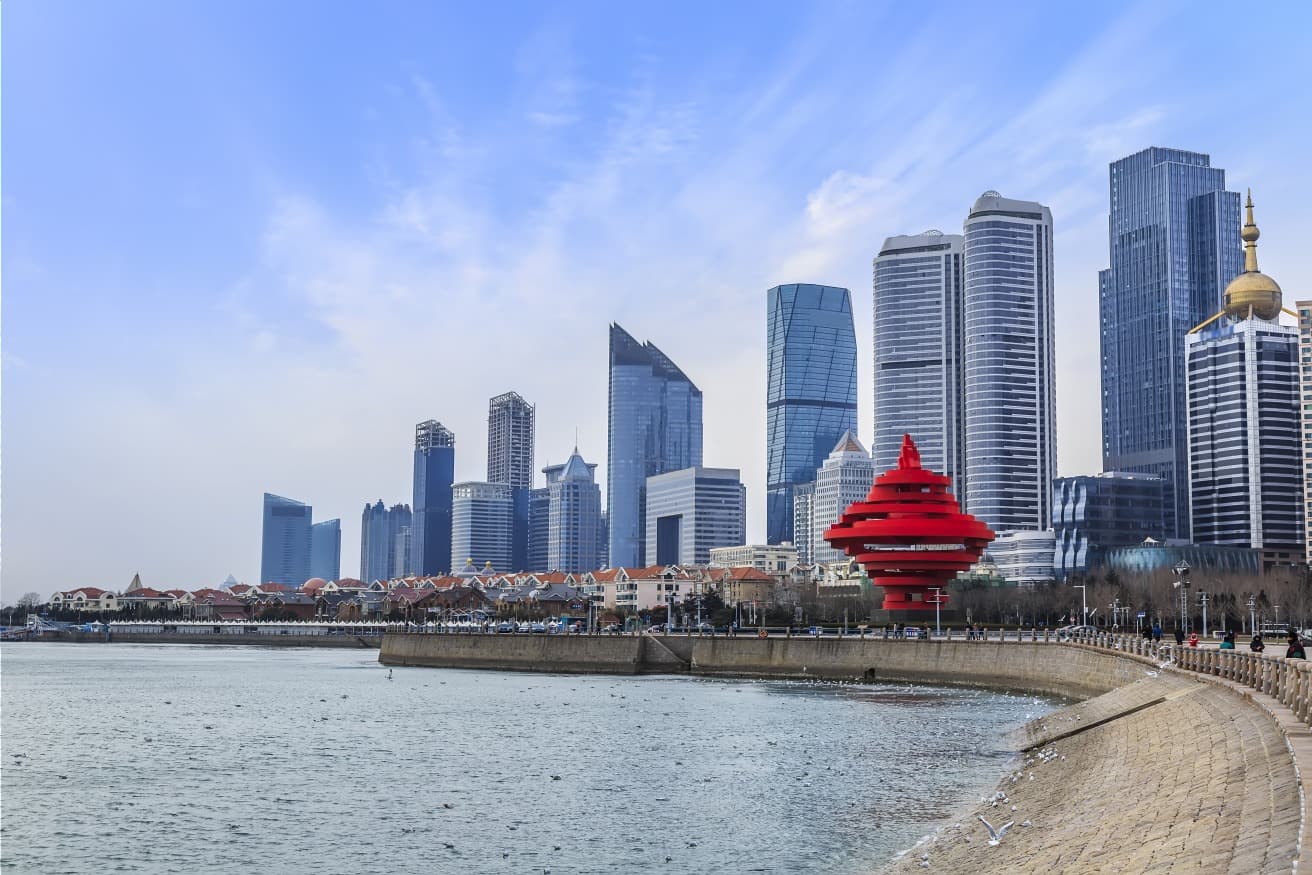
Today a thriving city, its modern and colonial architecture has earned it the nickname of "China's Little Switzerland". Its mild climate and European charm quickly work their magic on visitors who come to unwind.
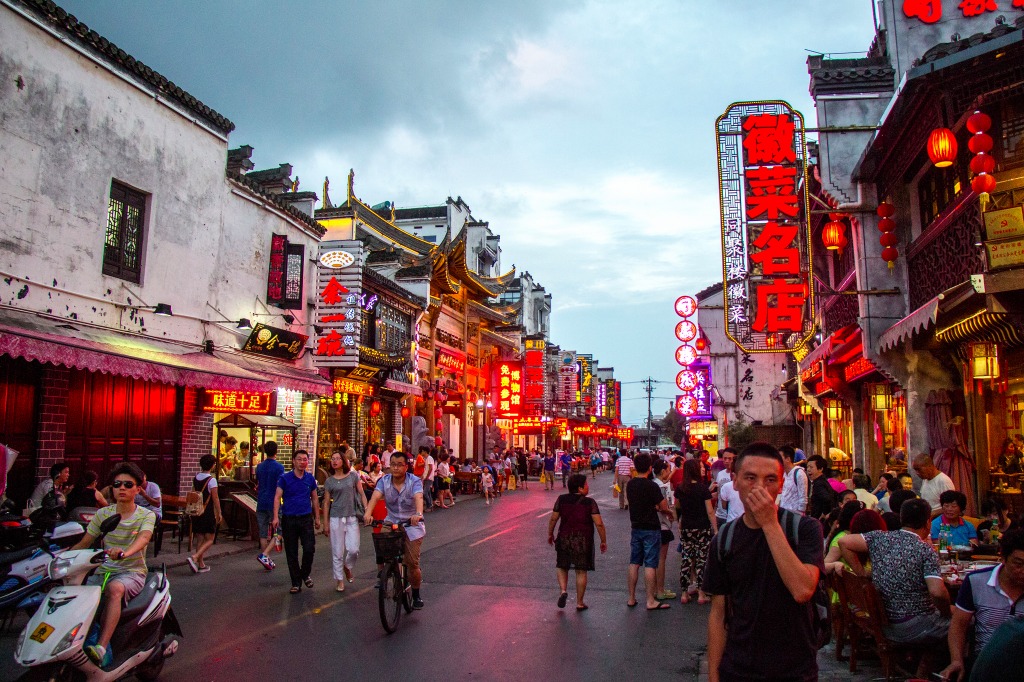
These lively beaches and natural hills provide a rich landscape and offer attractive tourist assets. The old town which reveals itself through charming alleys with striking architecture testifies to colonial influence and appears as a small European city. In the maze of streets, you will encounter locals who enjoy spending their days in front of chess sets and perhaps you'll be tempted by some snacks or grilled seafood. During your stroll, stop at the former German governor's residence, the Qingdao Ying Binguan, one of Qingdao's finest buildings. This colonial edifice has been the subject of many visits since it became known that President Mao stayed there for several days of family vacation.
Facing the Yellow Sea rises the majestic Mount Laoshan. A holy site of Taoism, this mountain impresses with its sweeping views over the coast and the many historical buildings that inhabit it. An excursion to Laoshan promises a beautiful walk.
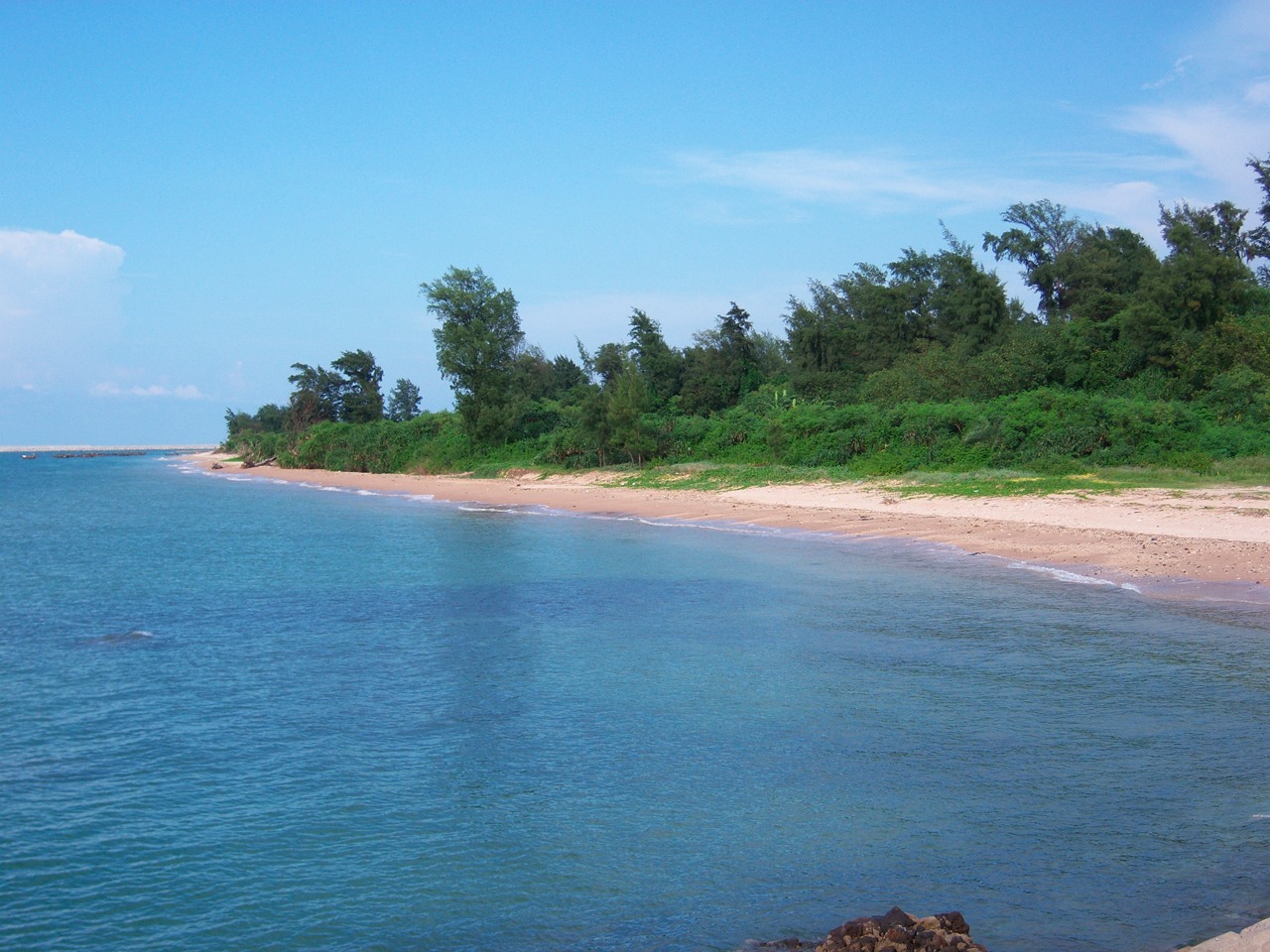
The beaches, often highly prized by Chinese tourists in summer, reveal themselves calmer and more peaceful after the summer season. Shilaoren Beach, bordered by Mount Fushan, stretches for 2.5 km and is counted as one of the most beautiful beaches. At sunrise, the mist from the sea slowly dissipates and reveals a paradisiacal beach. Each bay is characterised by unique charm and deserves a stop.
A stay in Qingdao cannot be complete without a visit to the Tsingtao brewery, founded by the Germans in 1903.
A trip to Qingdao will not leave you indifferent with its distinctiveness and relaxed atmosphere.
Climate
Characterised by a continental climate, Qingdao enjoys relatively mild temperatures throughout the year. Summers are cooler than Beijing but are nonetheless subject to the monsoon phenomenon, which does not prevent enjoying the beaches.
Winters are cold and dry but do not diminish the city's appeal.
The best period to visit Qingdao is from May to October.
Air
Qingdao Liuting International Airport serves flights from Beijing, Shanghai, Guangzhou, Hangzhou, Xian and more.
International flights operate from Busan, Frankfurt, Los Angeles, Singapore, Tokyo and Hong Kong.
Train
Direct trains run daily between Qingdao and Yantai or Weihai. Regular lines serve Qingdao from Jinan.
Two express trains shuttle between Beijing and Qingdao. Others depart from Zhengzhou, Shanghai, Lanzhou, Xining, Chengdu, Taiyuan and Tai'an.
Long-distance Bus
The cities of Beijing, Shanghai, Tianjin, Jiangsu, Henan, Hebei, Hubei and several cities in the province are connected to Qingdao by road. Long-distance buses serve the city daily.
Ship
The Port of Qingdao, considered one of China's largest ports, allows the city to be connected to Incheon in South Korea, Shimonoseki in Japan and Shanghai. Journeys sometimes take more than 24 hours.
A new metro line has opened in Qingdao. By 2020, around ten lines should be operational.
Public buses are very practical for getting around the city far and wide. A special tourist line (line 802) has been put into service and connects the city's main tourist sites.
Like any self-respecting Chinese city, taxis cruise the streets looking for new passengers.
What to Do in Qingdao?
- Discover all the secrets of Tsingtao beer production at the Tsingtao Brewery.
- Enjoy sea air while strolling along the bays.
- Appreciate the coastal view from Mount Laoshan and discover the magnificent Governor's Residence.
- Wander through the old town's alleys among colonial buildings.
Attractions in Qingdao
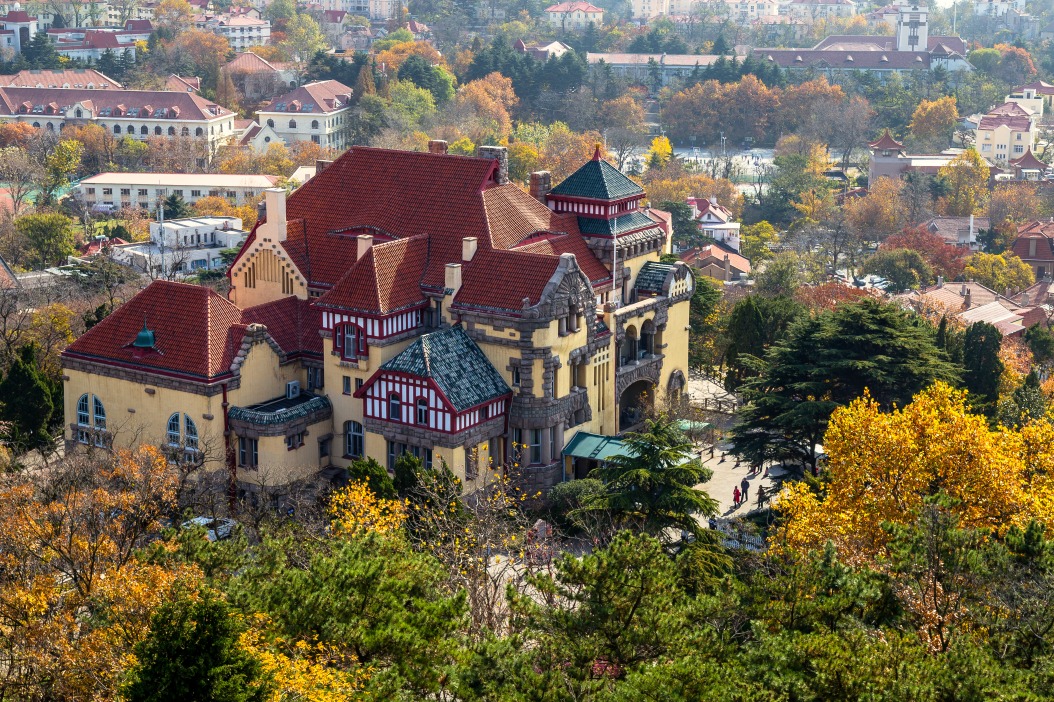
Résidence du Gouverneur
Ancienne demeure du gouverneur allemand de Qingdao, la Résidence Ying Bin Guan illustre le style Jugendstil et conserve un mobilier Qing d'origine.
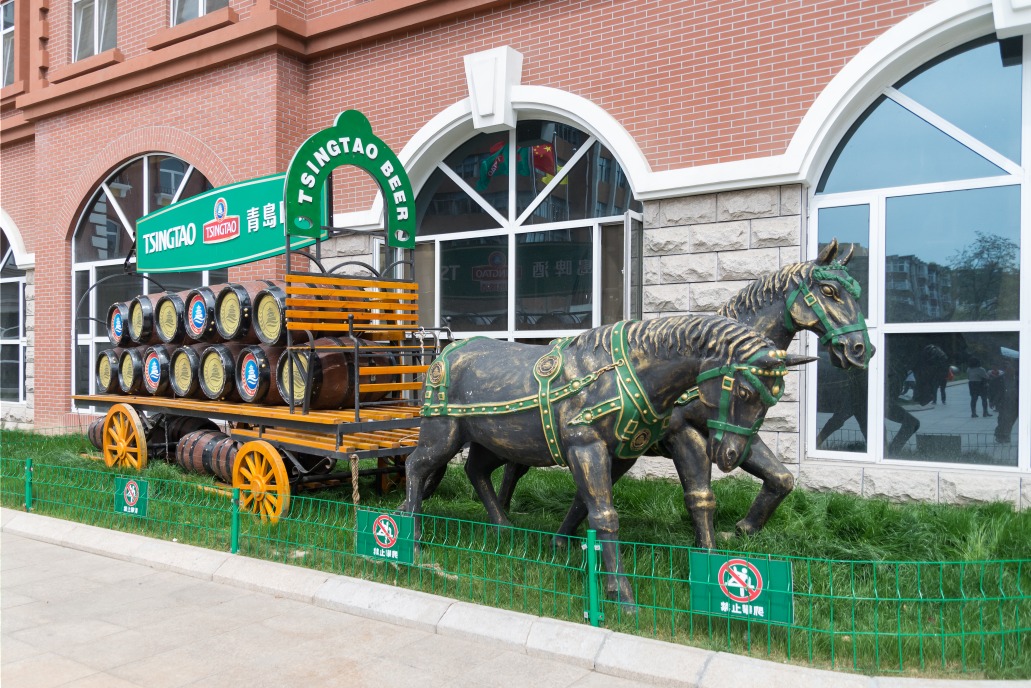
Brasserie de Tsingtao
Fondée en 1903 à Qingdao, la Brasserie de Tsingtao associe patrimoine industriel allemand, musée, dégustation et festival annuel de la bière fin août.
Want to discover this destination?
Our local advisors design your tailor-made trip.