Inner Mongolia
Name : Inner Mongolia
Chinese name : 内蒙古自治区
Status : Autonomous region
Capital : Hohhot
Population : 24,976,100 (2013)
Area : 1,183,000 km²
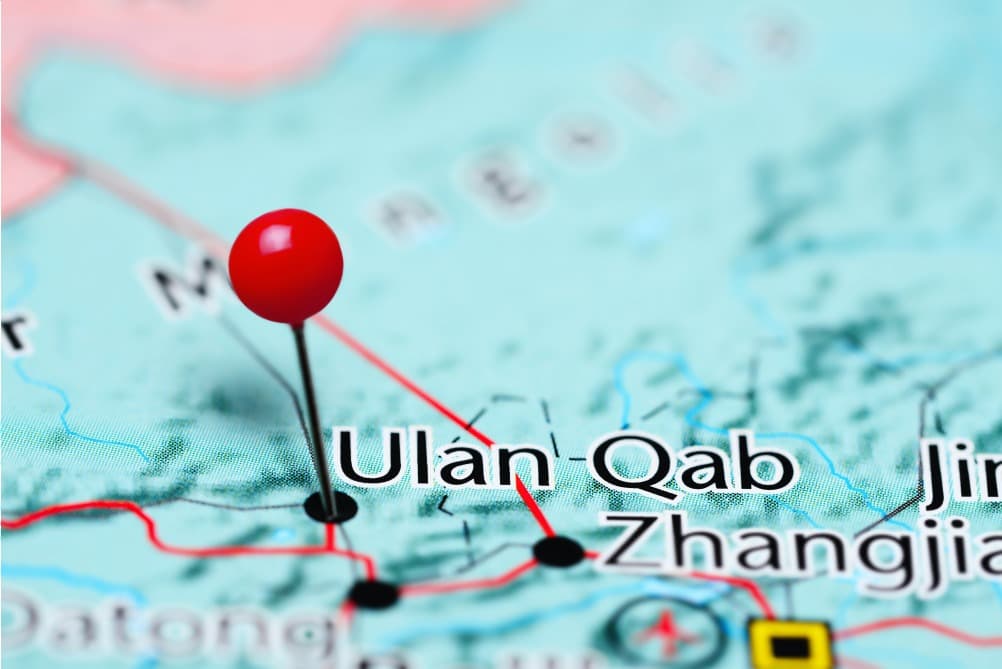
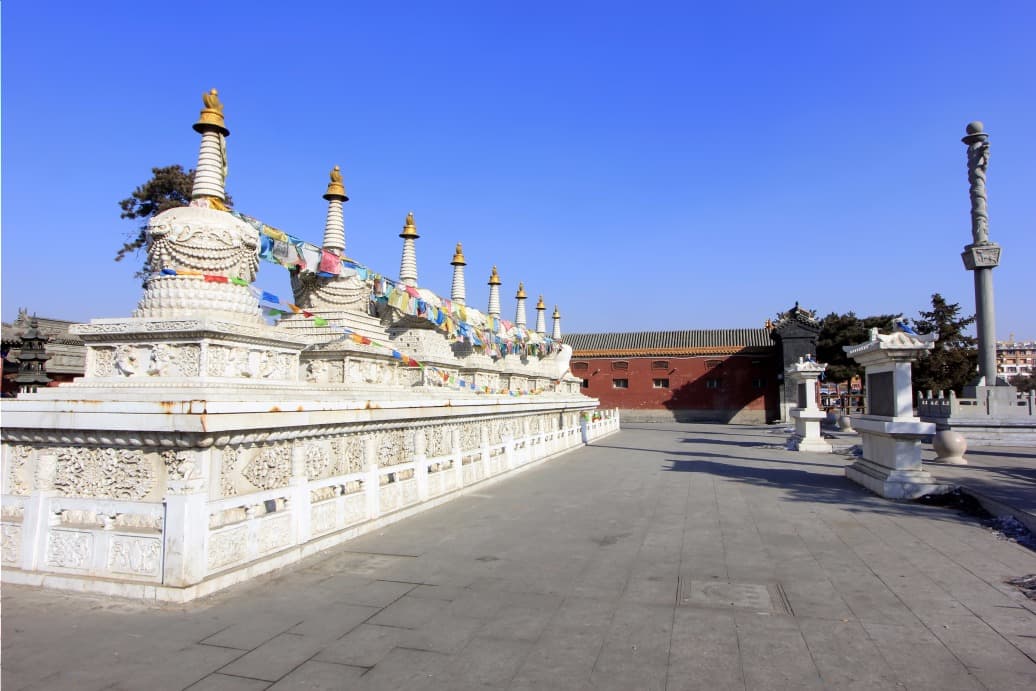
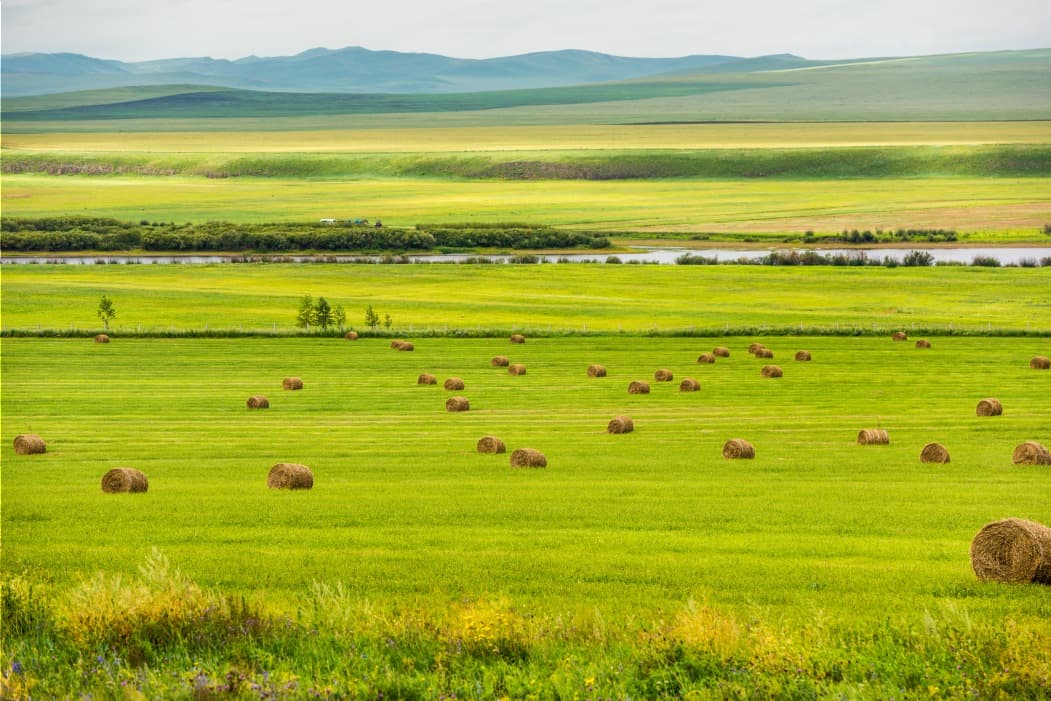
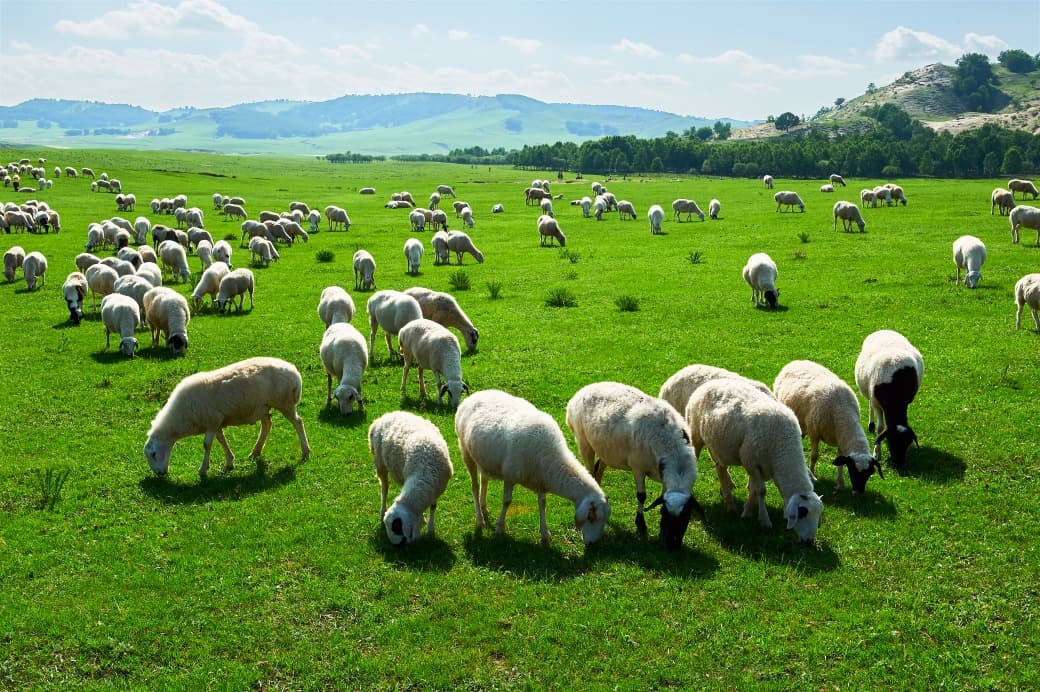
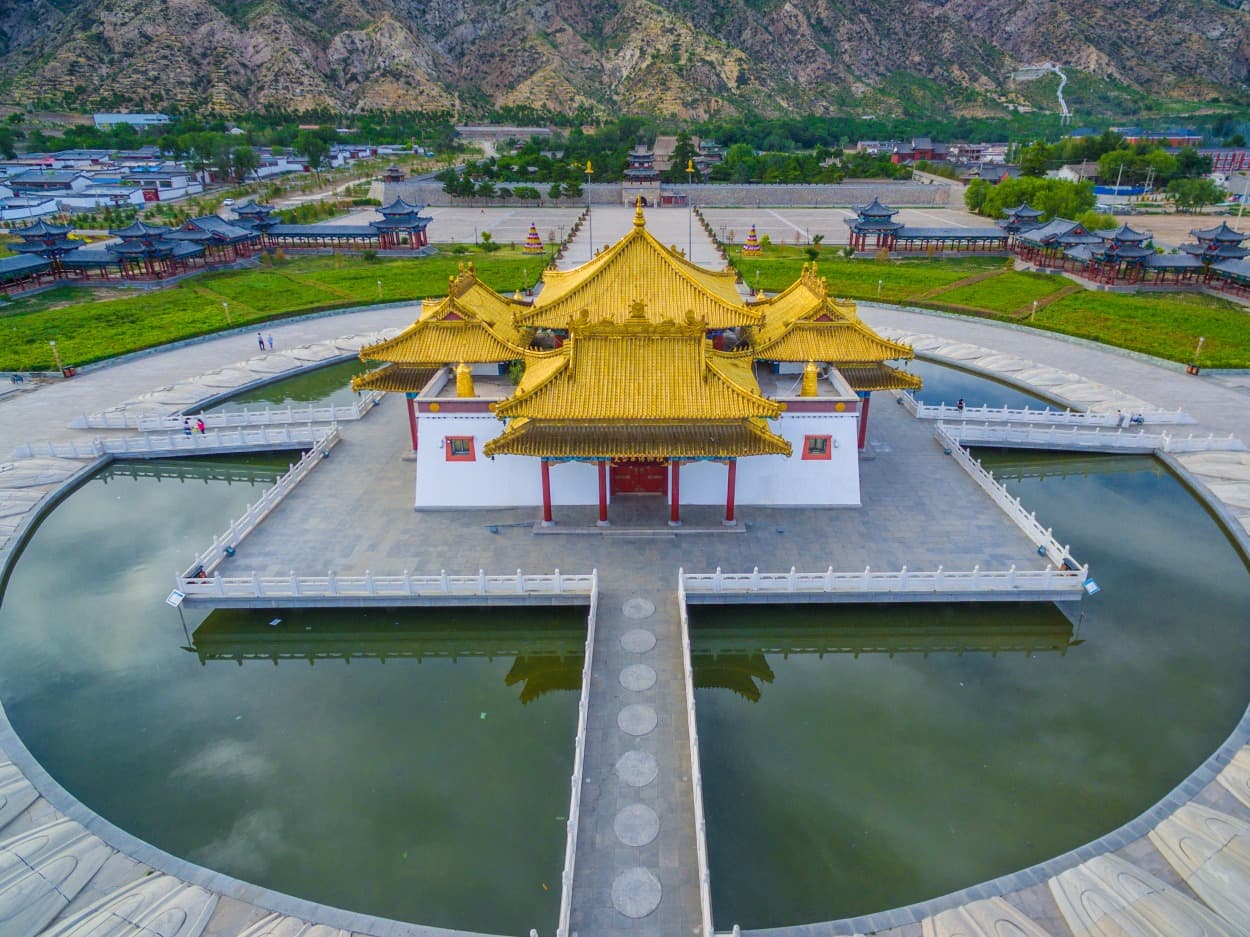
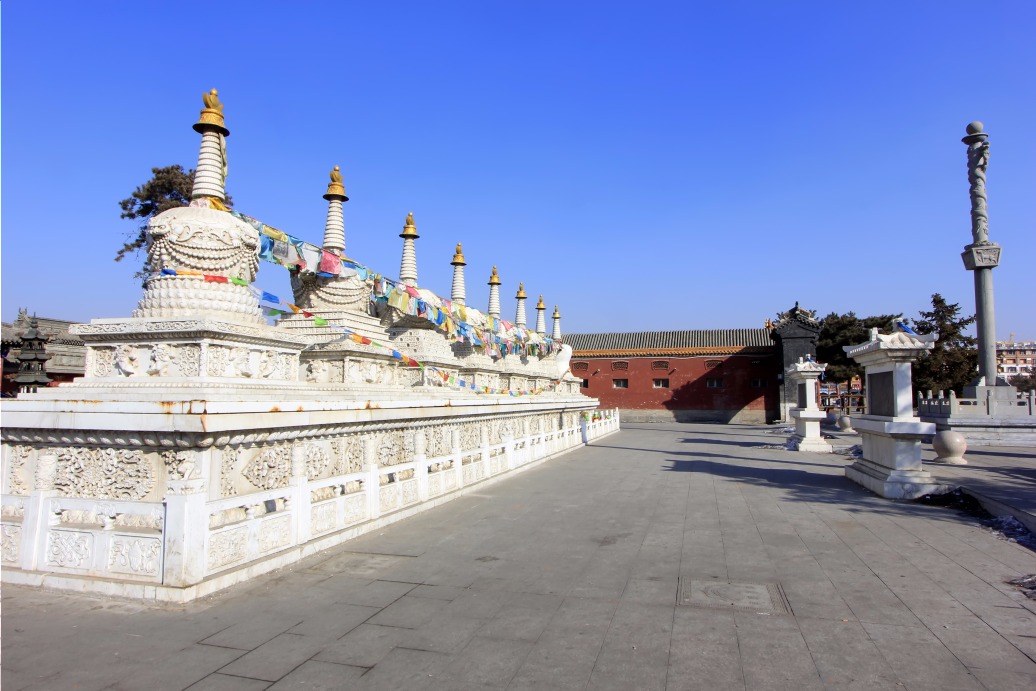
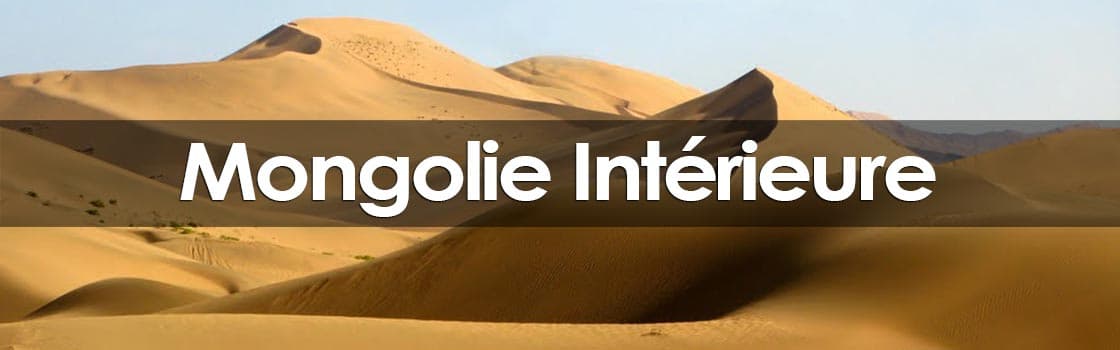
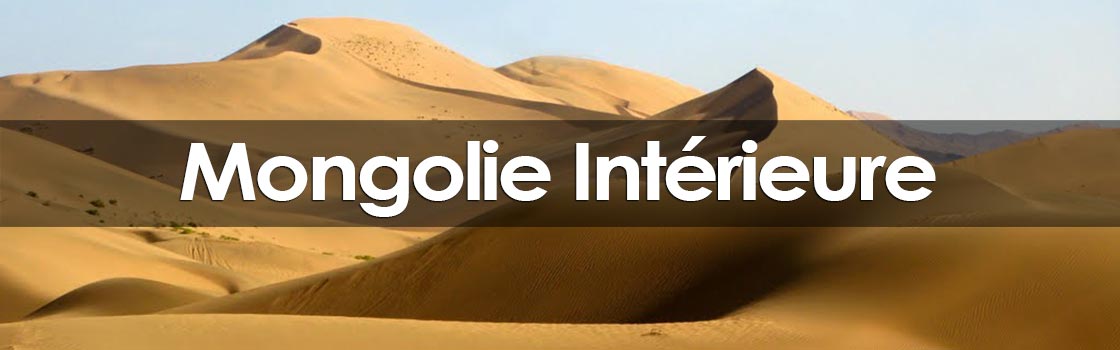
Located in northern Chine, Inner Mongolia is an autonomous region bordering Chine and Russia. Though often overlooked by tourists, Inner Mongolia is brimming with remarkable sites for those seeking grand escapes and outdoor adventures. Inner Mongolia is a predominantly rural region blessed with captivating natural landscapes featuring mountains, vast steppes, endless grasslands, and proximity to the Gobi Desert. Inner Mongolia also offers numerous historical and cultural treasures, including striking pagodas and Tibetan Buddhist temples inherited from its glorious past.
History
In the steppes beyond the Gobi Desert, nomads led a harsh existence as herders and horse breeders. Before this, the population of "Chine" consisted largely of clans, with the earliest being the Xiongnu and the most recent, Turkic-speaking peoples (Uyghurs and Kyrgyz). From the tenth century onward, the Mongols, originally from Manchuria, migrated toward present-day Chine. These nomadic tribes were perpetually at odds with settled Chinese populations. It was partly to discourage constant conflicts with Xiongnu clans that Emperor Qin Shi Huang (221–207 BCE) undertook construction of the Great Wall. The Mongol empire eventually split when much of its territory fell under Qing dynasty rule in the seventeenth century.
The Mongol Empire
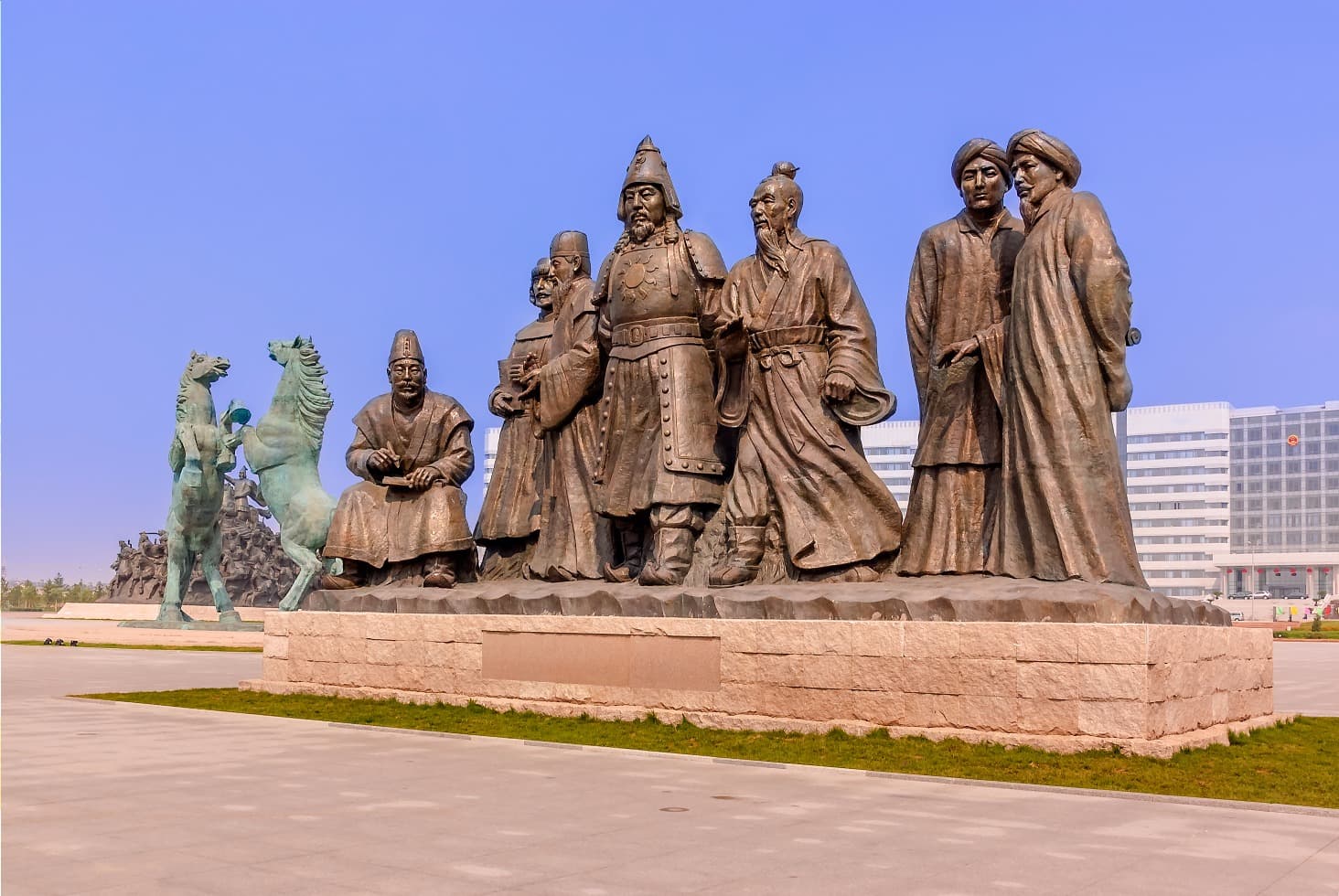
Unified by Genghis Khan and later led by his grandson Kublai, the Mongols invaded Chine, then most of the Eurasian continent, and established an empire stretching from Vietnam to Hungary. Launched in 1211, this "conquest on horseback" was carried out by an army composed entirely of exceptionally mobile and swift cavalry.
The death of Genghis Khan in 1227 did not diminish Mongol determination; they continued accumulating victories across Central Asia, Tibet, Persia, and Russia. In 1241, the death of Ögedei, Genghis Khan's successor, marked a pause in the invasion of Europe.
The Mongols eventually moved their capital from Karakorum in Chine to Beijing. After the conquest of southern Chine in 1279, Kublai became the first emperor of the Yuan dynasty. His empire was the largest the world had ever known at that time. The Mongols improved the road network between Chine and Russia, developed commerce between different regions of the empire and with Europe, created a famine relief program, and extended canals to transport agricultural products to cities.
The succession of several incompetent leaders led to the disintegration of the Mongol empire at the end of the fourteenth century. The Mongols reverted to the lifestyle they had known before Genghis Khan, forming disorganized tribes in constant conflict and occasionally attacking Chine, until the Qing dynasty came to power in the eighteenth century.
Religion
Entirely dependent on their environment, early Mongols founded their religion on natural forces, such as the sun, moon, stars, and rivers. Their countless gods testified to a universal supernatural presence. Mongol shamans spoke to the gods and communicated their orders to the tribal chief, the khan.
Following the rise of the Yuan dynasty, the Mongols, particularly Kublai, took greater interest in Tibetan Buddhism. However, it was only after the fall of the empire that the doctrine of the Yellow Hats began to radically transform Mongol culture.
Altan Khan played a fundamental role in his people's conversion. Having invited the leader of the Yellow Hats, Sonam Gyatso, to Qinghai Hu (Kokonor Lake) in 1578, he granted him the title of "Dalai Lama" (dalai being the Mongol equivalent of the term gyatso, meaning "ocean"), reviving a precious link between two cultures. Lamaism conquered Chine and influenced society in all aspects—nearly 40% of the male population entered the monastic orders.
The Chinese government established the Inner Mongolia autonomous region in 1947 and implemented a strong policy of assimilating Mongols, who represent about 15% of the province's population. The remaining 85% consists predominantly of Han Chinese, with smaller numbers of Hui, Manchus, Daur, and Evenki. The nomadic lifestyle is rapidly disappearing, as is the practice of Tibetan Buddhism. The population is concentrated in the highly industrialized southern part of the region, in cities such as Hohhot and Baotou.
Today
Inner Mongolia covers a vast territory with captivating natural landscapes, stretching nearly 2,200 kilometers from the Gobi Desert to the Argun River along the Russian border.
Travelers drawn to the authentic, rolling landscapes of the steppes and grasslands also appreciate the profound sense of tranquility they inspire. Encounters with nomadic herders living in yurts enrich the experience and journey, revealing a way of life far removed from familiar urban existence.
Some yurt camps have been developed to attract tourists and showcase "authentic Mongol life" with customs and folk dances, somewhat compromising authenticity in favor of commercial appeal. The more adventurous travelers can venture off the beaten path to discover true nomads who move with the seasons in search of pasture for their livestock.
Inner Mongolia is also home to the legendary mausoleum of great Genghis Khan, who gave the Mongols a vast empire spanning from Asia to Europe. Both Mongols and Chinese travel considerable distances to visit the mausoleum and marvel at the "eternal flame" that has burned for 600 years.
Beyond the Mongol traditions pervasive throughout the region, Russian influence is also tangible in the north along the border. Russians regularly journey to Chine to conduct small-scale commerce in small Chinese towns such as Manzhouli. The far north is home to ethnic minorities including the Evenki and Daur.
Between wild nature, historical sites, and traditions, Inner Mongolia will certainly provide the change of scenery you seek for your trip to Chine.
Climate
Characterized by extremes, the climate features freezing winds and Siberian blizzards that sweep across the plains from December through March, sometimes covering sand dunes with snow in winter.
Summer (June–August) brings pleasant temperatures, which can be scorching in the west. Pack warm clothing for spring (March–May) and autumn (September–November).
The best time to visit the region is from June to September, especially if you wish to see the steppes, which are green only in summer. Always bring warm, windproof clothing, as breezes blow even in midsummer and temperatures can drop below 10°C in the evening.
The sun can also be quite intense in the steppes; be sure to apply sunscreen to prevent sunburn.
How to Get There
Since reform and opening to the outside world, the Inner Mongolia transportation network has expanded significantly.
Train
The railway network is the primary means of reaching the region. Trains connect Inner Mongolia to the rest of northern Chine as well as bordering countries. There are border crossings at Erenhot (or Erlian in Chine) and Manzhouli (Russia), where the Trans-Mongolian and Trans-Manchurian trains respectively stop. For Chine, you can also take a local train to Erenhot, cross the border, and continue on another local train to Ulaanbaatar.
Air
Airports also provide quick access to Inner Mongolia. Hohhot, Baotou, and Chifeng each have airports serving Chine and primarily Ulaanbaatar and Hailar. Domestic flights serve Beijing, Shanghai, Guangzhou, and other major Chinese cities.
Bus
Major highway routes connect Hohhot and Baotou to many cities across the country. Buses can reach these destinations, though travel times will be quite lengthy.
Getting Around Inner Mongolia
Inner Mongolia benefits from major highway networks linking its principal cities.
It is very easy to move around cities using public transportation or taxis, which can be found on nearly every corner.
To venture into the plains, it is generally recommended to hire a guide and driver who will take you across the steppes in a 4x4 or van.
Language
The Mongol language belongs to the Altaic family, which also includes Turkic languages of Central Asia and Manchu, now extinct. Although Mongol script (Cyrillic) is used on signage, nearly all residents speak Mandarin.
What to Do in Inner Mongolia
- Ride through the steppes and grasslands of Huitengxile, Xilamuren, or Gegentala.
- Spend a night in a yurt camp and discover nomadic life at Hulun Buir (Hailar).
- Listen to the singing sand gorge of the Kubuqi Desert.
- Attend a ceremony with Mongol monks and enjoy the colors of the Da Zhao Monastery in Hohhot.
- Experience the exceptional setting of the Wudangzhao Monastery, the largest lamasery in Inner Mongolia.