Practical information China
Preparing a trip to China requires a bit more advance planning than most Asian destinations, and our team based in Beijing regularly updates this practical information. The L tourist visa is mandatory for French nationals, to be requested from the CVASC center a few weeks before departure, unless you benefit from the 144-hour visa-free transit in certain cities or the recently extended exemption. Health-wise, no vaccinations are mandatory but we recommend being up to date on DTP, hepatitis A and B, and scheduling a consultation if you're traveling in rural areas of Yunnan or Sichuan. The average budget for an organized trip is around 150 to 250 euros per day and per person excluding international flights, depending on comfort level and necessary domestic flights over long distances. Daily payments now go almost exclusively through WeChat Pay and Alipay, which you can set up with a foreign card before departure. The climate varies enormously: continental and dry in the north, subtropical and humid in the south, arid in the west, and high altitude in Tibet and Sichuan. Paul and our team in Beijing can guide you on optimal periods, high-speed train itineraries, managing cultural differences (etiquette, dining, photography) and health precautions related to urban pollution or the altitudes of the Tibetan plateau.
Plan your trip by theme
Explore our practical guides organized by category to quickly find the information you need.
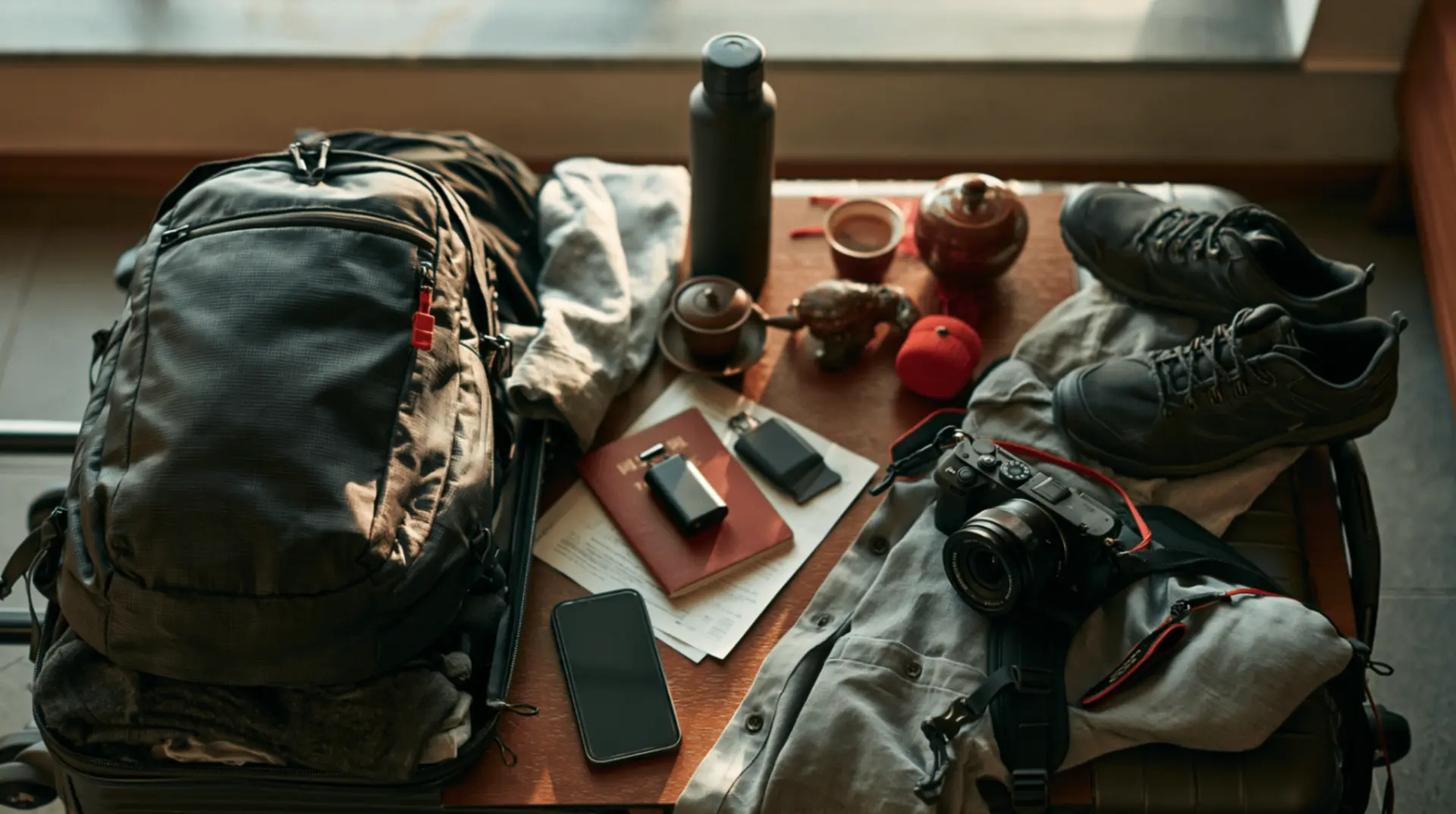
Before You Go
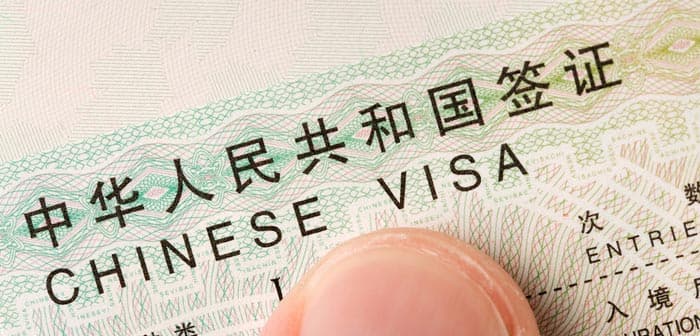
Visa L required for French nationals, valid passport for 6 months, travel insurance and formalities to arrange before departure to China.
4 articles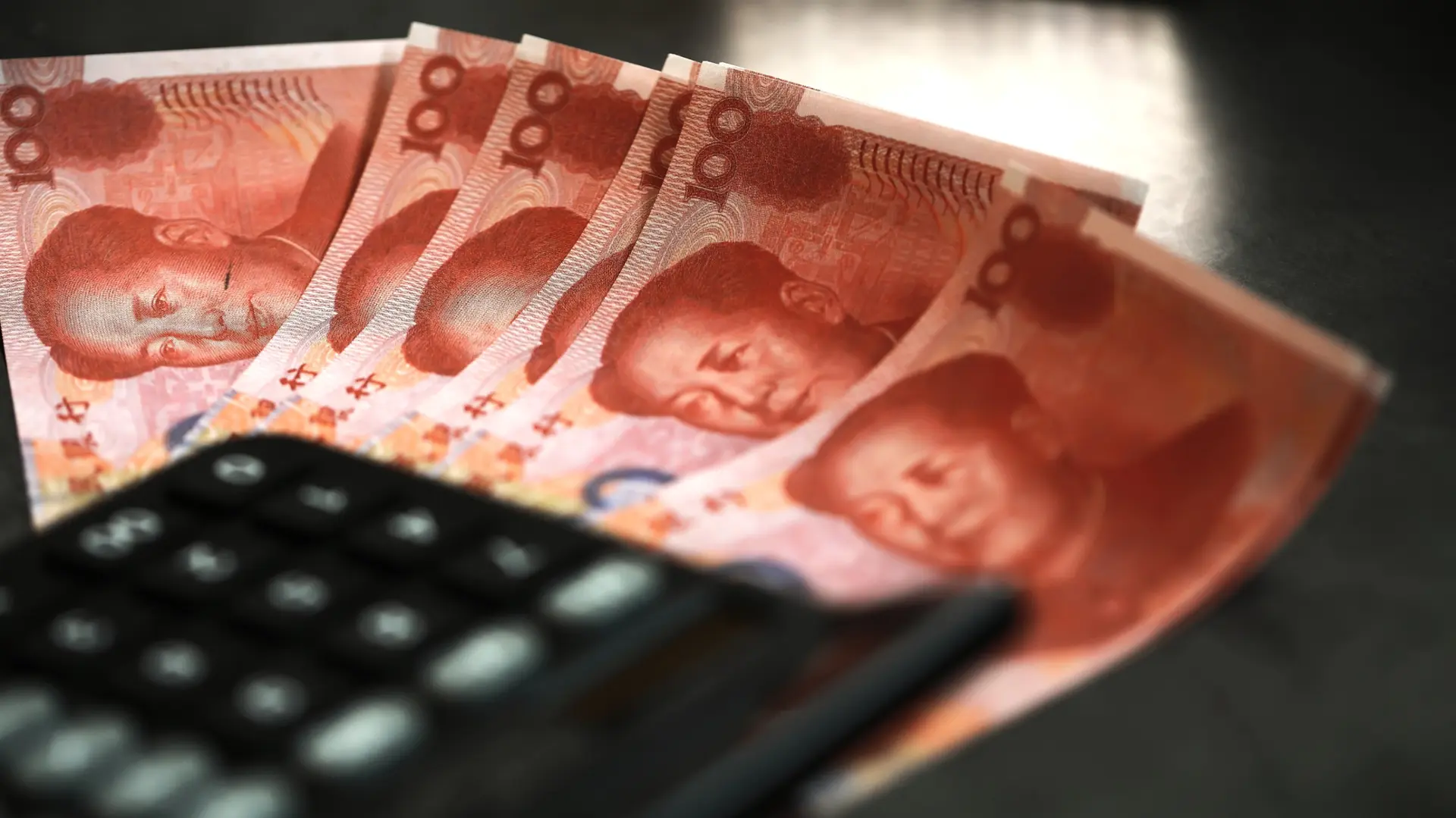
Money Budget
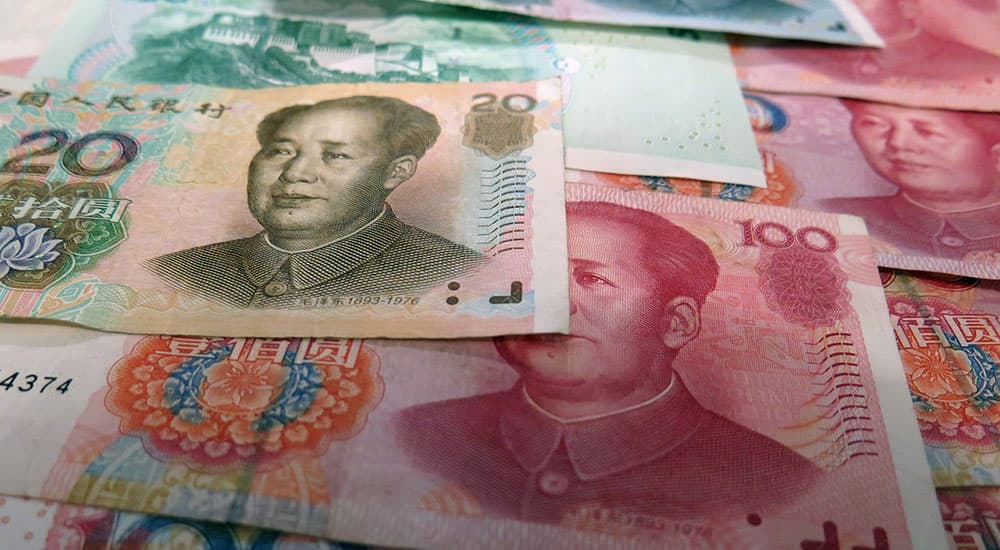
Chinese Yuan, indicative rate 7.8 CNY per 1 euro, range 150-250 € per day, payment almost exclusively via WeChat Pay and Alipay.
2 articles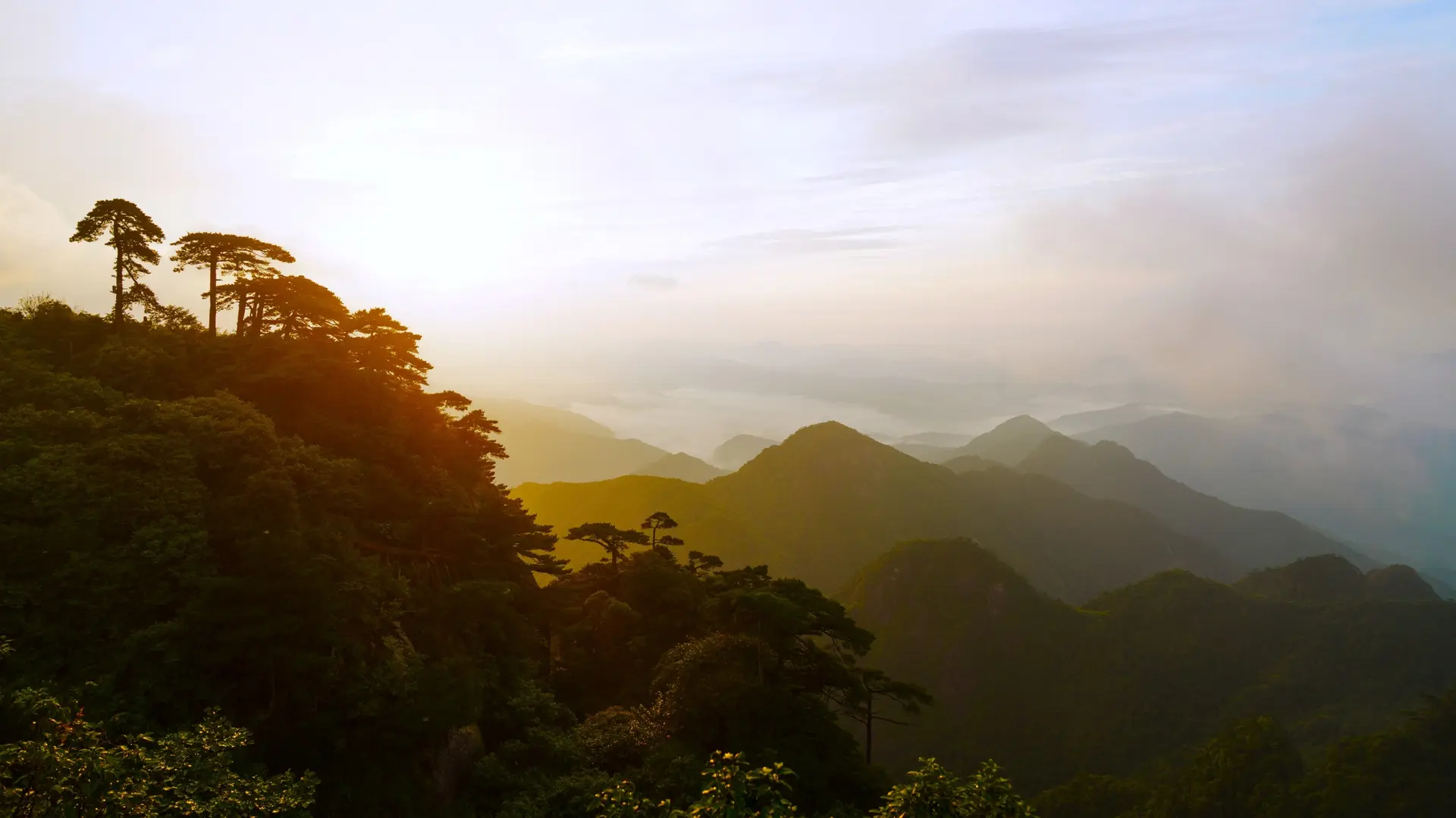
Climate Season
Four distinct climates, spring and autumn ideal in most regions, summer monsoon in the south, harsh winters in the north.
1 article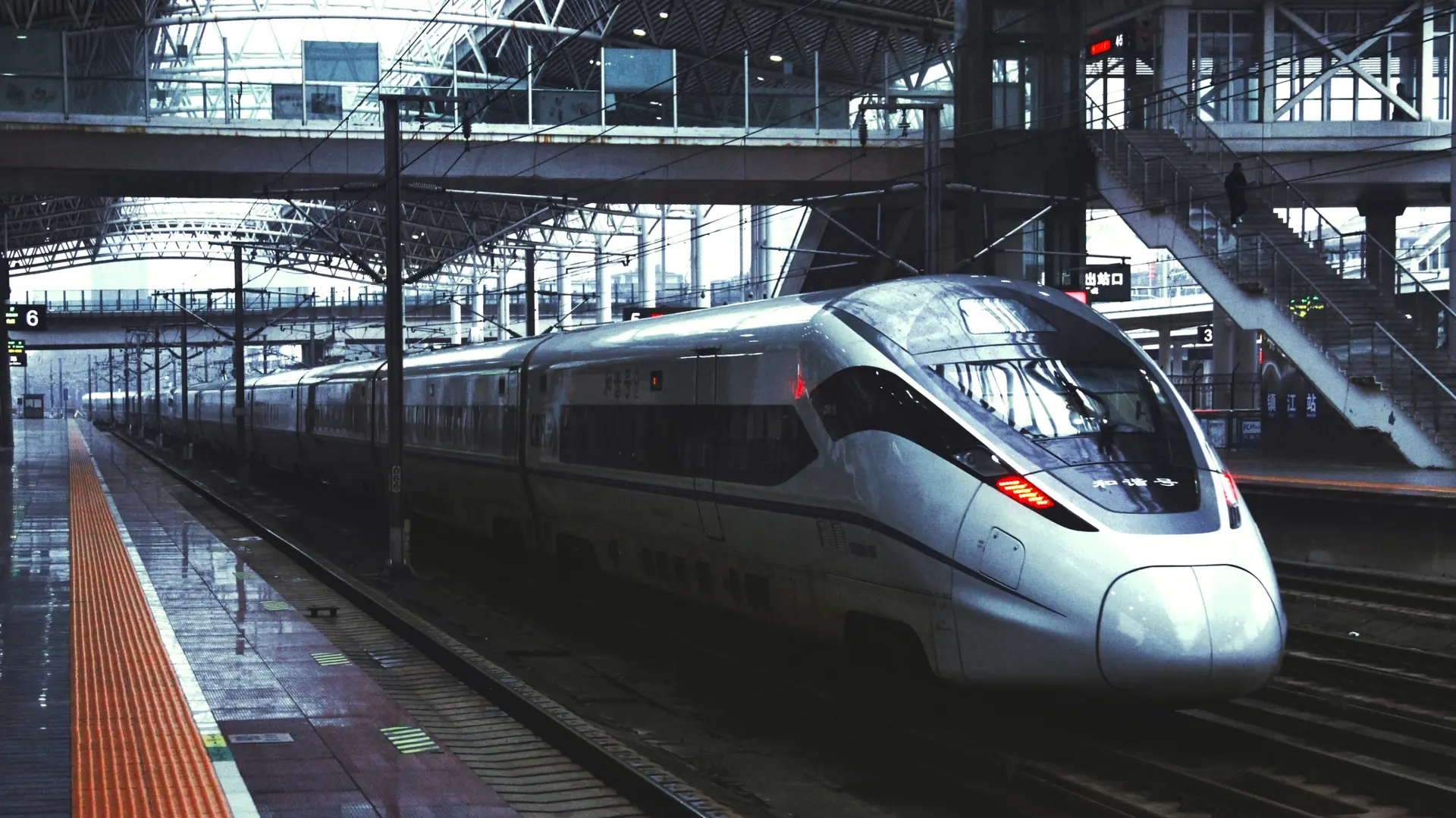
Transports
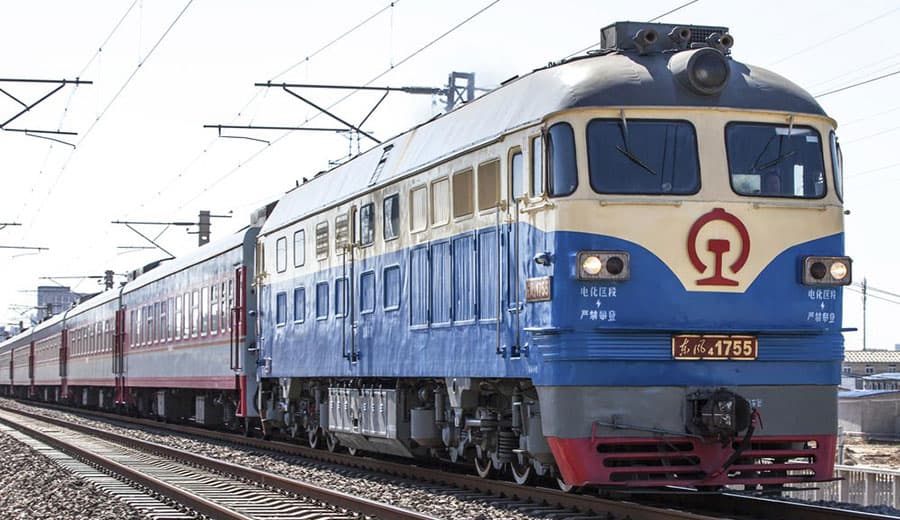
High-speed trains up to 350 km/h, domestic flights for long distances, modern metros, Didi taxis in cities.
2 articles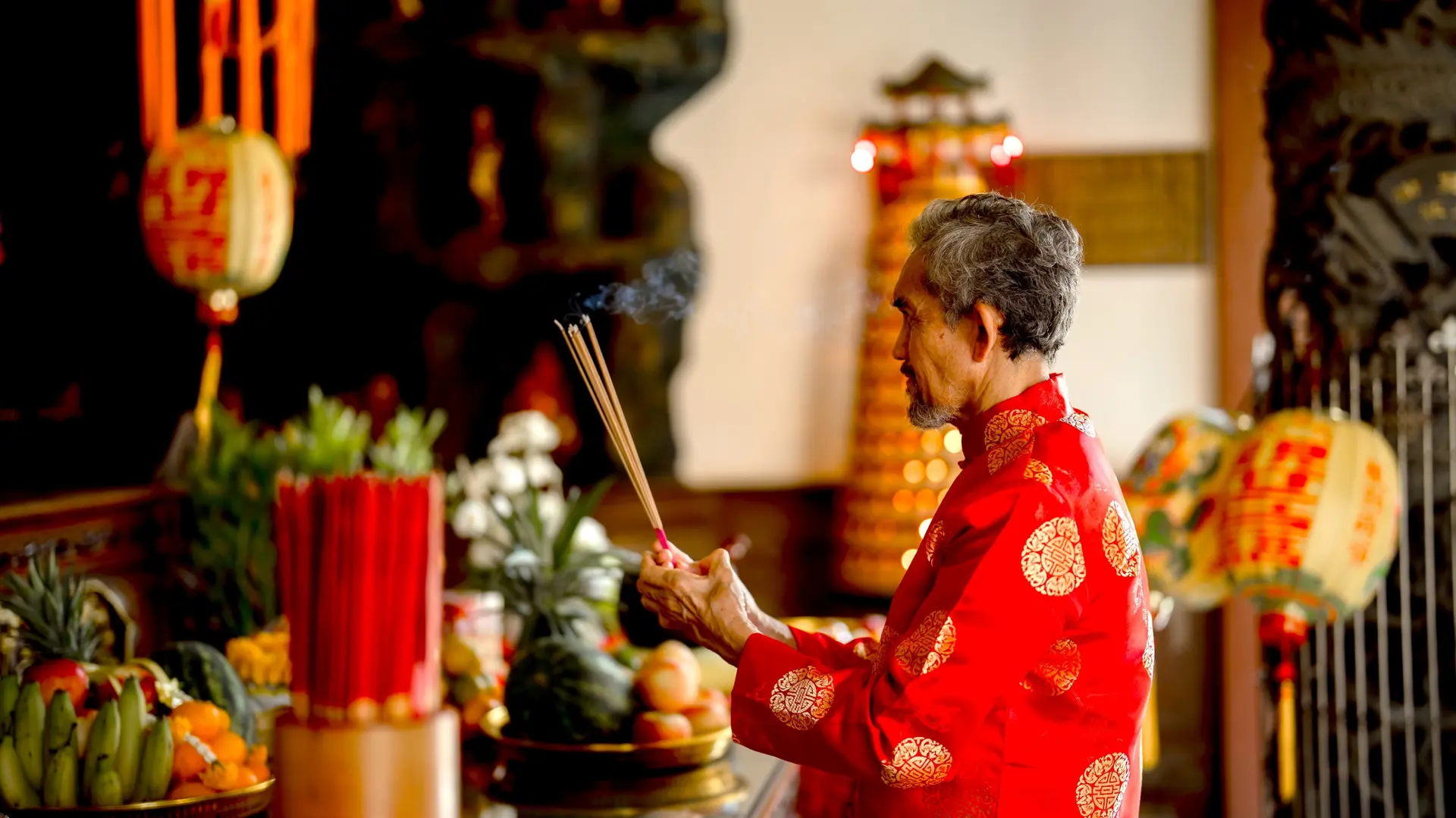
Culture
Codes of conduct, tea etiquette, dining customs, gestures to avoid, photography in sensitive areas, appropriate greetings.
26 articles
Useful Tips
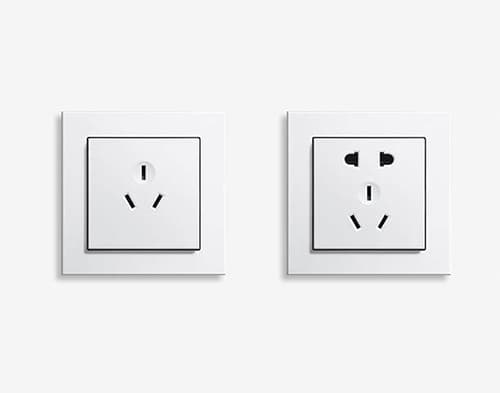
VPN required for Google and WhatsApp, bottled water, type A/C/I outlets, urban pollution, Pleco app recommended.
3 articlesAll practical guides
Search and filter among 38 articles




18 of 38 results
Frequently asked questions
The answers to the most frequently asked questions from our travellers.
Yes, French nationals must obtain a tourist L visa before departure, which can be requested at the CVASC center (Paris, Marseille, Strasbourg, or Lyon). The cost is approximately 126 euros, with a standard processing time of four business days and validity of three months from issuance for a maximum stay of 30 days. Your passport must be valid for at least six months after your return date, with two blank pages. Certain airports (Beijing, Shanghai, Guangzhou, Chengdu, Xi'an) accept 144-hour visa-free transit under specific conditions. China has also expanded several visa exemptions in 2024 for short stays, which should be verified at the time of your application.
No vaccination is mandatory to enter China from Europe. We recommend staying up to date with DTP (diphtheria-tetanus-poliomyelitis), hepatitis A and B, typhoid if you are traveling to rural areas, and rabies in case of prolonged trekking. Japanese encephalitis may be advised for long stays in southern countryside between May and October. Malaria is residual in a few rural areas of Yunnan bordering Laos and Burma, without systematic preventive treatment. A consultation at an international vaccination center six weeks before departure allows us to adapt recommendations according to your specific itinerary. For high altitudes in Tibet or Sichuan, medical advice is useful.
For a tailor-made trip organized by our agency, expect between 150 and 250 euros per day and per person excluding international flights, in mid-range to luxury comfort. This budget covers accommodation (60 to 120 € per night in 4-star hotels), meals (10 to 30 € per person and per day depending on the cities), internal transportation (high-speed trains between 30 and 80 € per journey), an English-speaking guide and site entrance fees. Domestic flights between remote regions (Beijing-Kunming, Shanghai-Chengdu) add 100 to 200 € per segment. Tipping is not a local tradition but has become customary for tour guides and drivers, around 5 to 10 € per day.
Spring (April-May) and autumn (September-October) offer the most stable conditions on most classic itineraries (Beijing, Xi'an, Shanghai, Guilin). Summer is very hot and humid in central and southern China, with daily thunderstorms, but remains the best season for Tibet, Sichuan at altitude, and the Silk Road. Winter is dry and cold in the north, ideal for seeing the Great Wall under snow without crowds. We advise against the national holiday weeks: Chinese New Year (late January to mid-February depending on the year) and National Day (October 1-7), periods when sites are overcrowded and transport fully booked.
China's high-speed train network covers all major routes at 250-350 km/h, offering comfort and reliability: Beijing-Xi'an in 4h30, Shanghai-Beijing in 4h30, Shanghai-Hangzhou in 1 hour. We systematically book business or first-class tickets. For long-distance travel to the west (Yunnan, Sichuan, Xinjiang, Tibet), domestic flights are more practical, with reliable carriers (China Eastern, Air China, Sichuan Airlines). In cities, modern metro systems and affordable taxis via the Didi app (Uber equivalent) are available. To explore rural Yunnan or the Silk Road, we arrange private vehicles with drivers, essential for travel off main routes.
Yes, China ranks among Asia's safest destinations in terms of crime: assaults and armed robberies are rare, police presence is dense, and CCTV coverage is extensive. Standard precautions suffice (keep your bag closed on crowded transport, stay vigilant in heavily touristy areas). The main constraints are not security-related but regulatory: circulation restrictions in certain border zones (Tibet requires special permits), enhanced controls in Xinjiang, and strict enforcement of local legislation. Our team in Beijing monitors developments and adjusts itineraries as needed. For health, tap water is not potable—opt for bottled or filtered water, which is readily available everywhere.
Ready to travel to in China?
Discover our tailor-made itineraries, designed by our local team. Each route adapts to your pace, your preferences and your travel season.
See our toursWe use cookies to improve your experience and measure our site's audience. You can choose what you accept. Learn more.