Longwu Monastery
Longwu Monastery
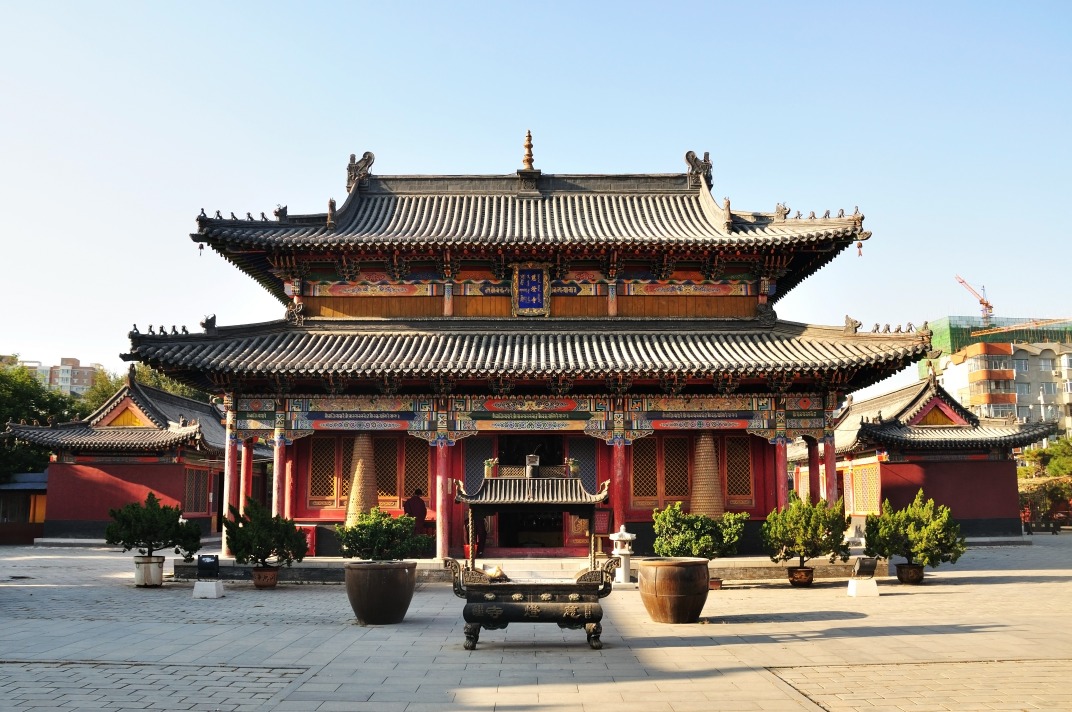
The largest Tibetan Buddhist monastery in Qinghai, Longwu (Tongren) houses the grand Tsongkhapa statue and remains the birthplace of Regong art.
Longwu Monastery (Rongwo Gönchen in Tibetan) is one of the great centers of Tibetan Buddhism of the Gelugpa school in Qinghai Province. Spanning roughly 100 hectares on the banks of the Longwu River in Tongren County (Rebkong), it is the largest Tibetan Buddhist monastery in the region and a major hub of Regong art.
Why visit Longwu Monastery
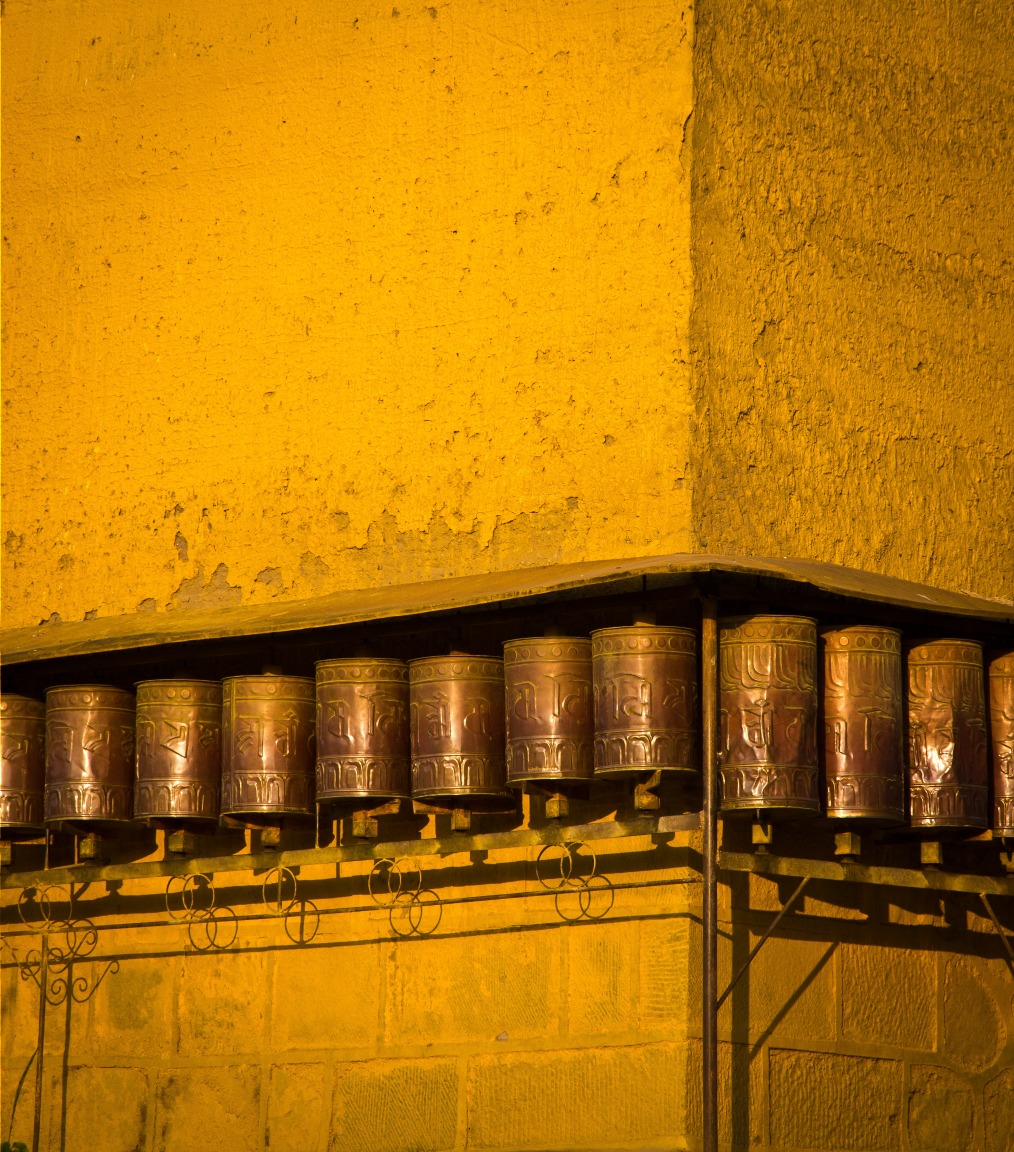
Longwu is not a static museum site: it is a living monastery where several hundred monks study and where Tibetan pilgrims pass daily along the prayer wheels. The visit combines several interests:
- Preserved Tibetan monastic architecture, organized into prayer halls, study rooms and residential quarters.
- Its status as the birthplace of Regong art, a Tibetan pictorial and sculptural tradition inscribed on UNESCO's intangible cultural heritage.
- The living practice of Amdo Tibetan opera, still performed by the monks.
- An atmosphere of authentic pilgrimage, far from major Chinese tourist circuits.
The political context remains sensitive: the monastery has been marked by a wave of Tibetan monk self-immolations since 2008, as a sign of protest. Visitors are welcomed with respect and discretion.
History of the monastery
The origins of the site date back to the Yuan Dynasty (1271-1368). The monastery was gradually converted to the Yellow Hat school (Gelugpa), a tradition founded by the master Tsongkhapa, whose influence redefined Longwu as a Gelugpa stronghold in the Amdo region.
Under the Ming Dynasty (1368-1644), the complex was expanded to accommodate more than 500 monks. Over the centuries, it became a center of religious teaching, but also artistic: the Rebkong workshops developed Regong art there, whose thangkas, frescoes and sculptures radiate throughout the Tibetan world.
Recent history is more painful. Since 2008, several Tibetan monks have immolated themselves at the monastery and in the county to protest restrictions on Tibetan religious and cultural practice. This episode remains present in the memory of the place.
What to see on site
The great Tsongkhapa statue
The monastery's masterpiece: a golden statue of Tsongkhapa standing 11 meters tall, set on a circular base 26 meters in diameter. It dominates one of the main halls and concentrates the bulk of pilgrims' devotion.
Prayer halls and study rooms
The complex includes several large halls (of Buddha Shakyamuni, of protectors, of Kalachakra), monastic colleges (philosophy, Tibetan medicine, tantra) and astronomy rooms. The frescoes and thangkas that decorate them are representative of the Regong style.
Regong art
The monastery is considered the birthplace of Regong art. The neighboring villages of Wutun house studios of painters and sculptors where this craftsmanship is transmitted. A combined visit is highly recommended.
Amdo Tibetan opera
Longwu is one of the last places where Amdo Tibetan theatrical performance is practiced, a regional form of religious opera. Performances are given on the occasion of major festivals of the Tibetan calendar.
When to go
The altitude (approximately 2,500 m) and dry continental climate of Qinghai make the May to October period the most comfortable for a visit. Winters are harsh, but it is also during this season that certain rituals are held.
Religious highlights to prioritize:
- January and March: major prayer gatherings (Monlam) according to the Tibetan calendar.
- September-October: Wugong and Jiangfan festivals, combining ritual dances, processions and Amdo opera performances.
Practical information
- Duration of visit: allow 2 to 3 hours to tour the main halls.
- Admission fee: modest entrance fee, additional charge possible for certain halls.
- Hours: open during the day, generally from morning until late afternoon.
- Dress code: shoulders and legs covered, hats removed in the halls, no photos inside sanctuaries without permission.
- Altitude: plan acclimatization if you arrive directly from lower elevations.
How to get there
The monastery is located in the town of Longwu, the seat of Tongren County, approximately 186 km southeast of Xining.
- From Xining: direct long-distance buses from the south bus station, allow 4 to 5 hours of travel.
- On site: from central Tongren, the monastery is accessible on foot (15-20 minutes) or by taxi for a modest fare.
To combine in the region
Longwu fits into a broader itinerary around Tibetan Buddhism and major Chinese religious sites:
- The villages of Wutun, a few kilometers away, for Regong art studios.
- The Haizang Temple in Wuwei, another Buddhist stop in northwest China.
- The Mogao Caves in Dunhuang, along the Silk Road.
- The Great Buddha of Leshan, to extend a discovery of Buddhism in China.
Prepare your trip
Longwu Monastery is particularly well suited to a stop on a Qinghai-Amdo circuit, in addition to Xining and Qinghai Lake. To build a customized itinerary including this still little-visited region, consult our trips to China.
Interested in this visit?
We can include it in your personalised itinerary.