Fengdu Ghost City
Fengdu Ghost City
Located 170 km from Chongqing, perched on Mingshan Hill, Fengdu Ghost City has staged the journey of souls to the Chinese afterlife for 2,000 years.
The Fengdu Ghost City is a historical and religious site located on the north bank of the Yangtze River, on Mingshan Hill, approximately 170 km from Chongqing. Dedicated for nearly two millennia to Chinese beliefs about the afterlife, this complex of temples, statues, and symbolic bridges stages the journey of souls after death according to Taoist, Buddhist, and Confucian traditions.
Why Visit Fengdu Ghost City
Fengdu stands apart from other Chinese historical sites through its singular theme: death and the judgment of souls. The site condenses into one location an elaborate mythology surrounding Yinwang, the god of the afterlife, the 18 judges who purify the deceased, and a three-stage initiatory path that every visitor can follow. History enthusiasts will also find the largest known cemetery of the Han Dynasty, as well as the rare coexistence of the three great Chinese spiritual traditions on a single hill. The site is typically visited during a Yangtze River cruise heading toward the Three Gorges, making it a logical stop on a river itinerary.
History of the Site
The history of the city dates back 2,000 years, to the Han Dynasty, a period when Mingshan Hill hosted what is considered the largest cemetery of that era. Tradition recounts that two imperial court officials, Yin Changsheng and Wang Fangping, introduced Taoism to Mingshan Mountain and achieved immortality there; the contraction of their names is said to have given rise to "Yinwang," the name of the god of the afterlife.
During the Tang Dynasty (618–907), Fengdu took on its present identity and became the "city of demons," a symbolic passage point for souls to the underworld. The tutelary figure of the place is Master Tianzi, also called the son of heaven. The old city was partially submerged when the Three Gorges Dam was built, which raised the level of the Yangtze River; the main temples, situated high on Mingshan Hill, have been preserved and form the heart of the visit today.
What to See
The Symbolic Journey Through the Afterlife
Three stages punctuate the ascent of Mingshan Hill and reproduce, according to belief, the passage of souls to the underworld:
- Nothing to Be Done Bridge: the first test, where the soul is judged on its earthly actions.
- Ghost Torturer Pass: the passage of torments, lined with statues representing the punishments inflicted on guilty souls.
- Palace Tianzi: the final stage before access to the world of the dead, dedicated to Master Tianzi.
Temples, Statues, and Han Cemetery
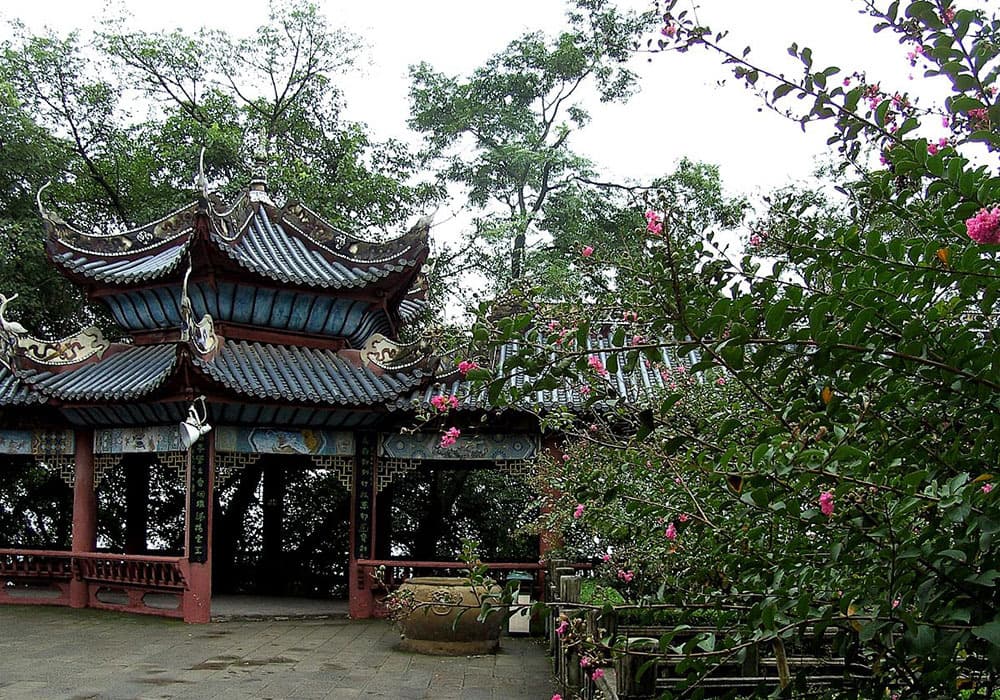
The site houses Taoist, Buddhist, and Confucian temples, bearing witness to the coexistence of the three religions on the same hill. Here you will find statues of Yinwang, the god of the afterlife, representations of the 18 judges responsible for purifying souls, and numerous sculpted scenes illustrating infernal torments. The great cemetery of the Han Dynasty, integrated into the site, offers major archaeological testimony to the burial practices of that era.
Jade Cave
On the south bank of the river, the Jade Cave completes the visit with a karst landscape: stalactites, formations, and cool underground galleries.
Practical Information
- Visit Duration: allow 2 to 4 hours for the main route on Mingshan Hill, longer if you include Jade Cave.
- Admission: paid entry at a moderate rate; verify locally or with your cruise operator.
- Opening Hours: daytime hours, typically from morning to late afternoon; exact hours vary by season.
- Recommendation: an English-speaking guide significantly enhances the visit, as the mythological richness of the statues and temples remains opaque without explanation.
How to Get There
The majority of visitors reach Fengdu as part of a Yangtze River cruise between Chongqing and Yichang: the boat docks at the foot of Mingshan Hill, which simplifies arrival. For independent travelers, Fengdu is also accessible from Chongqing by train or long-distance bus, with a possible connection through the town of Fuling. Check current schedules upon arrival, as the local network evolves regularly.
When to Go
Spring (March–May) and autumn (September–November) offer the most comfortable conditions for exploring Mingshan Hill, with moderate temperatures and lower humidity. Summer is very hot and humid in the Chongqing region, and river fog can limit views from the boat. Yangtze River cruises operate year-round, with peak season concentrated from April to October.
Nearby Attractions
- Chongqing, the classic departure point for Three Gorges cruises.
- Longgong Cave, another remarkable Chinese karst site.
- Bezeklik Thousand Buddha Caves, to extend the theme of rock sanctuaries.
- Great Wild Goose Pagoda, a major Buddhist monument.
Frequently Asked Questions
Frequently asked questions
During the Tang Dynasty (618–907), Mingshan Hill was consecrated to the world of the dead in Chinese mythology. The site represents the journey of souls after death, judged by 18 judges before accessing the afterlife governed by the god Yinwang.
Yes, the old lower city of Fengdu was partially submerged when the dam was filled. The main temples, situated high on Mingshan Hill, have been preserved and remain visitable.
Allow 2 to 4 hours for the main route. During a cruise stop, the duration is typically calibrated to allow a complete visit of the hill.
Three traditions coexist on the site: Taoism, which originated the cult of Yinwang; Buddhism, with its temples and statues; and Confucianism, present in certain altars.
It is not mandatory but strongly recommended: without explanation, the statues, judges, and symbolic bridges lose much of their meaning.
Prepare Your Journey
Fengdu fits naturally into an itinerary combining Chongqing and a Three Gorges cruise. To build a custom trip incorporating this stop, consult our Chine travel guide and our itinerary suggestions.
Interested in this visit?
We can include it in your personalised itinerary.