Yandaixie Street
Yandaixie Street
A historic hutong in Beijing near the Drum Tower, Yandaixie Street preserves the legacy of the Qing tobacco trade and houses shops and teahouses.
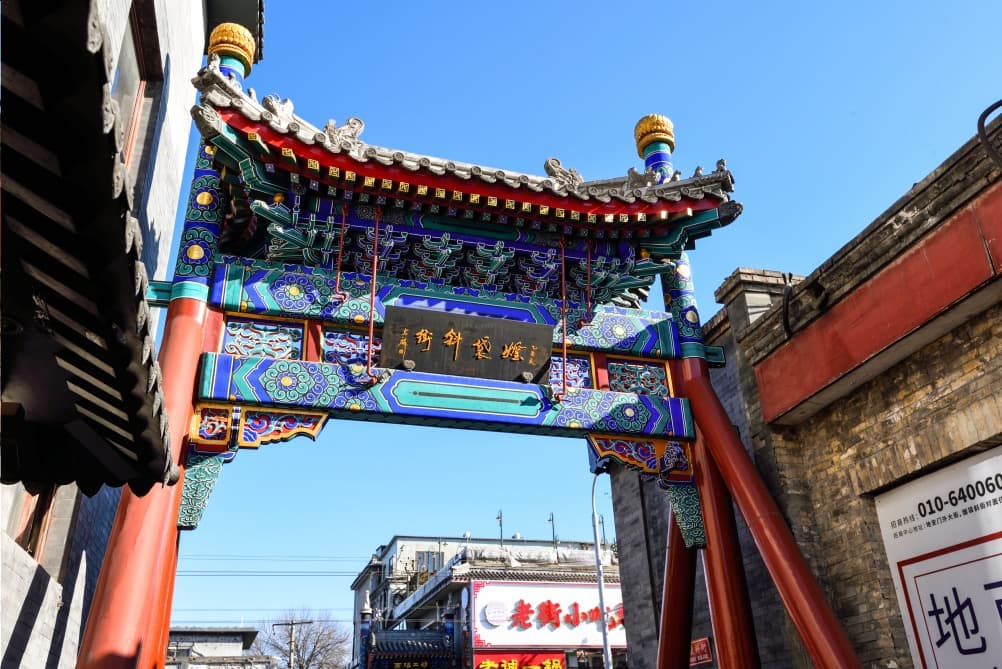
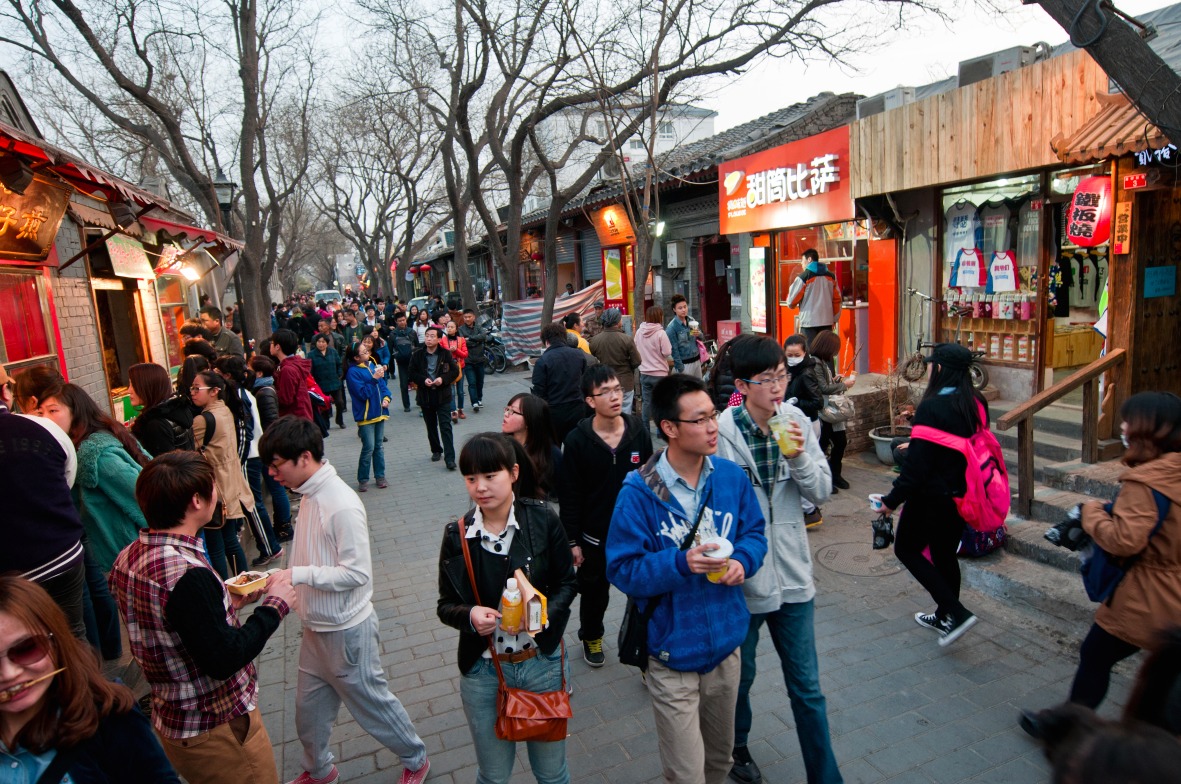
Yandaixie Street (烟袋斜街, literally "oblique tobacco pipe street") ranks among the oldest hutongs in Beijing. Located just metres from the Drum Tower, in the historic Shichahai district, this narrow alleyway of approximately 230 metres concentrates several centuries of commercial history, from Qing dynasty tobacco shops to today's craft boutiques. In 2010, it was designated an important historical and cultural site of the capital by the Ministry of Culture and Cultural Heritage Administration.
Why visit Yandaixie Street
Yandaixie offers a snapshot of pre-modern Beijing in a compact format. It lends itself to a short visit (1 to 2 hours) that can be combined with the Drum Tower, the Bell Tower and the shores of Houhai Lake, all within walking distance. Several reasons justify the detour:
- A preserved hutong urban fabric, with its characteristic low facades of grey brick.
- Documented commercial heritage, linked to tobacco and antiques, still visible in the signage and specialisation of current shops.
- A strategic location between Shichahai and the Drum Tower, making it a natural transition between two major tourist hubs in the north of the old city.
- An atmosphere that changes radically between day (visiting and shopping) and evening (bars and teahouses lit by lanterns).
A history linked to the tobacco trade
The alley has had several successive names. It was first known as Dayuting, then simply "Xie Street" under the Ming dynasty. Under the Qing, it was renamed "Xie Street of the Drum Tower" because of its proximity to the monument. The current official name, Yandai Xie Street, was adopted during the reign of Emperor Jiaqing (1796-1820).
Under the Qing, the street became a renowned commercial hub. High-ranking state officials and soldiers came to buy tobacco and pipes, which gradually structured the neighbourhood's activity around this speciality. The name "oblique tobacco pipe street" directly refers to this local economy.
During the First Republic (1912-1949), commercial activity expanded significantly: over 80 shops, teahouses, bars and tobacco and antique shops were recorded. This commercial density shaped the identity found today in a form adapted to tourism. The designation of November 2010 confirmed the heritage value of this ensemble.
What to see and do here
Craft and souvenir shops
The commercial offer reflects the history of the place and the more recent contribution of crafts from south-western and western China. Notable finds include:
- Pipes in bronze or jade, a direct legacy of the historical tobacco trade.
- Tobacco and accessories, in several specialist shops.
- Crafts from Dali and Lijiang (Yunnan) and Tibet: silver jewellery, textiles, Buddhist objects.
- Ethnic-inspired clothing and accessories.
- Antiques and bric-a-brac, continuing the tradition of shops opened during the Republic.
Teahouses and ceremonies
Several teahouses offer short ceremonies, an opportunity to taste different Chinese teas (green, oolong, pu'er) accompanied by explanations on the utensils and techniques. Allow about thirty minutes for an introduction, longer for a full tasting experience.
Bars and dining
The street also concentrates bars and small restaurants, more numerous as you approach Houhai Lake. The offering is varied, with regional Chinese cuisines and a few Asian addresses (Korean, Thai).
Practical information
- Visit duration: 1 to 2 hours, more if combining the Drum Tower and Houhai Lake.
- Fee: free access to the street; shops, teahouses and restaurants have their own pricing.
- Best time: late afternoon allows you to see the street in daylight then the evening atmosphere, when lanterns light up. Spring and autumn offer the most pleasant conditions; Beijing winters are cold and dry, summers hot and sometimes rainy.
- Crowds: heavy on weekends and Chinese public holidays, quieter on weekdays and in the morning.
How to get there
Yandaixie Street is located in Xicheng District, north of the Forbidden City. The simplest metro accesses are:
- Shichahai Station (Line 8), approximately 5 minutes' walk: the most direct option.
- Gulou Dajie Station (Lines 2 and 8), approximately 10 minutes' walk, convenient if you wish to start with the Drum Tower and Bell Tower.
From the city centre, taxi or Chinese ride-hailing services (Didi) are also an option, requesting drop-off near the Drum Tower (Gulou). On foot, arriving via the hutongs north of the Forbidden City or along the shores of Houhai Lake enhances the visit pleasantly.
Nearby attractions
- The Drum Tower and Bell Tower, a few minutes' walk away, which once marked the official time of the imperial capital.
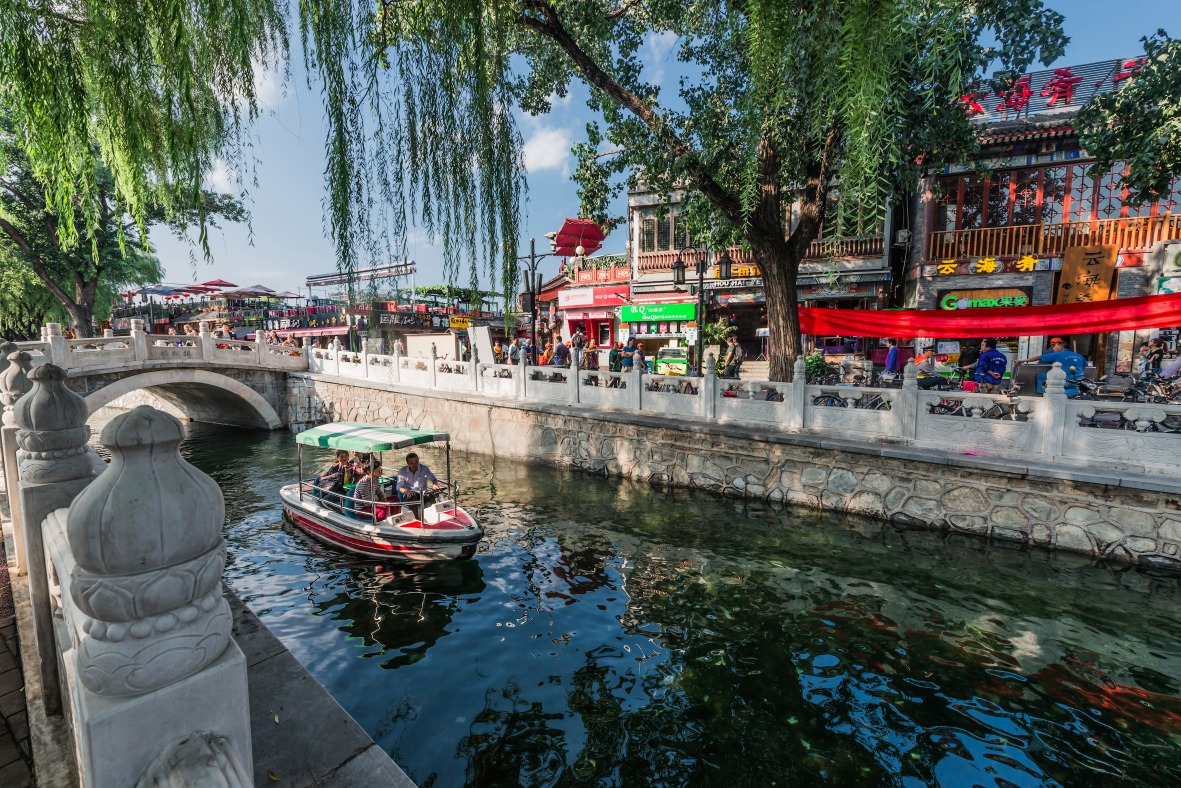
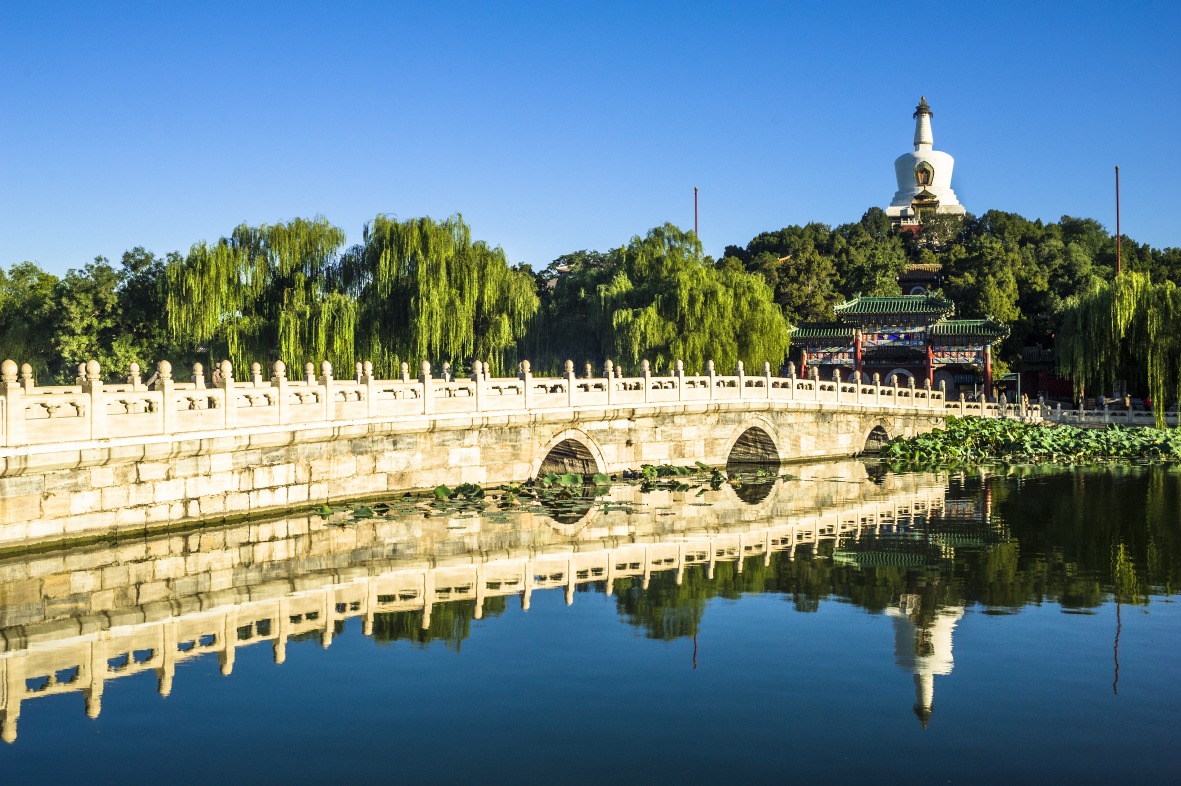
- Houhai Lake (Shichahai), a natural extension of the stroll, with its landscaped shores, boats in summer and skaters in winter.
- Surrounding hutongs, notably Nanluoguxiang, another historic commercial street in the neighbourhood.
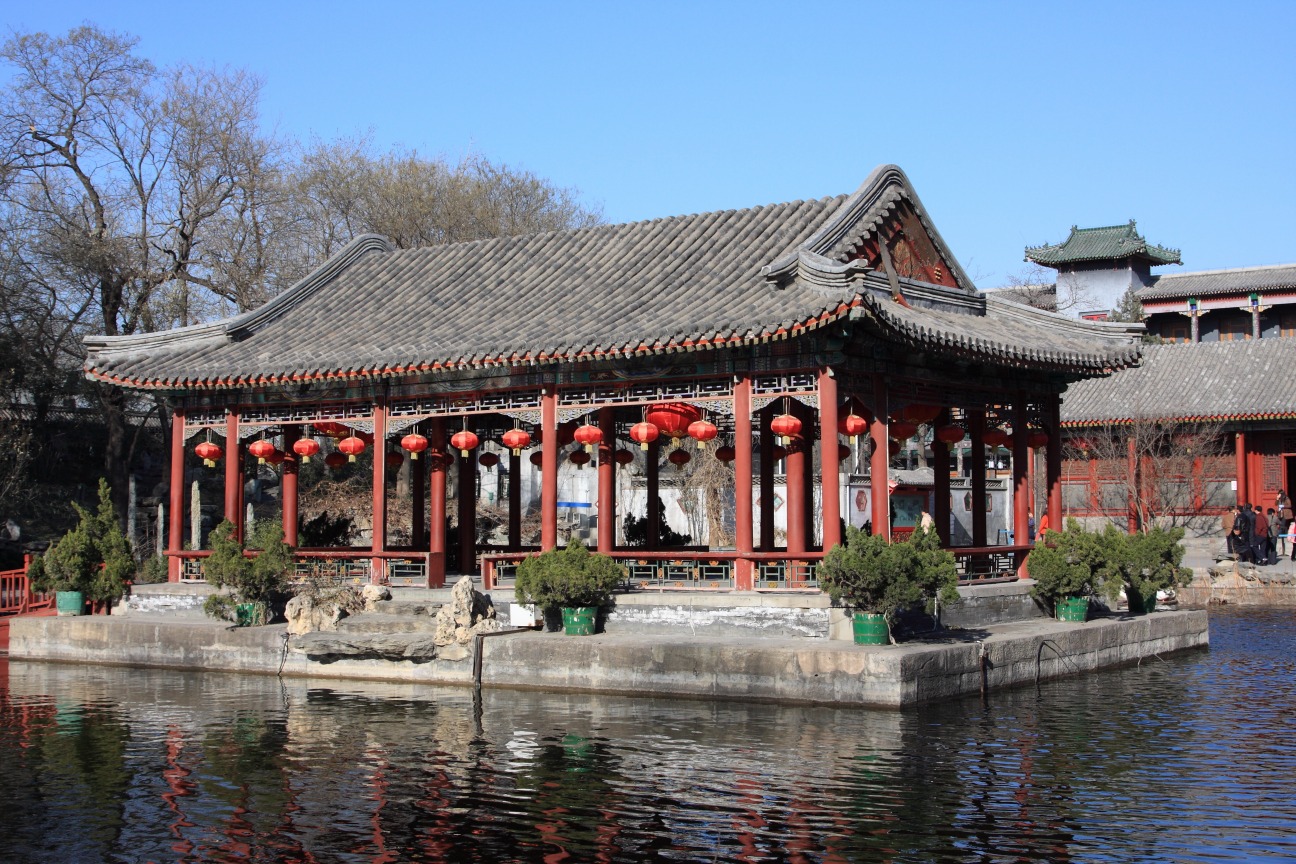
- Prince Gong's Former Residence, west of the lake, one of the largest preserved Qing residential complexes in Beijing.
Extend your discovery
Yandaixie fits naturally into a broader journey through old Beijing and beyond. To structure an itinerary combining imperial heritage, hutongs and major sites like the Great Wall at Juyongguan, consult our China travel guide and our suggestions for attractions in Beijing.
Nearby
Interested in this visit?
We can include it in your personalised itinerary.