Panjiayuan Antique Market
Panjiayuan Antique Market
Beijing's largest antique market, Panjiayuan brings together 3,000 stalls of art objects, antique furniture and collectibles in Chaoyang District.
The Panjiayuan Antique Market, located in Chaoyang District east of Beijing, houses over 3,000 stalls across nearly 4.85 hectares. Flea market finds, art objects, calligraphy, antique furniture, stone sculptures, coins and jewellery—it's one of 中国's principal destinations for antique enthusiasts, vintage furniture collectors and those seeking souvenirs beyond the beaten path.
Why visit Panjiayuan Market
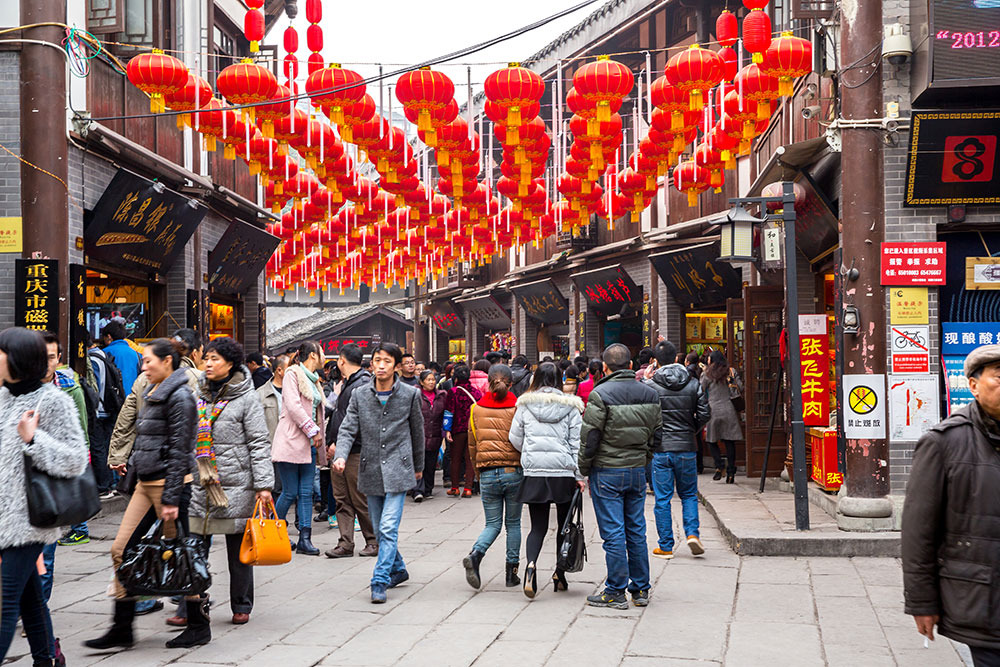
Panjiayuan is not a tourist market in the conventional sense. It's a genuine flea market frequented by Beijing collectors, antique dealers and curious visitors from across 中国. The appeal lies as much in the atmosphere as in the objects themselves: vendors sprawled on tarps, systematic negotiation, dense thematic aisles and a mixed crowd.
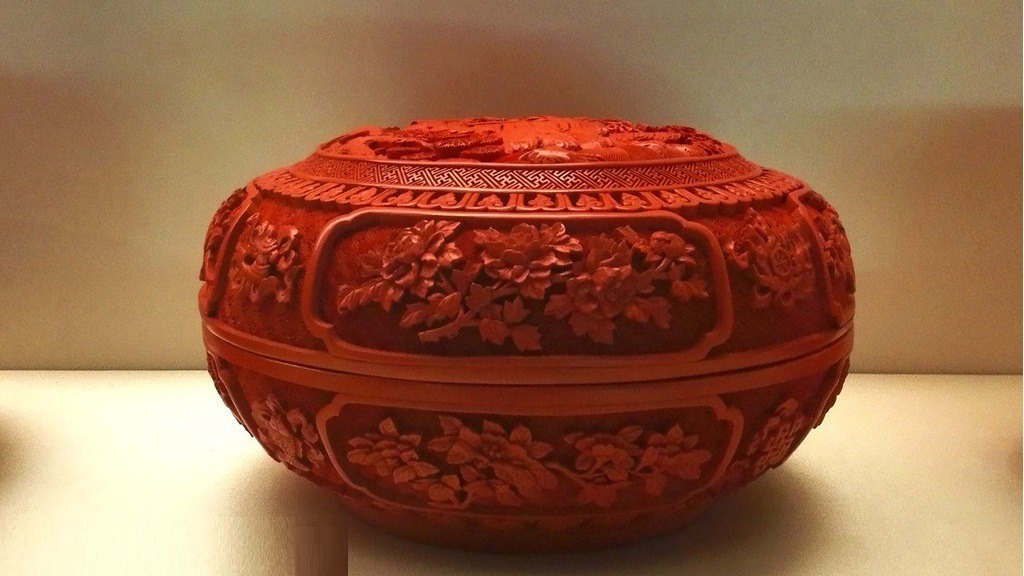
For those interested in Chinese material culture—porcelain, jade, ancient books, painted scrolls, wooden furniture—it's an essential stop in Beijing, complementing the capital's major heritage sites.
Market History
Panjiayuan flea market appeared in 1980 in a Chaoyang alleyway. The first vendors were mainly Beijing residents clearing out art objects and family heirlooms for quick cash.
For a time, the activity was banned by local authorities and only opened for a few hours a day, earning it the nicknames "ghost market" and "black market". Around 1990, the market gained momentum with the arrival of traders from across 中国.
In 1994, auctions and art trading were officially authorised. In 1995, the market relocated to its current Panjiayuan site, and stall rental was regulated to limit the passage of transient vendors. Once open weekends only, it is now accessible daily.
What to See and Look For
The market is organised into thematic zones, which aids navigation despite its size:
- West: stone sculptures, statues, outdoor furniture elements.
- South: ancient books, scrolls, calligraphy, prints.
- East: art objects, in a large dedicated courtyard.
- Central two-storey building: antique and modern furniture.
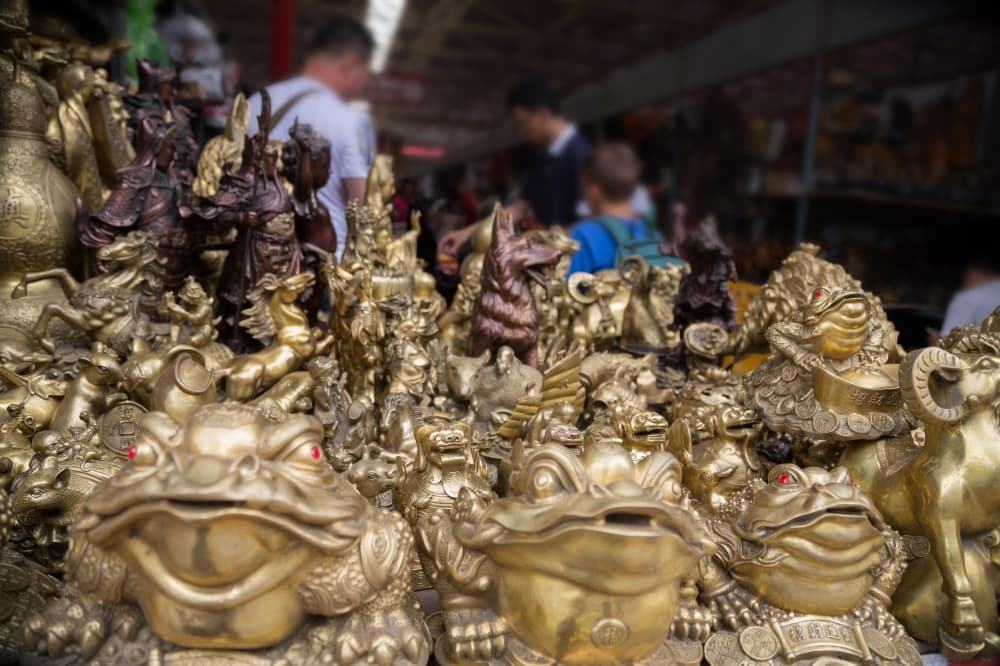
- Central aisles: porcelain, jade, bronzes, coins, jewellery, calligraphy sets, second-hand objects of all kinds.
Stalls often resemble one another and display similar merchandise. That's part of the game: you must compare, observe quality, and accept that some "antiques" are actually reproductions or artificially aged recent pieces. Genuine old objects do exist, but require a trained eye.
Bargaining and Prices
Negotiation is the rule, without exception. Announced prices can reach ten times what the vendor actually expects. A few useful guidelines:
- Ask multiple prices before engaging in serious discussion.
- Propose substantially lower than the stated price, then gradually increase your offer.
- Verify authenticity when it matters (seals, marks, wood condition, patina).
- Bring cash in small denominations, more practical than mobile payments for visitors.
When to Visit
The market opens daily, but the experience varies considerably by day.
- Weekends: the true flea market experience. Very early morning opening, at dawn, with ground-level vendors and the widest variety of objects. It's also the liveliest time, frequented by local collectors.
- Weekdays: quieter atmosphere, primarily permanent shops and stalls. Practical if you're seeking furniture or art objects without the crowds.
To capture the atmosphere, choose Saturday or Sunday morning. Allow 2 to 3 hours for your visit, longer if you plan to bargain seriously.
Practical Information
- Address: No. 200, west of Panjiayuan Bridge, Chaoyang District, Beijing.
- Hours: open daily, with extended hours on weekends (very early opening) compared to weekdays.
- Admission: free entry; bring cash for purchases.
- Recommended duration: 2 to 3 hours.
How to Get There
The market is located approximately 100 metres west of Panjiayuan Bridge, in Chaoyang District.
- By Metro: Panjiayuan Station (Line 10), followed by a short walk.
- By Bus: several lines serve Panjiayuan Qiao stop; check current routes on site or via a transport app.
- By Taxi or Ride-hailing: present the address in Chinese—No.200, west of Panjiayuan Bridge, Chaoyang District (潘家园路).
Nearby Attractions
The market fits naturally into a Beijing day combining imperial heritage, neighbourhood life and discovery of Chinese material culture. To extend your exploration of the region:
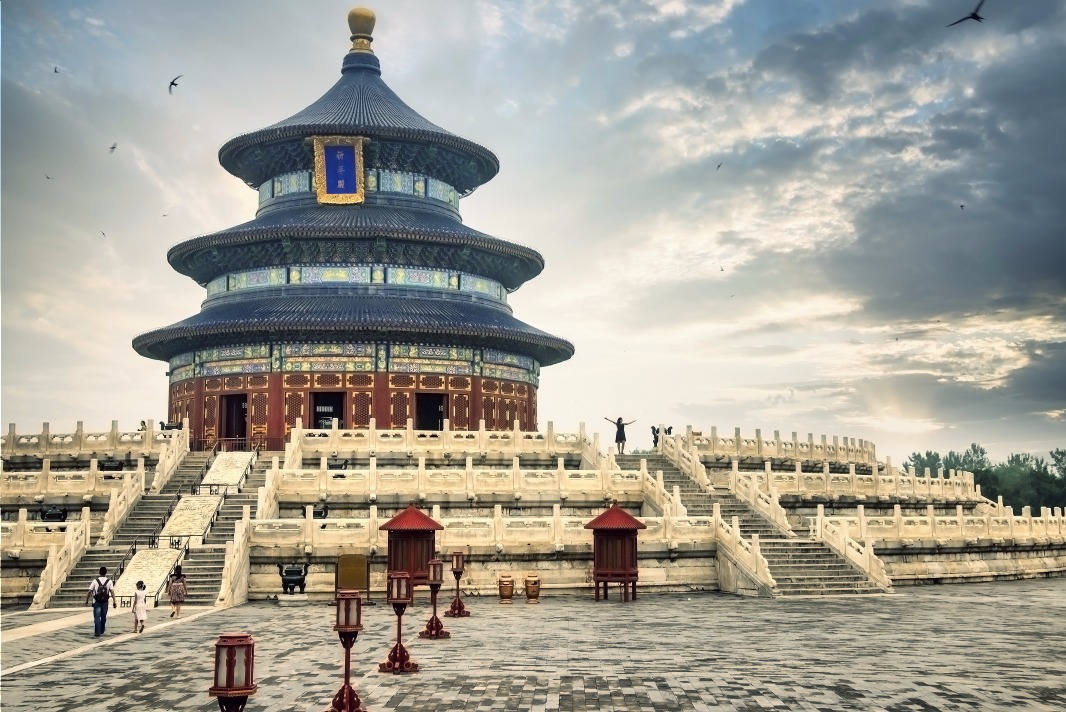
- Beijing: the Forbidden City, Temple of Heaven, hutongs.
- The Great Wall at Juyongguan, approximately one hour northwest of the capital.
Frequently Asked Questions
Frequently asked questions
Yes, since its reorganisation. The atmosphere remains quite different, however: weekends correspond to the true flea market, with early morning opening and many ground-level vendors, whereas weekdays are more limited to permanent stalls.
Yes, absolutely. Announced prices can reach nearly ten times what vendors actually expect. Proposing a significantly lower amount and gradually increasing your offer is standard practice.
Only some are. The market mixes genuine antiques, common old objects, recent craftsmanship and artificially aged reproductions. Without a trained eye, it's better to buy for the pleasure of the object rather than as an investment.
Morning, especially very early on Saturday or Sunday, when vendors set up their merchandise on the ground and local collectors browse the aisles.
Plan 2 to 3 hours to cover all zones, longer if you intend to bargain for multiple purchases or explore the furniture building in detail.
Planning Your Trip to 中国
Panjiayuan Market fits naturally into a Beijing stay combining imperial heritage, neighbourhood life and discovery of Chinese material culture. To build a tailor-made itinerary integrating the capital and the rest of the country, explore our 中国 travel ideas.
Nearby
Interested in this visit?
We can include it in your personalised itinerary.